09121684359 info@ferrosilicon.co

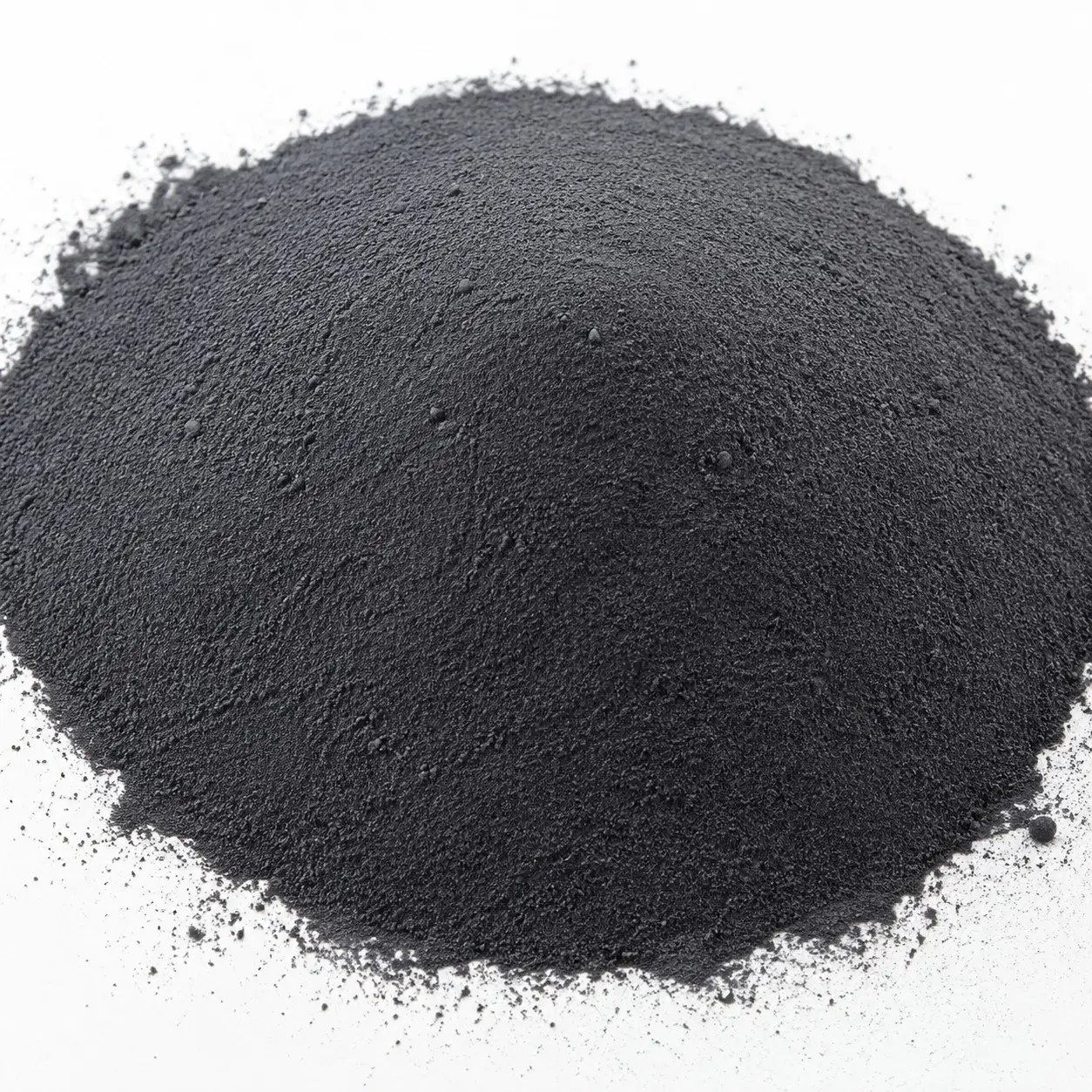
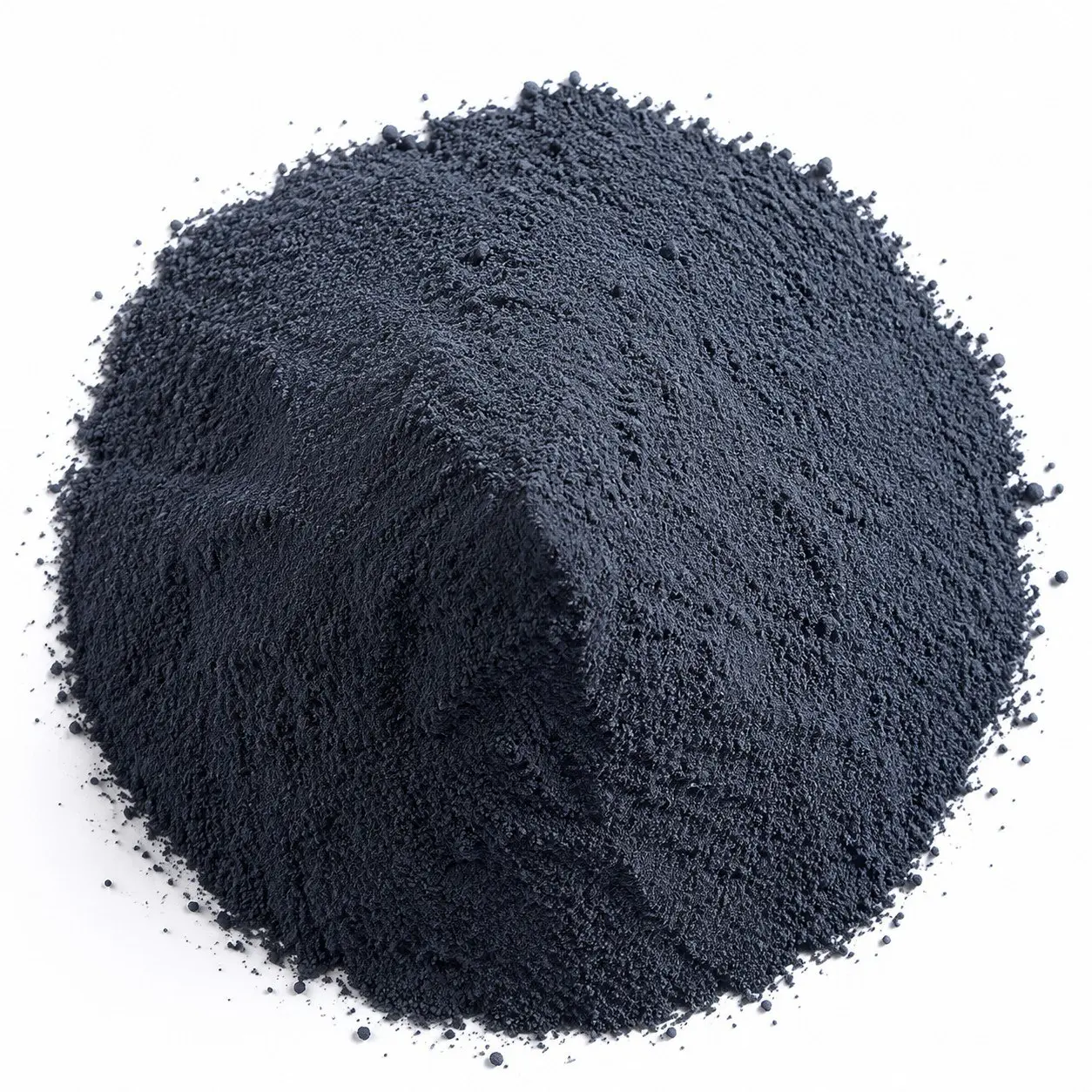
Silica Fume (Microsilica) is a high‑performance pozzolanic material widely used in concrete, refractory, and construction industries.

In 2026, the average market price ranges between 50 per ton, depending on purity, packaging type, and supply conditions.

With high silicon dioxide (SiO₂) content and extremely fine particles, microsilica significantly improves concrete strength, durability, and resistance to chemicals.

The table below summarizes the main technical specifications and market pricing of silica fume used in industrial and construction applications.

Key Technical Specifications of Silica Fume:

Silica fume (microsilica) is characterized by its extremely fine particle size and high silicon dioxide content, which make it one of the most effective supplementary cementitious materials used in high‑performance concrete.

Its technical specifications are typically defined by international standards such as ASTM C1240 and EN 13263, ensuring consistent quality and performance in construction and industrial applications.

The material is composed mainly of amorphous silicon dioxide and has a very large specific surface area.

This unique physical and chemical structure allows silica fume to fill microscopic voids in concrete and react with calcium hydroxide to produce additional calcium silicate hydrate (C‑S‑H), significantly improving strength and durability.

Parameter
Specification
Product Name
Silica Fume (Microsilica)
Price Range 2026
30–50 per ton
Form
Ultra‑fine powder
SiO₂ Content
90 – 95%
Particle Size
0.1 – 0.2 µm
Bulk Density
200 – 700 kg/m³
Color
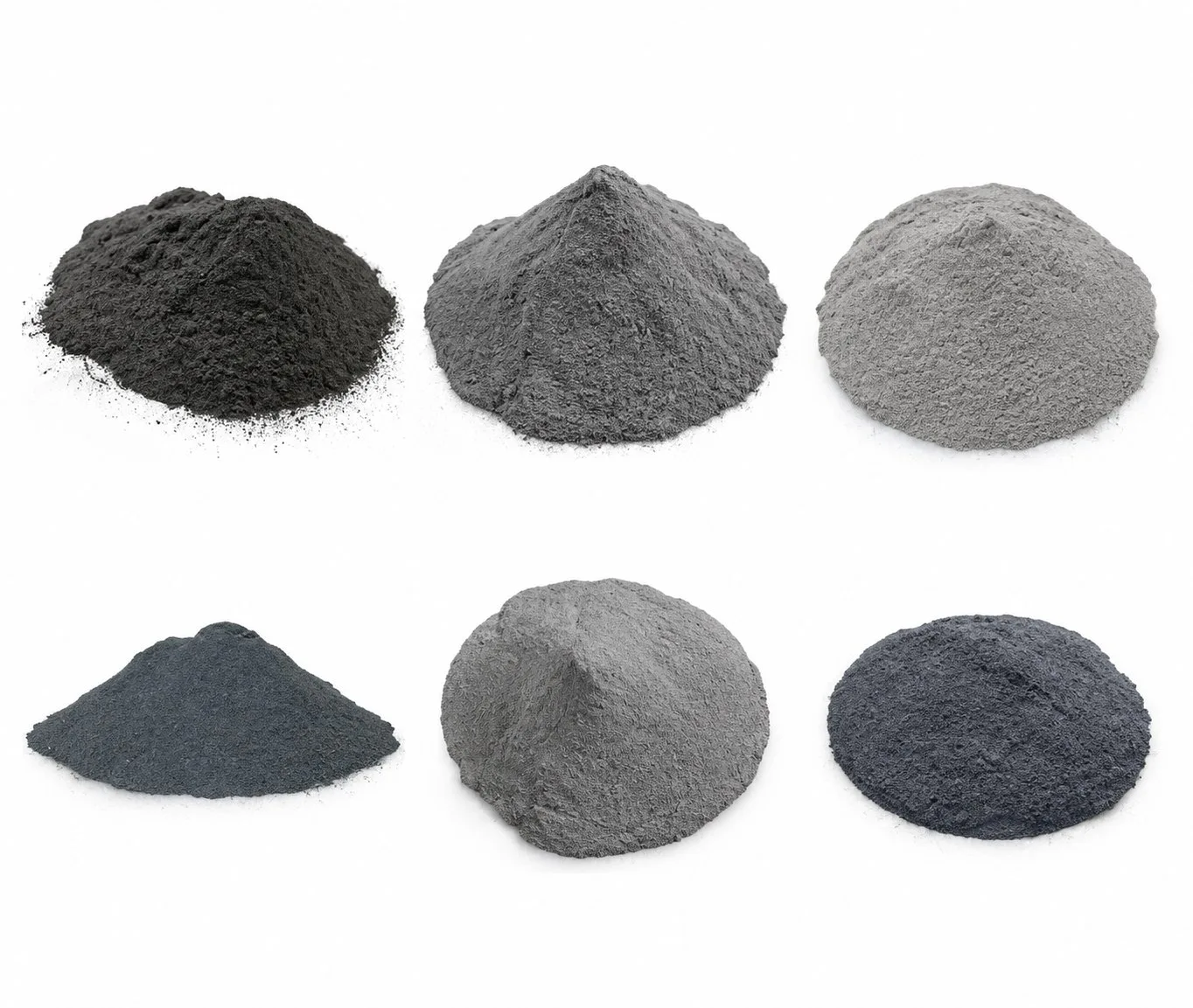
Gray to dark gray
Main Applications
High‑strength concrete, refractory materials, oil well cement
Packaging
25 kg bags, 500 kg or 1000 kg jumbo bags
Standard
ASTM C1240

What Is Silica Fume (Microsilica)?

Silica fume, also known as microsilica, is an ultra‑fine, highly reactive pozzolanic material produced as a by‑product of silicon metal and ferrosilicon alloy manufacturing in electric arc furnaces. It consists primarily of amorphous silicon dioxide (SiO₂) and is collected from furnace exhaust gases using advanced filtration systems.

With an average particle size about 100 times smaller than cement particles (typically 0.1–0.2 microns), silica fume fills microscopic voids within concrete, significantly enhancing density and microstructure.

Chemically, it reacts with calcium hydroxide released during cement hydration to form additional calcium silicate hydrate (C‑S‑H), the compound responsible for concrete strength.

Due to its exceptional fineness and high SiO₂ content (usually above 90%), silica fume is widely used to improve compressive strength, durability, abrasion resistance, and impermeability of concrete.

Beyond construction, it is also applied in refractory products, oil‑well cementing, and high‑performance industrial composites where superior mechanical and chemical performance is required.

Silica Fume Price Range in 2026:

These prices represent typical FOB export market estimates for 2026 and may fluctuate depending on global construction demand, raw material supply, and freight costs. Buyers should always request updated quotations from suppliers before final procurement.

Product Type
SiO₂ Content
Packaging
Price Range (USD/ton)
Undensified Silica Fume
90–92%
Jumbo Bag / Bulk
30–38
Densified Silica Fume
90–94%
1 Ton Jumbo Bag
35–45
High Purity Silica Fume
94–96%
Jumbo Bag / Export Grade
40–50
Bulk Industrial Grade
90–93%
Bulk Tanker
30–40

The global price of Silica Fume (Microsilica) in 2026 generally ranges between 50 $ per ton, depending on several factors such as SiO₂ purity, product type (densified or undensified), packaging method, and export logistics.

Prices may also vary based on supply volume, transportation distance, and regional demand in construction and refractory industries.

High‑purity silica fume with SiO₂ content above 92–95% typically commands higher prices due to its superior performance in high‑strength and ultra‑high‑performance concrete (UHPC).

Bulk shipments and long‑term supply contracts often reduce the final purchase price for large industrial buyers.

Build Stronger Concrete with Silica Fume

High‑quality silica fume plays a key role in producing durable, high‑performance, and long‑lasting concrete. From large infrastructure projects to specialized industrial applications, microsilica enhances strength, reduces permeability, and improves overall concrete performance.

Types of Silica Fume: Densified vs. Undensified:

Silica fume is commonly supplied in two main forms: densified and undensified. Both types have similar chemical composition and performance characteristics, but they differ in bulk density, handling, and transportation efficiency. The choice between them depends on the application method, storage facilities, and project requirements.

1. Undensified Silica Fume:

Undensified silica fume is the material in its original, highly fluffy form after collection from furnace exhaust gases. It has a very low bulk density and extremely fine particles.

  • Bulk density typically ranges from 200 to 350 kg/m³.
  • Offers excellent dispersion in concrete mixes.
  • Often preferred in ready‑mix concrete and high‑performance concrete applications.
  • Requires specialized handling and storage due to its light and dusty nature.
  • Transportation can be less efficient because of its larger volume.

2. Densified Silica Fume:

Densified silica fume is produced by processing the undensified material to increase its bulk density. This process reduces the volume of the material, making it easier to transport and store.

  • Bulk density usually ranges from 500 to 700 kg/m³.
  • More economical for shipping and large‑scale industrial use.
  • Commonly supplied in jumbo bags or bulk shipments.
  • May require proper mixing techniques to ensure uniform dispersion in concrete.

Both forms deliver similar pozzolanic performance when properly mixed, but densified silica fume is generally preferred for export and bulk supply, while undensified silica fume is often selected for specialized concrete applications where dispersion is critical.

Industrial Applications of Silica Fume in 2026:
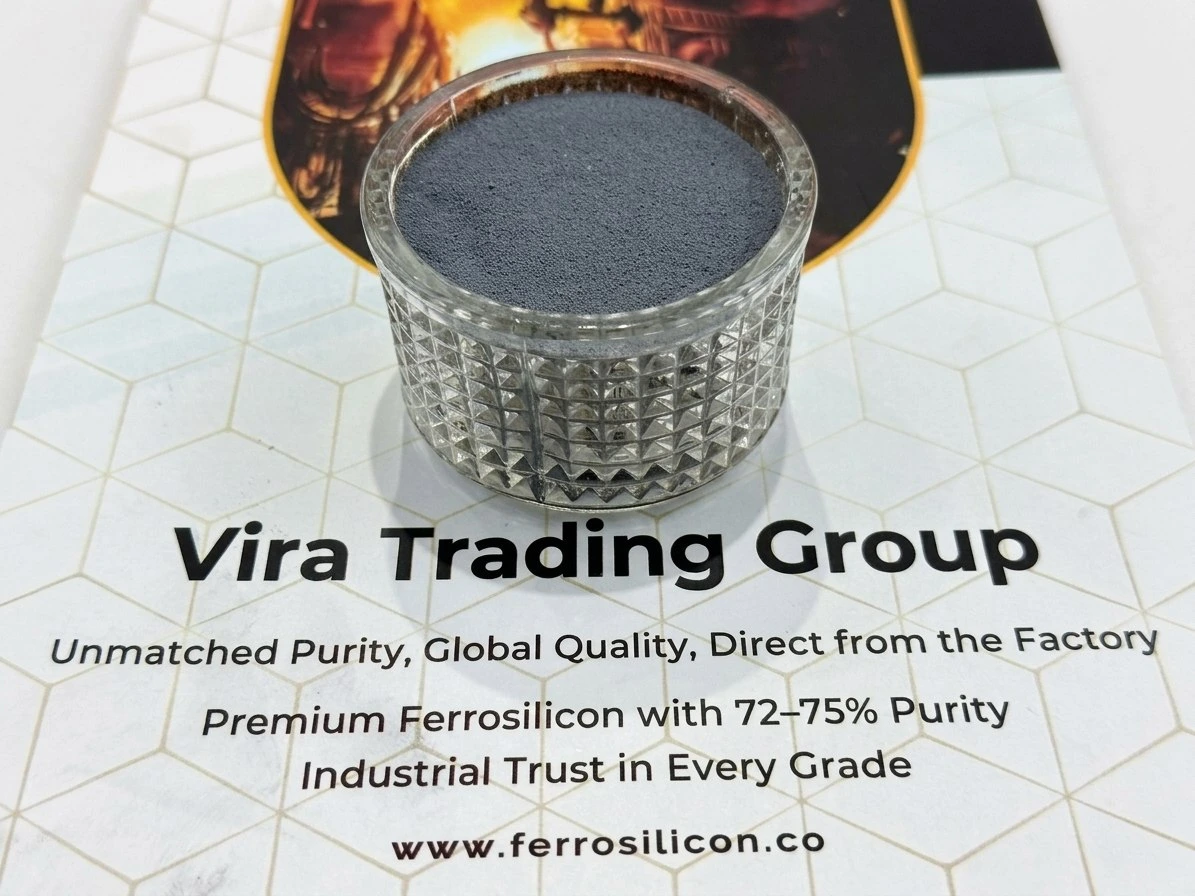
In 2026, silica fume is recognized as a high‑value performance material across multiple industries. Its unique physical and chemical properties make it essential in applications where durability and strength matter most.

1. High‑Performance Concrete (HPC & UHPC):

Silica fume significantly increases compressive strength, reduces permeability, and enhances resistance to chemicals and abrasion. It is widely used in bridges, tunnels, marine structures, dams, and high‑rise buildings.

2. Refractory Materials:

In refractory castables and bricks, silica fume improves density and thermal stability, enabling materials to perform reliably in furnaces, kilns, and steel plants.

3. Oil Well Cementing:

Microsilica enhances cement integrity in deep and high‑temperature oil and gas wells by improving strength, reducing permeability, and increasing long‑term durability.

4. Shotcrete and Repair Mortars:

Silica fume improves adhesion, cohesion, and crack resistance, making it ideal for tunnel linings, slope stabilization, and structural repairs.

5. Precast and Specialized Cement Products:

Used in precast elements, industrial flooring, and special cement‑based composites to achieve higher strength, smoother surfaces, and longer service life.

As demand grows for long‑lasting, high‑efficiency construction solutions, silica fume remains a reliable and cost‑effective choice across industrial applications in 2026.

Factors Influencing Silica Fume Pricing:

Silica fume prices in 2026 mainly depend on SiO₂ purity, product form, and logistics. Higher purity material is priced higher due to better performance.

Densified silica fume is usually more economical to transport, while undensified material increases shipping costs.

Packaging type, freight distance, and overall construction market demand also affect pricing. As a result, silica fume is sold within a price range rather than at a fixed price.

Benefits of Using Microsilica in Concrete:

Microsilica is widely used in modern concrete technology because it dramatically improves the performance and durability of cement‑based materials. Its ultra‑fine particles and pozzolanic reaction create a denser and stronger concrete structure.

1. Higher Compressive Strength:

Silica fume reacts with calcium hydroxide in cement to produce additional calcium silicate hydrate (C‑S‑H), which increases concrete strength.

2. Reduced Permeability:

The fine particles fill microscopic voids in the concrete matrix, reducing water penetration and chloride intrusion.

3. Improved Durability:

Concrete containing microsilica performs better in aggressive environments such as marine structures and chemical exposure.

4. Better Abrasion Resistance:

Silica fume enhances surface hardness, making it ideal for industrial floors, pavements, and heavy‑traffic structures.

5. Extended Service Life of Structures:

By improving density and resistance to environmental damage, microsilica helps infrastructure last significantly longer with less maintenance.

Global Market Trends for Silica Fume in 2026:
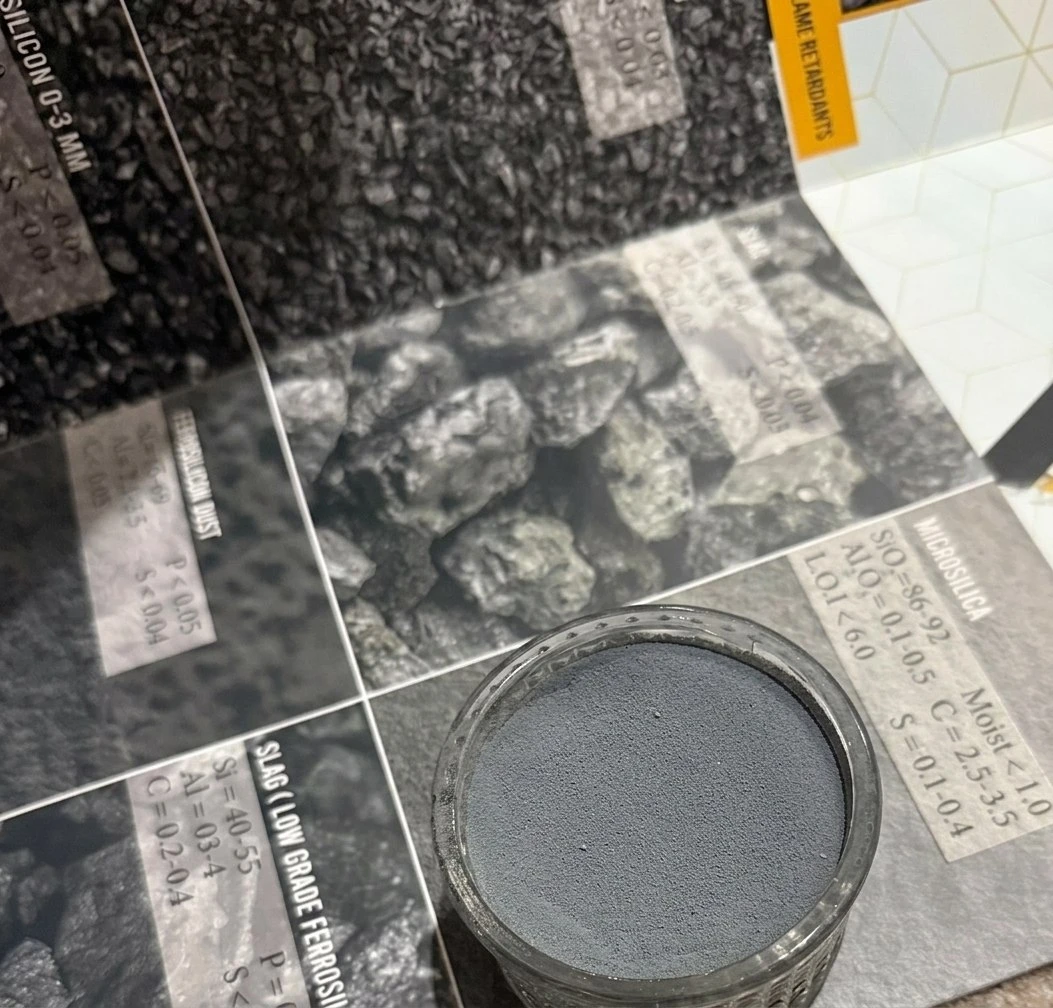
In 2026, the global silica fume market continues to grow as demand for high‑performance and durable construction materials increases.

Rapid infrastructure development, especially in Asia and the Middle East, is driving higher consumption of microsilica in large‑scale construction projects.

Another important trend is the growing use of high‑performance concrete (HPC) and ultra‑high‑performance concrete (UHPC) in modern engineering.

These advanced concrete systems rely on silica fume to improve strength, durability, and resistance to harsh environmental conditions.

At the same time, manufacturers are focusing on efficient production and export logistics to meet international demand.

As a result, silica fume remains a widely traded industrial material, with stable demand across construction, refractory, and energy sectors.

Frequently Asked Questions (FAQs):

Q1: What is the average price of silica fume in 2026?

The average global price of silica fume in 2026 ranges between  50 per metric ton, depending on purity, form (densified or undensified), and packaging.

Q2. What is the difference between densified and undensified silica fume?

Densified silica fume has a higher bulk density, making it easier and cheaper to transport, while undensified silica fume offers better dispersion but higher shipping costs.

Q3. Why is silica fume widely used in high‑performance concrete?

Silica fume improves compressive strength, durability, and resistance to chemical attack, making it ideal for high‑performance and ultra‑high‑performance concrete.

Q4. Which industries drive silica fume demand in 2026?

The main demand comes from construction, infrastructure, refractory materials, oil & gas, and renewable energy projects, especially in rapidly developing regions.

Conclusion:

In 2026, silica fume (microsilica) remains a cost‑effective and high‑performance material for modern construction and industrial applications.

With a stable global price range, well‑defined technical specifications, and increasing demand for durable and sustainable concrete, silica fume continues to play a key role in high‑performance concrete, UHPC, and refractory industries.

Understanding its types, pricing factors, and market trends helps buyers make informed and economical decisions.

Contact Direct:

info@ferrosilicon.co | +989121684359 | WhatsApp RFQ

How to Choose High‑Quality Silica Fume:

Selecting high‑quality silica fume is important for achieving the best performance in concrete and industrial applications. Buyers should carefully evaluate several technical and supply factors before purchasing.

  1. Check SiO₂ Content:

High‑quality silica fume usually contains more than 90–96% silicon dioxide (SiO₂). Higher purity improves pozzolanic activity and enhances concrete strength and durability.

  1. Evaluate Particle Size and Fineness:

Silica fume particles are extremely fine, typically around 0.1–0.2 microns. Uniform and ultra‑fine particles help improve bonding in cement and reduce permeability.

  1. Consider Product Form:

Choose between densified and undensified silica fume based on your application and logistics. Densified material is easier to transport, while undensified silica fume may disperse better in some concrete mixes.

  1. Verify Quality Standards:

Reliable suppliers provide silica fume that meets recognized standards such as ASTM C1240 or EN specifications, ensuring consistent performance.

  1. Choose a Trusted Supplier:

Working with an experienced supplier ensures stable quality and reliable delivery. One recognized supplier in the global market is Ferrosilicon Co. (ferrosilicon.co), which provides silica fume with controlled purity, consistent particle size, and suitable packaging for international construction and industrial projects.

Get a Free Silica Fume Consultation

Looking for high‑quality silica fume with the right specifications and competitive pricing?

Our experts at Ferrosilicon.co are ready to help you choose the ideal product for your concrete, infrastructure, or industrial project.

Free consultation | Fast response | Reliable supply

About the Author – Mahboubeh

About the Author – Mahboubeh

Senior Metallurgist & Technical Director at Ferrosilicon.co

Mahboubeh is a content writer focused on industrial materials and construction technologies. She writes informative articles about product specifications, market trends, and applications of materials such as silica fume and ferrosilicon for engineers, contractors, and global buyers.