
09121684359 info@ferrosilicon.co

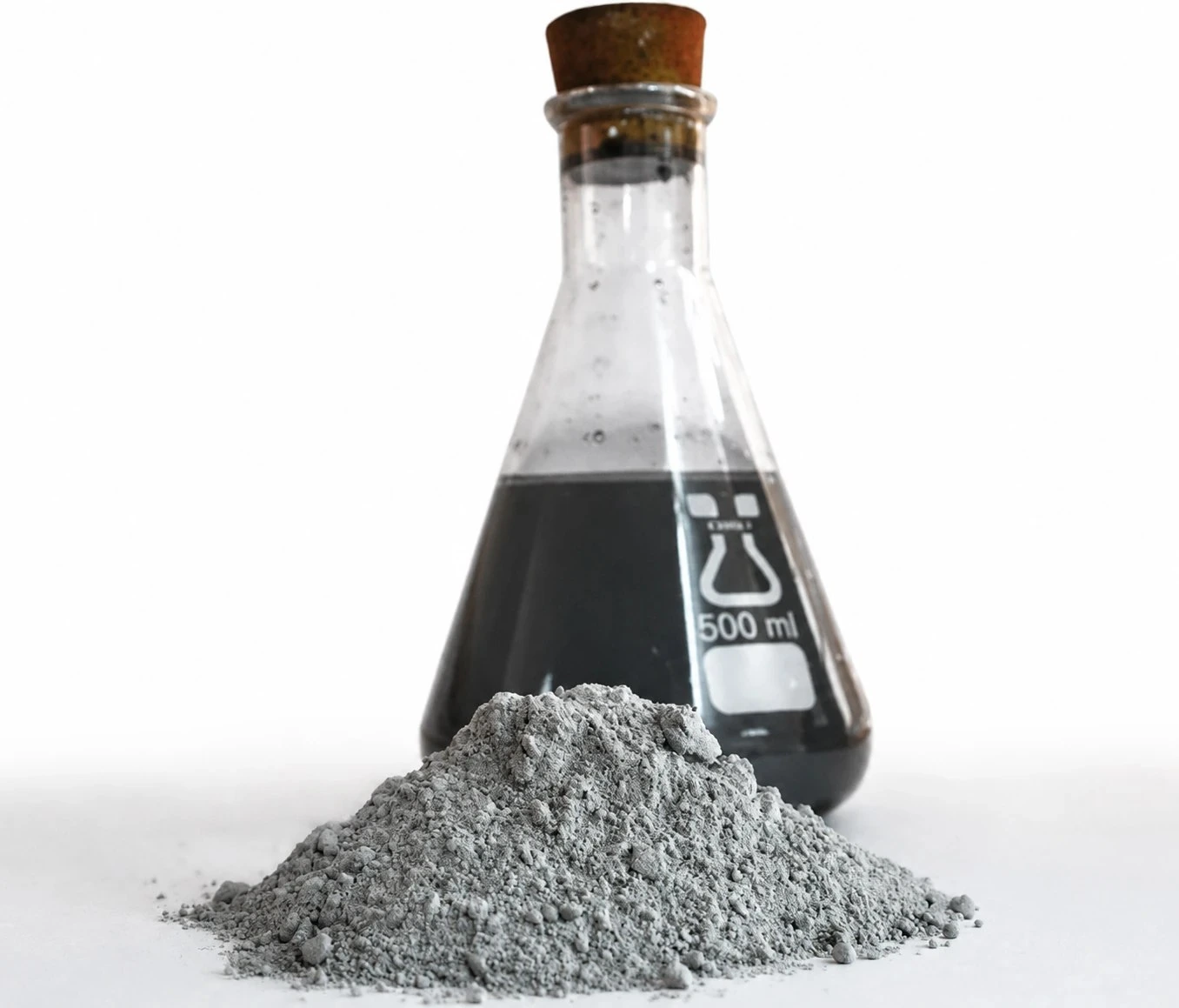
Silica fume (microsilica) is an ultrafine by‑product from the production of silicon or ferrosilicon alloys in electric arc furnaces.

It consists mainly of amorphous SiO₂ particles less than 1 µm in size. During manufacturing, the silica‑rich vapor condenses as a fine powder collected by bag filters.

The material is later densified or mixed as slurry for use in high‑strength concrete and refractories.

Property / Aspect
Description
Material Type
Amorphous silicon dioxide (SiO₂)
Source / Production
By‑product of silicon & ferrosilicon alloy furnaces
Form
Ultrafine powder (particle size ≈ 0.1 µm)
Collection Method
Condensed fumes captured by bag filters from furnace exhaust
Main Uses
High‑performance concrete, shotcrete, refractories, polymer composites
Key Benefit
Improved strength, durability, and reduced permeability in concrete

Silica Fume (Microsilica) Explained:

Silica fume, also known as microsilica, is an ultrafine powder mainly composed of amorphous silicon dioxide (SiO₂).

It is produced as a by‑product during the manufacture of silicon metal or ferrosilicon alloys in electric arc furnaces.

Because of its extremely small particle size and high pozzolanic activity, silica fume is widely used to enhance the strength, durability, and impermeability of high‑performance concrete and other construction materials.

How Is Microsilica (Silica Fume) Manufactured?
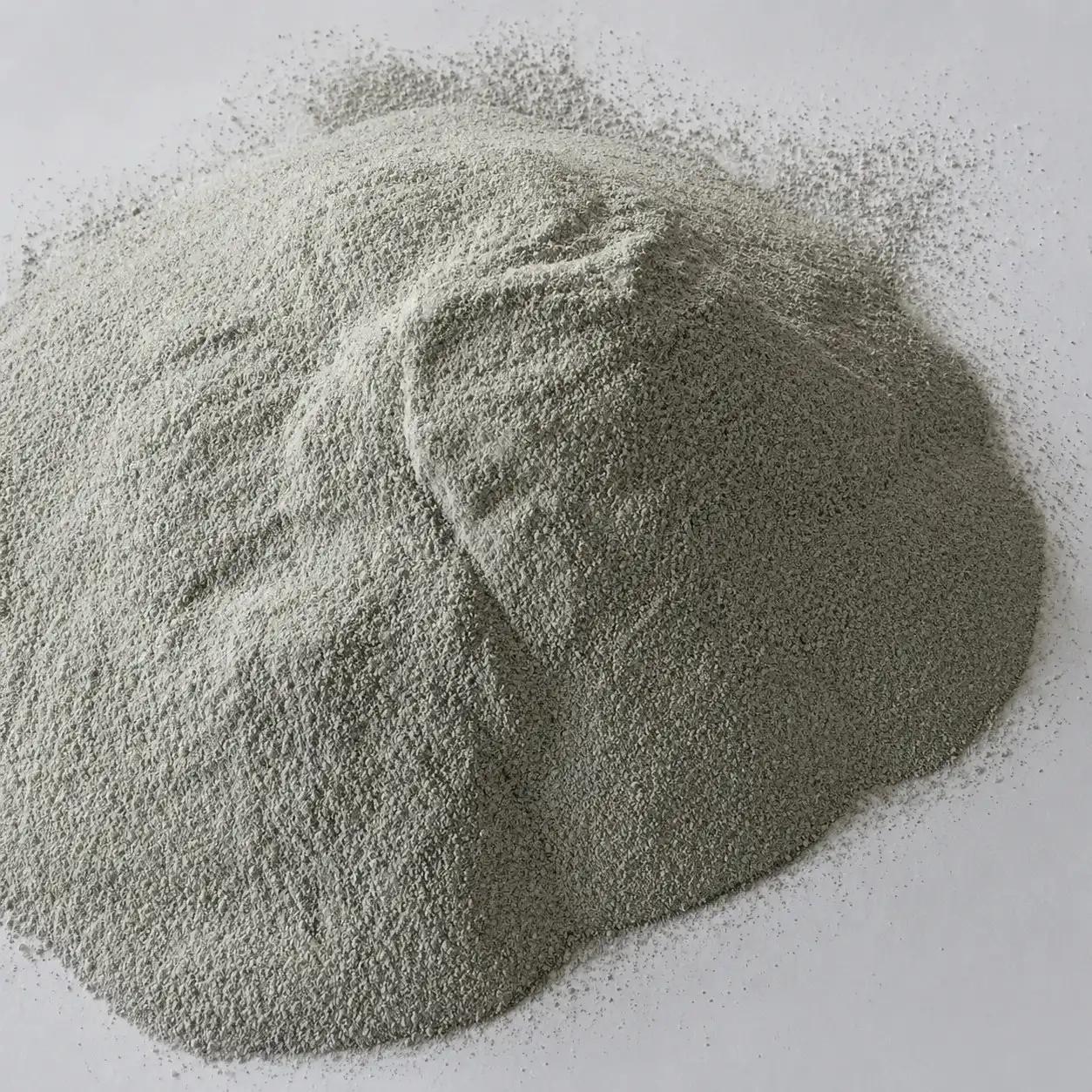
Microsilica is produced as a by‑product during the high‑temperature smelting of silicon metal or ferrosilicon in electric arc furnaces.

At temperatures around 2000 °C, silica vapor forms and rises with the furnace exhaust gases. As the vapor cools, it oxidizes into ultrafine amorphous SiO₂ particles, which are then captured by baghouse filters.

The collected powder is dried, sometimes densified, or converted into slurry for easier transport and use in concrete and industrial applications.

Silica Fume Definition, Production Process and Main Uses:

Silica fume (microsilica) is an industrial by-product composed of highly reactive, ultrafine amorphous silicon dioxide particles, typically under 1 micron.

It is produced by cooling and collecting silica-rich vapors released from electric arc furnaces during silicon metal or ferrosilicon manufacturing. The captured material is then processed into undensified, densified, or slurry form.

Key points:

  1. Definition: An ultrafine, amorphous SiO₂ powder formed during silicon alloy production.
  2. Production Process: Silica vapor oxidizes, condenses into micro‑particles, and is collected through baghouse filters.
  3. Main Uses: Enhances strength, durability, and chemical resistance in high‑performance concrete; boosts thermal stability in refractories.

Microsilica: Origin, Properties and Applications in Concrete

Microsilica originates as a by‑product of silicon metal and ferrosilicon alloy production in electric arc furnaces, where silica‑rich vapors condense into ultrafine amorphous SiO₂ particles.

Due to its extremely small particle size and high pozzolanic reactivity, microsilica significantly improves concrete performance.

In concrete applications, it enhances compressive strength, reduces permeability, increases resistance to chemicals and abrasion, and is widely used in high‑strength concrete, marine structures, bridges, and shotcrete.

How Is Silica Fume Produced in Electric Arc Furnaces?
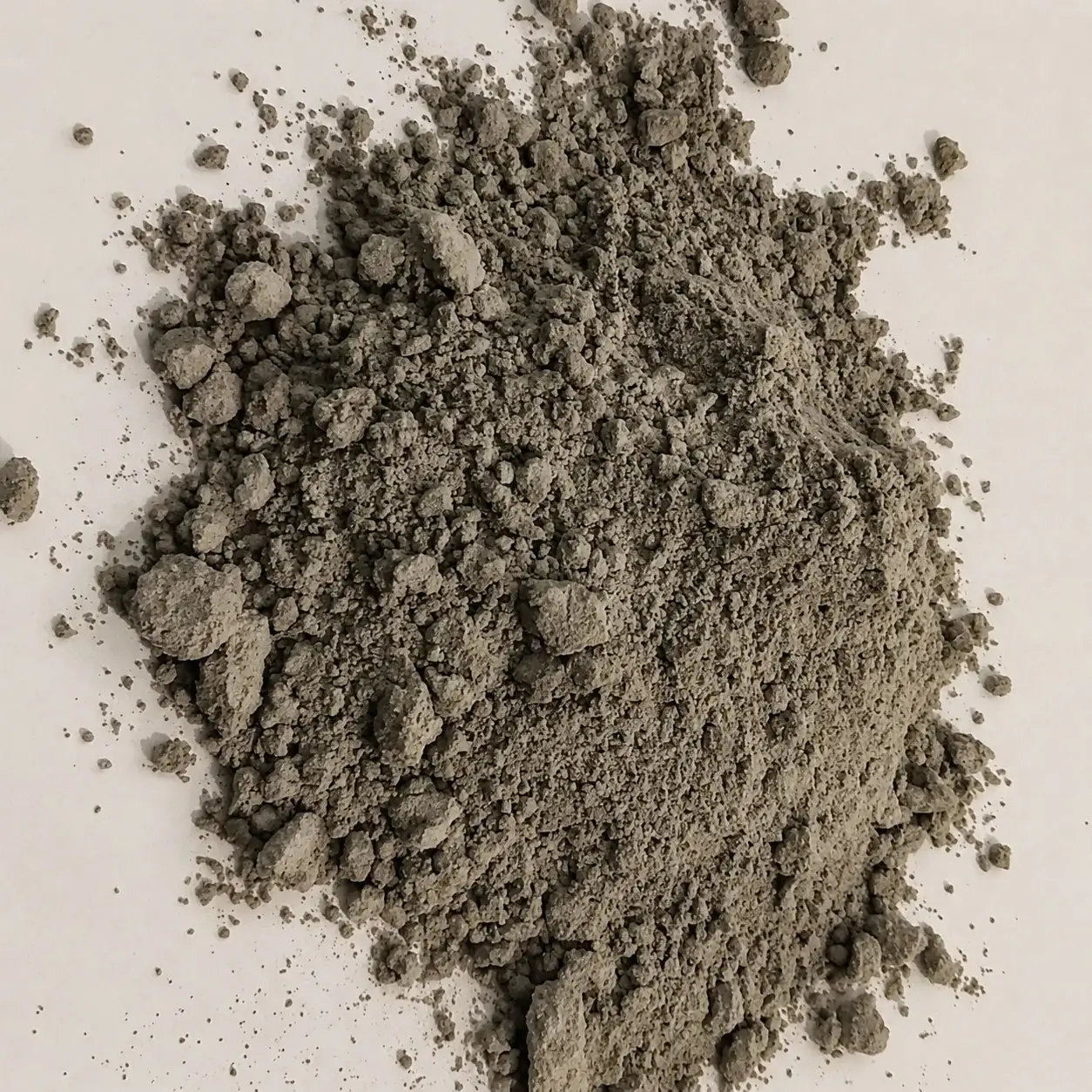
Silica fume is generated during the production of silicon metal or ferrosilicon alloys in electric arc furnaces operating at temperatures near 2000 °C. In this process, quartz (SiO₂) reacts with carbon‑based reducing agents such as coal, coke, or wood chips.

As the reaction occurs, silica vapor forms and rises with the hot furnace gases. When this vapor cools and oxidizes, it condenses into extremely fine amorphous silicon dioxide particles. These particles are captured by baghouse filtration systems, producing the material known as silica fume or microsilica.

Silica Fume Definition, Production Process and Main Uses:

Silica fume (microsilica) is an industrial by-product composed of highly reactive, ultrafine amorphous silicon dioxide particles, typically under 1 micron.

It is produced by cooling and collecting silica-rich vapors released from electric arc furnaces during silicon metal or ferrosilicon manufacturing. The captured material is then processed into undensified, densified, or slurry form.

Key points:

  1. Definition: An ultrafine, amorphous SiO₂ powder formed during silicon alloy production.
  2. Production Process: Silica vapor oxidizes, condenses into micro‑particles, and is collected through baghouse filters.
  3. Main Uses: Enhances strength, durability, and chemical resistance in high‑performance concrete; boosts thermal stability in refractories.

Microsilica: Origin, Properties and Applications in Concrete

Microsilica originates as a by‑product of silicon metal and ferrosilicon alloy production in electric arc furnaces, where silica‑rich vapors condense into ultrafine amorphous SiO₂ particles.

Due to its extremely small particle size and high pozzolanic reactivity, microsilica significantly improves concrete performance.

microsilica In concrete applications, it enhances compressive strength, reduces permeability, increases resistance to chemicals and abrasion, and is widely used in high‑strength concrete, marine structures, bridges, and shotcrete.

How Is Silica Fume Produced in Electric Arc Furnaces?
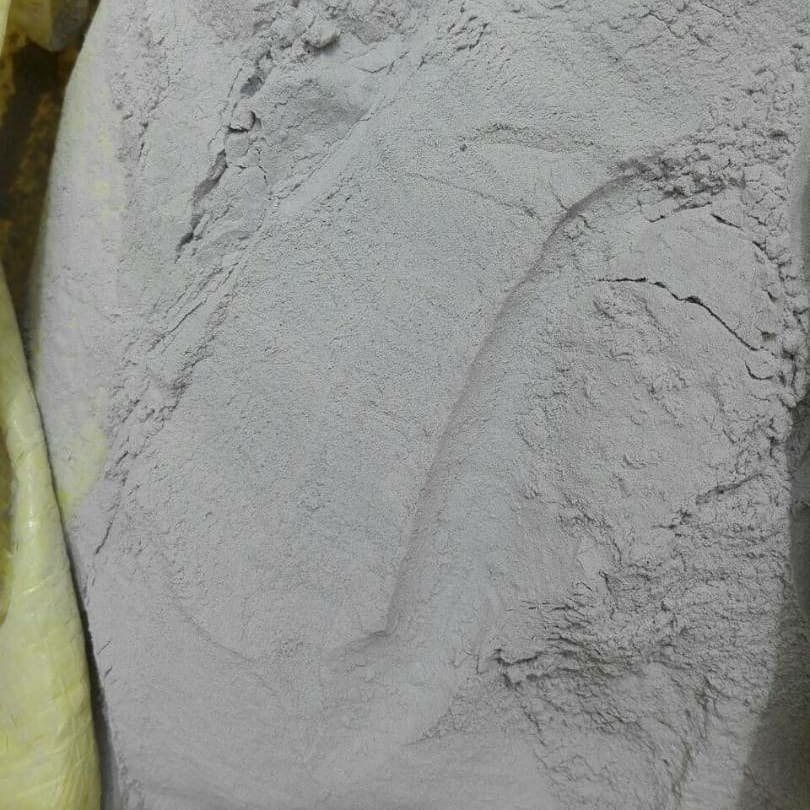
Silica fume is generated during the production of silicon metal or ferrosilicon alloys in electric arc furnaces operating at temperatures near 2000 °C. In this process, quartz (SiO₂) reacts with carbon‑based reducing agents such as coal, coke, or wood chips.

As the reaction occurs, silica vapor forms and rises with the hot furnace gases. When this vapor cools and oxidizes, it condenses into extremely fine amorphous silicon dioxide particles. These particles are captured by baghouse filtration systems, producing the material known as silica fume or microsilica.

How Much Does Silica Fume Cost in 2026?

In 2026, the global price of silica fume (microsilica) typically ranges between 30-50 $ per metric ton, depending on product form and market conditions.

Undensified silica fume is usually priced at the lower end of the range, while densified and slurry forms command higher prices due to additional processing, packaging, and handling costs.

Factors such as purity (SiO₂ content), bulk density, transportation distance, and order volume also significantly influence the final price.

Conclusion:

Silica fume (microsilica) is a highly valuable by‑product of silicon and ferrosilicon production, offering exceptional performance benefits in concrete and refractory applications.

Thanks to its ultrafine particle size and strong pozzolanic reactivity, it significantly improves compressive strength, durability, and resistance to chemical attack and abrasion.

Understanding its origin, properties, manufacturing process, and main uses helps engineers, contractors, and suppliers select the right microsilica grade for high‑performance, long‑lasting concrete structures.

About the Author – Mahboubeh

About the Author – Mahboubeh

Senior Metallurgist & Technical Director at Ferrosilicon.co

Mahboubeh is a content writer focused on industrial materials and construction technologies. She writes informative articles about product specifications, market trends, and applications of materials such as silica fume and ferrosilicon for engineers, contractors, and global buyers.