
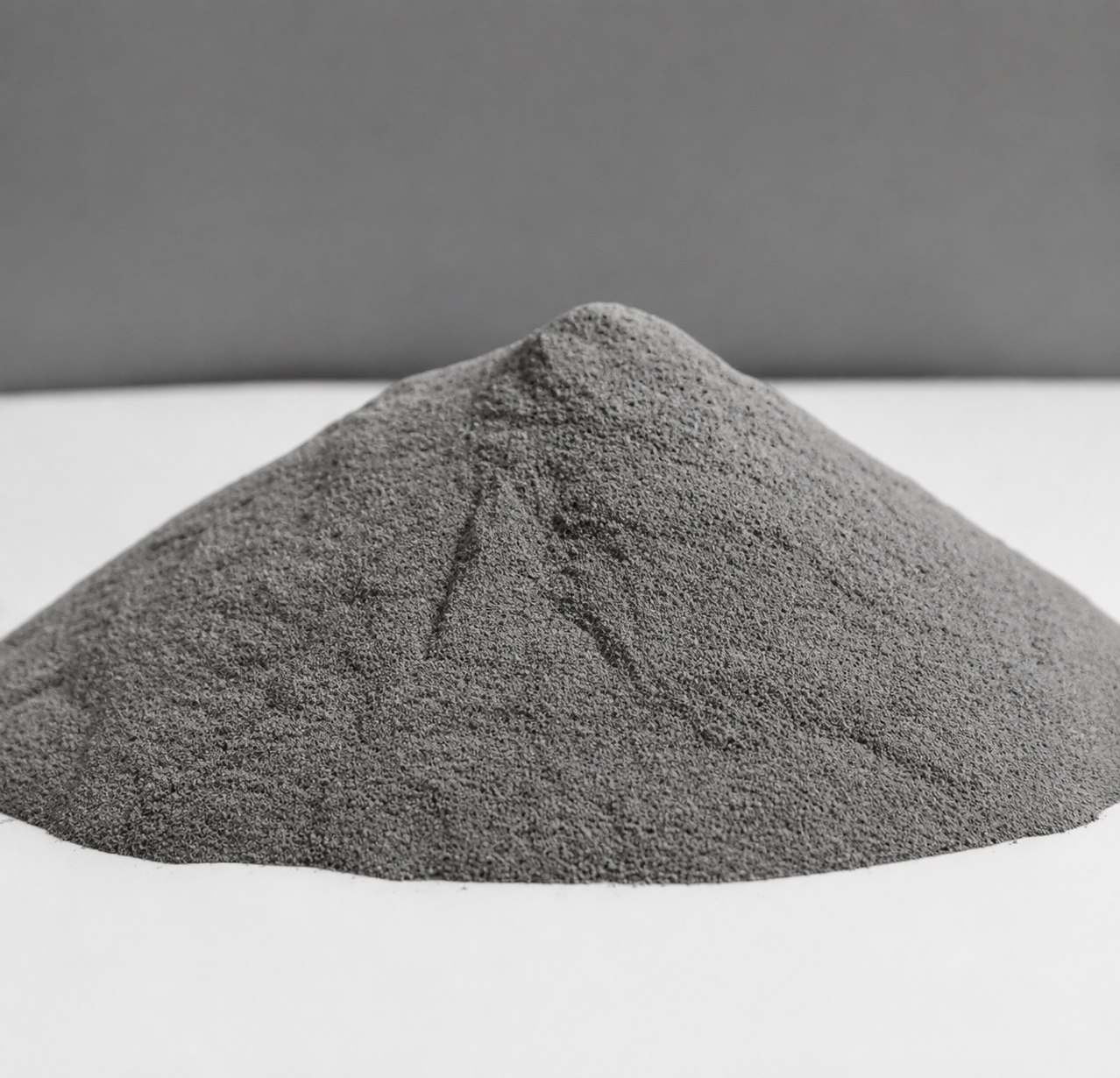
Micro Silica Types: Quick & Clear Guide
Micro Silica (Silica Fume) is usually supplied in three main forms: Undensified, Densified, and Pelleted.
Although all three have the same chemical nature, they differ in bulk density, handling, dust control, and how easily they disperse in concrete.
Knowing the differences helps you choose the right type for better mixing performance, easier transportation, and more efficient use in concrete production.
Types of Micro Silica Table:
| Type | Short Description |
| Undensified | The lightest and most powdery form, with excellent reactivity but difficult handling and higher dust generation. |
| Densified | A more compact form created for easier storage, transport, and batching while still maintaining strong performance in concrete. |
| Pelleted | A granulated form designed for cleaner handling and low dust, but it needs proper mixing to fully break down in the concrete mix. |
Main Types of Micro Silica Explained:
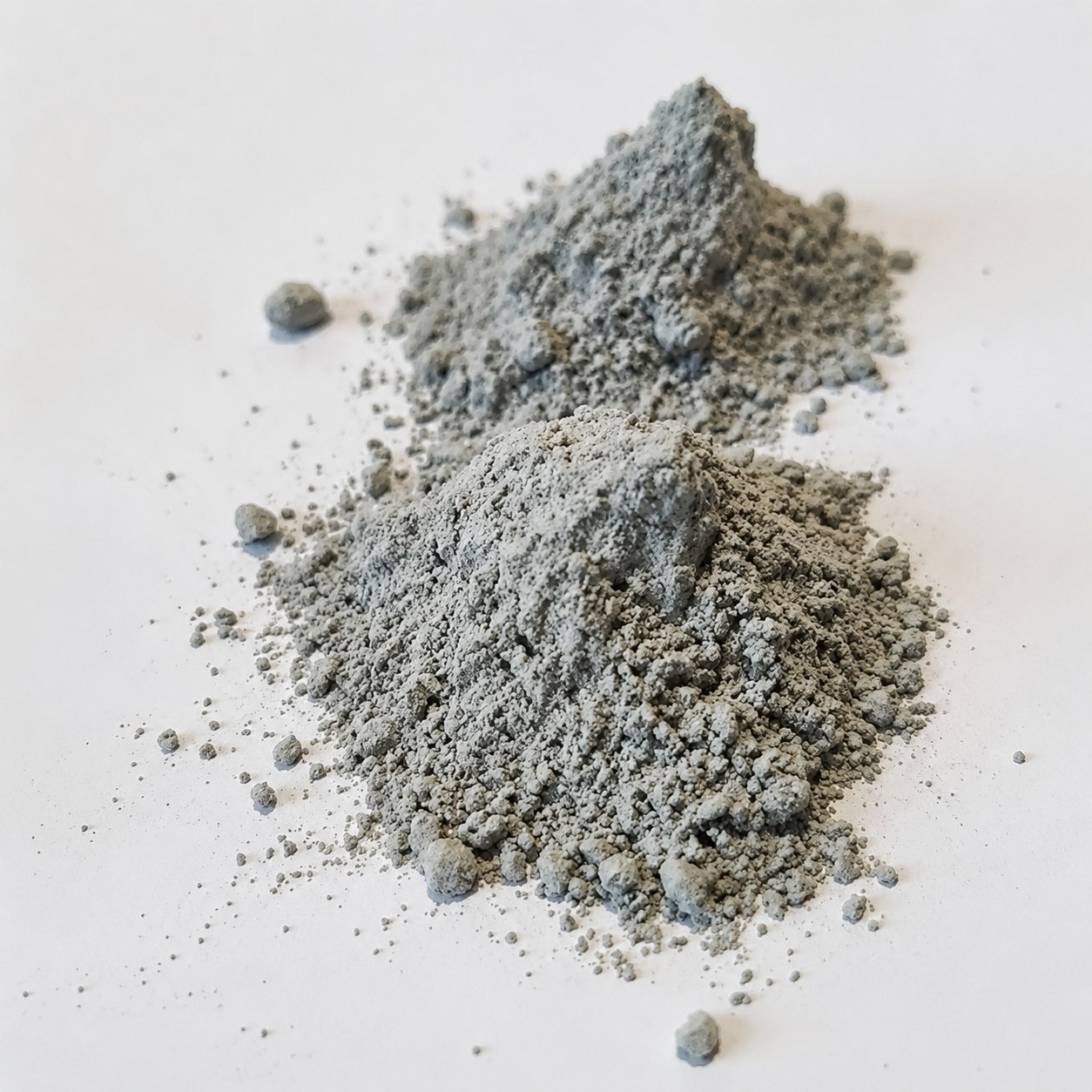
Different Forms of Micro Silica:
While Micro Silica always provides the same chemical benefits to concrete, it is commercially available in several physical forms. These variants are designed to address specific needs in logistics, storage, and mixing efficiency. Choosing the right form is key to achieving the desired high-strength and durable concrete.
- Undensified Form: This is the “raw” state of silica fume, appearing as an extremely fine and fluffy powder. It is highly reactive and disperses quickly in concrete, but its low bulk density makes it very dusty and expensive to transport.
- Densified Form: This is the most popular choice for the construction industry. By increasing the density of the powder, it becomes much easier to handle, produces less dust, and reduces shipping costs, all while maintaining its ability to improve concrete performance.
- Pelleted Form: In this form, the material is processed into small, hard granules. It is the cleanest form to handle (virtually dust-free), but it requires high-shear mixing to ensure the pellets break down completely and integrate into the concrete matrix.
Each form serves a specific purpose, whether you are prioritizing ease of transport or the fastest possible dispersion in your mix.

Key Features of Micro Silica Forms
Each type of micro silica offers unique properties in density, dust level, and ease of mixing, impacting how it fits into different concrete projects.

Common Uses for Each Type
Undensified works best in specialist mixes, densified suits most ready-mix operations is ideal when low dust and clean handling are priorities.

Choosing the Right Micro Silica
Selecting the proper form helps simplify transport, improve mixing, and maximize the benefits for your concrete’s strength and durability.
Physical Forms of Micro Silica in Concrete:
Three Common Types of Micro Silica:
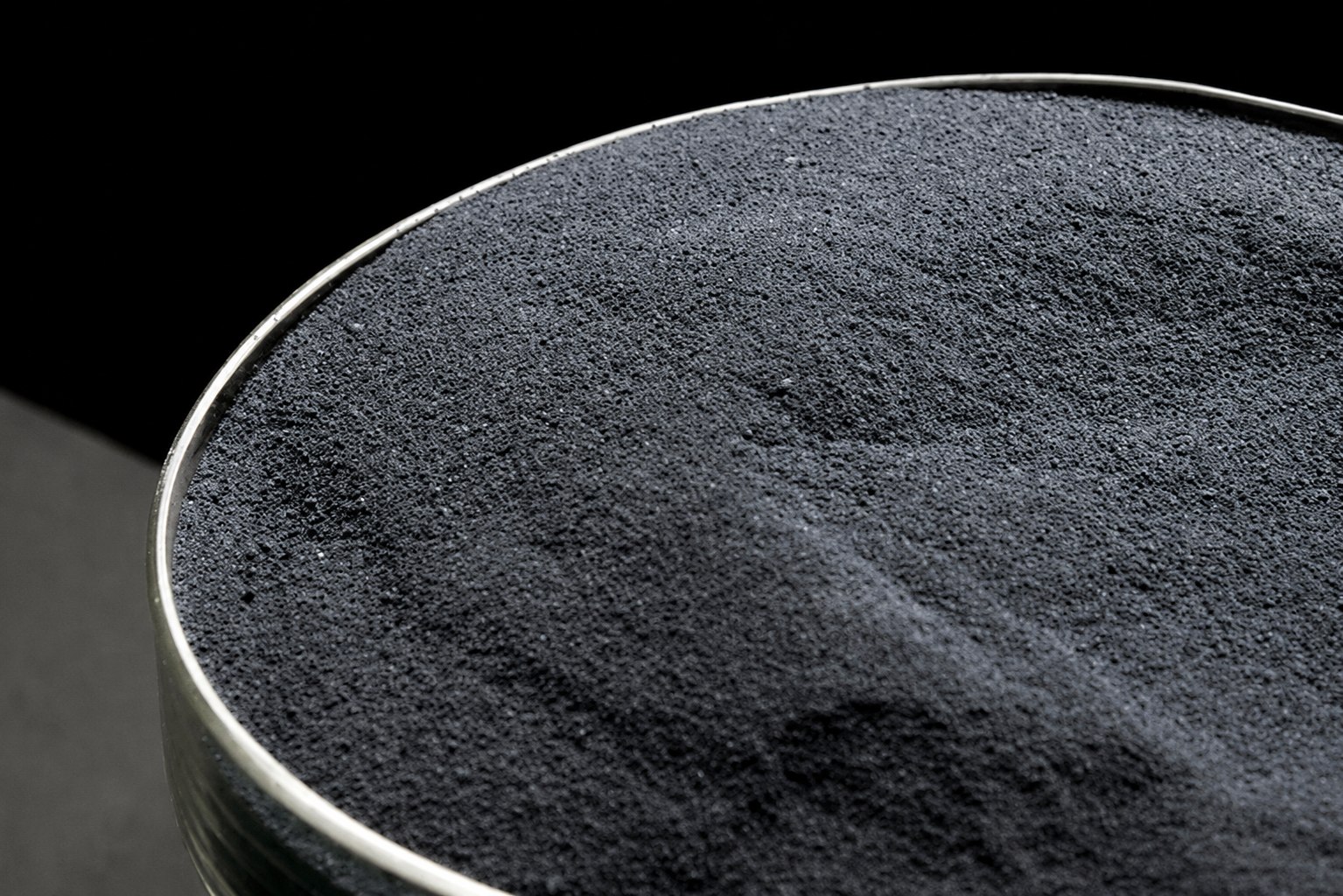
Micro Silica Types Used in Concrete Industry:
Understanding Micro Silica Variants:
Micro Silica Forms and Their Applications:
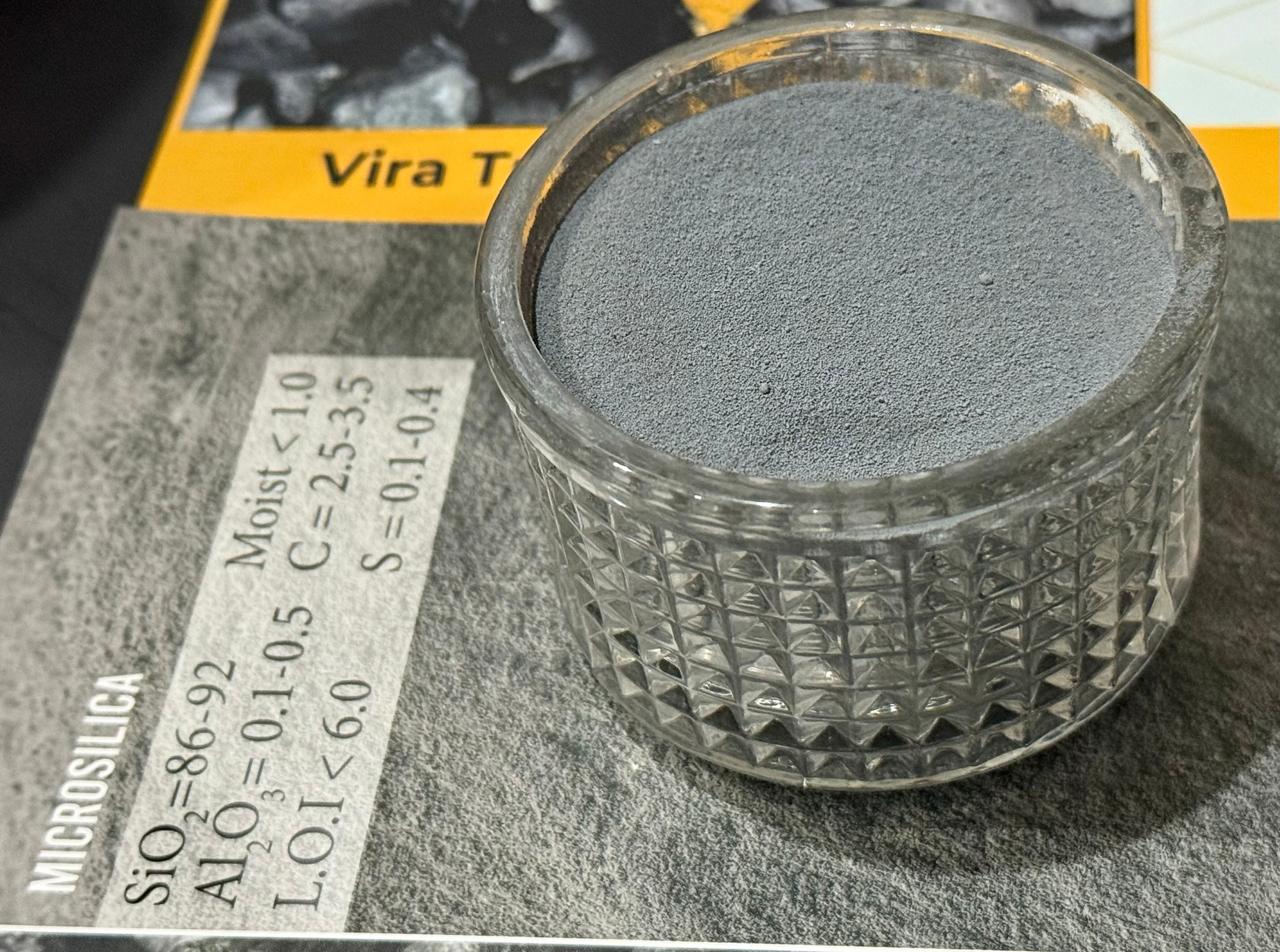
Emerging Trends in Micro Silica Use for 2026 and Beyond:
Micro Silica 2026: Expert Insights & Strategic Q&A:
Q1: Does densification affect the chemical reactivity of silica fume?
No. The chemical composition remains identical. However, the rate of reactivity can be slightly slower in densified and pelleted forms if not mixed with high energy. For maximum early-age reactivity in UHPC, undensified is still the gold standard.
Q2: Which form is most compatible with 3D Concrete Printing (3DCP)?
Undensified and finely densified forms are preferred. In 3DCP, consistent extrusion is key. Pelleted micro silica can sometimes cause nozzle clogging if even a single pellet fails to break down during the rapid mixing process.
Q3: How does the physical form impact a project’s Carbon Footprint (LCA)?
Surprisingly, Densified Micro Silica often has a lower overall carbon footprint for international projects. Because of its higher bulk density, you can ship 2-3 times more material in a single container compared to the undensified form, significantly reducing transport emissions.
Q4: Is Pelleted Micro Silica worth the potential mixing risks?
Only if your facility has high-shear mixers. The primary value of pelleted silica is “Zero Dust” and “High Efficiency Storage.” If you are working in an environmentally sensitive or urban area where air quality is strictly regulated, pelleted is your best option.

About the Author – Mahboubeh
Senior Metallurgist & Technical Director at Ferrosilicon.co