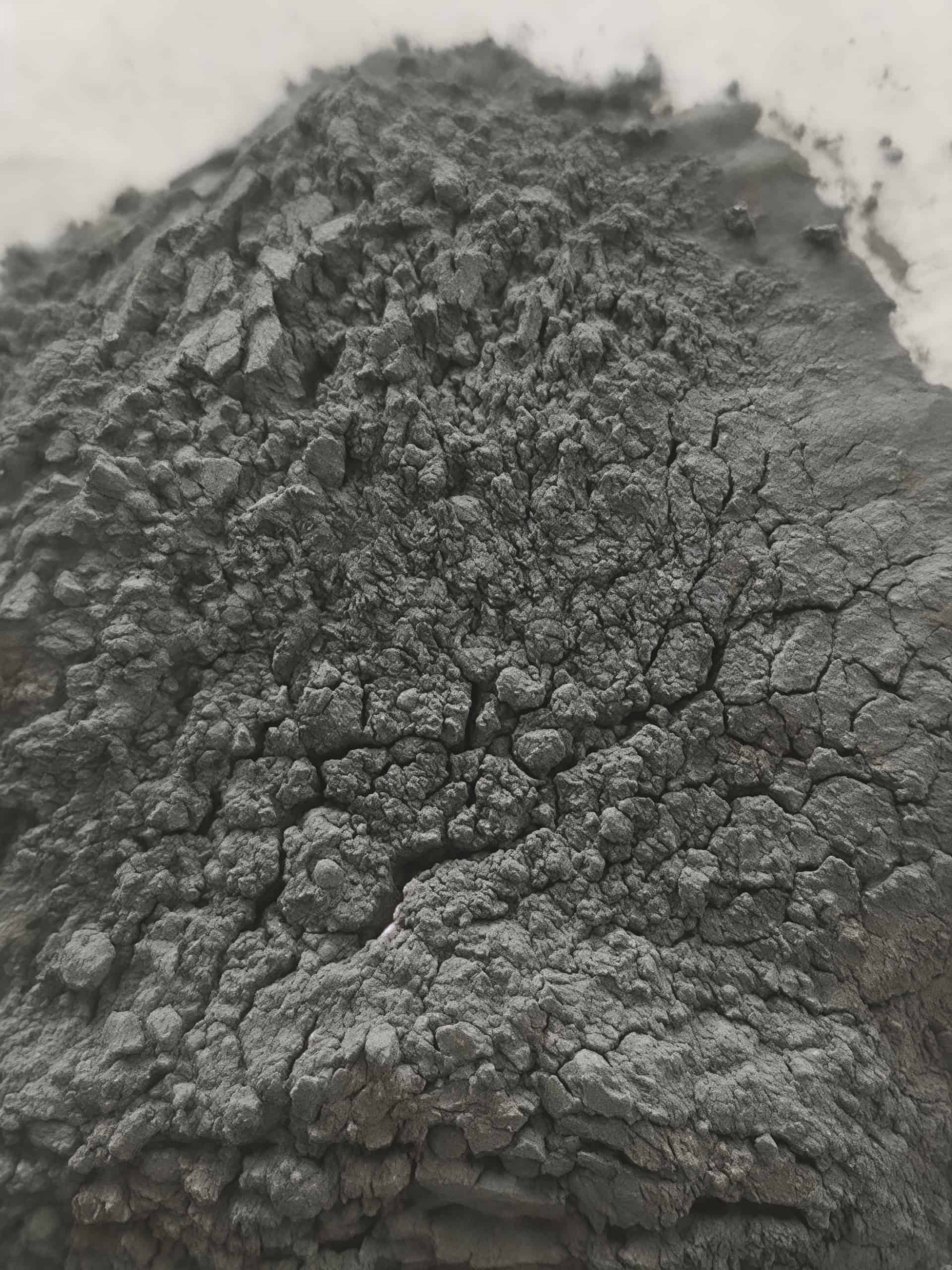
Ferro Silicon Powder Technical Overview:
Steelmakers, foundries, and welding electrode producers all rely on ferrosilicon powder — but it doesn't all perform the same way. How well it works in a given process comes down to three things: how it's made, how fine the particles are, and what shape they take.
Common Particle Sizes: 45 μm · 75 μm · 150 μm
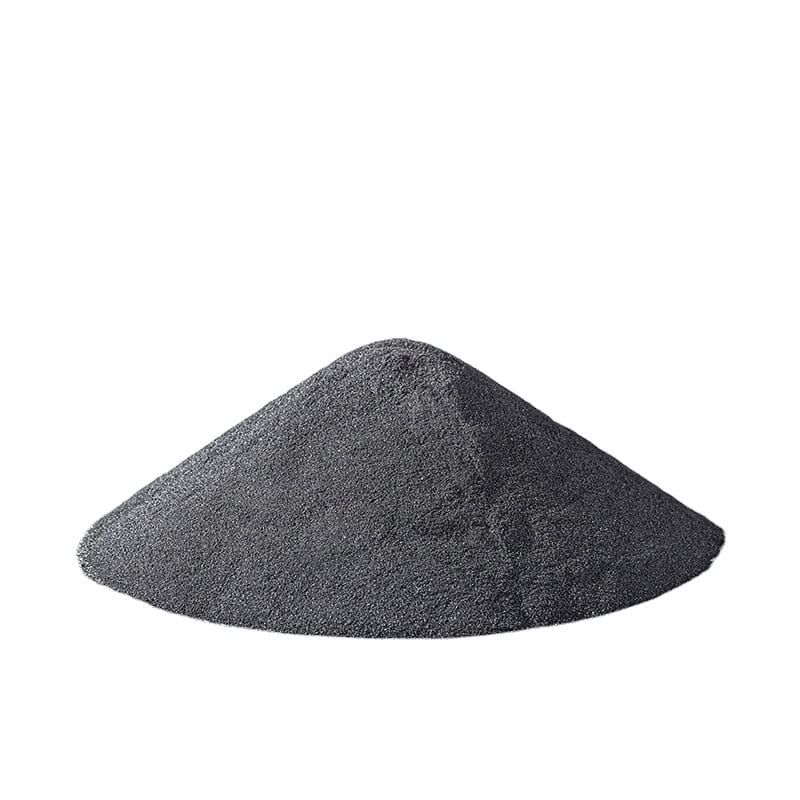
What Is Ferro Silicon Powder and How Is It Used in Steelmaking?
Ferrosilicon powder is simply ferrosilicon (FeSi) alloy — an iron-silicon compound — ground or atomized down into fine, controlled particles. In steelmaking, it works as a deoxidizer and alloying agent: it pulls oxygen out of molten steel and adds silicon in a controlled way. How well it does that job depends heavily on two things — the shape of the particles and how consistent their size is.
Compared with lump ferrosilicon, the powder form has far more surface area exposed to the melt, so it reacts faster with molten steel and slag. That's why it's the material of choice whenever a process needs tight control over melting speed and silicon recovery.
Role of Ferro Silicon Powder in Steelmaking
Ferrosilicon powder earns its place in both primary and secondary steelmaking through a few key jobs:
Influence of Powder Form on Metallurgical Performance
How this powder is shaped and sized changes how it performs on the shop floor:
Typical Steelmaking Applications
Ferro silicon powder is commonly applied in:
- Ladle metallurgy refining
- Controlled silicon addition during tapping
- Alloy correction in low-carbon and electrical steels
- Injection-based metallurgical systems requiring precise dosing
In powder form, it helps producers get more silicon into the melt while losing less heat and keeping the process steady.
Why Steelmakers Use Powder Instead of Lump Ferrosilicon
On the shop floor, many steelmakers reach for powder over lump ferrosilicon at certain stages, simply because powder:
- Offers faster and more uniform dissolution
- Reduces segregation risks during alloy addition
- Improves control over silicon yield
- Supports automated and injection-based dosing systems
Put together, these advantages are why ferrosilicon powder has become a go-to material for steel plants focused on efficiency, consistent quality, and tighter process control.
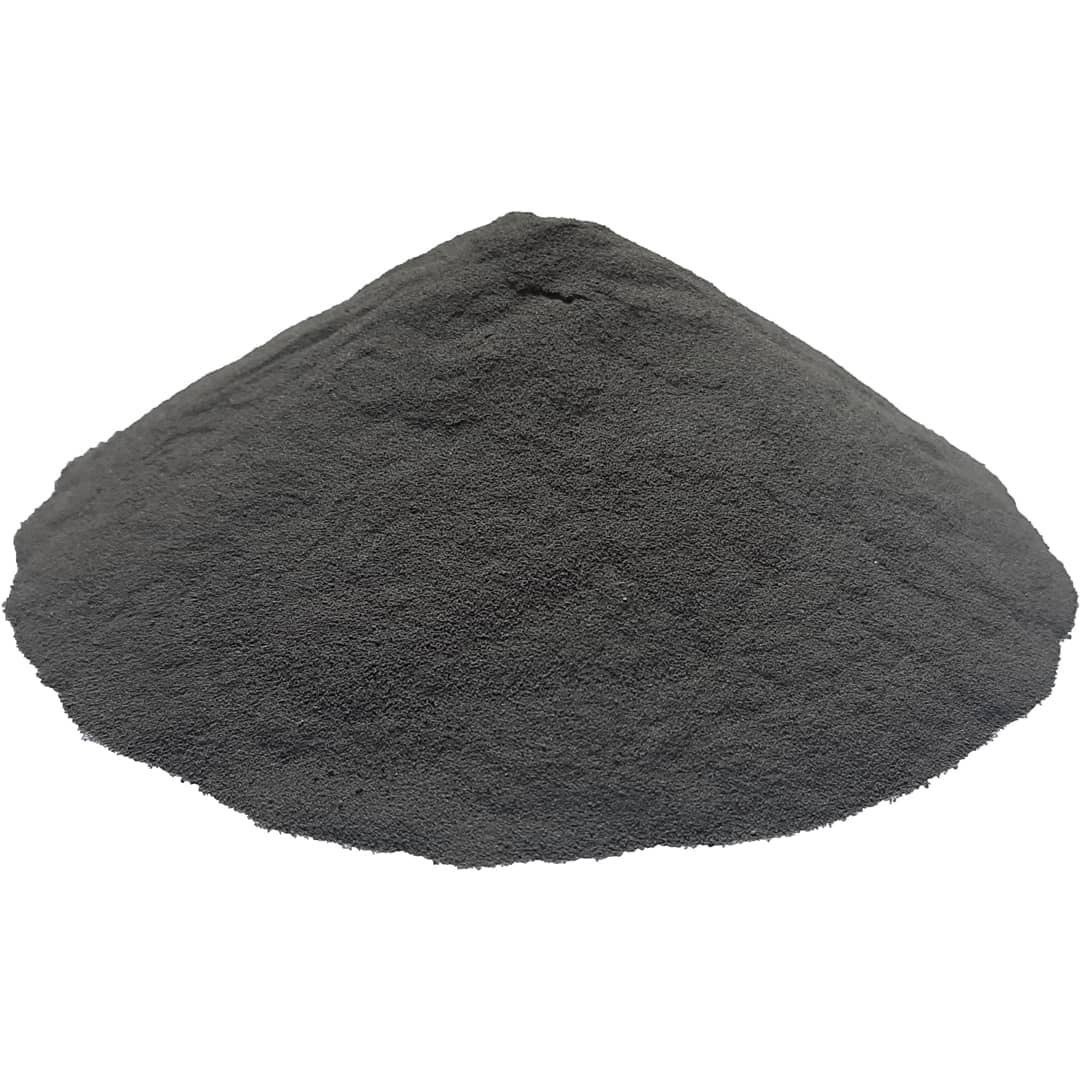
Milled vs Atomized Ferro Silicon Powder: Technical Differences
Milled and atomized ferrosilicon powder start from the same alloy, but they part ways in how they're made, what shape their particles end up in, and how they perform once they hit the melt.
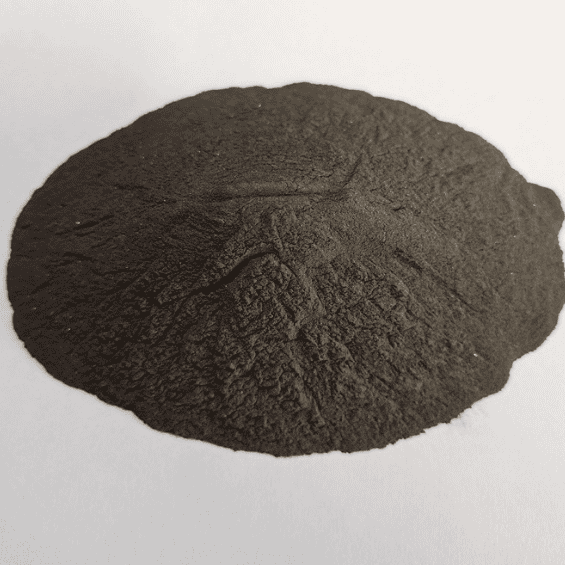
Milled powder comes from mechanically crushing solid ferrosilicon lumps, which leaves particles irregular, angular, and rough-surfaced. That roughness is actually useful: it reacts fast, so it works well anywhere quick silicon dissolution matters, like ladle metallurgy and deoxidation. The trade-off is more dust and somewhat trickier flow during handling.
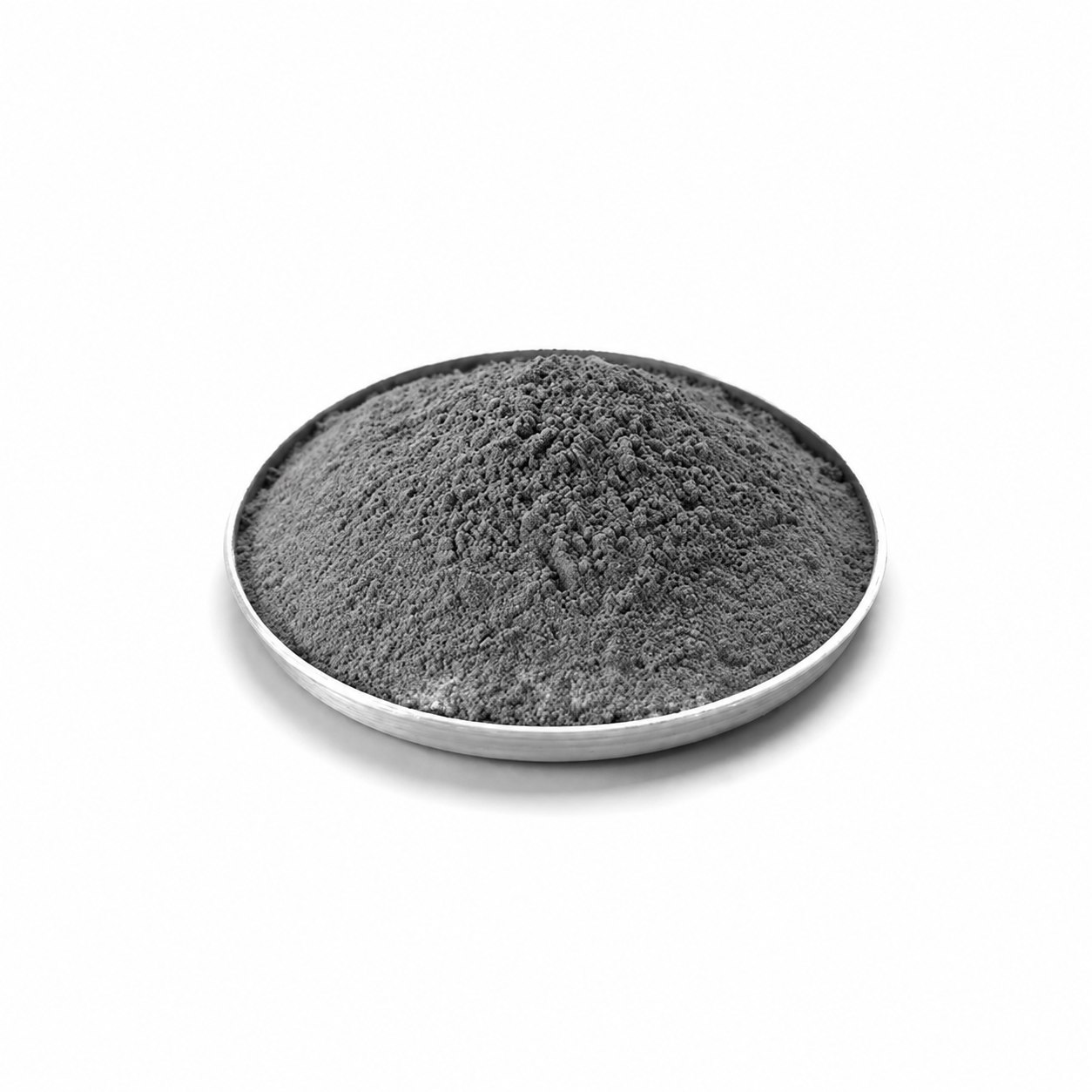
Atomized powder takes a different route: molten ferrosilicon is sprayed into fine droplets that solidify into smooth, near-spherical particles. That shape makes it flow far more easily, handle more safely, and feed more consistently — a big plus for automated injection systems. It reacts a touch slower than milled powder, but it gives operators better control and less material loss along the way.
In practice, milled powder tends to win out where cost matters more than precision, while atomized powder gets picked for tighter, automated, closed-loop processes. Buyers weighing the two side by side can look directly at our atomised ferrosilicon powder 15-45 and milled ferrosilicon powder 15-45 grades to see how each performs.
Feature-by-Feature Comparison
| Feature | Milled Ferro Silicon Powder | Atomized Ferro Silicon Powder |
|---|---|---|
| Production Method | Mechanical crushing of FeSi lumps | Melt atomization of liquid FeSi |
| Particle Shape | Angular, irregular | Near-spherical, smooth |
| Surface Area | High | Moderate |
| Reactivity in Steel | Higher, faster dissolution | Controlled, slightly slower |
| Flowability | Low to medium | High |
| Dust Generation | Higher | Low |
| Feeding Consistency | Variable | Very stable |
| Injection System Suitability | Limited | Excellent |
| Material Loss | Higher (oxidation, fines) | Lower |
| Typical Applications | Deoxidation, ladle additions | Wire feeding, powder injection |
| Cost Level | Lower | Higher |
Particle Size Distribution of Ferro Silicon Powder Explained:
Particle size distribution, or PSD, is essentially a map of what proportion of a powder batch falls into each size range — and it has an outsized effect on how the powder flows, reacts, and feeds during steelmaking.
Finer particles carry more surface area, so they react quickly, but they also generate more dust loss. Coarser particles are easier to handle and oxidize less.
Keeping PSD tightly controlled is what gives a plant consistent dissolution, steady injection rates, and metallurgical results it can actually predict, especially where feeding is automated. For processes that demand the tightest tolerances, our ferrosilicon 15 atomized powder and micronized ferro silicon Si 15 grades are produced to controlled, narrow PSD bands.
How Particle Size Affects Reactivity and Dissolution Rate
Particle size drives reactivity almost directly: smaller particles expose more surface area to the melt, so they react faster and get absorbed into the steel more quickly.
Go too fine, though, and oxidation and material loss start creeping up before the powder ever fully dissolves. Coarser particles dissolve more slowly, but they hold up better and waste less material.
The sweet spot is a PSD that balances the two — enough fineness for good silicon recovery, without losing control of the reaction.
Industrial Applications of Ferro Silicon Powder:
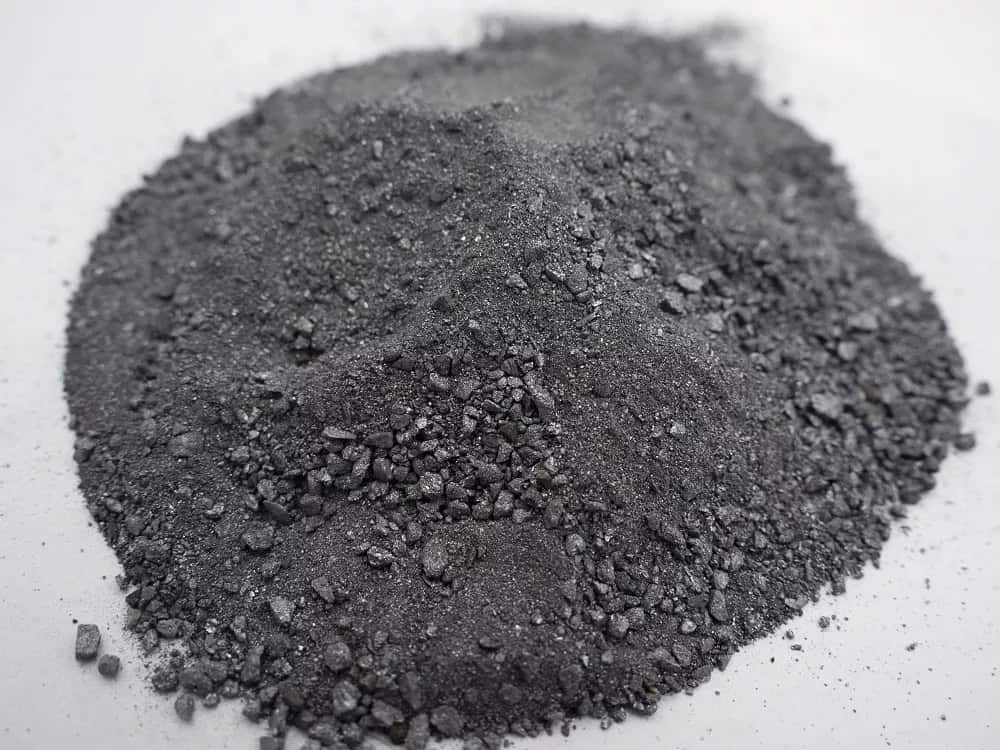
Steelmaking is still ferrosilicon powder's main home: it deoxidizes the melt and adjusts silicon content to keep the steel clean and on-spec. You'll find it dosed carefully in ladle metallurgy and secondary refining, and fed automatically in systems built to cut material loss and keep the process stable. Outside of steel, it also shows up in foundry work and other specialty metallurgical processes that need a fast-reacting alloy.
Typical Specifications of Commercial Ferro Silicon Powder:
Here's what buyers can typically expect from commercial-grade ferrosilicon powder Si 45 and similar grades:
| Parameter | Typical Range | Notes |
|---|---|---|
| Silicon (Si) Content | 65–75% | Most common commercial grades |
| Iron (Fe) Content | Balance | Remainder after silicon |
| Aluminum (Al) | 0.5–2.0% | Affects deoxidation behavior |
| Carbon (C) | ≤ 0.2% | Lower levels preferred for steel |
| Calcium (Ca) | ≤ 0.3% | Improves inclusion modification |
| Phosphorus (P) | ≤ 0.05% | Controlled for quality steel grades |
| Sulfur (S) | ≤ 0.02% | Low sulfur required for clean steel |
| Particle Size Range | 0–3 mm / 0–1 mm | Based on application |
| Bulk Density | 1.2–1.6 g/cm³ | Depends on particle shape |
| Standard Compliance | ISO / ASTM | Grade dependent |
VPA Certified Chemical & Particle Size Analysis:
The figures below come straight from Vira Pars Alloy Co. (VPA) production lab reports, covering both the FeSi 45% powder used in welding electrode manufacturing and the low-silicon grades used in Dense Media Separation (DMS).
Ferrosilicon 45% Powder — Chemical Analysis
| Element | Value |
|---|---|
| Si | 43 – 47% |
| Fe | Balance |
| C | 0.10% Max |
| Al | 1.50% Max |
| P | 0.01% Max |
| S | 0.01% Max |
Ferrosilicon 45% Powder — Screen Analysis
| Size (Micron) | Distribution % |
|---|---|
| 300 – 180 | 10 – 35 |
| 180 – 90 | 35 – 60 |
| 90 – 45 | 25 – 45 |
| 45 – 63 | 14 |
| -45 | 20 (Max) |
Ferrosilicon 45% — Particle Size Analysis (D-Values, µm)
| D3 | D6 | D10 | D16 | D25 | D50 | D75 | D84 | D90 | D97 | D98 |
|---|---|---|---|---|---|---|---|---|---|---|
| 32.4 | 43.2 | 53.6 | 66.2 | 82.3 | 125.7 | 185.3 | 219.6 | 254.2 | 331.2 | 355.2 |
Ferrosilicon Powder Grades for Dense Media Separation (DMS)
These grades cover the full DMS spectrum — from ferrosilicon 15 for manganese DMS circuits and ferrosilicon for lead-zinc DMS plants to ferrosilicon for diamond DMS recovery lines — with both a 270D equivalent ferrosilicon DMS option and a more reactive, angular milled ferrosilicon 15 DMS grade for plants that prefer that particle behavior.
| Type | Fe | Si | Ti | Al | Density (g/cm³) |
|---|---|---|---|---|---|
| Fe-Si 15 | Balance | 14 – 16 | – | ≤ 1 | 6.5 – 7.1 |
| Fe-Si 53 | Balance | 14 – 16 | 3 – 5 | 2 – 5 | 6.5 – 7.1 |
| Fe-Si 103 | Balance | 12 – 15 | (TiO₂) 3 – 8 | 2 – 5 | 6.5 – 7.1 |
DMS Grades — Screen & Particle Size Analysis
| Type | -45 µm | +45–75 µm |
|---|---|---|
| Fe-Si 90%-45 | 90 ± 5 | 10 ± 5 |
| Fe-Si 70%-45 | 70 ± 5 | 30 ± 5 |
| Type | D3 | D6 | D10 | D16 | D25 | D50 | D75 | D84 | D90 | D97 |
|---|---|---|---|---|---|---|---|---|---|---|
| Fe-Si 90%-45 | 6.12 | 8.46 | 10.51 | 12.95 | 16.01 | 23.76 | 33.64 | 39.03 | 44.16 | 55.96 |
| Fe-Si 70%-45 | 3.00 | 6.74 | 9.75 | 13.11 | 17.46 | 42.16 | 49.18 | 56.06 | 72.11 | 76.52 |
Key Quality Parameters Buyers Should Evaluate:
Ferro Silicon Powder Price Range in the Global Market:
| Region | Typical Price Range (USD/MT) | Price Drivers |
|---|---|---|
| Europe | 1,350 – 1,650 | Energy costs, environmental regulations |
| East Asia | 1,200 – 1,450 | Production scale, domestic demand |
| South Asia | 1,100 – 1,350 | Raw material availability |
| Middle East | 1,250 – 1,550 | Logistics and import dependency |
| Global Average | 1,200 – 1,500 | Blend of regional factors |
Prices vary based on particle size distribution, production method (milled vs atomized), and packaging. Atomized powders command a premium due to better flowability and feeding efficiency, and transportation and energy costs influence prices more than raw silicon content. Values reflect indicative bulk B2B ranges, not spot offers or contractual pricing.
Export Regions, Packaging & Handling:
We regularly ship ferrosilicon and atomized powder to steelmakers, foundries, and DMS operators across the Middle East, CIS & Caucasus, Western and Eastern Europe, South, East, and Southeast Asia, and North Africa.
Packaging, Handling and Storage in Brief
Powder is packed in moisture-resistant kraft or lined jumbo (FIBC) bags to keep oxidation and moisture out during transport. Because the material is fine and metallic, proper grounding, dust control, and non-sparking equipment are essential handling practices. Storage should stay dry, ventilated, and temperature-stable, away from sunlight and open flames — the powder itself doesn't expire, but prolonged moisture exposure and rough handling during transport can hurt flowability and feeding consistency later on.
Common Technical Misunderstandings About Ferro Silicon Powder:
- Higher silicon content isn't automatically better — application fit and dissolution behavior matter more than the nominal Si% on the spec sheet.
- Not all fine powders behave the same — particle shape (angular vs spherical) changes flowability and feeding stability dramatically.
- Moisture affects more than storage — it can disrupt injection consistency and increase material losses.
- Packaging isn't just logistics — poor packaging directly drives oxidation, segregation, and complaints.
- Powder and lump ferrosilicon aren't interchangeable — they have very different feeding, dissolution, and safety profiles.
- Certification alone doesn't guarantee quality — documents without batch consistency offer false confidence.
Conclusion:
Picking the right ferrosilicon powder isn't just about the silicon percentage on a spec sheet. Performance, reliability, and operational safety come down to particle characteristics, production method, batch consistency, and packaging and storage practices that are easy to overlook.
Buyers who look at the full picture end up with lower metallurgical risk, better feeding efficiency, and more predictable results run after run. Ironically, most problems blamed on "material quality" actually trace back to a misunderstanding of how the powder behaves and is handled, not its chemistry.
In a market full of promotional claims, technical clarity — including knowing what to avoid — carries more real decision-making weight than marketing copy. A structured evaluation, realistic expectations, and specifications matched to the actual application remain the most effective tools for long-term procurement success.
Frequently Asked Questions:
Can I use milled ferrosilicon in welding electrodes to save on cost?
No. Milled FeSi is cheaper, but its jagged particles carry more surface moisture into the flux, risking delayed hydrogen cracking, and its abrasive nature wears down extrusion dies. Atomized FeSi 45% is the standard for electrode-grade quality.
Why is FeSi 15% used for DMS instead of standard FeSi 75%?
They serve opposite purposes. FeSi 15% is dense (SG 6.8–7.1 g/cm³) and magnetic, which lets it form a heavy medium and be recovered afterward. FeSi 75% is far lighter and non-magnetic, so it can't do either job.
How is delivery to Europe or MENA handled?
Through a Turkey hub: contracts and payment run via our Turkish partner entity, cargo ships CPT Bursa or FOB Istanbul, and onward trucking reaches most European destinations in 5–7 days, bypassing Red Sea delays.