
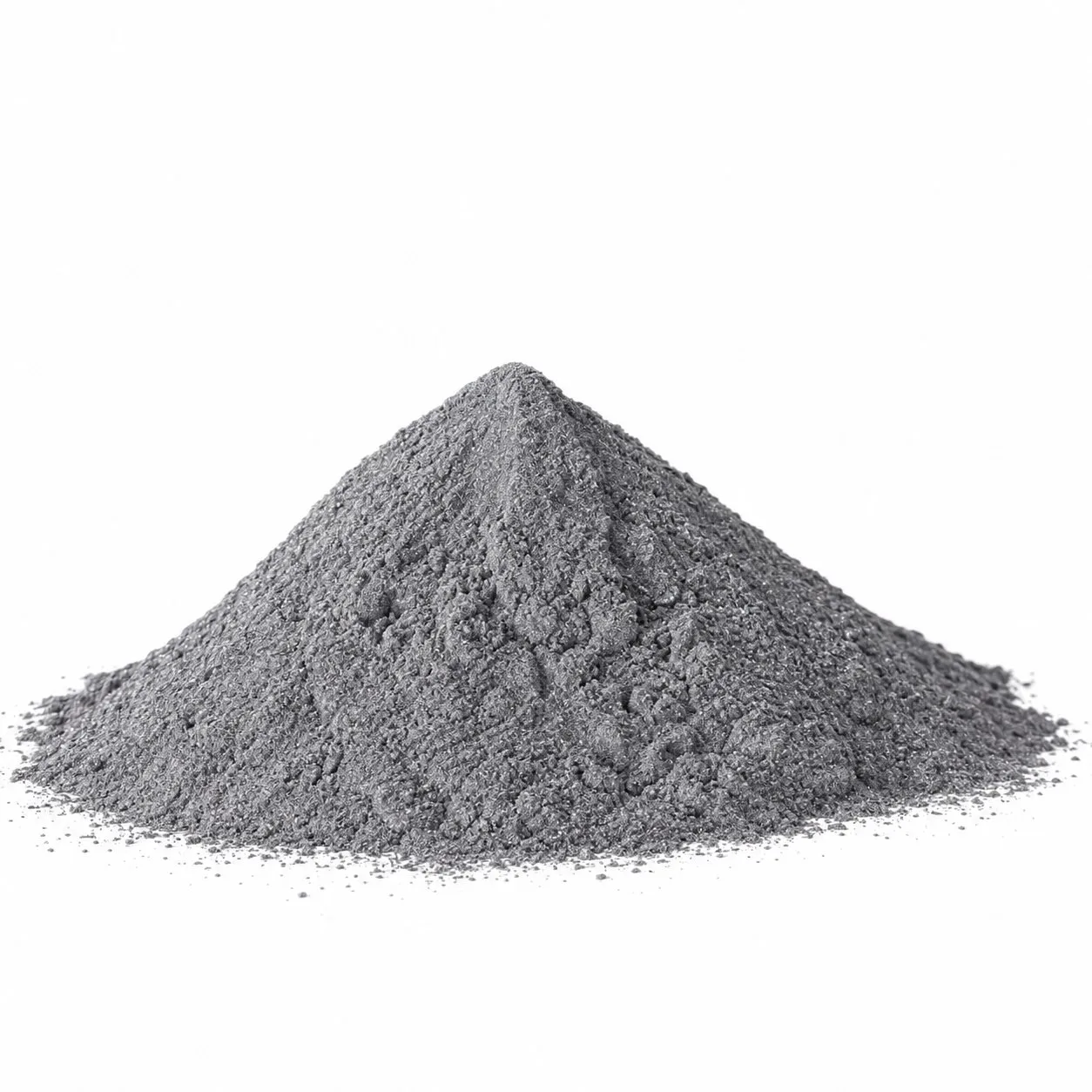
What Is Ferrosilicon 15% Used for in Manganese DMS?
Ferrosilicon 15% is used as the dense-medium material in Manganese Dense Media Separation (DMS). When milled FeSi is dispersed in water, it forms a controlled medium density that enables manganese-bearing material to be separated according to differences in density. To understand how this grade compares with the wider ferrosilicon (FeSi) family, see our full product overview.
For commercial DMS procurement, the important parameters are the FeSi grade, chemical composition, particle-size distribution, D90 and density rather than the product name alone.
Current COA, TDS and PSD analysis should be reviewed before approving a trial or bulk shipment.
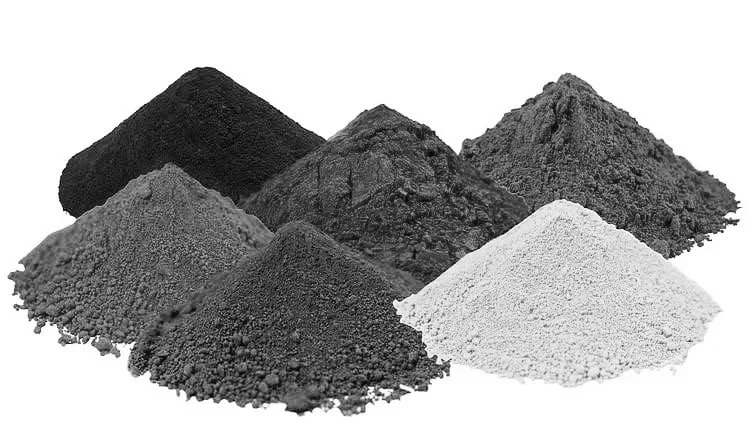
Ferrosilicon 15% Specifications for Manganese DMS:
The suitability of milled ferrosilicon for manganese Dense Media Separation should be evaluated against its chemical composition, particle size distribution and application-specific requirements. See our dedicated milled ferrosilicon powder 15–45 μm page for a deeper technical breakdown. The following specification provides a clear technical reference for procurement and plant evaluation.
| Parameter | FeSi 15% Specification | DMS Relevance |
|---|---|---|
| Silicon (Si) | 14–16% | Defines the target FeSi grade for the product. |
| Aluminium (Al) | ≤1% | Important chemical parameter for technical specification and quality control. |
| Particle Size Distribution | 90 ± 5% passing 45 μm | Helps define the milling profile and dense-medium behavior. |
| D90 | ≈ 44 μm | Provides a practical reference for the upper end of the specified particle-size distribution. |
| Product Form | Milled Powder | Designed for preparation and circulation within dense-medium separation systems. |
| Application | Manganese DMS / Heavy Media | Used as the dense-medium material in density-based separation. |
| COA | Available | Confirms batch-specific chemical and quality results. |
| TDS | Available | Provides the applicable technical product specification. |
| PSD Analysis | Available | Allows buyers to verify actual particle-size distribution before procurement. |
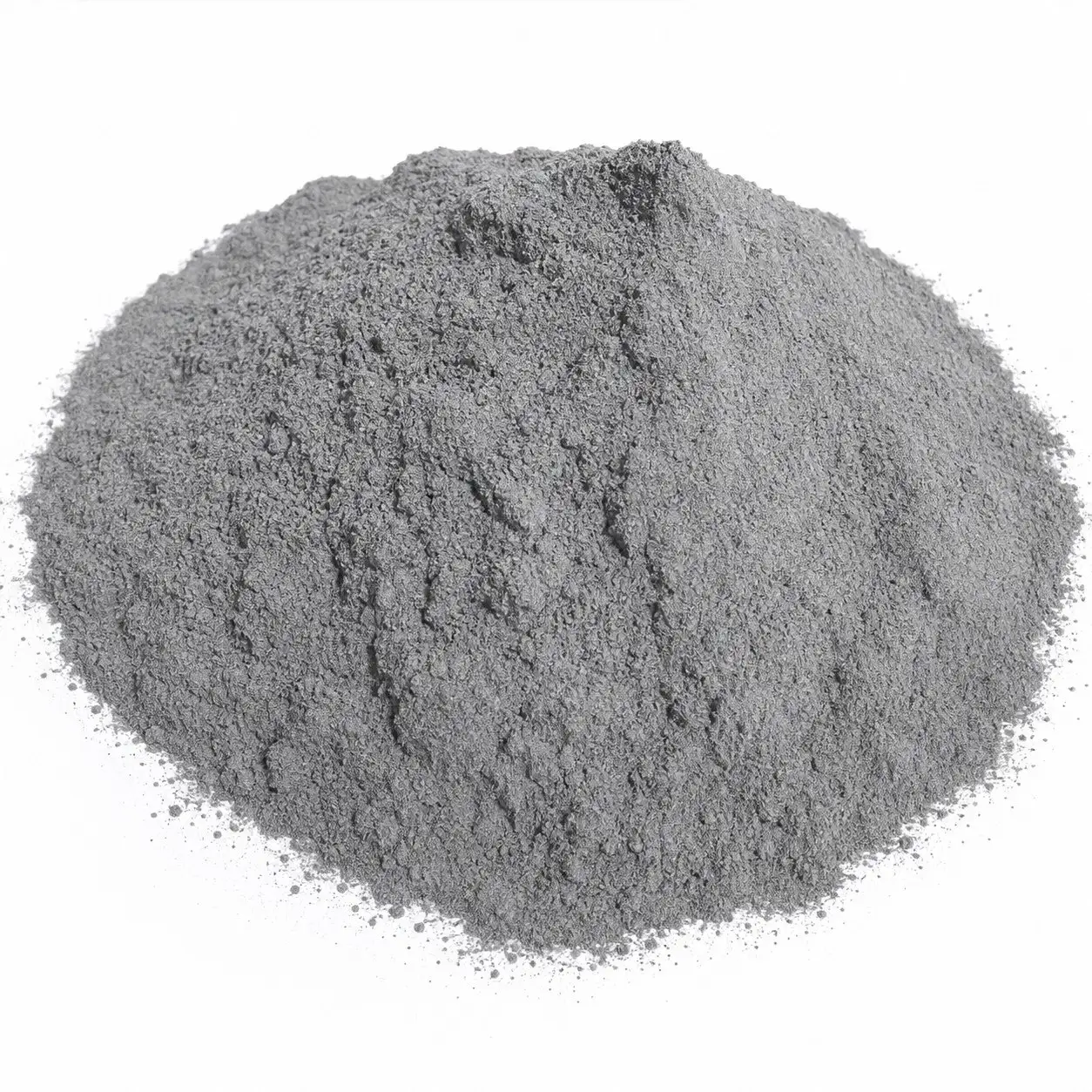
Particle Size Distribution of Milled Ferrosilicon for Manganese DMS:
Particle Size Distribution (PSD) is a key quality parameter when evaluating milled ferrosilicon for Dense Media Separation. The particle-size profile influences the behaviour of the ferrosilicon-water suspension, including medium stability, viscosity and separation performance. Buyers comparing production routes should also review the difference between milled vs. atomized ferrosilicon powder before selecting a grade. For this reason, DMS buyers should evaluate the actual PSD of each commercial batch rather than relying only on the nominal product grade.
Why PSD Matters in Manganese DMS
In a DMS circuit, milled ferrosilicon is mixed with water to form a dense suspension. The particle-size distribution of the FeSi contributes to the physical behaviour of this medium and therefore needs to be matched to the separation circuit and operating conditions.
A controlled and consistent PSD helps provide more predictable medium behaviour. However, finer is not automatically better: excessively fine material can increase medium viscosity, while the appropriate grade depends on the required separation conditions and plant design. Some operators prefer the atomised ferrosilicon powder 15–45 μm grade for tighter density control.
For procurement, the most useful approach is to compare the supplier's batch-specific PSD analysis with the plant's technical specification and operating requirements.
PSD requirements should be verified against the current TDS and batch-specific PSD analysis. The optimal ferrosilicon grade is determined by the DMS circuit, feed characteristics and required medium properties, not by fineness alone.
Key Technical Insights on Ferrosilicon 15% for Manganese DMS:
For manganese Dense Media Separation, ferrosilicon selection should be based on measurable technical parameters rather than product name or price alone. Buyers evaluating ultra-fine grades may also want to review our micronized ferrosilicon Si 15% specification. The following points summarize the key considerations for plant operators, technical teams and procurement managers evaluating FeSi 15% for DMS.
What is FeSi 15% used for in manganese DMS?
FeSi 15% is used as the dense-medium material in manganese Dense Media Separation. Milled ferrosilicon is dispersed in water to create a controlled-density medium, allowing manganese-bearing material to be separated according to density differences.
Why is milled ferrosilicon used in DMS?
Milled ferrosilicon provides a controlled particle-size distribution suitable for dense-medium preparation and circulation. Consistent milling and PSD are important for maintaining predictable medium characteristics during DMS operation.
What FeSi 15% specification should manganese DMS buyers check?
Buyers should verify the silicon content, chemical composition, particle-size distribution, D90 and density. The actual batch specification should always be confirmed through the current TDS and Certificate of Analysis (COA).
What particle size is important for manganese DMS FeSi?
For the FeSi 15% specification discussed here, the target particle-size distribution is 90 ± 5% passing 45 μm, with a D90 of approximately 44 μm. Batch-specific PSD analysis should be reviewed before procurement. Related coarser grades such as ferrosilicon powder Si 45% use a different sizing profile.
Does FeSi density matter in manganese DMS?
Yes. Dense-medium density is fundamental to DMS separation performance. The operating medium must achieve the required density for the plant's separation circuit, while the FeSi product itself should meet the technical specification established for that application.
What documents should be requested from an FeSi supplier?
A serious DMS procurement enquiry should include the latest COA, TDS and PSD analysis. Buyers should also confirm packaging, available quantity, destination, delivery terms and any plant-specific technical requirements.
How should buyers compare manganese DMS ferrosilicon suppliers?
Compare suppliers using verified chemical specifications, PSD consistency, documentation quality, available supply, packaging and logistics capability. Lowest price should not be the only procurement criterion when FeSi is a critical DMS consumable.
Is FeSi 15% suitable for every manganese DMS plant?
Not necessarily. The appropriate FeSi specification depends on the plant's DMS circuit, operating conditions and technical requirements. The supplier specification should therefore be evaluated against the plant's actual requirements before a bulk order.
FeSi 15% DMS Specification at a Glance
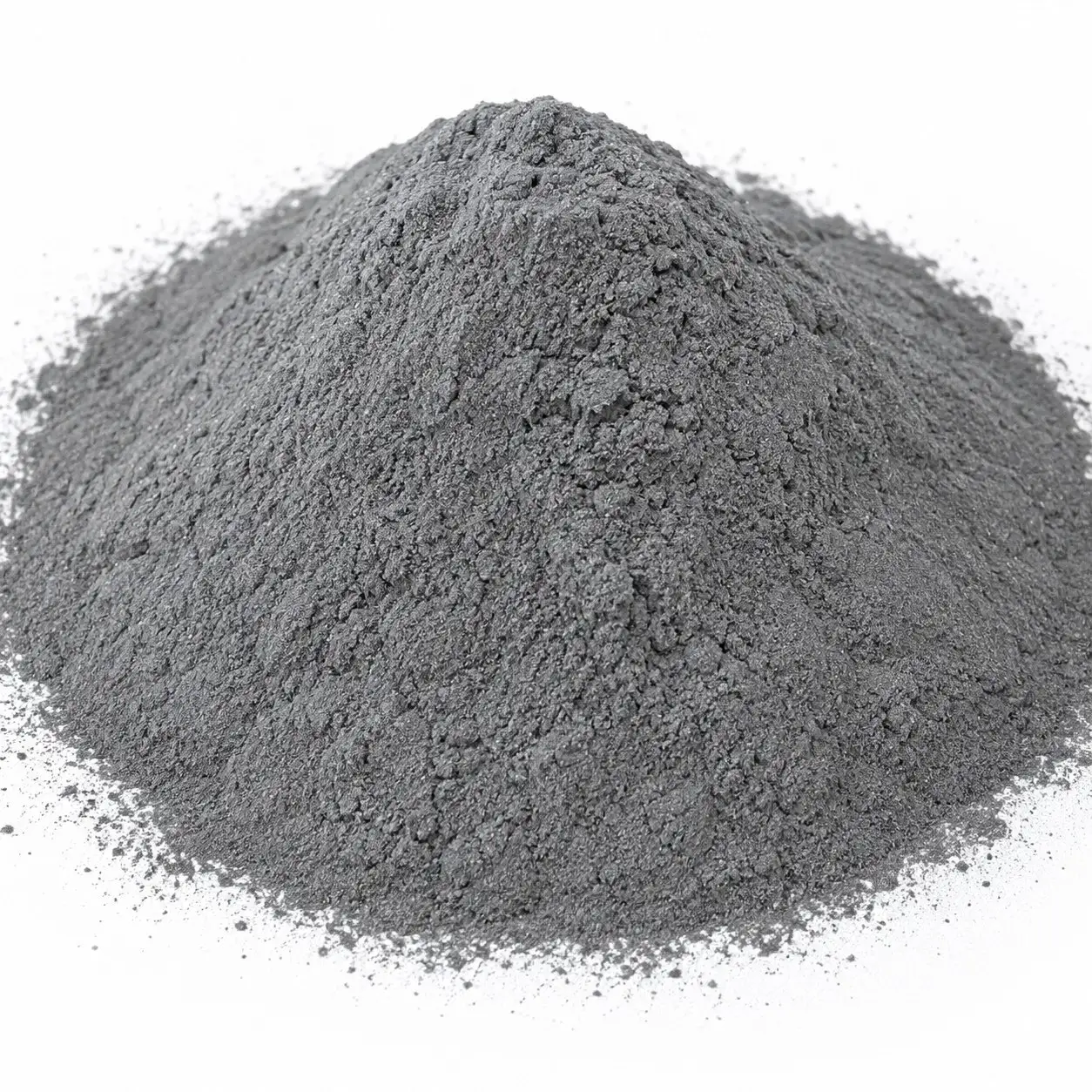
How Ferrosilicon Density Affects Manganese DMS Performance:
When manganese is processed through Dense Media Separation, ferrosilicon is not simply there to make the medium heavy. Its physical properties have a direct effect on how the medium behaves in the plant. The same density principles also apply to ferrosilicon for diamond DMS, another dense-medium application. The right FeSi helps operators reach the required separation density while keeping the medium stable and practical to operate.
Why Density Matters in a Manganese DMS Circuit
In a manganese DMS plant, milled ferrosilicon is mixed with water to create the dense medium used to separate material according to density. As the amount of FeSi in the suspension changes, the density of the working medium changes as well.
This is where the quality of the ferrosilicon becomes important. A consistent product makes it easier for the operator to control the medium and maintain the conditions needed for the separation process.
But simply choosing a very dense FeSi does not automatically mean better separation. The operating medium also has to remain stable and flow properly through the circuit. If the solids concentration becomes too high, viscosity can increase and the behaviour of the medium may change.
For a manganese producer, the practical question is therefore not just "How dense is the ferrosilicon?". The more useful question is whether the FeSi can consistently produce the required medium conditions in the actual DMS circuit.
When comparing FeSi suppliers, look beyond the nominal grade. Ask for the current TDS, COA and relevant physical-property data, then compare the product with the requirements of your own manganese DMS circuit. A consistent FeSi specification is much more useful than a headline density number on its own.
How to Select and Evaluate Ferrosilicon for a Manganese DMS Plant:
Choosing ferrosilicon for manganese DMS is not simply a matter of comparing the silicon percentage or asking for the lowest price. A reliable procurement decision should look at the product's chemistry, particle size, physical properties, documentation and the supplier's ability to deliver consistent material from batch to batch — including how it compares to a 270D-equivalent ferrosilicon for DMS.
| What to Evaluate | Why It Matters in Manganese DMS | What Buyers Should Request |
|---|---|---|
| FeSi Chemistry | The chemical composition affects the suitability of the material for the intended DMS application. | Current COA showing the actual batch chemistry. |
| Particle Size Distribution | PSD influences medium behaviour, stability and the way the milled FeSi performs within the DMS circuit. | Batch-specific PSD analysis and the supplier's target specification. |
| Particle Density | Particle density contributes to the preparation of the dense medium and should be considered together with solids concentration. | Physical-property data from the current TDS. |
| Consistency Between Batches | Stable product characteristics make it easier for operators to maintain predictable DMS conditions. | Recent COAs / QC records from multiple batches where available. |
| Technical Documentation | Proper documentation allows the plant's technical team to verify whether the material matches its operating requirements. | TDS + COA + PSD Analysis. |
| Packaging & Logistics | Packaging, loading and delivery conditions matter when ordering material for continuous DMS operation. | Packing details, available quantity and delivery terms. |
| Supplier Capability | A technically suitable product is only useful if the supplier can maintain quality and supply the required volume. | Production capacity, available stock and commercial references. |
Before placing a bulk order, compare the supplier's current TDS and batch COA with your plant specification. For a new supplier, a representative trial quantity can also help confirm that the FeSi behaves as expected under your actual DMS operating conditions.
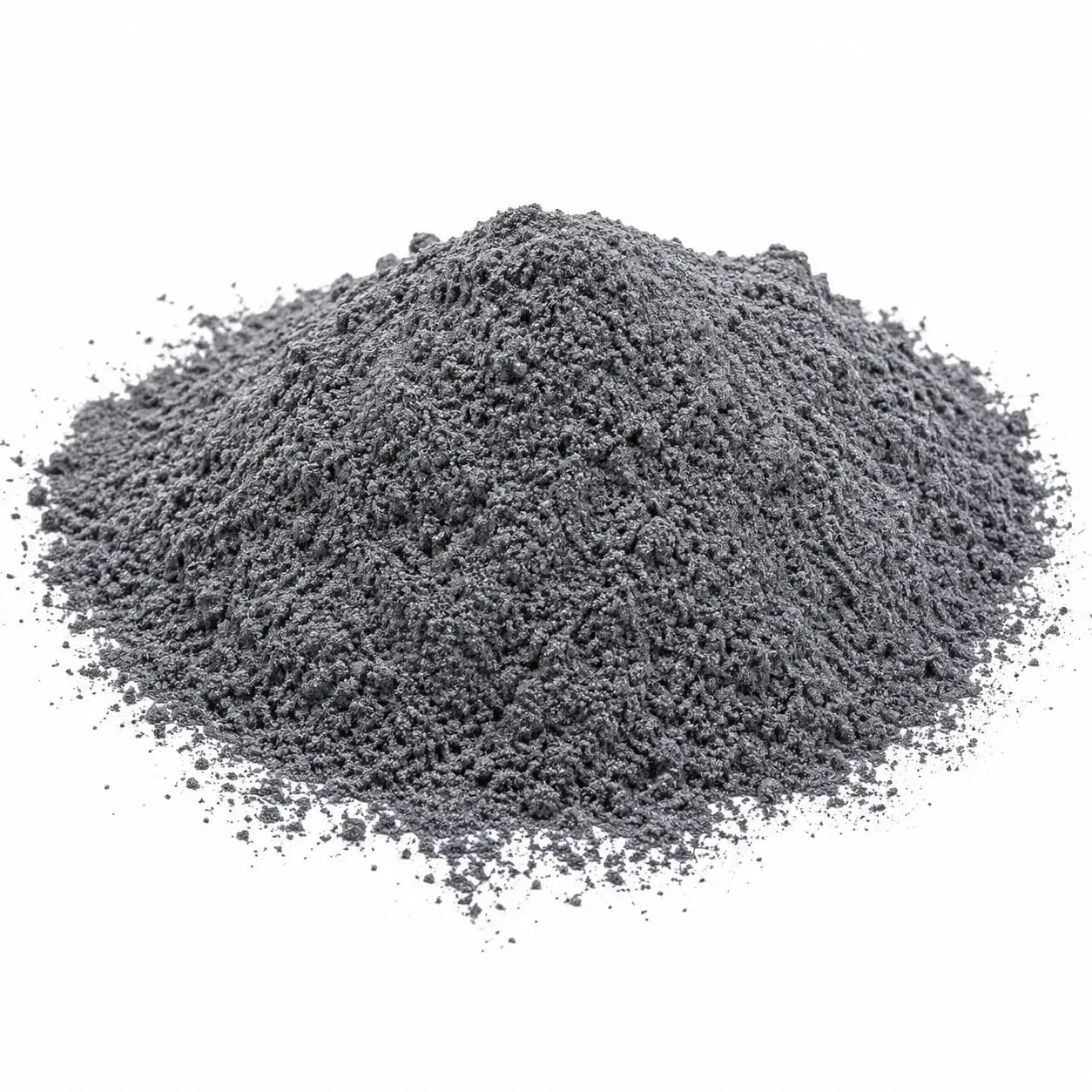
Buying Ferrosilicon 15% for Manganese DMS:
Buying ferrosilicon for a manganese DMS plant is not just about finding a FeSi product at the lowest price. The material needs to match the plant's technical requirements, particle-size profile and operating conditions — see our milled ferrosilicon 15% for DMS page for full details.
If you are evaluating FeSi 15% for manganese DMS, we can provide the current technical documentation, product specifications and commercial information needed for your procurement review, including our ferrosilicon 15% atomized powder alternative.
Choosing the Right Ferrosilicon for Manganese DMS:
Ferrosilicon 15% can be an important part of a manganese DMS circuit, but the right product should be selected based on the complete technical picture rather than the FeSi percentage alone. Particle size, particle density, medium behaviour and consistency between batches all matter when the material is used in a real separation plant.
For buyers, the best starting point is a current TDS and COA, together with the PSD information needed to compare the product with the plant's operating requirements. Once the technical fit is clear, quantity, destination, packing and delivery terms can be discussed directly with the supplier — and it's worth checking current market conditions on our ferrosilicon price per ton page before finalizing an order.