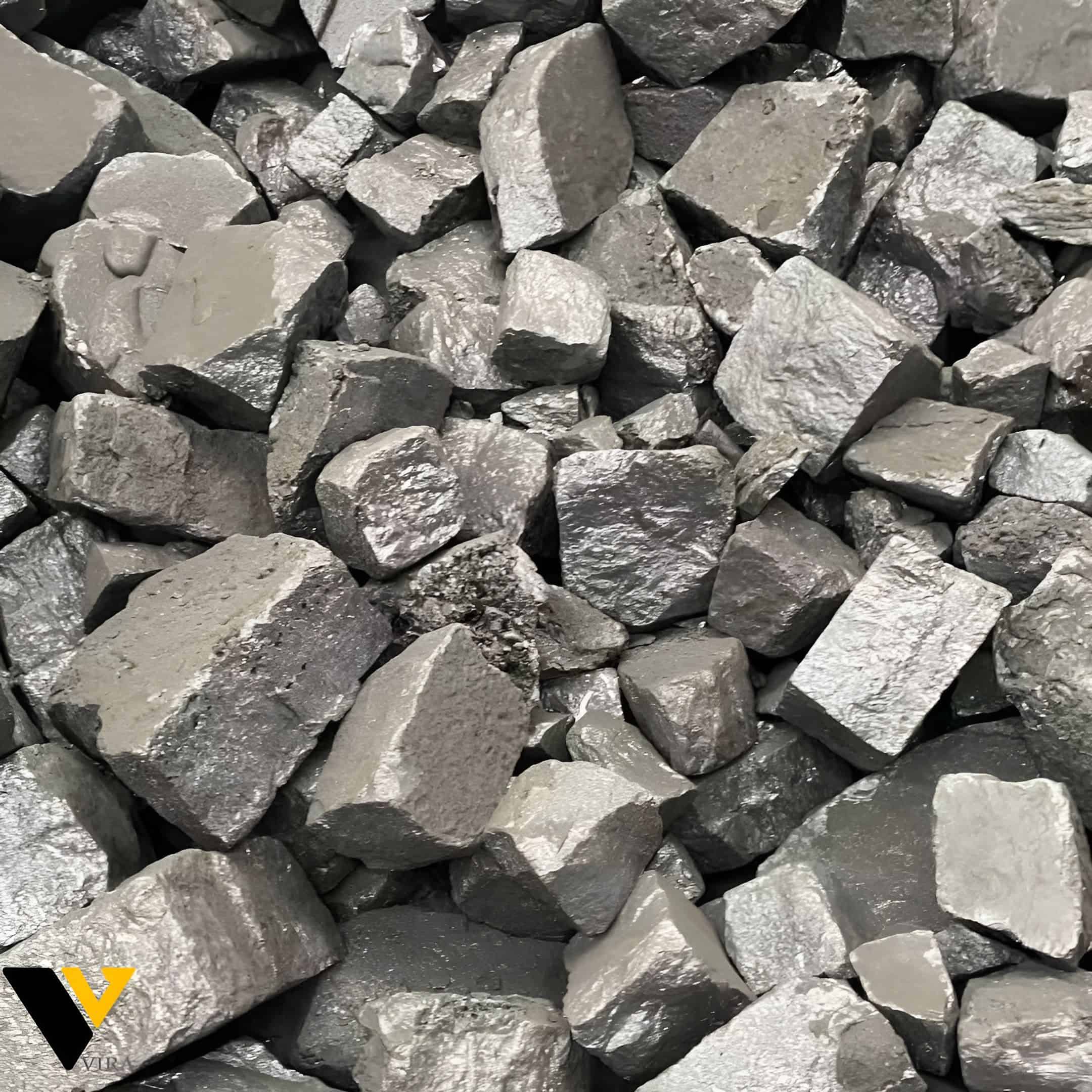
Ferrosilicon Price Per Ton 2026 | Manufacturer & Exporter
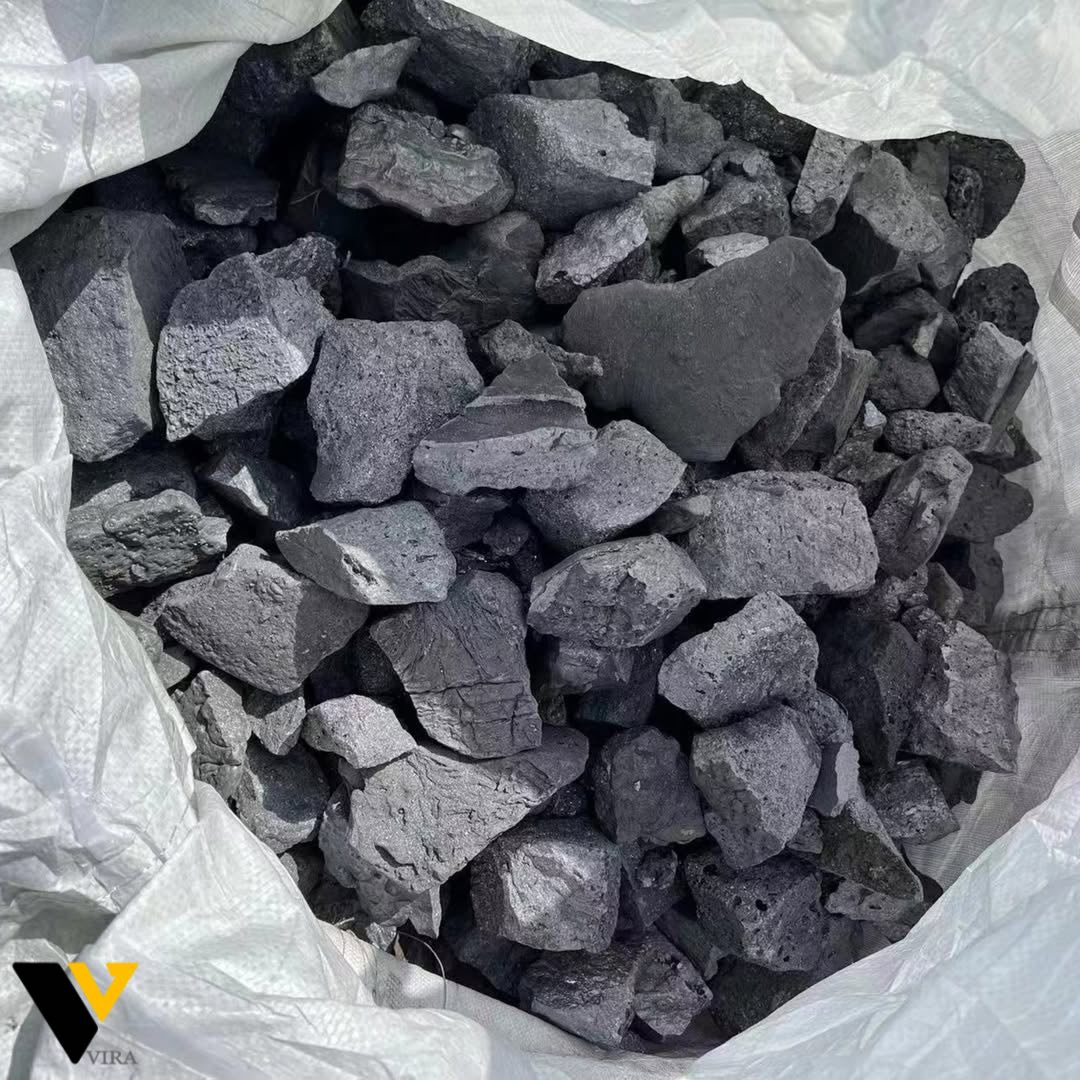
Ferrosilicon is one of the world's most important ferroalloys, widely used in steelmaking, foundries, and alloy production due to its excellent deoxidizing and alloying properties. In 2026, the global ferrosilicon price typically ranges from $680 to $1,250 per metric ton, depending on grade, silicon content, origin, and market conditions.
This comprehensive guide covers the latest 2026 ferrosilicon price per ton, industrial applications, chemical composition, export markets, and purchasing insights to help manufacturers, importers and steel producers make informed sourcing decisions.
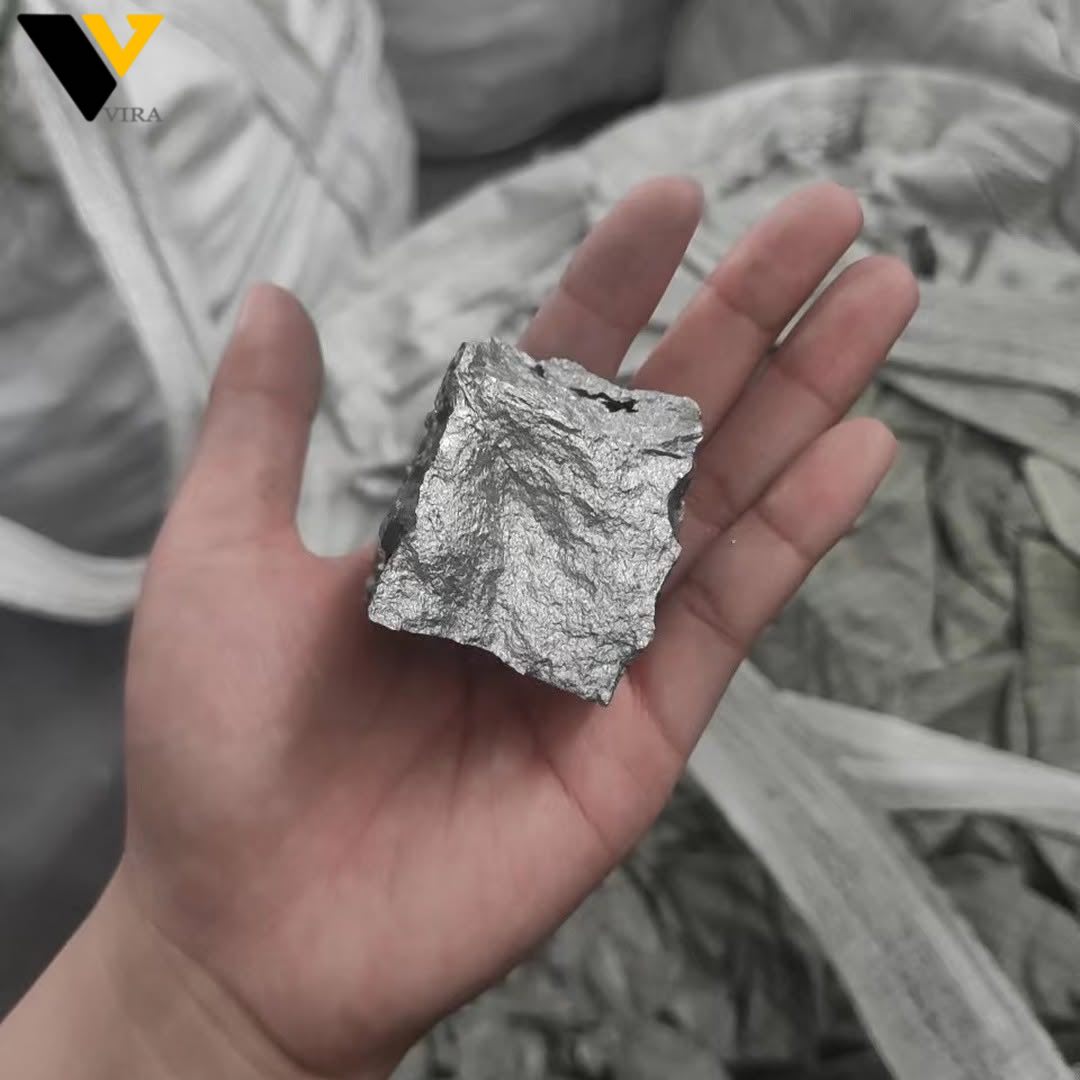
What is Ferrosilicon?
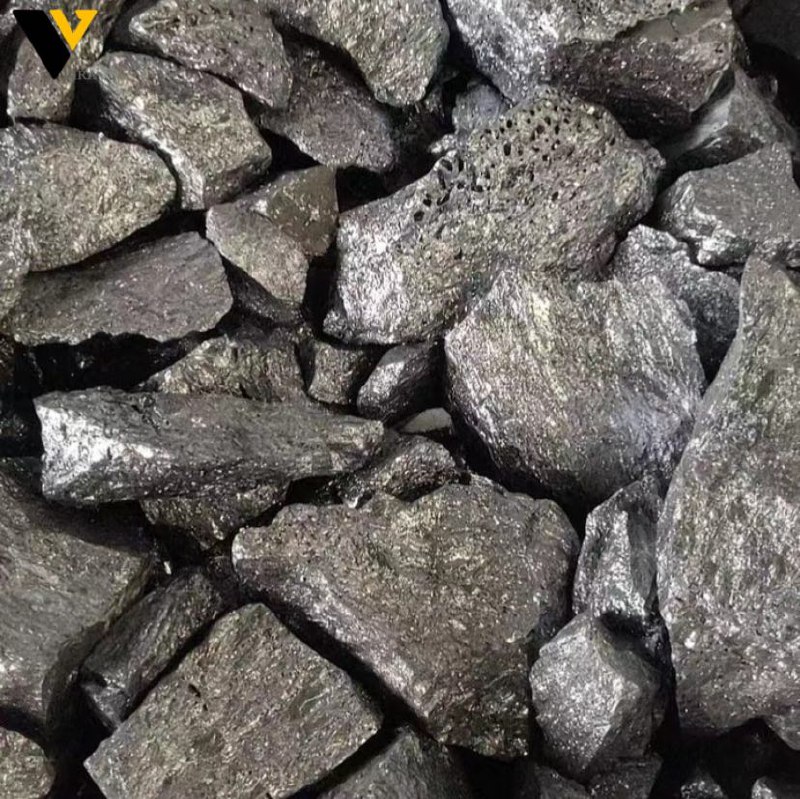
Ferrosilicon is an iron–silicon alloy typically containing 15% to 90% silicon. It is primarily used as a powerful deoxidizer in steel manufacturing and as an alloying element that improves strength, hardness, wear resistance and overall metallurgical performance.
Learn More About Ferrosilicon →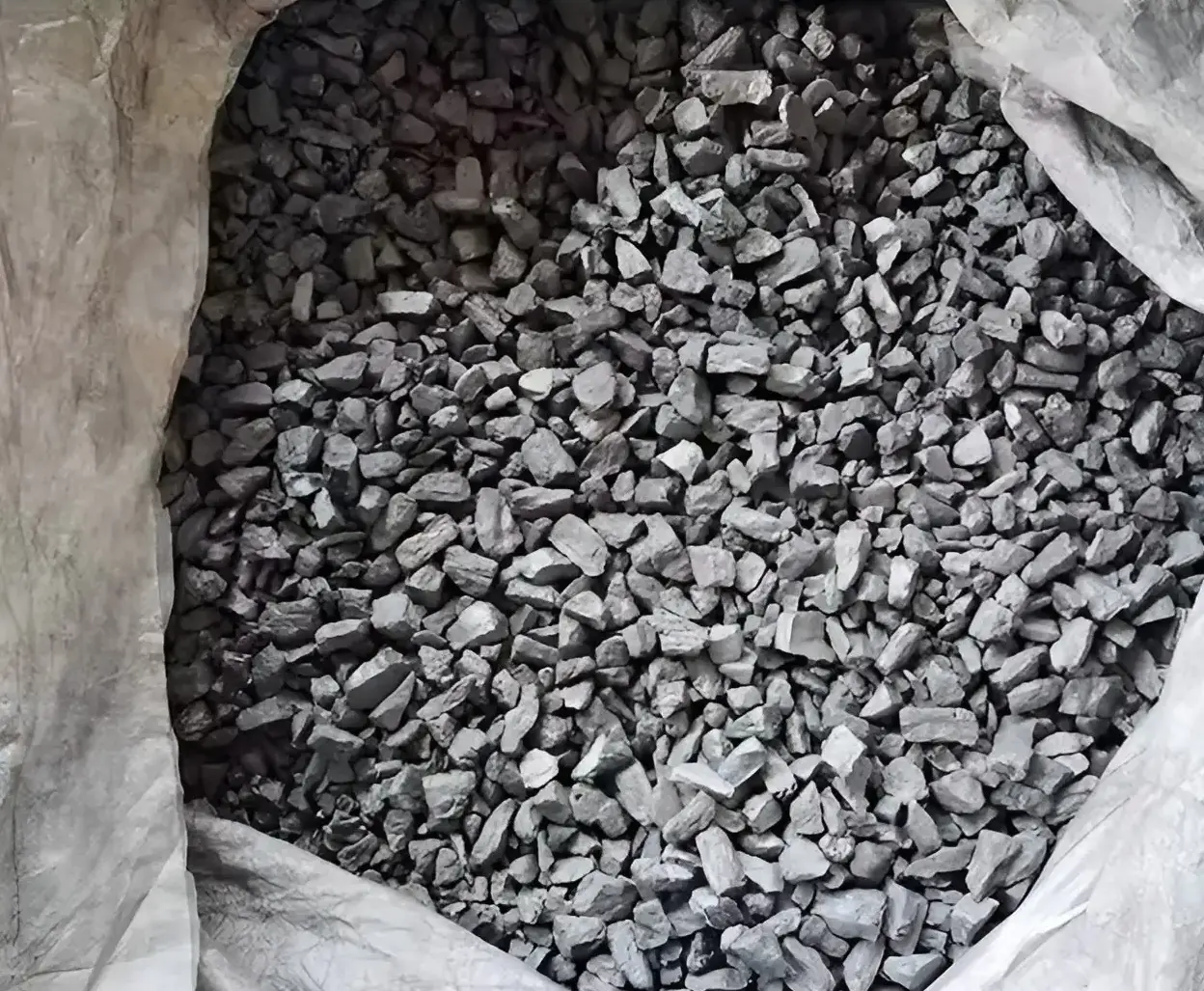
Global Market & Export Price Per Ton (2026)
Ferrosilicon export prices vary depending on silicon content, aluminum level, particle size, origin, packaging, and international market conditions. The following table provides indicative FOB export price ranges for major global markets.
| Product | Grade | Typical Size | Region | FOB Price (USD/MT) |
|---|---|---|---|---|
| Ferrosilicon | FeSi 65% | 10–50 mm | Middle East • Central Asia | $680 – $800 |
| Ferrosilicon | FeSi 70% | 10–60 mm | Persian Gulf • North Africa | $780 – $930 |
| Ferrosilicon | FeSi 72% | 10–60 mm | South Asia • East Asia | $820 – $970 |
| Ferrosilicon | FeSi 75% Standard | 10–60 mm | CIS Region • Eastern Europe | $850 – $970 |
| Ferrosilicon | FeSi 75% Low Al | 10–50 mm | Western Europe • North America | $880 – $980 |
| Ferrosilicon Powder | 75% | 0–3 mm | Southeast Asia • Sub-Saharan Africa | $780 – $880 |
| Micronized FeSi Powder | 75% | 45 μm | South America • Oceania | $900 – $1,050 |
| Atomized FeSi Powder | Heavy Media Grade | 45–325 Mesh | Southern Africa • South Asia | $1,000 – $1,250 |
Where Is FeSi Used?
From steel mills to mineral processing plants, ferrosilicon plays a critical role across heavy industry.
Magnesium Production
Ferrosilicon is an essential reducing agent in the Pidgeon process for producing magnesium metal. It reacts with calcined dolomite at high temperatures to extract magnesium vapor efficiently.
Cast Iron Inoculation
Ferrosilicon promotes graphite formation instead of cementite, improving ductility, machinability and reducing shrinkage defects in cast iron.
Steel Deoxidation & Alloying
Removes dissolved oxygen from molten steel, preventing porosity while improving strength, cleanliness and overall steel quality.
Specialty Silicon Alloys
Used in manufacturing silicon-manganese, silicon-magnesium and silicon-chromium alloys for automotive, aerospace and energy industries.
Arc Welding Electrodes
Improves arc stability, slag formation and weld quality while reducing porosity and atmospheric contamination.
Dense Media Separation
Atomized ferrosilicon is widely used in heavy media separation for diamonds and valuable mineral beneficiation.
Chemical Composition & Compounds
The main compounds in ferrosilicon include:
| Component | Typical Range (%) |
|---|---|
| Silicon (Si) | 65–90 |
| Iron (Fe) | Balance |
| Aluminum (Al) | 0.5–1.5 |
| Calcium (Ca) | 0.1–0.5 |
| Carbon (C) | 0.2–0.8 |
Industrial Applications of Ferrosilicon
- 🔧 Steel Production: Acts as a deoxidizer and improves strength.
- ⚙️ Cast Iron Manufacturing: Enhances casting quality and fluidity.
- 🔩 Magnesium Production: Used in the Pidgeon process.
- 🧲 Welding Electrodes: Aids in arc stabilization.
- 🔌 Atomized Ferrosilicon: Used in mineral processing and dense media separation.
- 🧪 Semiconductor & Specialty Alloys: High-purity grades for advanced materials.
Factors Affecting Ferrosilicon Price
Several factors drive ferrosilicon price fluctuations:
- Silicon Raw Material Costs
- Energy Prices (Electric Arc Furnace)
- Transportation & Freight
- Global Steel Demand
- Government Policies on Mining/Export
- Environmental Regulations
- Exchange Rates
Export from Eurasia: A Key Supplier
Iran is emerging as a competitive exporter of FeSi due to:
- Access to high-purity quartz and iron.
- Cost-effective energy and labor.
- Strategic location for Asian and European markets.
- Strong domestic production via companies like Persian Ferrosilicon and Vira Trading Co.
Persian Ferrosilicon (FeSi 72%–75%) is widely sought for its quality and price-performance balance.
Frequently Asked Questions
What is the current price of ferrosilicon per ton in 2026?
The price ranges from $680 to $1,250 per ton, depending on grade and origin.
What is ferrosilicon used for?
Mainly for steel deoxidation, casting, magnesium production, and alloying.
Which countries produce the most ferrosilicon?
China, Russia, Iran, Norway, and Brazil.
Can I import ferrosilicon from Eurasia?
Yes, Eurasia is a major exporter with competitive pricing and reliable quality for FeSi 72% and FeSi 75%.
Conclusion
Ferrosilicon remains a vital industrial material in 2026, with rising demand from steel producers, foundries, and specialty alloy manufacturers worldwide. As global steel output continues to expand and green-steel initiatives push mills toward cleaner, low-residual alloys, the role of consistent, well-specified ferrosilicon in the production chain is only becoming more important.
Prices per ton remain sensitive to a wide range of factors, including silicon content, aluminum level, particle size, raw material and energy costs, freight rates, exchange-rate movements, and broader geopolitical developments affecting supply routes. Buyers who track these variables closely are better positioned to time purchases and negotiate favorable long-term contracts.
For manufacturers, traders, and steel producers, understanding the product's chemical composition, grade options, and industrial applications is just as important as tracking price. Partnering with an experienced, quality-certified supplier that offers consistent specifications, reliable logistics, and flexible packaging can make a measurable difference in sourcing outcomes.
Working with established regional suppliers — backed by transparent specifications and proven export track records - gives buyers a real competitive advantage when sourcing ferrosilicon on the global market.
I need ferrosilicon delivered to Ankara.
5,000 tons/month.
Ferrosilicon 5000t monthly to Ankara
You have seller ?
I have an optical to this who is interested on this product, and they have the specification. And please, if you get this my information, this is my number. Contact me, please.+2348068679513