Ferrosilicon vs Other Ferro Alloys
This comprehensive guide explores ferrosilicon's unique properties, production methods, and market position compared with other ferro alloys.
Discover manufacturing processes, export opportunities, pricing factors and the role of ferrosilicon in modern steelmaking.
Whether you're a producer, trader or newcomer, this guide delivers practical insights for better decisions.
Start Now
What is Ferrosilicon?
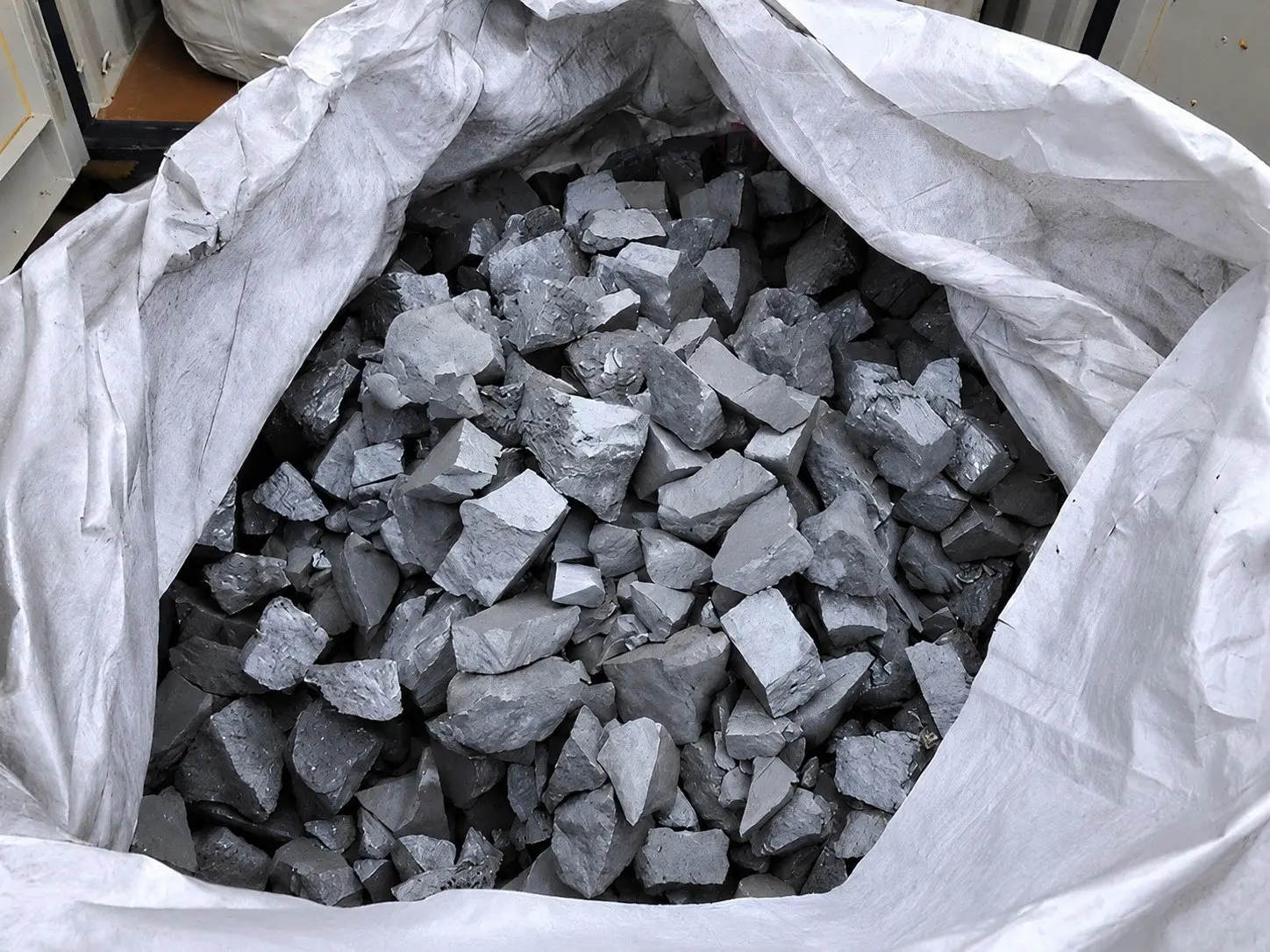
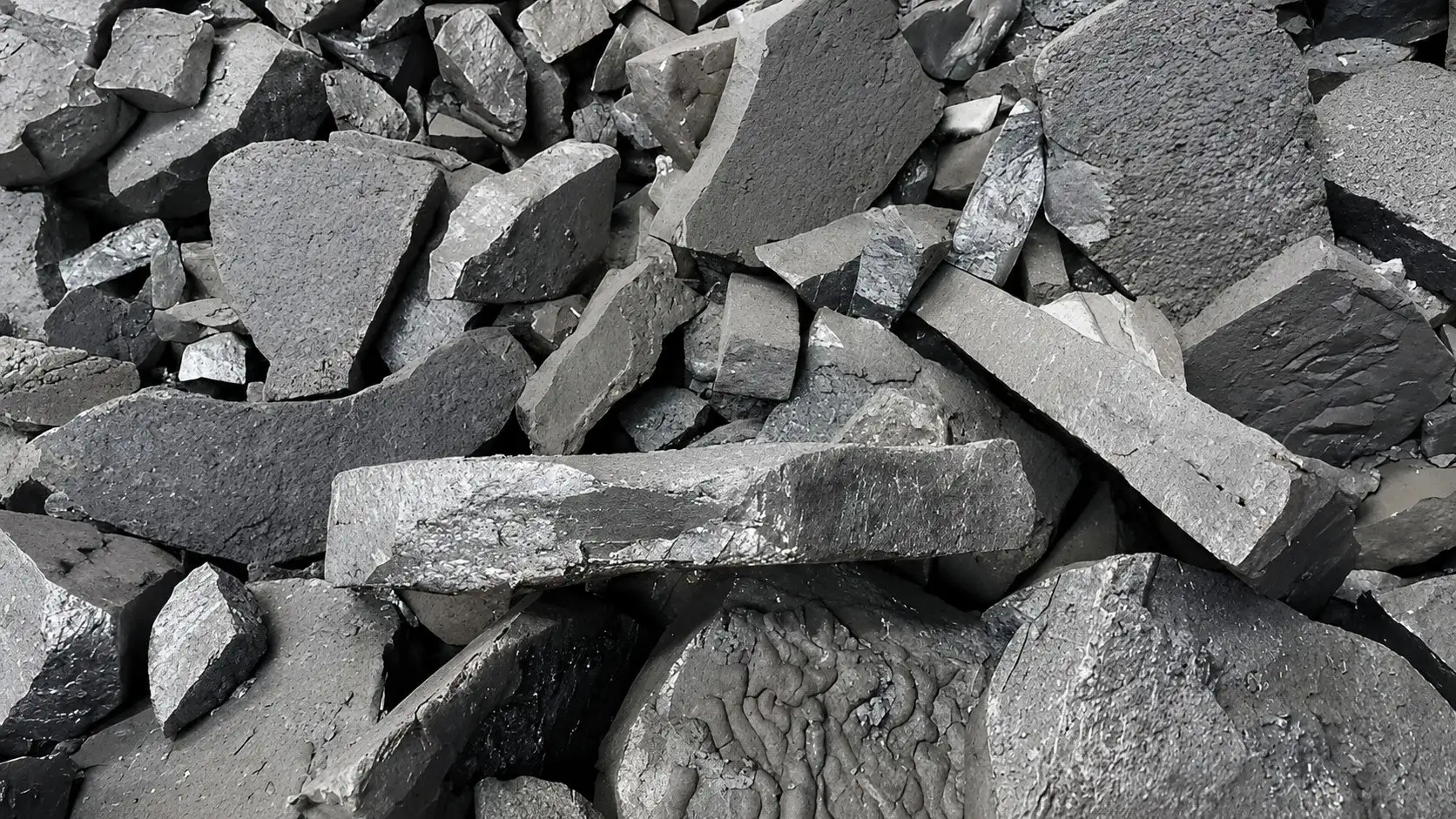
Ferrosilicon (FeSi) is an iron-silicon alloy containing 15–90% silicon, with the most common commercial grades being FeSi65, FeSi70, and FeSi75.
This ferro alloy plays a critical role in modern steelmaking as both a powerful deoxidizer and an alloying element, improving steel quality, mechanical strength, and production efficiency.
Standard Ferrosilicon Grades
FeSi 15
Silicon: 14–18%
Iron: 78–82%
FeSi 45
Silicon: 42–48%
Iron: 50–55%
FeSi 65
Silicon: 63–67%
Iron: 30–35%
Why Ferrosilicon Matters
Quick Comparison Overview
Ferrosilicon is one of the world's most widely consumed ferro alloys, offering an excellent balance between performance, versatility and cost. The following comparison highlights how ferrosilicon differs from other major ferro alloys used in modern metallurgy.
Ferro Alloys Comparison
| Ferro Alloy | Primary Element | Main Use | Market Share | Price Range ($/MT) |
|---|---|---|---|---|
| Ferrosilicon | Silicon (65–75%) | Deoxidizer, Alloying | 35% | $800–1,200 |
| Ferromanganese | Manganese (75–80%) | Deoxidizer, Alloying | 25% | $900–1,400 |
| Ferrochrome | Chromium (60–70%) | Stainless Steel | 20% | $1,000–1,800 |
| Ferromolybdenum | Molybdenum (60–70%) | High-strength Steel | 8% | $25,000–35,000 |
| Ferrotungsten | Tungsten (75–80%) | Tool Steel | 5% | $40,000–55,000 |
| Ferrovanadium | Vanadium (78–82%) | HSLA Steel | 7% | $15,000–25,000 |
Key Properties Comparison
| Property | Ferrosilicon | Ferromanganese | Ferrochrome |
|---|---|---|---|
| Melting Point | 1,200–1,250°C | 1,245°C | 1,520–1,550°C |
| Density | 6.7–7.1 g/cm³ | 7.2–7.4 g/cm³ | 6.9–7.2 g/cm³ |
| Production Volume | 6.5M tons/year | 4.8M tons/year | 3.2M tons/year |
| Export Value | $4.2B globally | $3.1B globally | $2.8B globally |
Ferrosilicon vs Major Ferro Alloys
1. Ferrosilicon vs Ferromanganese
Ferromanganese contains 75–80% manganese and serves a similar deoxidizing function, but differs from ferrosilicon in several important ways.
Advantages of Ferrosilicon
- Lower cost — 20–30% cheaper than ferromanganese
- Better deoxidizing efficiency
- Wider effective temperature range
- Less carbon content — cleaner steel
When to Choose Ferromanganese
- High-manganese steel grades required
- Specific mechanical properties needed
- Austenitic steel production
2. Ferrosilicon vs Ferrochrome
Ferrosilicon Advantages
- Universal application across all steel types
- Lower melting point — easier processing
- Abundant raw materials, stable supply chain
- Less toxic than chromium
Ferrochrome Applications
- Stainless steel (exclusive use)
- High-temperature applications
- Corrosion-resistant alloys
3. Ferrosilicon vs Premium Ferro Alloys
Premium ferro alloys — ferromolybdenum, ferrotungsten, ferrovanadium — serve specialized, high-value applications.
| Factor | Ferrosilicon | Premium Ferro Alloys |
|---|---|---|
| Raw Material Cost | Low | Very High |
| Processing Complexity | Simple | Complex |
| Market Volatility | Stable | High |
| Application Scope | Broad | Specialized |
| ROI for Producers | Consistent | Variable |
FeSi Production and Manufacturing
The submerged arc furnace method dominates ferrosilicon production worldwide, following a systematic flow:
1. Raw Material Preparation
- Quartz (SiO₂): 45–50%
- Iron ore / scrap: 25–30%
- Coke: 20–25%
2. Smelting Process
- Temperature: 1,800–2,000°C
- Power consumption: 8,000–9,500 kWh/MT
- Reaction time: 2–4 hours
3. Quality Control
- Chemical analysis every batch
- Size grading: 10–50mm standard
- Moisture content: <0.1%
Global Production Leaders
| Country | Annual Production (MT) | Market Share | Export Capacity |
|---|---|---|---|
| China | 4,500,000 | 69% | 2,100,000 |
| Russia | 580,000 | 9% | 380,000 |
| Norway | 350,000 | 5% | 280,000 |
| Iran | 250,000 | 4% | 150,000 |
Ferrosilicon Export Market Analysis
The ferrosilicon export market reached $4.2 billion in 2024, with steady growth projected.
Primary Export Flows
- China → India, Japan, South Korea (65% of exports)
- Russia → Europe, Turkey (78% of exports)
- Iran → Middle East, Central Asia (71% of exports)
Persian Ferrosilicon Position
- 15–20% lower production costs
- Strategic location for regional markets
- Quality meeting international standards
- Growing export capacity
| Year | Export Volume (MT) | Value ($ Million) | Price ($/MT) |
|---|---|---|---|
| 2025 | 145,000 | $168 | $1,159 |
| 2026 | 156,000 | $187 | $1,199 |
Ferrosilicon Pricing and Market Factors
Price Determinants
- Raw Material Costs (40%) — electricity, quartz, coke prices
- Market Demand (35%) — steel production levels, construction activity
- Supply Factors (25%) — production capacity, export policies
Regional Pricing
| Region | Price Range ($/MT) | Quality Premium |
|---|---|---|
| FOB China | $850–950 | Standard |
| CIF Europe | $1,050–1,150 | +5–8% |
| FOB Iran | $880–980 | +3–5% |
Market forecast: 3–5% price increase expected in 2026 due to energy costs. Check today's ferrosilicon prices for the latest updates.
Buy Worldwide's Best Ferrosilicon
Highest Purity, Premium Quality, Lowest Price.
Looking for high-quality ferrosilicon at competitive prices? We supply premium-grade FeSi for steelmakers, foundries and international traders with reliable worldwide shipping.
START ORDER TODAYFerrosilicon Applications and Uses
Usage Breakdown
- Steel deoxidation — 60%
- Alloying element — 25%
- Cast iron inoculation — 10%
- Other applications — 5%
Quality Requirements
| Application | Silicon Content | Size Grade |
|---|---|---|
| Steel Deoxidation | 65–75% | 10–50mm |
| Cast Iron | 70–78% | 0.2–3mm |
| Welding | 45–65% | Powder |
Quality Standards for Ferrosilicon
International Standards
- ASTM A100 — American standard for ferrosilicon
- ISO 5445 — International ferrosilicon specifications
Chemical Composition
| Grade | Si (%) | C max (%) | S max (%) | P max (%) |
|---|---|---|---|---|
| FeSi65 | 63–67 | 0.2 | 0.02 | 0.04 |
| FeSi70 | 68–72 | 0.2 | 0.02 | 0.04 |
| FeSi75 | 73–78 | 0.2 | 0.02 | 0.04 |
Frequently Asked Questions
What makes ferrosilicon different from other ferro alloys?
Ferrosilicon's versatility as both a deoxidizer and alloying element, plus its cost-effectiveness, makes it the most widely used ferro alloy with a 35% market share.
How to choose ferrosilicon grades?
- FeSi65: General deoxidation, cost-effective
- FeSi70: Balanced performance, most common — also available as FeSi72
- FeSi75: High-efficiency, premium applications
What affects ferrosilicon prices most?
Electricity costs (40%), steel demand (30%), and raw materials (30%).
Is Persian ferrosilicon competitive?
Yes — 15–20% lower costs, compliance with quality standards, a strategic location, and a growing market share.
What are the storage requirements?
Dry environment (<0.1% moisture), covered storage, grade segregation, and a FIFO system.
Conclusion
Ferrosilicon remains the backbone of steel production, offering unmatched versatility and cost-effectiveness. With 35% market share and stable growth projected, it outperforms specialized ferro alloys in broad applications.
Key Takeaways
- Market Leadership: 6.5M tons annual production, $4.2B export value
- Cost Efficiency: 20–40% cheaper than specialized alternatives
- Quality Standards: Established international specifications
- Growth Potential: 3–5% annual demand increase expected
- Persian Advantage: Eurasia suppliers offer competitive pricing and quality
Recommendations
For Buyers
Diversify suppliers, consider long-term contracts, evaluate Persian ferrosilicon.
For Sellers
Focus on quality systems, energy efficiency, strategic partnerships.
For Traders
Monitor Chinese policies, explore emerging markets, implement risk management.
The ferrosilicon industry's essential role in steel production ensures continued demand growth. Success requires understanding market dynamics, maintaining quality standards, and adapting to global trends.
Persian Ferrosilice Co.
Ready to place an order or need a quote? Reach our team through any of the channels below.
I like the content. crisp and clear