
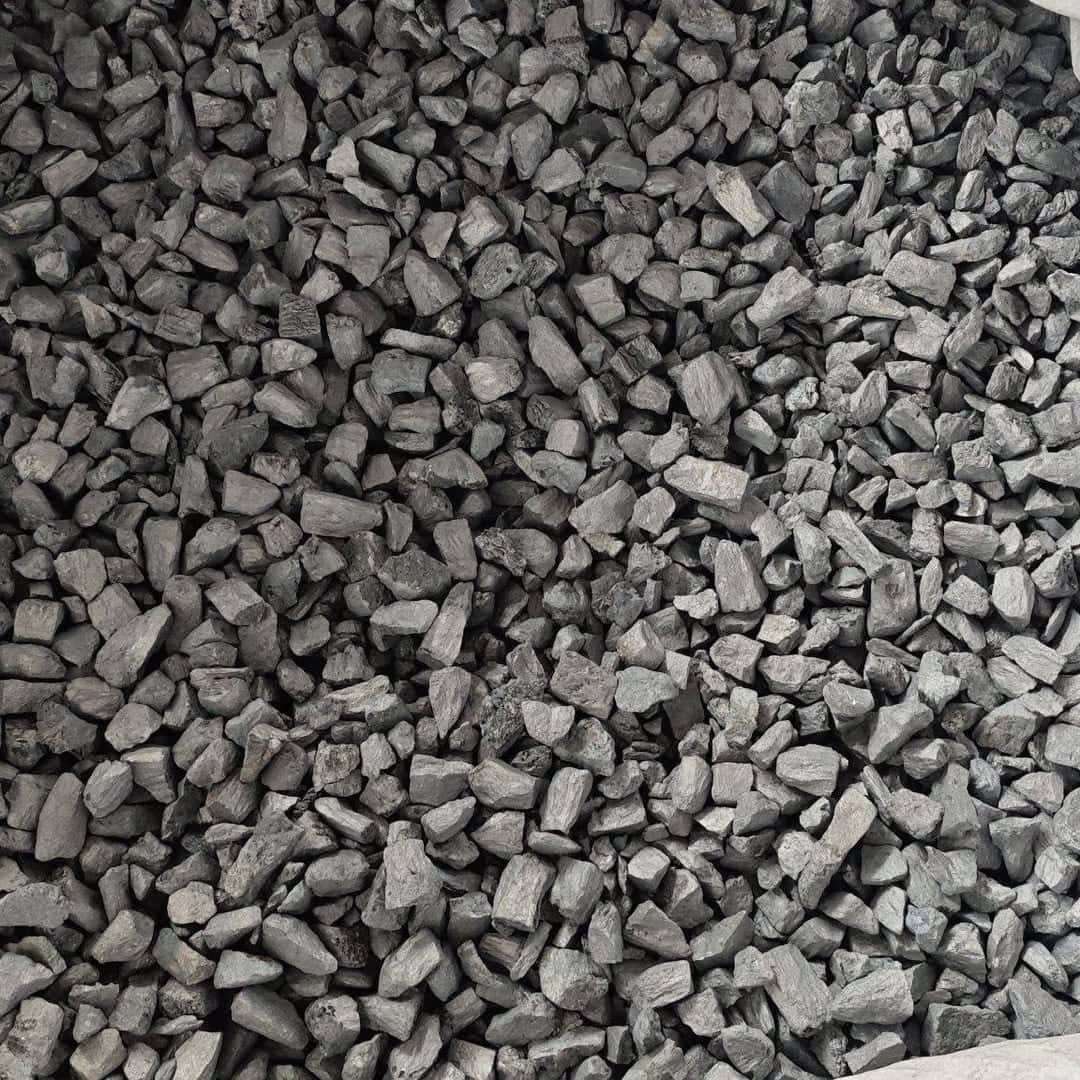
Ferro Silicon 2026
Executive Summary
By 2026, the ferro silicon market will no longer behave like a classic ferroalloy commodity. While global demand growth remains limited, profitability dispersion is widening sharply. Energy prices, carbon exposure, and grade differentiation are now the real price-setters. Producers and traders that still rely on volume-driven logic will face margin erosion, while those who reposition ferro silicon as a semi-specialty energy-intensive material will gain structural advantage.
Order Today →
Ferro Silicon in 2026: A Market with New Rules
For decades, ferro silicon followed the steel cycle. When steel production expanded, FeSi prices increased; when steel demand weakened, producer margins quickly declined. In 2026, this traditional pricing model is no longer sufficient to explain market behavior.
Energy Price Fragmentation
Electricity has become the dominant production cost. The gap between European and Central Asian power prices can exceed 2–3×, creating a significant competitive advantage for low-cost producers.
Carbon & Environmental Pressure
Stricter environmental regulations, carbon reporting, and ESG expectations are reshaping procurement decisions across Europe and other developed markets.
Grade-Specific Demand
Steelmakers increasingly prioritize consistent chemistry and application-specific grades over standard FeSi 75%, rewarding producers capable of delivering tighter specifications.
Ferro silicon is evolving from a conventional bulk ferroalloy into a strategic, energy-intensive material whose production cost, quality consistency, and supply reliability increasingly determine market value.

Energy-Driven Production Economics
Ferro silicon production in 2026 is defined primarily by electricity economics rather than raw material availability. Producers with structurally low and predictable power costs will dominate the market, while high-energy-cost regions face intermittent shutdowns and declining competitiveness.

Grade Differentiation & Chemical Precision
The future of ferro silicon lies in grade specialization. Steelmakers increasingly demand precise silicon levels and controlled aluminum and titanium content to stabilize furnace performance, improve yield, and reduce downstream cost volatility.

Carbon Exposure & Regulatory Pressure
Carbon intensity is now a commercial variable. With the introduction of CBAM and similar mechanisms, ferro silicon producers must quantify, document, and actively reduce emissions to maintain access to premium markets.

Fragmented Global Trade Routes
By 2026, ferro silicon trade is no longer globally fluid. Sanctions, insurance constraints, and compliance requirements are reshaping international trade into regional corridors, favoring suppliers with flexible logistics, diversified shipping options, and complete export documentation.

Supply Reliability Over Spot Pricing
Steel producers increasingly prioritize continuity of supply over marginal price advantages. Reliable partnerships, consistent product quality, and predictable delivery schedules now carry greater strategic value than short-term spot market discounts.

Strategic Positioning for 2026 & Beyond
Success in the ferro silicon market requires more than production scale. Companies that combine energy efficiency, optimized grades, carbon transparency, resilient supply chains, and risk-aware trade strategies will achieve stronger long-term competitiveness.
Grades Matter More Than Tonnage
Not all ferro silicon (FeSi) units are equal anymore. The convergence of cleaner steelmaking and tighter furnace control increases sensitivity to impurity levels such as aluminum, titanium, and calcium.
Steelmakers are increasingly willing to pay a premium for predictable chemistry because furnace instability costs significantly more than alloy price differences.
| Grade Category | Typical Application | Demand Trend to 2026 | Strategic Value |
|---|---|---|---|
| FeSi 75% | Standard Carbon & Construction Steel | Flat | Price-driven |
| FeSi 65–70% | Casting & Foundries | Gradually Rising | Stable Niche |
| Low-Al FeSi | Flat Steel, Automotive | Strong Growth | Contract Pricing |
| Low-Ti / High-Purity | Specialty & EV Steels | Margin Leader |
Strategic Error
Relying almost entirely on FeSi 75% exports exposes producers to direct competition with subsidized and low-power-cost regions.
Main Solution
Develop limited but consistent specialty variants with controlled chemistry and reliable specifications.
Creative Alternative
Sell "chemistry guarantees" bundled with technical support, shifting discussions from price per ton toward cost per heat.
Energy Costs: The Invisible Price Index
Ferro silicon pricing cannot be understood without electricity. Electricity is not simply a cost item — it is the dominant production input that determines global competitiveness. For a closer look at current numbers, see our ferro silicon price today report and the ferro silicon price per ton in 2025 analysis.
Producers operating below a certain power-cost threshold will continue to survive downturns, while high-cost regions may reduce furnace utilization and create temporary supply disruptions.
| Region | Typical Power Cost (USD cent/kWh) | Production Sustainability |
|---|---|---|
| Hydro-based China | 3.5 – 4.5 | Structurally Strong |
| Russia & Central Asia | 3.0 – 4.5 | Strong, Geopolitically Constrained |
| Southeast Asia | 5.0 – 6.0 | Marginal but Scalable |
| European Union | 7.5 – 12.0 | Unstable, Subsidy-Dependent |
Key Insight
By 2026, FeSi spot prices increasingly mirror regional electricity curves rather than traditional steel demand reports.
Main Solution
Secure indexed or long-term electricity pricing structures to reduce exposure to market volatility.
Creative Approach
Operate furnaces flexibly by prioritizing off-peak hours and surplus renewable energy periods, transforming volatility into a competitive advantage.
Trade Is Fragmented, Not Global
Global ferro silicon trade volumes still exist, but trade fluidity is gone.
- Sanctions and counter-sanctions reshape routes.
- Compliance and insurance add cost layers invisible on FOB prices.
- Buyers increasingly diversify origins rather than chase the cheapest ton.
Traditional trading routes — direct CIF Europe or FOB China — are giving way to regional hubs and blended-origin strategies. Reliable ferro silicon manufacturers with diversified logistics are best positioned to serve this shift.
Typical (legal) market practice: buyers source from two or three origins simultaneously to secure continuity rather than lowest price.
Learn About Ferro Silicon →Carbon and Regulation: From Paperwork to Price
The EU's Carbon Border Adjustment Mechanism (CBAM) represents a structural change rather than a temporary hurdle. Even non-EU suppliers must understand carbon intensity, documentation requirements, and indirect emission calculations.
Hidden Cost Inflation
High-emission ferro silicon production will face additional cost pressure as carbon-related expenses become part of international pricing decisions.
Low-Carbon Advantage
Producers with lower carbon intensity may gain preference in tenders, even when their initial quotation is not the lowest.
New Market Reality
By 2026, carbon intensity will function as a non-tariff tariff influencing market access and competitiveness.
Pricing Outlook Toward 2026
No single global benchmark will dominate ferro silicon pricing. Regional dynamics, energy availability, and compliance requirements will increasingly define market premiums and discounts.
Regional Premiums
Different regions will develop independent price structures based on energy costs, carbon exposure, and supply availability.
Power-Driven Volatility
Sudden electricity shortages may create rapid price spikes independent of traditional steel demand cycles.
Compliance Discounts
Material affected by logistics restrictions or documentation gaps may trade at significant discounts.
Supply reliability • Grade precision • Documentation readiness
Markets Will Penalize:Pure spot-based trading strategies without long-term supply security.
Ferrosilicon.co
Ferrosilicon.co is a specialized producer and global supplier of ferro silicon, offering all commercial grades and forms including lump, sized material, and powder. We focus on consistent quality, competitive pricing, and reliable worldwide delivery. Through efficient production and strong logistics, we support steelmakers and foundries with dependable ferro silicon supply across global markets.
Contact 24/7 →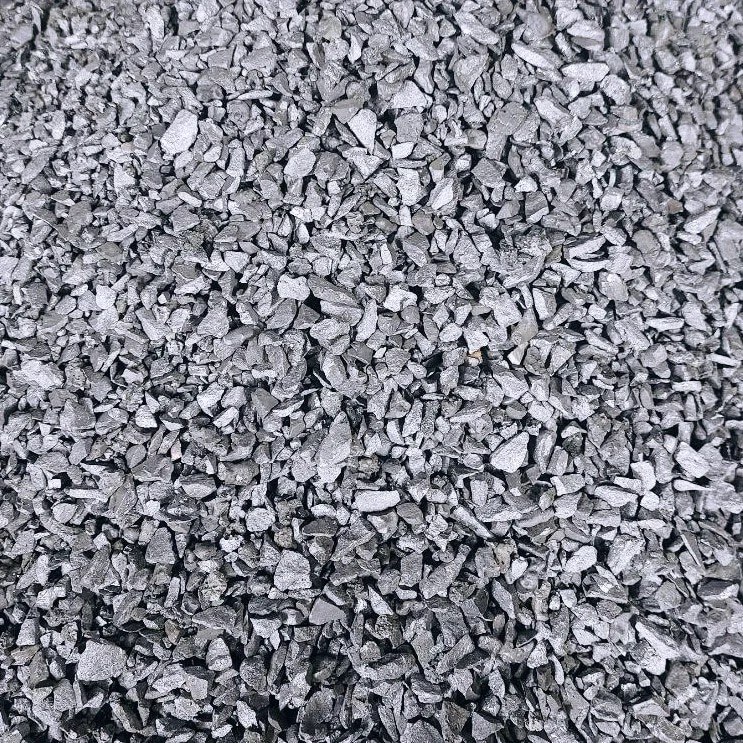
Frequently Asked Questions Ferro Silicon 2026
1. What is driving ferro silicon prices toward 2026?
Ferro silicon prices are increasingly driven by electricity costs rather than steel demand alone. Power price volatility, carbon compliance costs, and regional supply disruptions are replacing traditional supply–demand cycles as the main price determinants.
2. Which ferro silicon grade will dominate the market in 2026?
FeSi 75% will remain the most widely traded grade, but growth is concentrated in low-aluminum and high-purity grades. These specialized products offer better furnace stability and command pricing premiums from advanced steelmakers.
3. Why are energy costs so critical in ferro silicon production?
Electricity represents up to 55% of total production cost. Producers operating above the critical power cost threshold struggle to remain competitive and are often forced into intermittent furnace operation or temporary shutdowns.
4. How does carbon regulation affect ferro silicon trade?
Carbon mechanisms such as the EU CBAM introduce indirect costs for high-emission producers. By 2026, carbon intensity will act as a non-tariff trade barrier, influencing supplier selection and long-term contracts.
5. Is global ferro silicon trade becoming more restricted?
Yes. Sanctions, logistics risk, and regulatory complexity are reducing trade fluidity. Buyers increasingly rely on regional suppliers and multi-origin sourcing strategies to ensure supply reliability.
Managing Energy, Chemistry, and Risk
Ferro silicon in 2026 is not about making more alloy — it is about managing energy, chemistry, and risk. Companies that understand ferro silicon as an energy product wrapped in metallurgy will outperform those still trapped in commodity thinking. The winners will not be the largest producers or traders, but the most adaptable and structurally advantaged ones.
📞 Contact Direct: info@ferrosilicon.co | +989121684359 | WhatsApp RFQ