
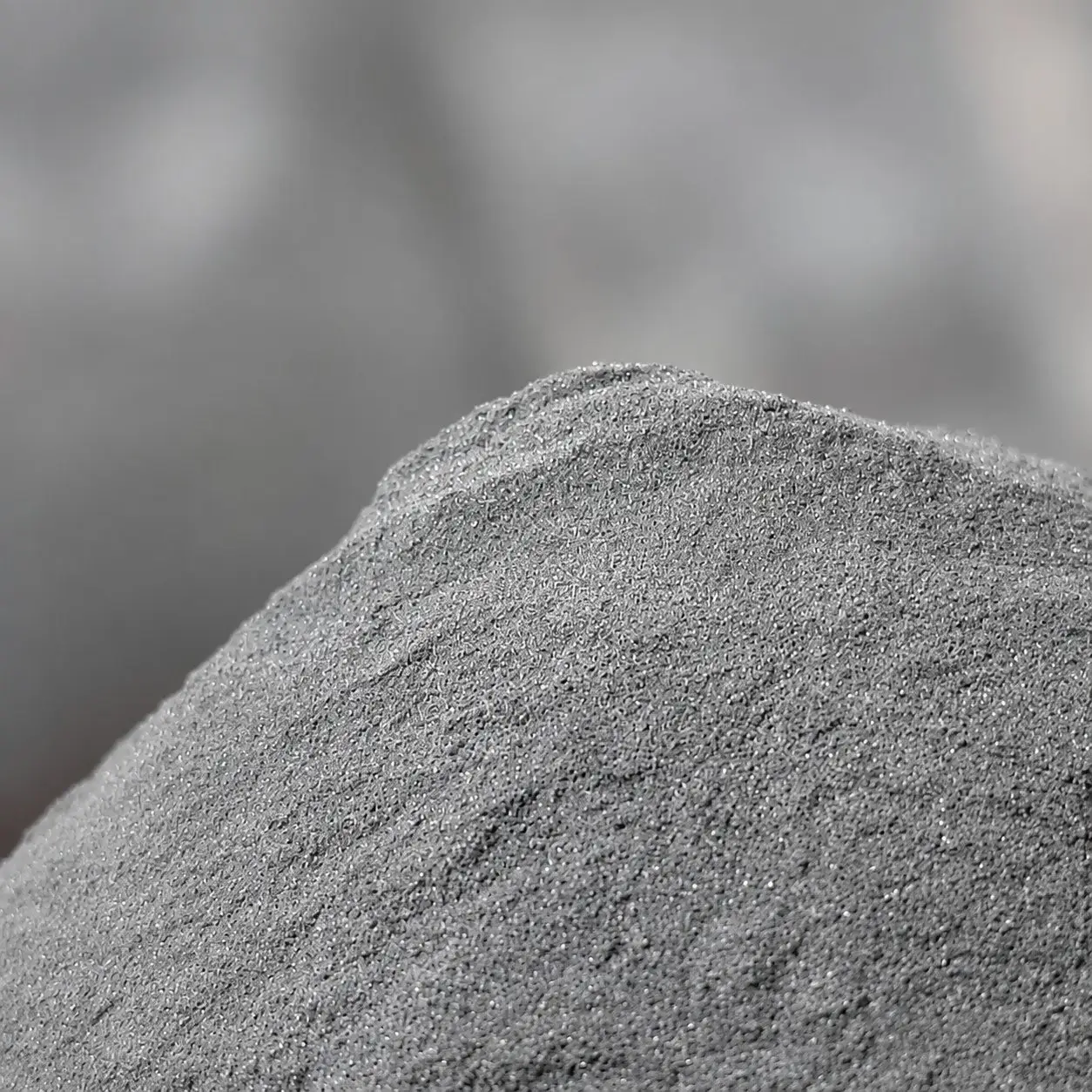
Ferro Silicon Lead-Zinc DMS
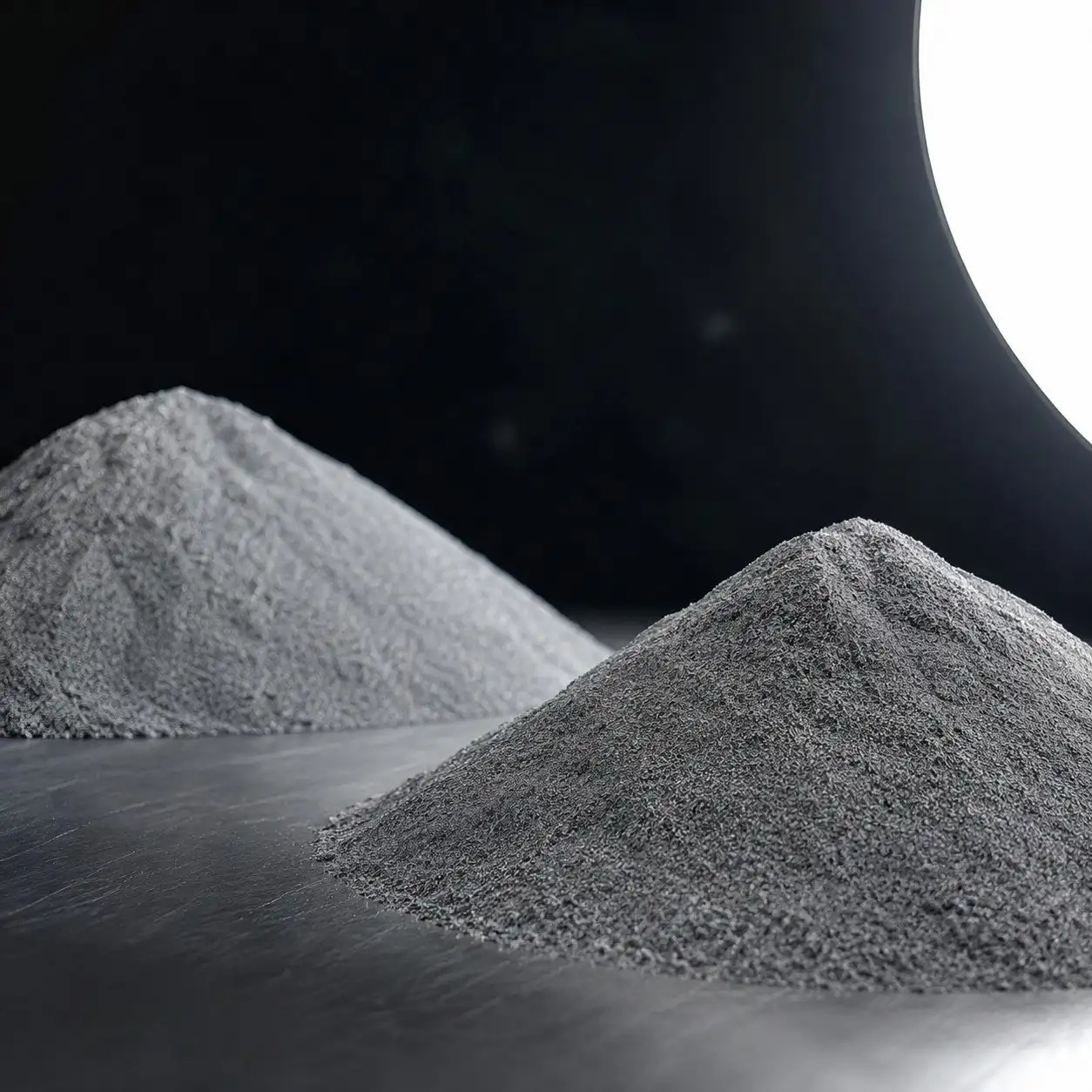
Ferrosilicon (FeSi) is widely used as a dense-medium material in Dense Media Separation (DMS) of lead-zinc ores. Finely processed FeSi powder mixed with water forms a high-density suspension that separates mineral particles by specific gravity.
In a lead-zinc DMS circuit, particles denser than the selected medium report to the sink product, while lighter gangue reports to the float product. FeSi is especially valuable at higher separation densities, since its high specific gravity and magnetic properties support both medium-density control and efficient recovery.
High specific gravity, controllable medium density and magnetic recoverability make ferrosilicon a practical choice for demanding DMS applications.
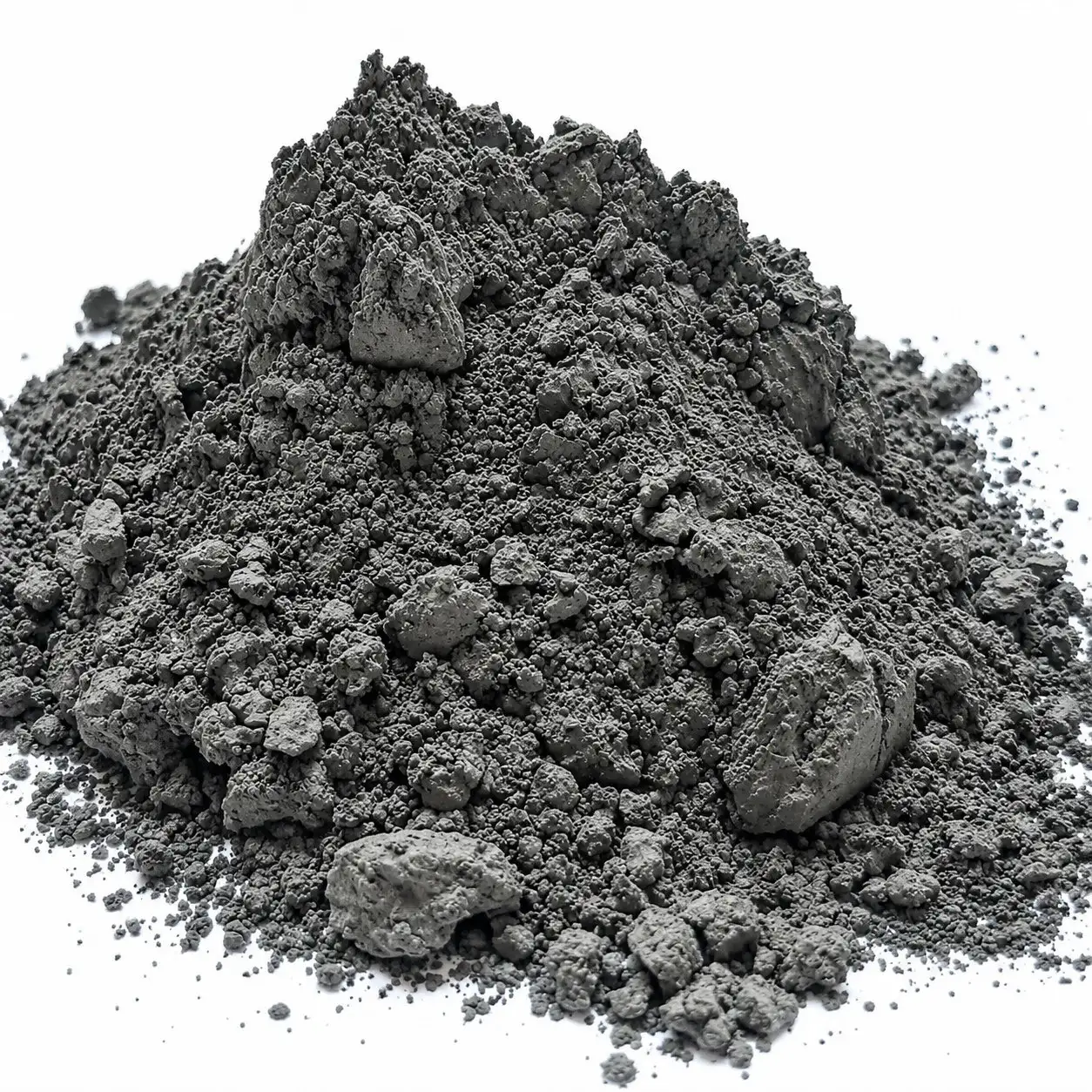
Why Is Ferrosilicon Used in Lead-Zinc Dense Media Separation?
Ferrosilicon is used in lead-zinc DMS because its high specific gravity, magnetic properties, and controllable particle size allow operators to create and maintain a dense medium suitable for gravity-based mineral separation.
High Specific Gravity
FeSi has a high specific gravity, allowing it to produce a dense suspension capable of separating valuable lead-zinc minerals from lower-density gangue at controlled separation densities.
Magnetic Recoverability
Because ferrosilicon is magnetic, the medium can be recovered from the process stream using magnetic separation equipment, helping reduce FeSi losses and support efficient DMS operation.
Controlled Medium Density
The concentration and properties of the FeSi medium can be adjusted to achieve the required separation density and maintain consistent performance across changing ore conditions.
For lead-zinc processing plants, the right ferrosilicon specification depends on the required medium density, particle-size distribution, ore characteristics, and recovery circuit.
How Does Ferrosilicon Work in Lead-Zinc DMS?
Ferrosilicon works as the dense-medium solids in a water-based suspension. By controlling the concentration and physical properties of the FeSi medium, a DMS circuit creates a target separation density, and ore particles separate according to whether their effective density is higher or lower than the medium.
| DMS Stage | Role of Ferrosilicon | Effect on Separation |
|---|---|---|
| Medium Preparation | FeSi powder is mixed with water to create a dense suspension with controlled medium density. | Establishes the density environment required for sink-float separation. |
| Ore Feed | Prepared ore enters the dense medium and becomes surrounded by the FeSi-water suspension. | Particles experience gravitational and buoyancy forces relative to the medium density. |
| Sink-Float Separation | The medium provides the controlled density needed to distinguish denser material from lighter gangue. | Denser material reports to the sink fraction; lighter material reports to the float fraction. |
| Density Control | FeSi concentration can be adjusted to modify the density of the circulating medium. | Helps maintain the required cut-point as feed conditions change. |
| Medium Recovery | Magnetic properties of FeSi allow recovery from dilute process streams via magnetic separation. | Supports medium recycling, density restoration and lower FeSi consumption. |
What Ferrosilicon Grade Is Best for Lead-Zinc DMS?
For lead-zinc DMS, the most suitable ferrosilicon is generally a high-density FeSi medium designed for DMS. The correct grade is selected according to required medium density, particle-size distribution, ore characteristics and DMS equipment — for a full breakdown, see milled vs. atomized ferrosilicon powder.
FeSi 14-16% Si
Grades around 14-16% silicon are commonly associated with dense-medium applications for their density and magnetic properties.
High-Density Medium
High specific gravity is essential so FeSi particles generate a suspension capable of the target separation density.
DMS-Suitable PSD
PSD should match the DMS circuit — excessive coarse particles affect suspension stability, excessive fines raise viscosity.
| Specification | Why It Matters | What to Check |
|---|---|---|
| Silicon Content | Influences composition and physical properties of the medium. | Confirm FeSi grade and supplier specification before purchase. |
| Specific Gravity | Determines density potential and suitability for the required separation density. | Review certified product specification and operating target. |
| Particle-Size Distribution | Affects suspension stability, viscosity, circulation and performance. | Compare supplier PSD with the plant's required range — see the 270D-equivalent ferrosilicon reference. |
| Magnetic Properties | Supports recovery of ferrosilicon from the process stream for recycling. | Confirm compatibility with the plant's magnetic recovery system. |
| Medium Stability | Stable medium properties help maintain consistent separation conditions. | Consider ore characteristics, equipment and operating density. |
No single ferrosilicon grade is automatically optimal for every lead-zinc DMS plant. The final specification should follow the required medium density, cut-point, PSD, equipment and medium-recovery system.
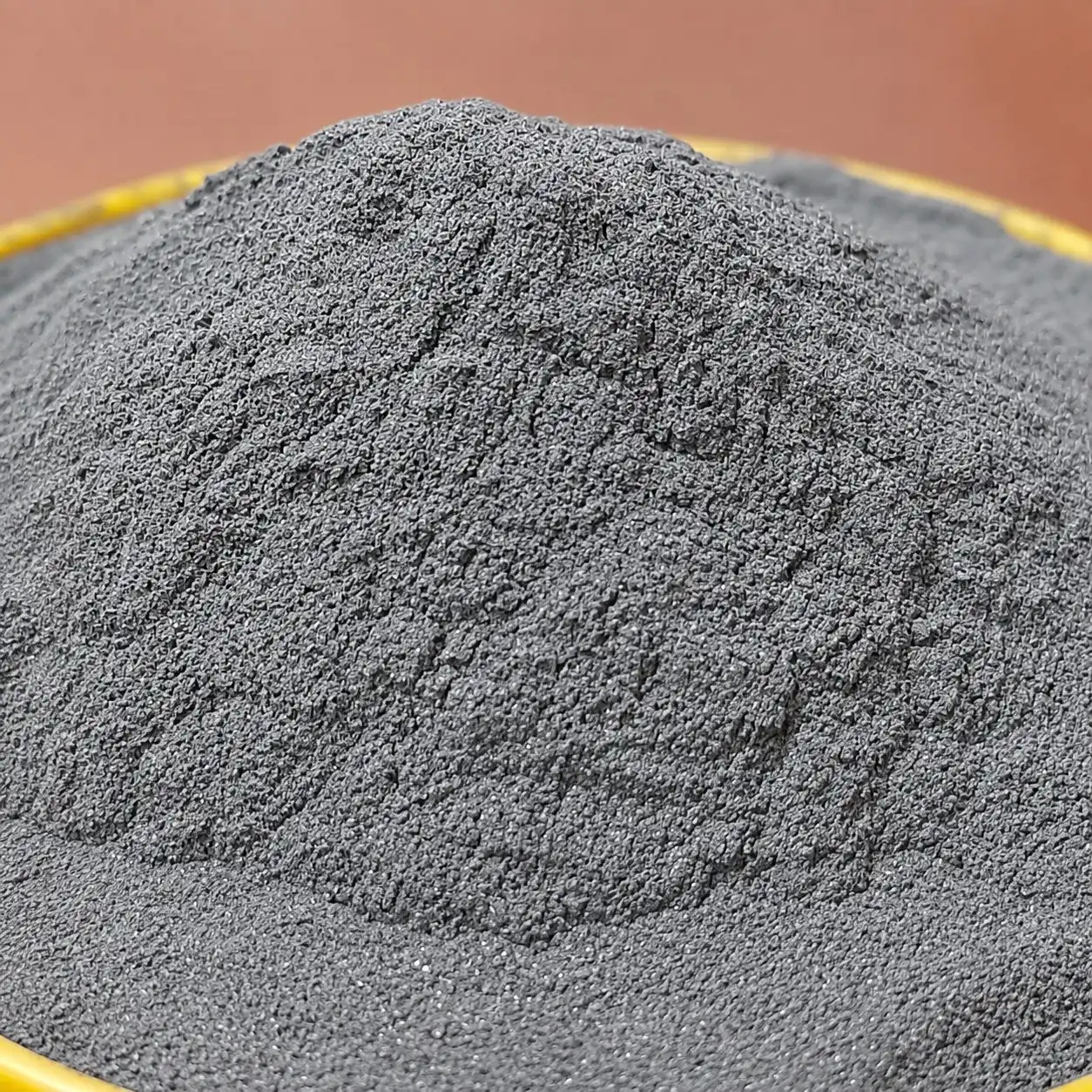
Ferrosilicon Particle Size and Its Effect on DMS Performance
Particle-size distribution (PSD) is critical in dense media separation. FeSi fineness affects medium stability, viscosity, density distribution and behaviour inside the separator. A well-controlled PSD supports consistent separation, while excessive fines can raise viscosity and flow resistance — see micronized ferrosilicon Si 15 for the fine end of the range.
Medium Stability
A controlled PSD helps maintain a more predictable dense-medium suspension during circulation.
Viscosity Control
Increasing the proportion of very fine FeSi can raise medium viscosity, affecting particle movement.
Separation Accuracy
Finer FeSi improves density uniformity, but optimum fineness depends on ore size, target density and equipment.
| Particle-Size Factor | Effect on Medium | Operational Consideration |
|---|---|---|
| Fine FeSi | Distributes more evenly, contributing to a more uniform density field. | Useful for precision, but excessive fines raise viscosity and flow resistance — see FeSi 15% atomized powder. |
| Coarser FeSi | Can influence medium segregation and density variation in dynamic separators. | Suitable for certain coarse-feed applications; must match separator and cut-point. |
| Very Fine Fraction | High proportion of very fine particles increases apparent viscosity. | Avoid excessive fineness when it destabilises operation. |
| Controlled PSD | Consistent PSD maintains predictable medium behaviour. | Specify PSD by ore characteristics, separator type, target density and recovery system — see milled ferrosilicon 15% for DMS. |
| PSD Consistency | Consistent incoming FeSi reduces variation in medium properties. | Request a controlled particle-size specification and quality documentation. |
The ideal FeSi PSD depends on the DMS circuit: ore size distribution, target separation density, separator design, medium density and viscosity should all be considered.
How to Select the Best Ferrosilicon for Lead-Zinc DMS?
Selecting ferrosilicon for lead-zinc DMS requires more than choosing a silicon percentage. The right FeSi should match the required medium density, PSD, magnetic recovery system, ore characteristics and operating conditions.
Choose the Correct Grade
Select a DMS-grade formulation by target medium density rather than silicon percentage alone.
Check Particle Size
PSD affects suspension stability, viscosity and density uniformity — compare atomised FeSi 15-45 and milled FeSi 15-45 ranges.
Verify Magnetic Recovery
Magnetic behaviour and compatibility with the plant's recovery circuit are key purchasing considerations.
Evaluate Consistency
Consistent chemistry, particle size and impurity levels keep medium properties predictable shipment to shipment.
Ferrosilicon.co for Lead-Zinc DMS Supply
Ferrosilicon.co supplies ferrosilicon and specialized FeSi powders for international mineral-processing and metallurgical applications, including milled and atomized grades for Dense Media Separation. The material specification — grade, PSD, chemical analysis, packaging and destination — is matched to each customer's DMS circuit. FeSi also serves other DMS applications, such as manganese ore DMS and diamond DMS.
Major Global Ferrosilicon Supply Regions
Global ferrosilicon sourcing is concentrated across several major production and export regions. The most suitable origin depends on grade availability, PSD requirements, logistics, lead time, price and destination-market requirements.
| Supply Region | Key Advantage | Typical Export Relevance |
|---|---|---|
| China | Large production capacity and broad ferrosilicon availability. | Major Asian and international supply markets. |
| Brazil | Significant ferroalloy production and export capacity. | Strong position in Atlantic trade routes. |
| Malaysia | Important Asian production and export hub. | Competitive access to Asian and international markets. |
| Norway | Established ferroalloy industry with strong quality control. | European and premium-quality markets. |
| Iceland | Established ferrosilicon production serving international markets. | European and Atlantic supply connections. |
| Kazakhstan | Strategic location for Eurasian and regional trade. | Central Asia, CIS, Turkey and nearby markets. |
| Iran & Eurasia | Competitive regional sourcing, proximity to MENA markets. | Turkey, MENA, Central Asia and select European routes. |
Grade, silicon content, PSD, density characteristics, magnetic recovery behaviour, impurity limits, packaging, certificate of analysis, delivery terms and total landed cost — the lowest unit price is not necessarily the lowest operating cost.
FAQs About Ferrosilicon for Lead-Zinc DMS
What type of ferrosilicon is used for lead-zinc DMS?+
Ferrosilicon powder designed for Dense Media Separation prepares a high-density suspension for gravity-based separation. DMS-grade FeSi commonly contains around 14-16% silicon, though the exact specification should follow the required separation density and plant conditions.
Why is FeSi 15% used in lead-zinc dense media separation?+
FeSi 15% provides a dense, magnetically recoverable medium that mixes with water into an artificial heavy liquid, letting the DMS circuit reach separation densities lower-density media can't achieve efficiently.
How does ferrosilicon particle size affect lead-zinc DMS performance?+
PSD affects density, viscosity and stability of the medium. A controlled PSD supports predictable behaviour, while excessive fines raise viscosity and affect flow and separation.
Can ferrosilicon be recovered and reused after DMS?+
Yes. FeSi's magnetic properties let it be recovered from the process stream with magnetic separation equipment and returned to the circuit, reducing consumption and operating costs.
How do I choose the right ferrosilicon powder for a lead-zinc DMS plant?+
Start with the required separation density, then evaluate grade, PSD, particle shape, magnetic recovery characteristics and chemical consistency, backed by supplier documentation.
Ferrosilicon.co supplies milled and atomised ferrosilicon powders for DMS applications and can discuss grade, PSD, packaging and export requirements with international buyers.
Conclusion: Choosing Ferrosilicon for Lead-Zinc DMS
Ferrosilicon is an essential dense-medium material for many lead-zinc DMS circuits. The right specification helps maintain medium density, separation stability and efficient magnetic recovery.
Buyers should evaluate more than silicon content: grade, particle-size distribution, density characteristics, magnetic recovery, chemical consistency, packaging and delivery requirements should all be weighed against the plant's operating conditions.
For international buyers, sourcing from an experienced supplier simplifies technical specification, quality documentation and export logistics. Ferrosilicon.co provides ferrosilicon and specialized FeSi powders for industrial and international supply.
Need Ferrosilicon for Lead-Zinc DMS?
Contact our export team for FeSi specifications, particle-size requirements, packaging and international delivery options.

Mahboubeh Kharmanbiz
Mahboubeh Kharmanbiz is a technical and export professional specializing in ferrosilicon, ferroalloys, metallurgical raw materials and international trade, supporting reliable sourcing and export solutions for industrial buyers.
Her work connects practical industrial requirements with technical product specifications, quality considerations and international supply processes.