 PRODUCTION • 2026
Ferrosilicon Production at an Industrial Scale
A technical overview of modern ferrosilicon manufacturing, from carefully selected raw materials and submerged arc furnace operations to process control, quality assurance, and final product preparation.
This professional guide examines the key production methods used in ferrosilicon manufacturing and explains how furnace conditions, material quality, energy efficiency, and silicon recovery influence the consistency and commercial value of the final alloy.
Introduction to Ferrosilicon
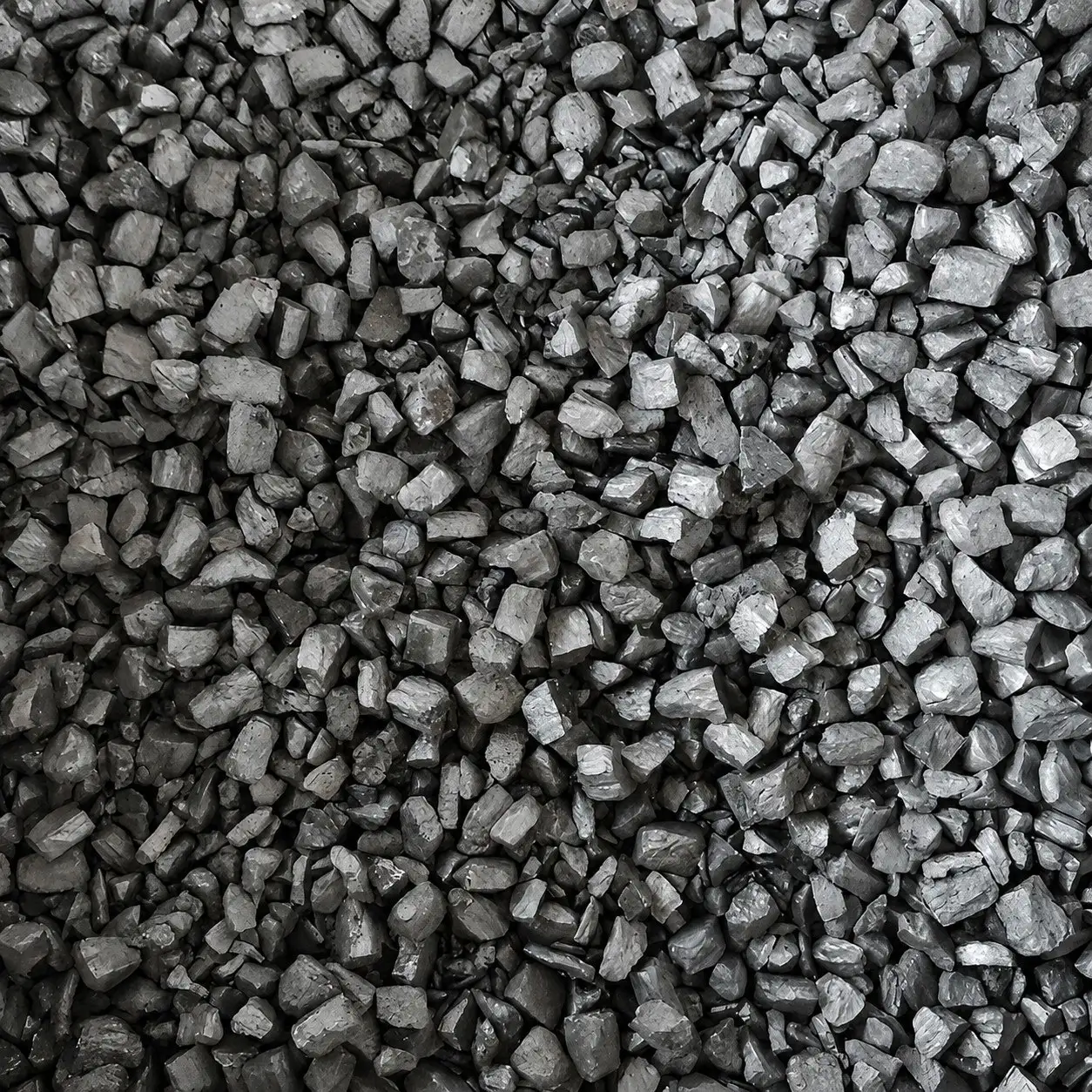
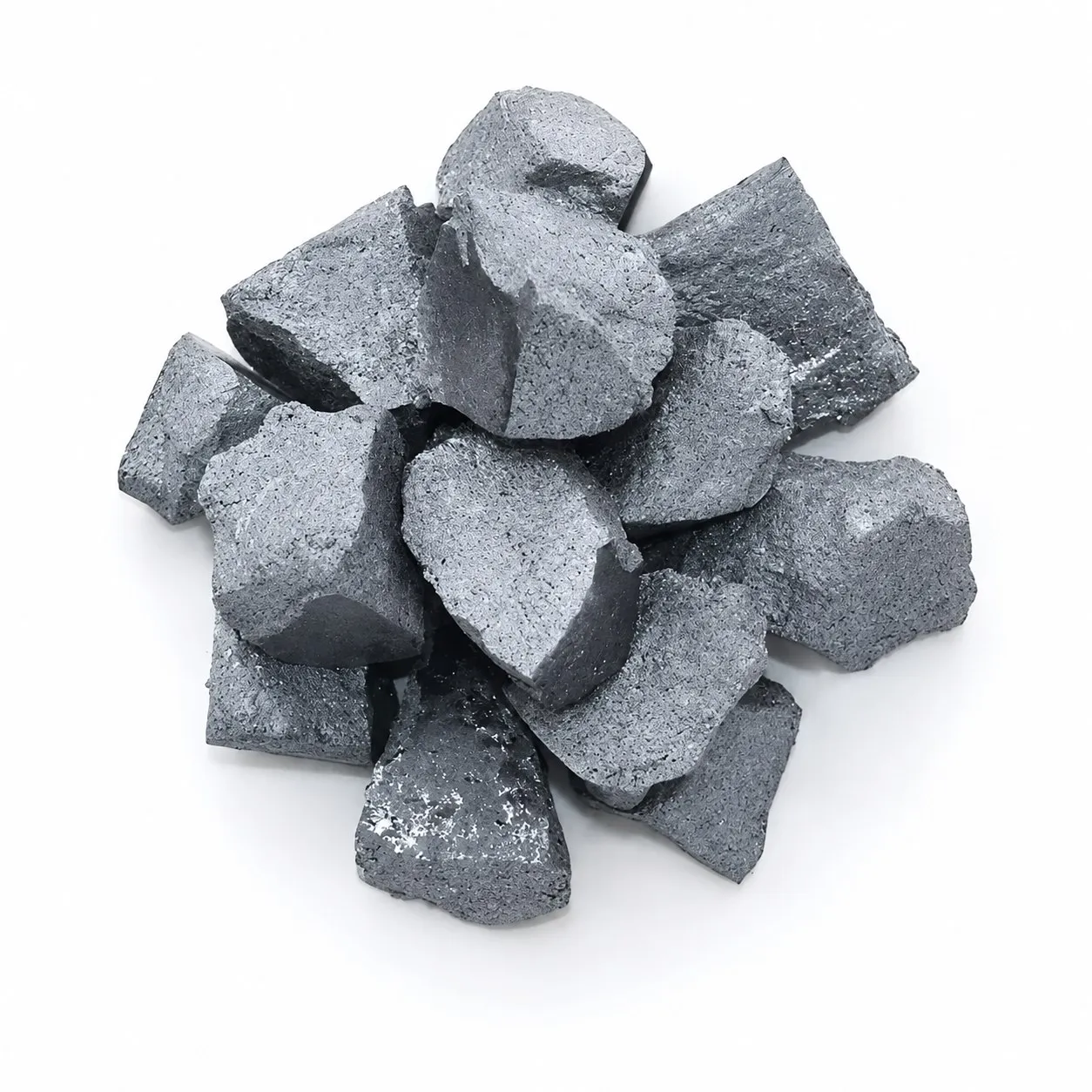
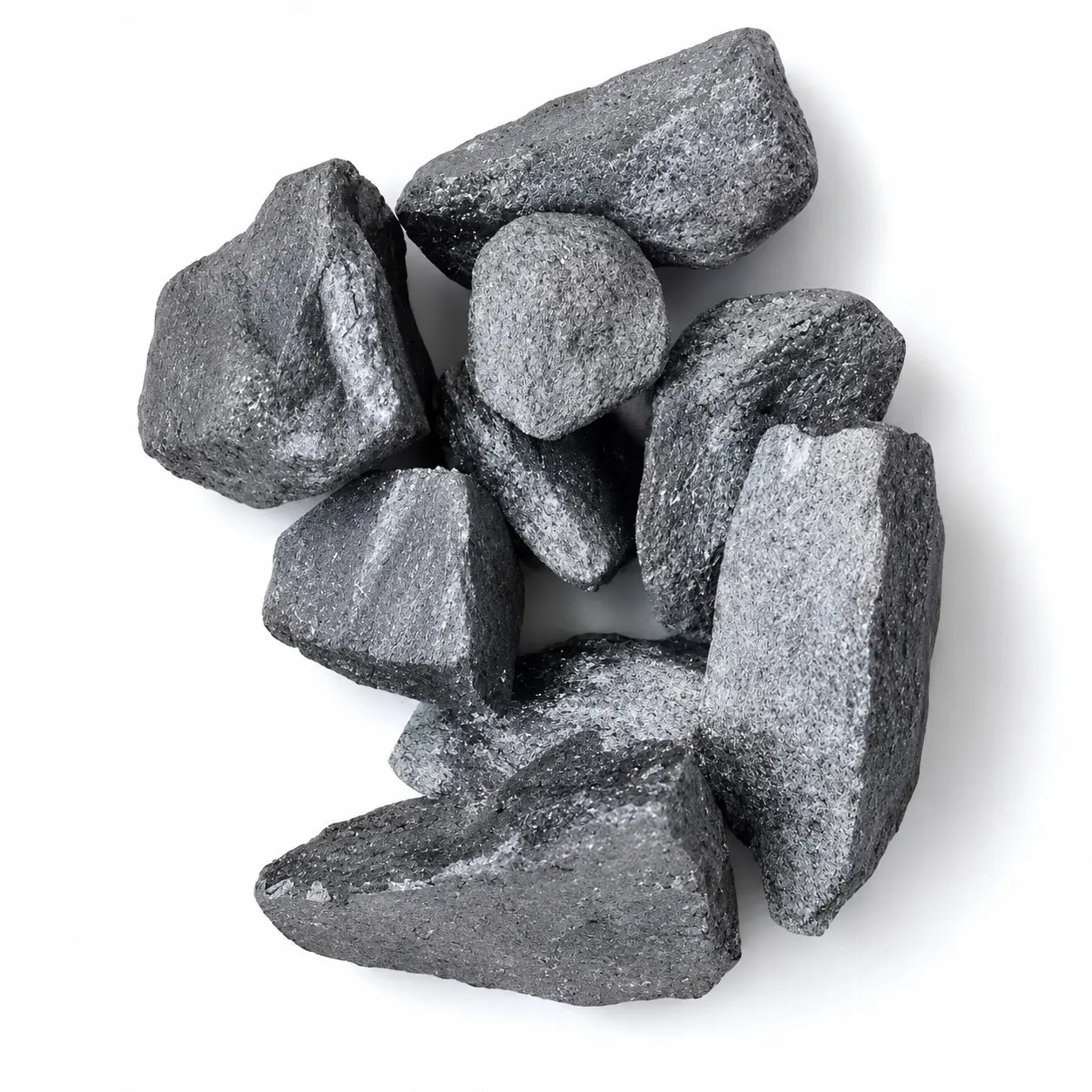
Ferrosilicon is an essential ferroalloy composed primarily of iron and silicon (Fe-Si), widely used in modern steelmaking, foundry operations, and metallurgical processes.
Its primary functions include steel deoxidation, silicon alloying, and improving the metallurgical properties of steel and cast iron. Commercial ferrosilicon is available in different silicon grades, with the most widely used grades typically containing approximately 70–75% silicon.
The performance and value of ferrosilicon depend not only on its silicon content, but also on factors such as aluminium, carbon, calcium, particle size, purity, and production quality. These characteristics determine its suitability for different industrial applications.
Ferrosilicon provides a controlled source of silicon for metallurgical processes, helping remove dissolved oxygen from molten steel while simultaneously adjusting alloy composition.
Ferrosilicon Production Methods
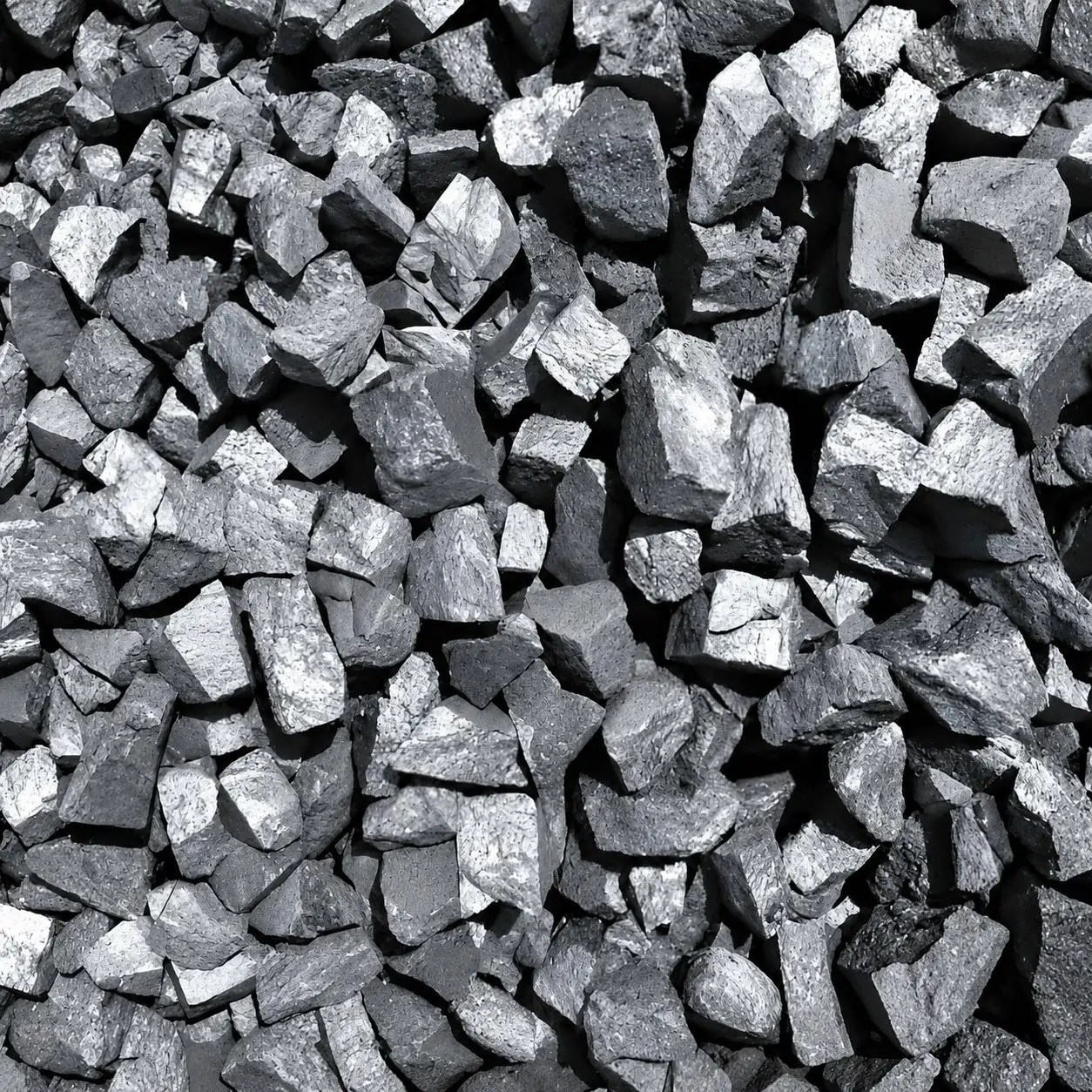
Ferrosilicon is produced through several metallurgical routes by a specialized ferrosilicon manufacturer. Industrial selection depends on production scale, required silicon grade, energy efficiency, raw material quality, and process control.
Submerged Arc Furnace (SAF) Method
The submerged arc furnace is the most widely established industrial route for ferrosilicon production. A mixture of quartz, carbonaceous reductants, and iron-bearing materials is smelted at high temperature to produce the Fe-Si alloy.
| Parameter | Typical Specification |
|---|---|
| Operating Temperature | ~1,800–2,000°C |
| Power Consumption | ~8,000–9,000 kWh/t |
| Main Raw Materials | Quartz / Carbon reductant / Iron source |
| Production Capacity | ~50–200 t/day |
Plasma Arc Furnace Technology
Plasma arc technology offers an alternative route where precise thermal control and specialized production conditions are required. It can be particularly relevant for applications demanding controlled composition and high silicon recovery.
Induction Furnace Method
Induction furnaces can be considered for smaller-scale or specialized ferrosilicon production where flexibility, precise temperature control, and lower initial investment are important.
Industrial consideration: Actual operating temperature, specific power consumption, furnace capacity, raw material ratios, and silicon recovery vary according to furnace design, feedstock quality, target grade, and operating conditions.
Ferrosilicon Quality Standards
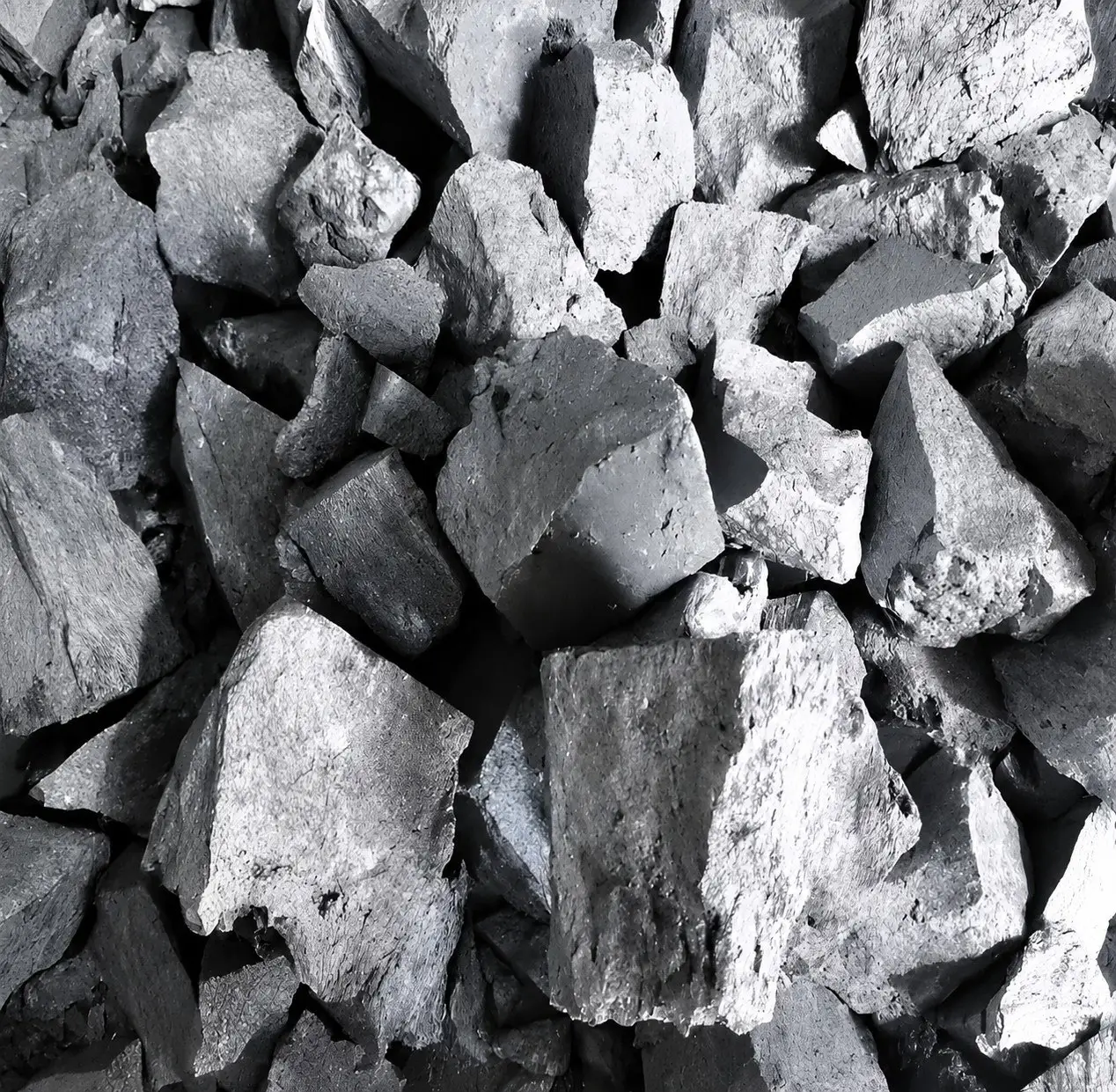
Quality assessment of ferrosilicon depends on chemical composition, particle size, moisture, density, and batch-to-batch consistency. International specifications provide a framework for evaluating product quality and suitability for metallurgical applications.
International Standards Comparison
| Standard | Si Content | C Content | Al Content |
|---|---|---|---|
| ASTM A100American Standard | ≥ 75.0% | ≤ 0.20% | ≤ 2.00% |
| JIS G2302Japanese Standard | ≥ 75.0% | ≤ 0.15% | — |
| GB/T 2272Chinese Standard | ≥ 75.0% | ≤ 0.20% | — |
| EN 10343European Reference | ≥ 75.0% | ≤ 0.20% | — |
Specification note: Chemical limits can vary by grade, product category, revision, and applicable purchasing specification. Always verify the current standard and agreed supplier specification before procurement.
Quality Control Parameters
Ferrosilicon Industrial Applications
Ferrosilicon is widely used across steelmaking, foundry, non-ferrous metallurgy, and selected chemical and refractory processes. Its silicon content and addition rate are selected according to the required metallurgical function and final product.
Steel Industry Applications
| Application | Typical Si Grade | Typical Addition Rate | Primary Function |
|---|---|---|---|
| Carbon Steel DeoxidationSteelmaking | 75–78% | 2–4 kg/t | Deoxidation |
| Alloy Steel ProductionAlloy adjustment | 65–75% | 5–8 kg/t | Silicon alloying |
| Cast Iron ProductionFoundry applications | 45–65% | 8–12 kg/t | Composition control |
| Stainless SteelSpecialty steelmaking | 70–75% | 3–6 kg/t | Alloy adjustment |
Application note: Actual ferrosilicon grade and addition rate depend on steel chemistry, furnace practice, target silicon level, recovery, slag conditions, and the producer's process requirements.
Other Industrial Uses
Aluminum Industry
Used as a silicon source for producing and adjusting aluminum-silicon alloys.
Chemical Industry
Used as a silicon-bearing feedstock in selected silicon-based chemical processes.
Solar & Silicon Industry
Silicon-bearing materials can contribute to upstream processes associated with silicon production.
Refractory Industry
Silicon-bearing raw materials are used in selected processes for silicon carbide and refractory products.
The appropriate ferrosilicon grade is selected according to the required silicon contribution, impurity limits, recovery, particle size, and the metallurgical process being used. Learn how it compares in our guide to ferrosilicon vs other ferroalloys.
Ferrosilicon Market Analysis 2026
Global ferrosilicon markets are influenced by steel production, infrastructure investment, automotive demand, energy costs, regional supply, and the transition toward lower-carbon steelmaking. Read our full ferrosilicon 2026 outlook for more detail.
Global Production Statistics
| Country | Production | Market Share |
|---|---|---|
| ChinaMajor global producer | 4.2 Mt | 65% |
| RussiaRegional producer | 0.8 Mt | 12% |
| IranGrowing production base | 0.3 Mt | 5% |
| BrazilRegional supply | 0.2 Mt | 3% |
| OthersOther producing countries | 1.0 Mt | 15% |
Combined production represented by the figures in the supplied global production dataset.
Production and market-share figures should be treated as reference estimates and verified against the latest industry datasets before publication as official statistics.
Price Trends & Market Outlook
Ferrosilicon prices vary according to silicon grade, origin, energy costs, production conditions, order volume, logistics, and delivery terms such as FOB or CIF. Check the ferrosilicon price today or review our price per ton in 2025 analysis for historical context.
Key Market Drivers
Steel Industry Growth
Expanding steel production in developing economies supports demand for ferrosilicon as a deoxidizer and alloying material.
Infrastructure Development
Infrastructure and construction projects increase demand for structural and specialty steel products.
Automotive Expansion
Automotive manufacturing supports demand for high-quality steels and advanced alloy systems.
Green Steel Initiatives
The transition toward lower-carbon steel production is reshaping technology, energy use, and raw-material requirements.
For buyers and producers, grade selection, energy efficiency, supply reliability, logistics, and total delivered cost remain key factors when evaluating ferrosilicon opportunities in 2026.
Frequently Asked Questions
Find concise answers to common questions about ferrosilicon grades, quality control, production raw materials, steelmaking applications, and particle size.
01What is the difference between FeSi 75% and FeSi 65%?
FeSi 75% typically contains around 75% silicon and is widely used for steel deoxidation and silicon alloying. FeSi 65% has a lower silicon content and can be selected for deoxidation, alloying, and applications where a lower-cost silicon source is preferred.
02How is ferrosilicon quality measured?
Ferrosilicon quality is evaluated primarily through its silicon content, together with impurity levels such as carbon, aluminum, phosphorus, and other elements. Particle size distribution and moisture may also be checked according to the applicable product specification.
03What are the main raw materials for ferrosilicon production?
The main raw materials are quartz or silica (SiO₂), a carbonaceous reducing agent such as coke or coal, and an iron-bearing material such as iron ore, mill scale, or other suitable iron sources. Wood chips may also be used in some furnace practices to improve charge permeability.
04Why is ferrosilicon important in steel production?
Ferrosilicon is important because it serves as both a deoxidizer and alloying material. It helps reduce dissolved oxygen in molten steel and provides silicon for controlling the final chemical composition and metallurgical properties of the steel.
05How does ferrosilicon particle size affect its performance?
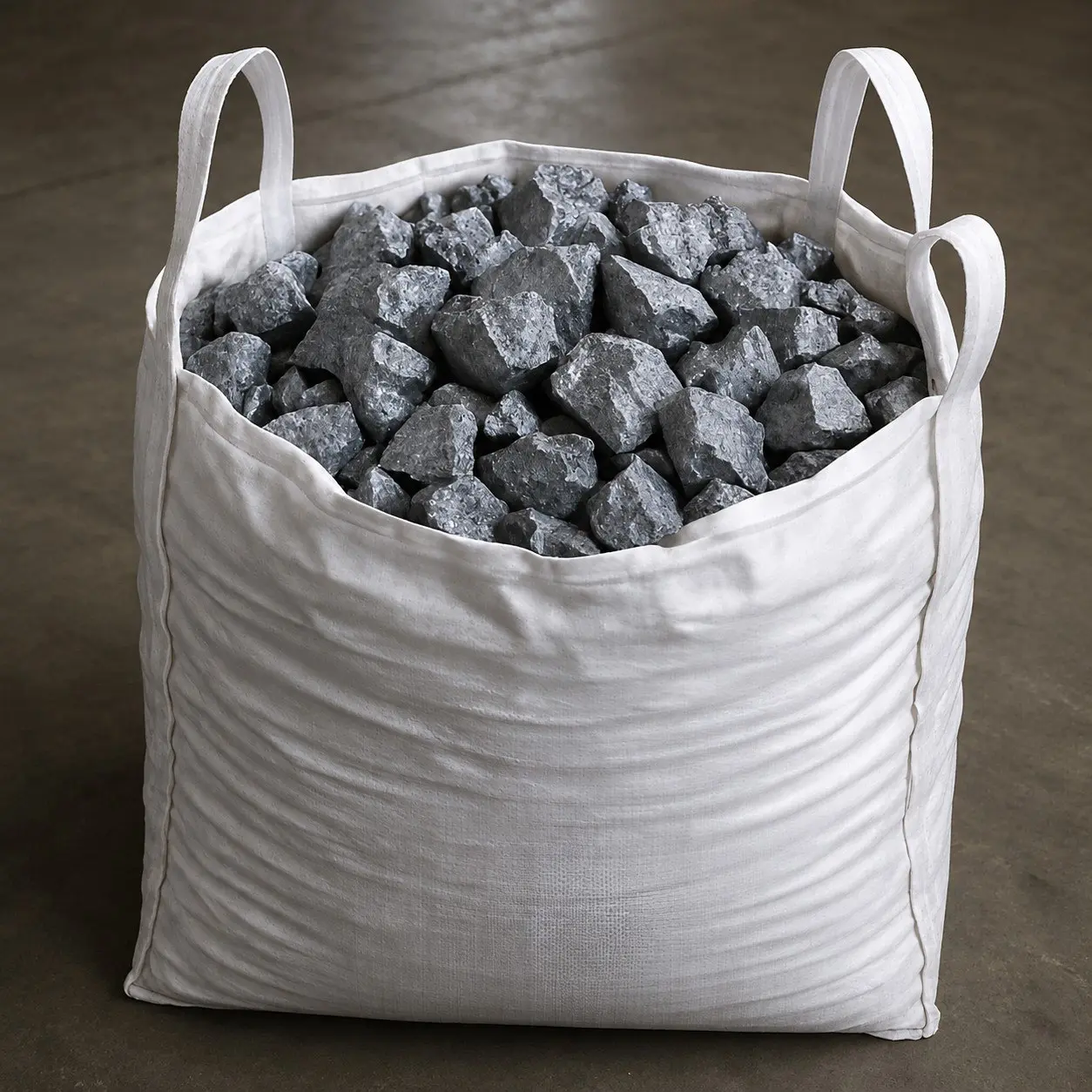
Particle size affects the dissolution rate, recovery, and distribution of ferrosilicon during metallurgical addition. Finer particles generally dissolve more rapidly, while larger sizes can be advantageous for controlled addition and certain bulk-handling applications. See our detailed comparison of milled vs atomized ferrosilicon powder for guidance on choosing the right form.
Grade selection depends on silicon content, impurity limits, particle size, application, and required delivery specification.
Conclusion: The Future of Ferrosilicon
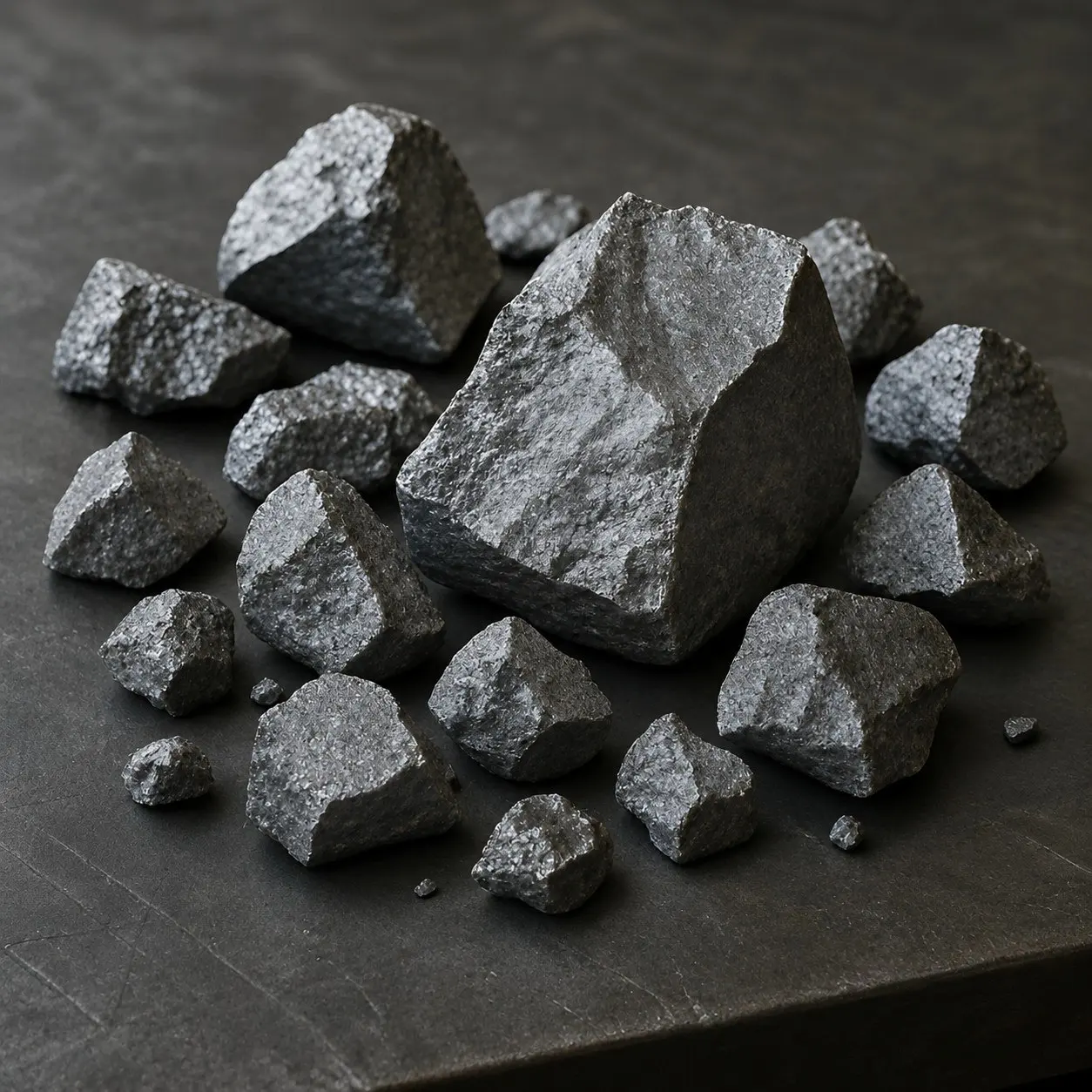
Ferrosilicon remains a fundamental material in modern steelmaking, while advances in production technology are reshaping efficiency, quality control, and environmental performance across the industry.
Efficiency, Quality & Sustainability Are Defining the Next Stage
The ferrosilicon market continues to be closely connected to global steel production, infrastructure development, and automotive demand. At the same time, stricter environmental requirements and rising energy-efficiency targets are encouraging producers to adopt more advanced technologies and cleaner production practices.
Key Takeaways
Industrial Production
Submerged arc furnace technology remains the dominant industrial route for large-scale ferrosilicon production.
Stricter Quality Standards
Global buyers increasingly require tighter control of silicon content, impurities, particle size, and consistency.
Environmental Innovation
Environmental regulations are accelerating improvements in energy efficiency, emissions control, and furnace technology.
Asian Market Leadership
Asian markets continue to play a major role in global ferrosilicon production, consumption, and trade.
Green Steel Transition
Future demand and production strategies will increasingly be influenced by green steel initiatives and cleaner energy.
Industry Outlook
A More Efficient and Sustainable Ferrosilicon Industry
The ferrosilicon industry is gradually transitioning toward more sustainable production models, with greater emphasis on energy efficiency, resource optimization, emissions reduction, and overall carbon-footprint management.
Producers that combine consistent product quality with advanced furnace technology, efficient energy management, reliable supply chains, and strong environmental compliance are better positioned to remain competitive as global metallurgical requirements continue to evolve.

Contact Our Team
Looking for a specific ferrosilicon grade, technical specification, quotation, or export information? Contact our team directly.