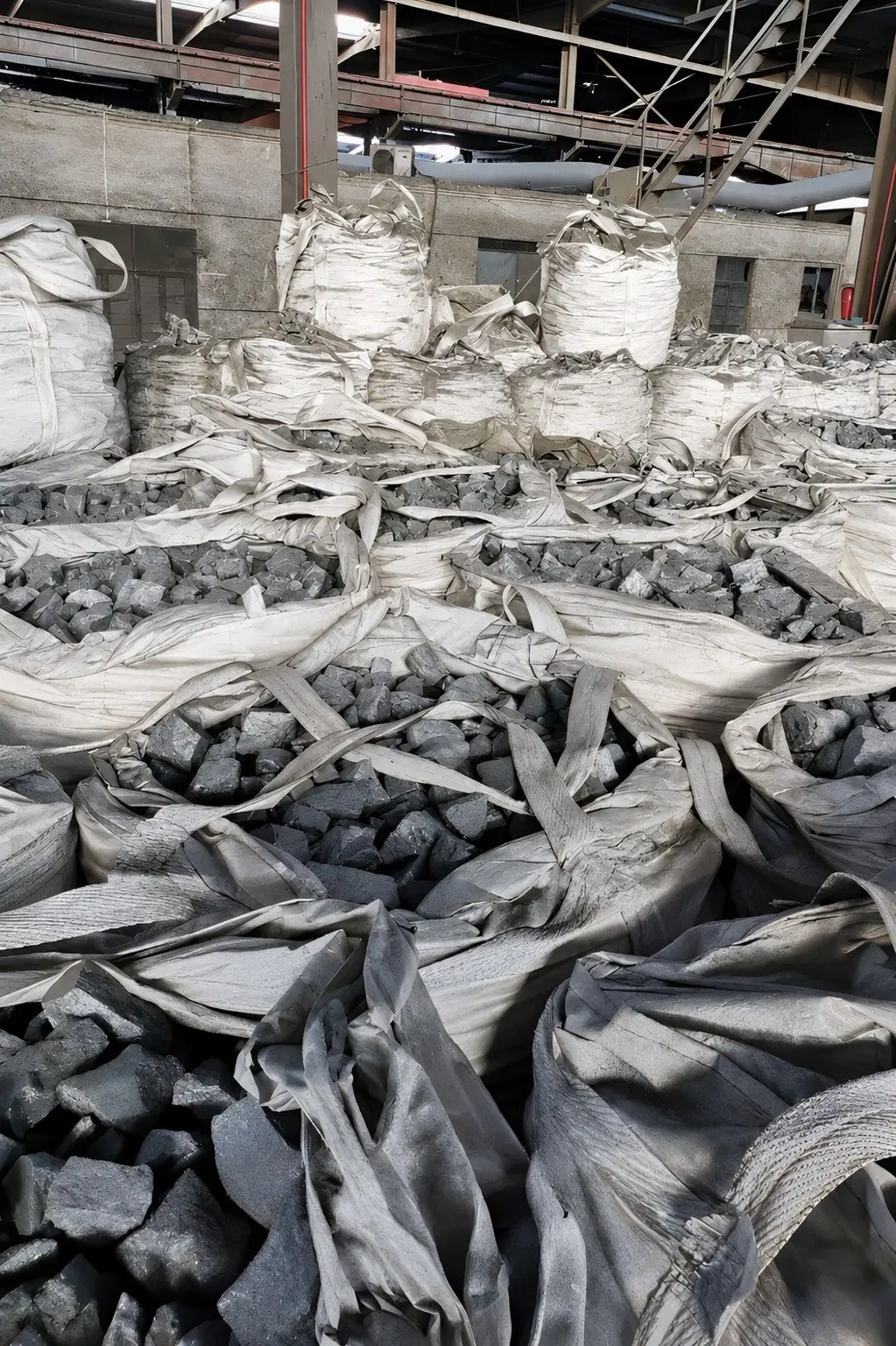
Ferrosilicon Uses & Industrial Applications
Discover how high-purity ferrosilicon is used across steelmaking, foundries, magnesium production and welding industries. Explore its chemical composition, manufacturing process, key benefits and the latest market insights.
Steelmaking
Powerful deoxidizer for premium steel production.
Foundry
Improves casting quality and mechanical properties.
Magnesium
Essential reducing agent in magnesium production.
Global Export
Supplying premium FeSi to worldwide industries.
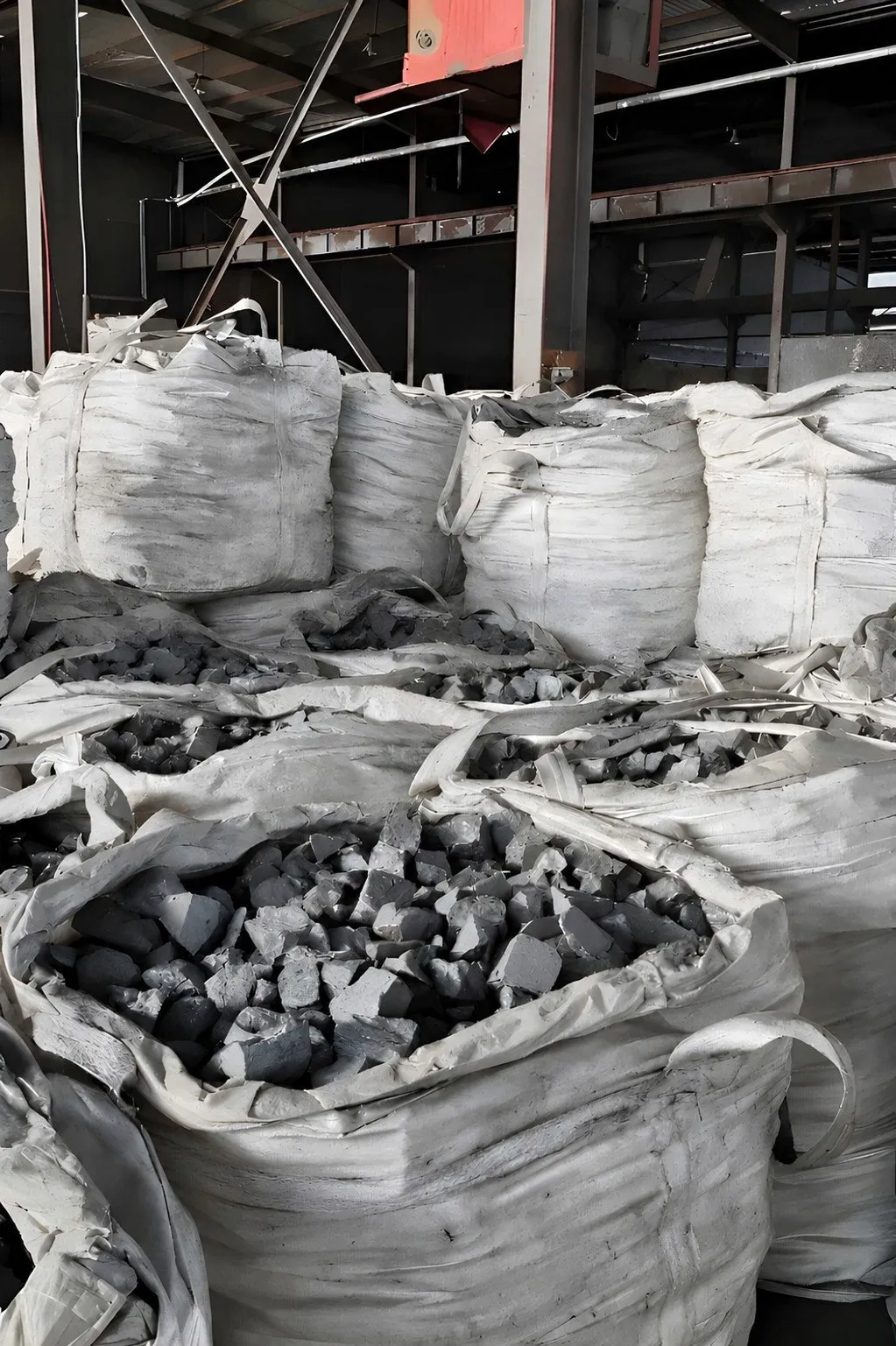
Introduction to Ferrosilicon Uses:
What is Ferrosilicon?
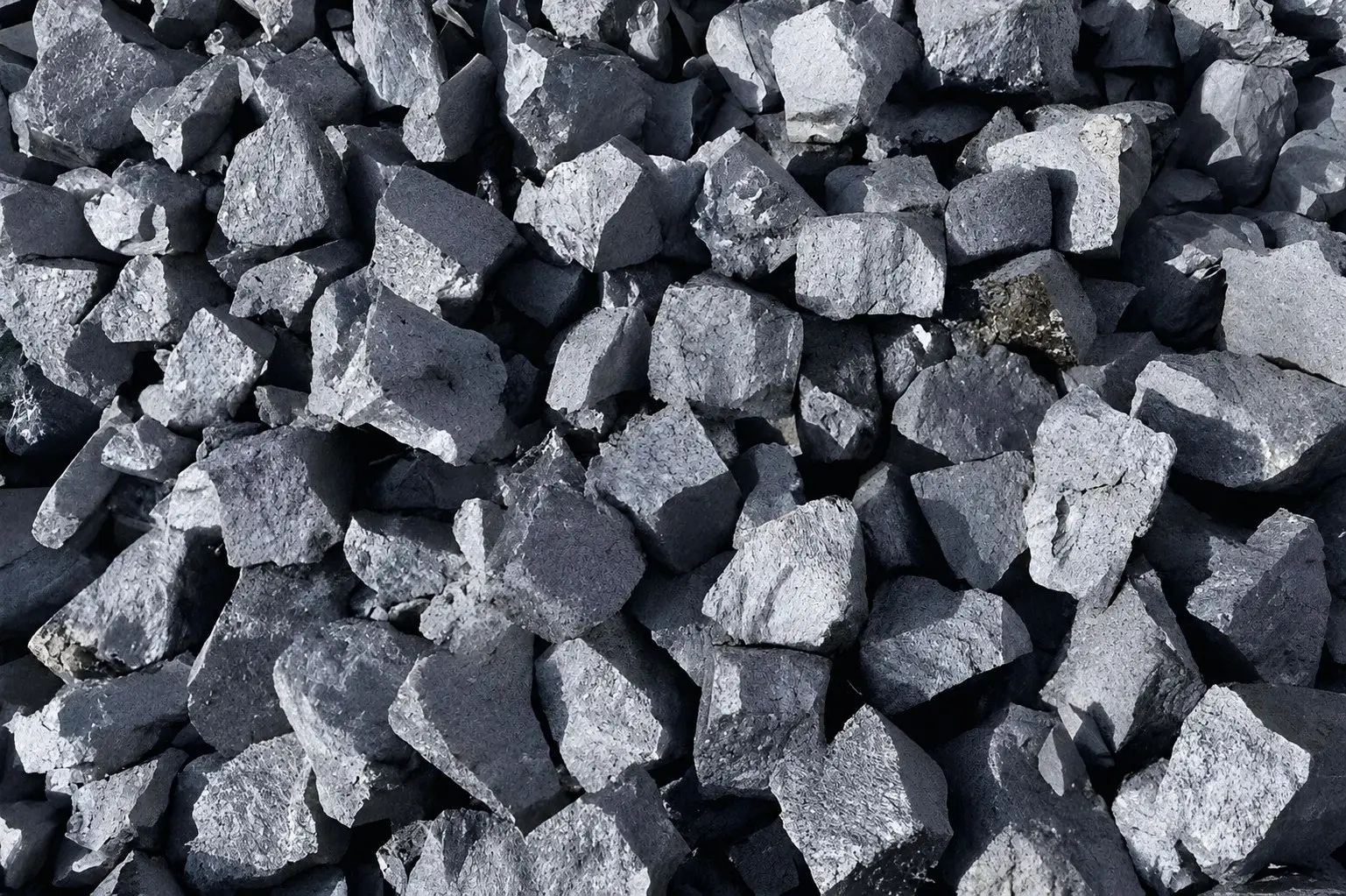
Ferrosilicon is a ferroalloy composed primarily of iron and silicon, typically containing 15% to 90% silicon by weight.
This metallic compound is produced through the carbothermic reduction of silica (SiO₂) in the presence of iron-containing materials within an electric arc furnace.
The answer lies in its ability to combine the strength of iron with the beneficial properties of silicon, creating a material that enhances the quality and performance of steel and cast iron products. A reliable ferrosilicon manufacturer ensures this balance is consistent from batch to batch.
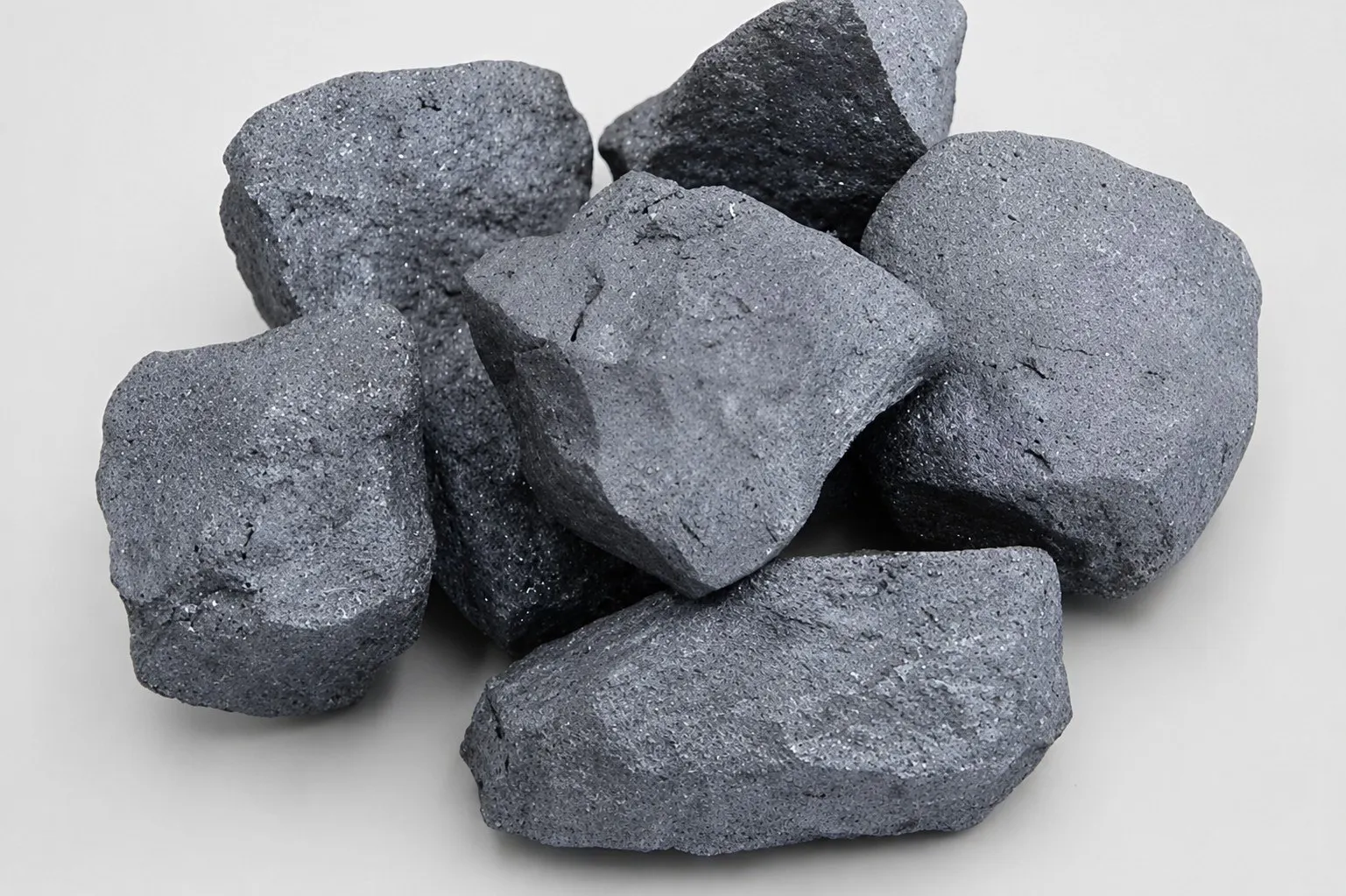
Ferrosilicon Chemical Composition & Properties:
Explore the full breakdown of ferrosilicon chemical composition by grade, including silicon, carbon, and aluminum limits for each standard.
| Silicon Content (%) | Carbon (%) | Aluminum (%) | Common Grade |
|---|---|---|---|
| 15–25 | ≤3.0 | ≤2.0 | FeSi15 |
| 45–50 | ≤0.2 | ≤2.0 | FeSi45 |
| 65–70 | ≤0.2 | ≤2.0 | FeSi65 |
| 72–80 | ≤0.2 | ≤2.0 | FeSi75 |
Physical Properties:
The physical properties of ferrosilicon vary significantly based on its silicon content:
Electrical Resistivity
Increases with higher silicon content.
Thermal Conductivity
Decreases as silicon percentage rises.
Hardness
Generally increases with silicon content.
Brittleness
More pronounced in high-silicon grades.
Ferrosilicon Manufacturing Process:
Ferrosilicon is produced through a high-temperature carbothermic reduction process in an electric arc furnace. The production cycle begins with carefully selected raw materials and ends with finished products that meet international quality standards.
Raw Materials Required
- Silica (SiO₂)Typically from quartz or quartzite.
- Iron SourcesSteel scrap, iron ore or mill scale.
- Carbonaceous ReducersCoke, coal or charcoal.
- FluxesLimestone or dolomite.
Production Steps:
01. Raw Material Preparation
Sizing and screening of materials, quality control testing, and proper mixing ratios before charging the furnace.
02. Electric Arc Furnace Operation
Raw materials are continuously fed into the furnace at temperatures between 1,500–2,000°C, with an average power consumption of 8,000–9,500 kWh per ton.
03. Tapping and Casting
The molten ferrosilicon is tapped from the furnace, cast into molds or granulated, and then cooled until solidification.
04. Finishing Operations
The final product is crushed, screened, magnetically separated, and packaged into the required grades and particle sizes to meet international quality standards. Depending on the target application, producers finish material as milled or atomized ferrosilicon powder.

Raw Material Preparation
- Quality silica (quartz) and iron sources are selected and crushed.
- Coke is added as a reducing agent to the raw mix.
- These components are carefully weighed and blended.
- Optimal proportioning ensures consistency in the final product.

Smelting in Electric Furnace
- The mixed raw materials are charged into a submerged arc furnace.
- High temperatures (up to 2000°C) drive carbothermic reduction.
- Silicon from quartz bonds with molten iron to form ferrosilicon alloy.
- Continuous monitoring and control optimize extraction and purity.

Refining, Cooling & Packaging
- The hot ferrosilicon alloy is tapped from the furnace.
- It is cooled and solidified, then broken into desired sizes.
- Impurities are removed through further refinement if needed.
- The finished ferrosilicon is then packaged for shipment.
Ferrosilicon Primary Uses and Applications
Ferrosilicon serves multiple critical functions in steelmaking:
- Deoxidation: Removes oxygen from molten steel
- Alloying: Improves steel properties
- Grain Refinement: Enhances steel microstructure
Ferrosilicon serves multiple critical functions in cast iron production as well:
- Deoxidation: Removes oxygen from molten iron
- Alloying: Improves mechanical properties
- Grain Refinement: Enhances the microstructure
Used as a raw material for producing other ferroalloys:
- Ferrosilicon-manganese
- Ferrosilicon-chromium
- Silicon-containing specialty alloys
- Welding Electrodes: Flux coating ingredient
- Refractory Materials: High-temperature applications
- Chemical Industry: Silicon compound production
Ferro Industrial Applications by Sector
Automotive Industry
The automotive sector represents one of the largest consumers of ferrosilicon-enhanced steel:
- Body Panels: High-strength, low-alloy steels
- Engine Components: Heat-resistant alloys
- Suspension Systems: Spring steels with improved fatigue resistance
- Safety Features: Crash-resistant steel structures
Construction and Infrastructure
- Structural Steel: Buildings and bridges
- Reinforcement Bars: Concrete reinforcement
- Pipeline Steel: Oil and gas transmission
- Railway Components: Rails and fasteners
Machinery and Equipment
- Agricultural Equipment: Wear-resistant components
- Mining Machinery: Heavy-duty steel parts
- Industrial Tools: Cutting and forming tools
- Power Generation: Turbine components
Consumer Goods
- Appliances: Kitchen equipment and white goods
- Electronics: Steel casings and components
- Furniture: Metal furniture frames
- Packaging: Steel containers and cans
Market Analysis and Trends
Global Production Statistics (2025)
| Country | Production (Million MT) | Market Share (%) |
|---|---|---|
| China | 4.2 | 65% |
| Russia | 0.6 | 9% |
| Norway | 0.3 | 5% |
| Iran | 0.2 | 3% |
| Others | 1.2 | 18% |
Market Drivers
- Steel Industry Growth: Increasing global steel production
- Infrastructure Development: Urbanization and construction boom
- Automotive Expansion: Electric vehicle production growth
- Quality Requirements: Demand for high-grade steel products
Emerging Trends
- Sustainability Focus: Cleaner production technologies
- Energy Efficiency: Reduced power consumption in manufacturing
- Product Innovation: Specialized grades for specific applications
- Supply Chain Optimization: Regional production strategies
The shift to electric vehicles is driving demand for high-strength, lightweight steels that require premium ferrosilicon grades for their production.
Economic Impact and Global Trade
Economic Significance
The ferrosilicon industry contributes significantly to global economic activity:
- Direct Employment: Approximately 150,000 workers worldwide
- Indirect Impact: Supporting millions of jobs in downstream industries
- Trade Value: Annual global trade exceeding $8 billion
- Regional Development: Supporting industrial clusters
Trade Patterns
Major Exporters
- China (45% of global exports)
- Russia (12% of global exports)
- Norway (8% of global exports)
- Kazakhstan (6% of global exports)
Major Importers
- Japan (15% of global imports)
- South Korea (12% of global imports)
- Germany (10% of global imports)
- United States (8% of global imports)
Price Volatility Factors
- Energy Costs: Electricity price fluctuations
- Raw Material Availability: Silica and coke supply
- Steel Market Demand: Construction and manufacturing cycles
- Trade Policies: Tariffs and trade agreements
Buyers tracking costs can also review our detailed breakdown of the ferrosilicon price per ton in 2025, and supply planners should watch the latest analysis of global ferrosilicon supply risk.
Economic downturns typically reduce steel demand, leading to decreased ferrosilicon consumption and price pressure, while economic growth drives increased demand and higher prices.
Ferrosilicon Market Projections (2025–2030)
| Parameter | 2025 | 2027 | 2030 | Growth Rate |
|---|---|---|---|---|
| Global Production (MT) | 6.8M | 7.5M | 8.2M | 3.2% CAGR |
| Market Value (USD) | $12.3B | $14.1B | $16.2B | 4.6% CAGR |
| Consumption Growth | – | 2.8% | 3.1% | Steady increase |
For a deeper look at where prices and demand are headed next year, see our dedicated ferrosilicon market outlook for 2026.
Sustainability Initiatives
- Carbon Footprint Reduction: Lower CO₂ emissions per ton
- Circular Economy: Recycling and waste minimization
- Renewable Energy: Solar and wind-powered production
- Life Cycle Assessment: Comprehensive environmental evaluation
Challenges
- Rising energy costs
- Environmental regulations
- Supply chain disruptions
- Competition from alternatives
Opportunities
- Emerging market growth
- High-performance steel demand
- Infrastructure development
- Technological advancement
As industries focus on sustainability, ferrosilicon producers are developing cleaner production methods and more efficient grades that enable the creation of stronger, lighter materials with reduced environmental impact.
Frequently Asked Questions
What is the difference between ferrosilicon and pure silicon?
Ferrosilicon is an alloy containing both iron and silicon, typically with silicon content ranging from 15% to 90%. Pure silicon, on the other hand, contains 99%+ silicon and is used primarily in electronics and chemical applications. Ferrosilicon is more cost-effective for metallurgical applications and provides the combined benefits of both iron and silicon properties.
How is ferrosilicon different from other ferroalloys?
Ferrosilicon specifically contains iron and silicon as its primary components, while other ferroalloys contain different elements such as:
- Ferromanganese: Iron and manganese
- Ferrochrome: Iron and chromium
- Ferronickel: Iron and nickel
See a full side-by-side comparison in ferrosilicon vs other ferroalloys.
Can ferrosilicon be recycled?
Yes, ferrosilicon can be recycled through several methods:
- Steel scrap containing ferrosilicon can be remelted
- Production waste and off-specification material can be reprocessed
- Slag from ferrosilicon production can be used in cement manufacturing
- Dust collected from handling operations can be recycled back into production
What safety precautions are necessary when handling ferrosilicon?
Key safety measures include:
- Respiratory Protection: Prevent inhalation of silica dust
- Fire Prevention: Avoid contact with water when material is hot
- Personal Protective Equipment: Safety glasses, gloves and protective clothing
- Proper Ventilation: Ensure adequate air circulation
- Training: Regular safety education for all personnel
How does particle size affect ferrosilicon performance?
Particle size significantly impacts ferrosilicon effectiveness:
- Fine particles (0–3mm): Faster dissolution, better for deoxidation
- Medium particles (3–10mm): Balanced performance for most applications
- Coarse particles (10–50mm): Slower dissolution, suitable for alloying
- Powder (<1mm): Fastest reaction but higher dust generation
Conclusion
Ferrosilicon stands as a cornerstone material in modern industrial manufacturing, playing an indispensable role in steel production and numerous other applications.
From its fundamental use as a deoxidizer in steelmaking to its specialized applications in high-performance alloys, ferrosilicon continues to enable technological advancement across multiple industries.
The global ferrosilicon market demonstrates remarkable resilience and growth potential, driven by ongoing industrialization, infrastructure development, and the increasing demand for high-quality steel products.
As we move toward a more sustainable future, the industry is adapting through technological innovation, cleaner production methods, and the development of specialized grades that meet evolving market requirements.
Understanding ferrosilicon's properties, applications, and market dynamics is crucial for professionals across the metallurgical, manufacturing, and construction industries.
Whether you're involved in steel production, casting operations, or downstream manufacturing, ferrosilicon's role in creating stronger, more durable, and higher-performing materials makes it an essential component of modern industrial processes.
For custom quotes, export availability, or live price updates — contact our export desk 24/7 via WhatsApp or email.