Article Summary: An Executive Overview
Ferrosilicon is a foundational ferroalloy an alloy of iron and silicon and one of the most critical inputs in the global iron and steel industry.
Its main job is to pull dissolved oxygen out of molten steel during deoxidation, and to work as an inoculant and alloying agent in cast iron manufacturing.
It's made in submerged arc furnaces through the carbothermic reduction of silica in the presence of iron, then graded by silicon content the common grades on the market are FeSi 45, FeSi 65 and FeSi 75.
This guide walks through the full lifecycle of ferrosilicon: raw materials, the production process, product grades, real-world applications, the regions that drive demand, and the safety points buyers should know.
What is Ferrosilicon? Understanding the Fundamental Properties of FeSi
Ferrosilicon (FeSi) is a ferroalloy made mainly of iron and silicon, and it's one of the most important raw materials in modern steelmaking because of how well it deoxidizes and alloys molten steel.
Silicon content usually falls somewhere between 15% and 90%, with the rest made up of iron plus trace elements like aluminum, calcium and carbon.
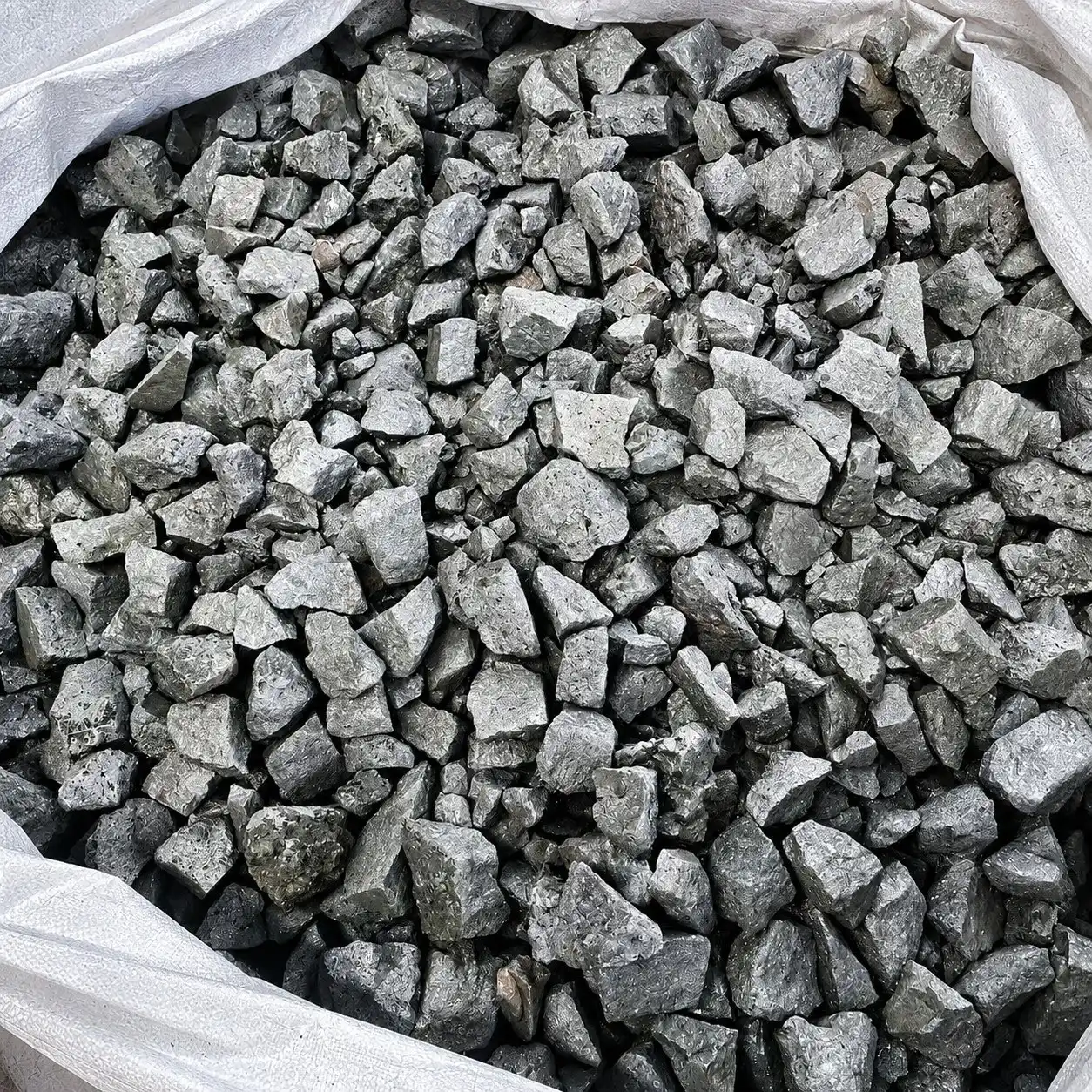
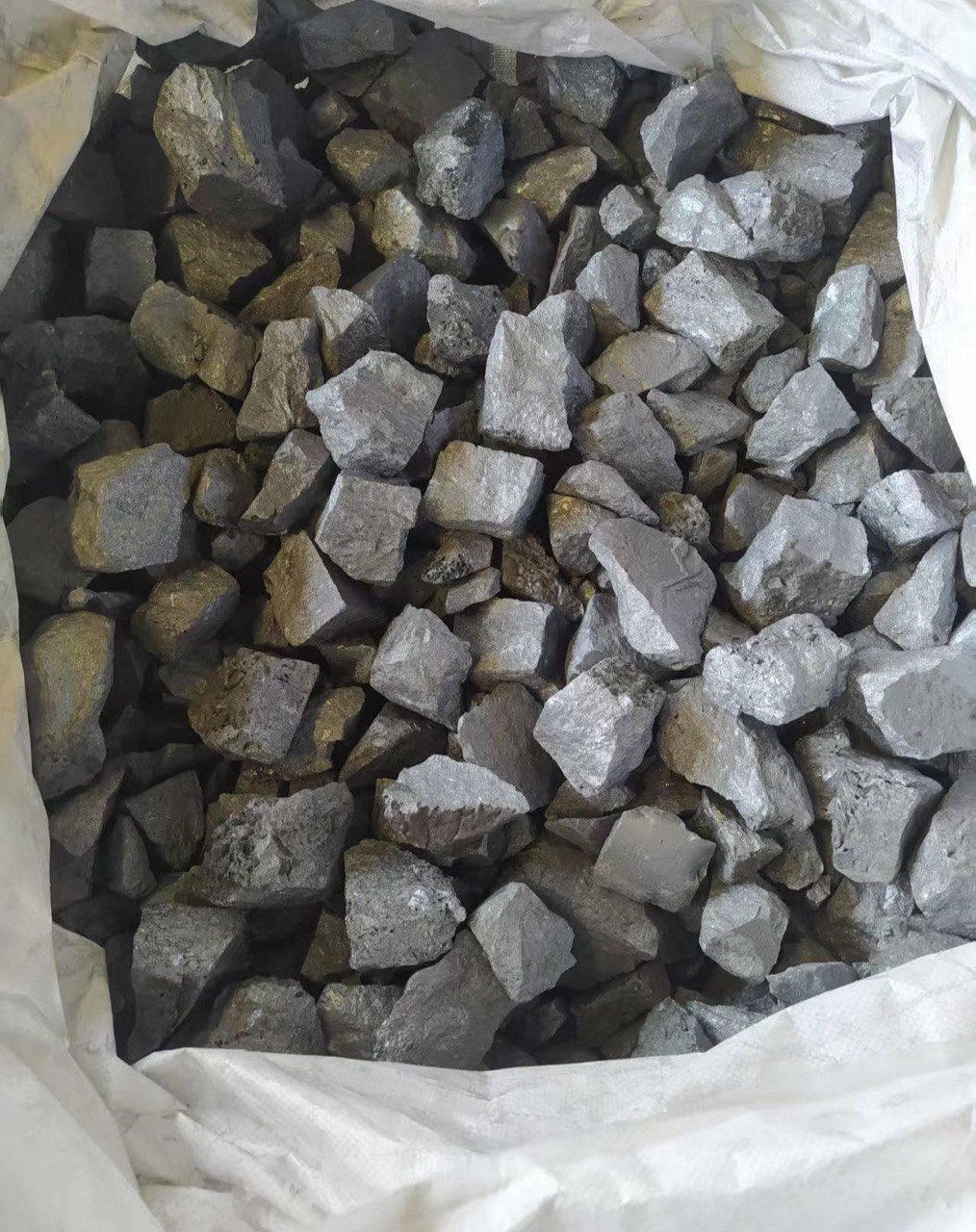
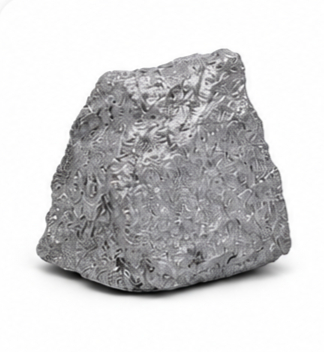
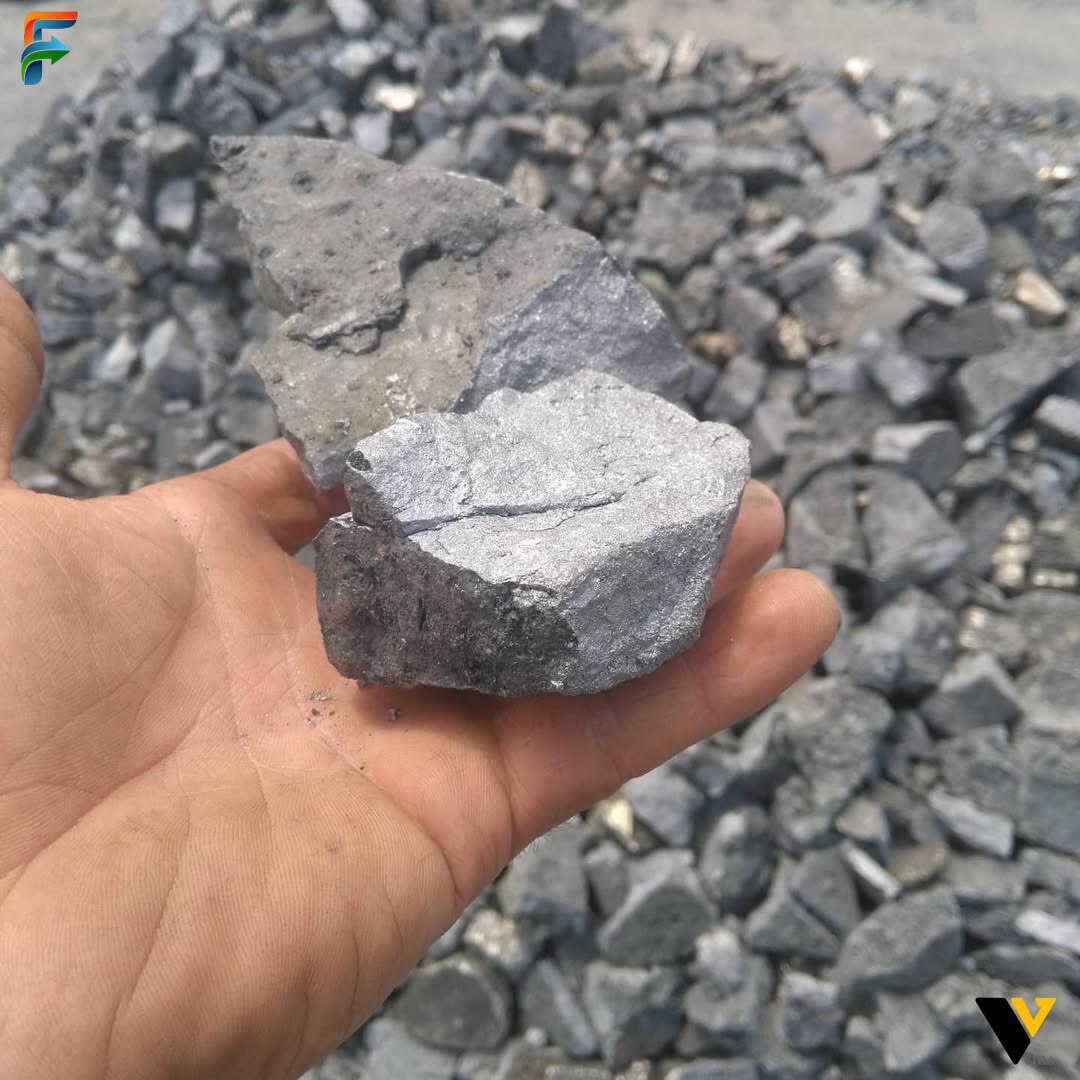
It looks like a silver-gray, brittle alloy sold in lump or granular form — but its real value is in its strong chemical pull toward oxygen, which is what lets it purify molten steel and lift its mechanical properties.
Key Technical Fact
Ferrosilicon is one of the world's most widely used deoxidizers and alloying agents, helping manufacturers produce cleaner, stronger and higher-quality steels.
Powerful Deoxidizer
Removes dissolved oxygen from molten steel to reduce inclusions, improve casting quality and enhance mechanical performance.
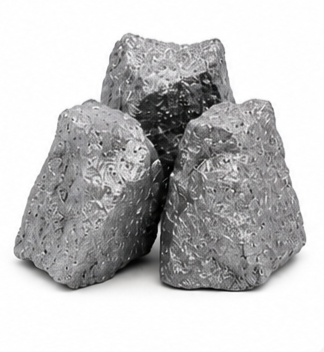
Alloying Element
Increases strength, corrosion resistance, hardness and overall metallurgical performance in a wide range of steel grades.
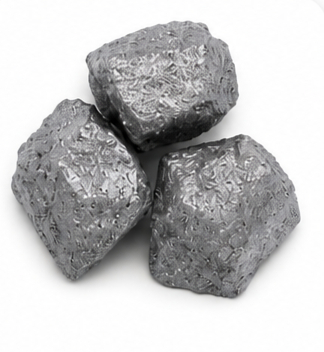
Reducing Agent
Used in ferroalloy manufacturing and specialized industrial processes including magnesium production.
Need Premium Export Ferrosilicon?
Contact our export specialists for product specifications, pricing and worldwide shipping.
Why Ferrosilicon.co?

24/7 Support
Our export team is available around the clock.

Worldwide Export
Reliable international delivery across global markets.

Highest Purity
Consistent chemical composition with strict quality control.

Premium Quality
Industrial-grade ferrosilicon manufactured to international standards.

Competitive Price
Factory-direct pricing with flexible export solutions.
The Production of Ferrosilicon From Raw Material to Final Product
Making ferrosilicon (FeSi) is an energy-intensive job carried out in a Submerged Arc Furnace (SAF). The process runs on carbothermic reduction of silica: electric arcs generate enough heat to convert silica into elemental silicon, which then combines with molten iron to form ferrosilicon.
Tight control over raw materials, furnace temperature and chemical composition is what keeps silicon content consistent and purity high — which matters to steel and foundry buyers everywhere.
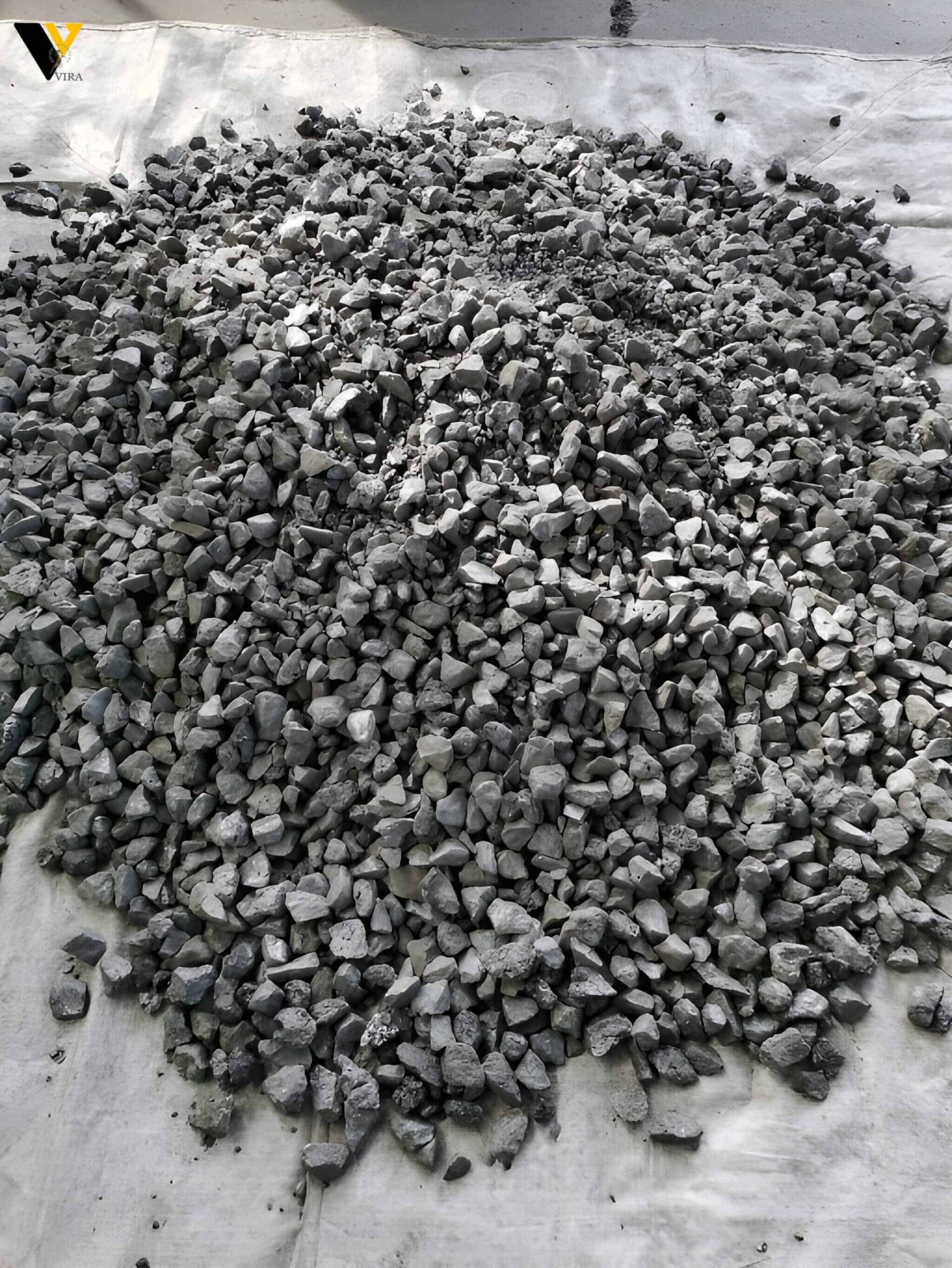
Raw Materials The Foundation of High-Purity Ferrosilicon
Silica Source
High-purity Quartz or Quartzite (SiO₂) serves as the primary silicon source used throughout the reduction process.
Carbon Reductant
A controlled mixture of Coke, Coal and Wood Chips removes oxygen from silica during carbothermic reduction.
Iron Source
Steel Scrap, Mill Scale or Iron Ore provides the iron component required to produce the FeSi alloy.
Smelting Process Inside the Submerged Arc Furnace (SAF)
Charging
Carefully proportioned raw materials are continuously charged into the furnace.
Electric Smelting
Massive carbon electrodes push temperatures above 2000°C (3632°F), which is what kicks off the reduction reaction.
Chemical Reduction
Silicon dioxide reacts with carbon to produce elemental silicon.
SiO₂ + 2C → Si + 2CO↑
Tapping
Molten ferrosilicon is tapped into refractory-lined ladles while slag is removed.
Casting & Cooling
The molten alloy is cast into molds where it cools and solidifies into large blocks.
Crushing & Sizing
Finished ferrosilicon is crushed, screened and classified into powders, granules and lump sizes according to international specifications.
Looking for a Reliable Ferrosilicon Manufacturer?
Explore the world's leading ferrosilicon producers, manufacturing capacities and export markets.
Grades and Specifications of Ferrosilicon Understanding FeSi Chemical Composition & Quality Standards
Ferrosilicon is traded by silicon content and controlled impurity levels — the grade name is basically the nominal percentage of silicon in the alloy.
Grades such as FeSi 45, FeSi 65, FeSi 72 and FeSi 75 are each built for specific needs in steelmaking, foundry work and alloy production.
| Grade | Silicon (Si) % | Aluminum (Al) % | Main Application |
|---|---|---|---|
| FeSi 45 | 41 - 47% | ≤ 2.0% | General alloying applications |
| FeSi 65 | 63 - 68% | ≤ 2.0% | Steel deoxidation & foundry use |
| FeSi 75 | 75 - 80% | ≤ 1.5% | Premium steelmaking grade |
| FeSi 72 | 70 - 75% | ≤ 1.5% | Standard industrial grade |
Custom Specifications Available
Impurity limits can be adjusted to customer requirements. Low-aluminum and low-calcium ferrosilicon grades are available for specialized steel and foundry applications.
Need Ferrosilicon Price & Technical Data?
Get current export prices, specifications and worldwide supply options.
Key Applications of Ferrosilicon How Ferrosilicon Improves Steelmaking, Foundry Operations & Magnesium Production
Ferrosilicon (FeSi) is one of the most widely used ferroalloys in modern metallurgy. Its deoxidizing ability, alloying behavior and reducing power give it a central role in steelmaking, foundries, magnesium production and mineral processing.
Grades such as FeSi 65, FeSi 72 and FeSi 75 get picked based on silicon content and what each application actually needs technically.
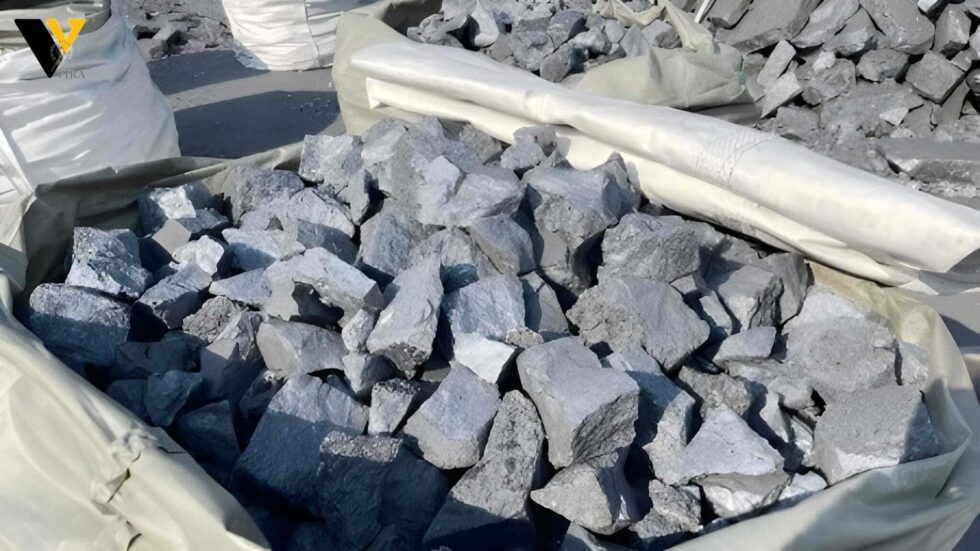
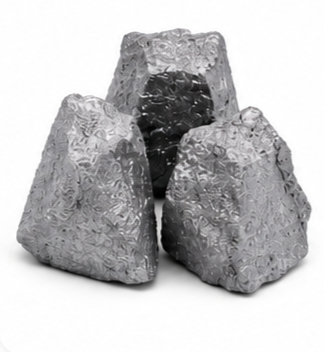
A. Steelmaking
Steel production is the largest consumer of ferrosilicon. It's mainly used as a deoxidizer and as an alloying element for producing electrical and specialty steels.
- Removes dissolved oxygen from molten steel.
- Improves steel cleanliness and mechanical properties.
- Essential for transformer and electrical silicon steels.
2FeSi + O₂ → 2Fe + SiO₂
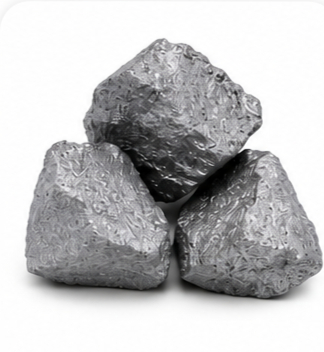
B. Cast Iron Production
Ferrosilicon is widely used as an inoculant during cast iron production.
- Promotes graphite formation.
- Prevents brittle carbides.
- Improves machinability and ductility.
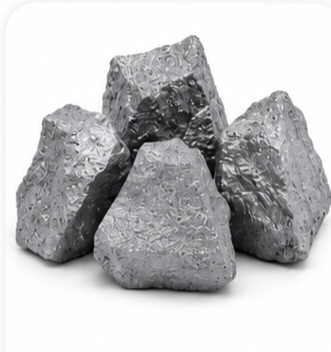
C. Magnesium Production
In the Pidgeon Process, ferrosilicon serves as the reducing agent for producing metallic magnesium.
2MgO·CaO + Si → 2Mg + Ca₂SiO₄ + Fe
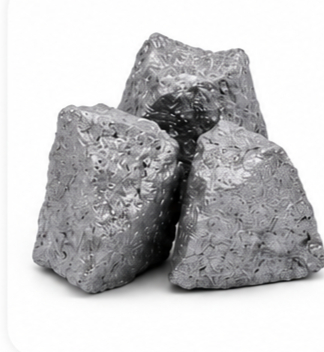
D. Other Industrial Uses
- Heavy Media Separation (HMS)
- Mineral processing plants
- Welding electrode coatings
- Special alloy manufacturing
Ferrosilicon Export Markets Worldwide Regions We Supply — Ranked by Global FeSi Demand
Ferrosilicon demand tracks global steel production, and that production is concentrated in a handful of world regions. Below is every region we export to, ordered by how much ferrosilicon each region consumes — from the largest steelmaking hubs to emerging markets.
East Asia
largest steel & ferrosilicon consumption region - China, South Korea, Japan
Middle East
Fast-growing steel capacity - Turkey, Saudi Arabia, UAE, Iraq, Iran
South & Southeast Asia
Rapidly foundry & steel sectors - India, Vietnam, Indonesia, Pakistan
CIS & Central Asia
Established ferroalloy producers & buyers - Russia, Kazakhstan, Uzbekistan
Europe
Precision steel & foundry manufacturing - Germany, Italy, Poland, Ukraine
North America
High-spec steelmaking demand - United States, Canada, Mexico
Latin America
Leading Best steel producers - Brazil, Argentina, Chile
Africa
Emerging steel demand - Egypt, South Africa, Algeria, Nigeria
Oceania
Specialty-grade steel & foundry demand - Australia, New Zealand
We export ferrosilicon to every region above and beyond — contact our export desk for availability and lead times to your port.
Frequently Asked Questions About Ferrosilicon Understanding FeSi Uses, Grades, Safety & Market Factors
1. What is the primary use of ferrosilicon?
The main use of ferrosilicon is as a deoxidizer in steel production. It pulls harmful dissolved oxygen out of molten steel, which improves quality and helps prevent defects.
2. What is the difference between FeSi 75 and FeSi 45?
It comes down to silicon content: FeSi 75 contains roughly 75% silicon, while FeSi 45 sits around 45%. FeSi 75 deoxidizes more strongly, which is why it's the grade most used in steelmaking.
3. Is ferrosilicon dangerous?
Solid, dry ferrosilicon is stable. The real risks are dust exposure and contact with moisture, which can generate flammable gases — so dry storage and careful handling matter.
4. How is ferrosilicon price determined?
Price mainly tracks electricity costs, raw material inputs like quartz and coke, global supply and demand, and production levels in the major producing regions.
The Unseen Pillar of Modern Industry
Ferrosilicon is an essential industrial material with a critical role in modern metallurgy. From quartz and iron processed in submerged arc furnaces to finished steel, FeSi underpins the strength, quality and reliability of the materials industry depends on.
As a deoxidizer, it improves steel integrity. As an inoculant, it enhances cast iron properties. As a reducing agent, it contributes to magnesium production.
Summary of Ferrosilicon Core Attributes
| Aspect | Summary Description |
|---|---|
| Identity | Iron-silicon alloy (FeSi), a fundamental ferroalloy. |
| Production | Energy-intensive carbothermic reduction in a submerged arc furnace. |
| Key Function | Steel deoxidation, cast iron inoculation and alloy production. |
| Major Grades | FeSi 75, FeSi 65 and FeSi 45 based on silicon content. |
| Market | Driven mainly by global steel demand, led by East Asia. |
| Future Outlook | Growing demand for energy-efficient production and high-purity grades. |
Need Ferrosilicon Price or Export Availability?
Get custom quotations, technical specifications and worldwide supply options.
best in the world