
Ferro Silicon Price per Ton November 2026
Discover the November 2026 ferrosilicon price per ton for FeSi 65%, 70%, 72% and 75%, along with specialized ferro silicon powder grades. Compare indicative international price ranges, technical specifications and industrial applications to make informed sourcing decisions.
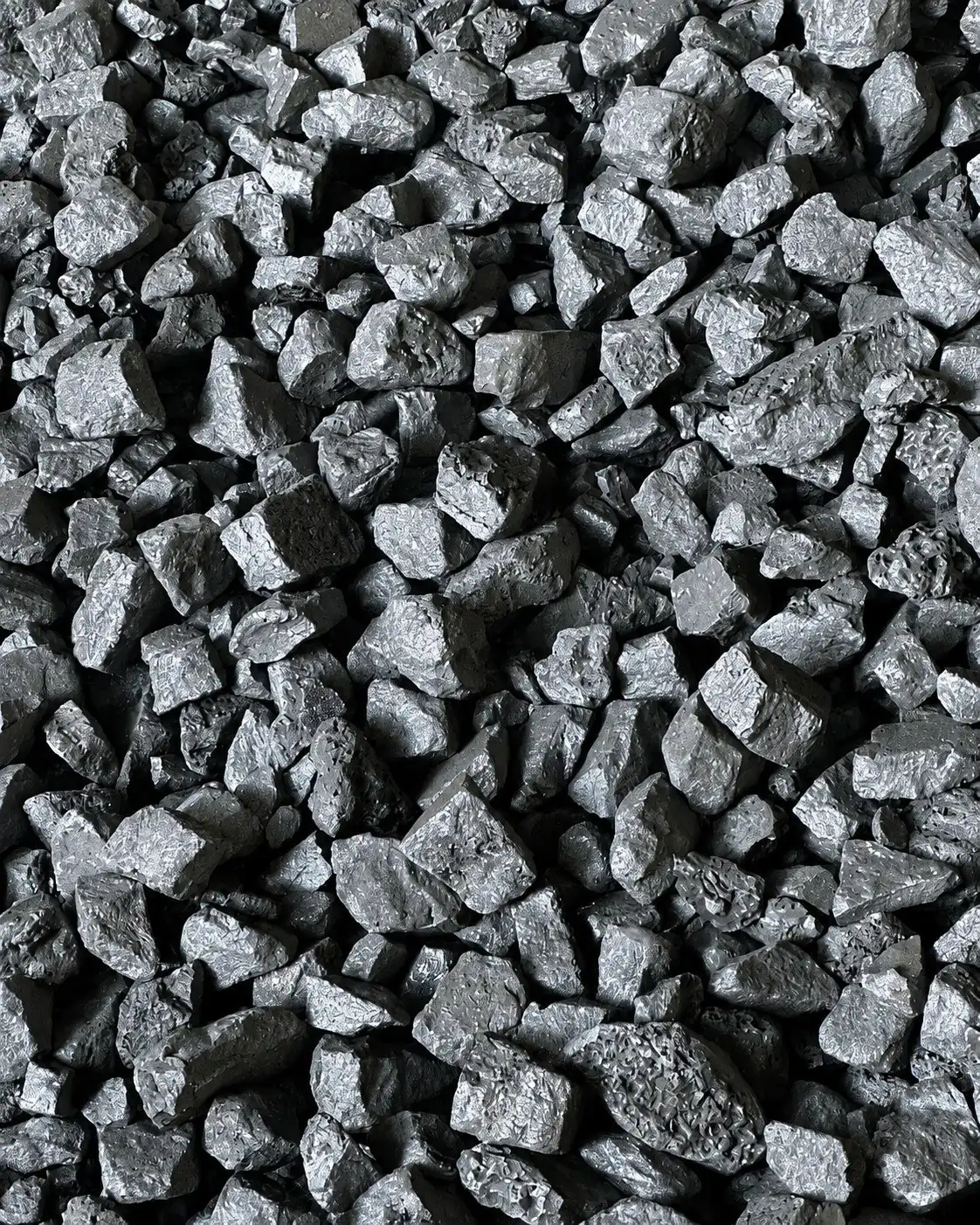
In November 2026, the indicative ferro silicon price ranges from $850 to $1,140 per metric ton for standard FeSi grades. Standard ferrosilicon powder is listed at $1,000–1,200/MT. Specialized FeSi 15% and FeSi 45% milled and atomized DMS products require separate quotations based on their chemical composition and particle-size specifications.
Ferrosilicon Price per Ton in November 2026
The ferro silicon price depends on silicon content, chemical composition, physical size, processing method and commercial requirements. The following table provides indicative November 2026 price ranges for standard ferrosilicon grades and powders across international export markets.
Global Ferrosilicon Export Price List
NOVEMBER 2026| Product | Grade | Typical Size | Export Regions | Price (USD/MT) |
|---|---|---|---|---|
| Ferrosilicon | FeSi 75% High-C | 10–60 mm | Europe · Asia-Pacific · Middle East · Africa · Americas · Oceania | $1,000–1,140 |
| Ferrosilicon | FeSi 72% Standard | 10–60 mm | Europe · Asia-Pacific · Middle East · Africa · Americas · Oceania | $950–1,080 |
| Ferrosilicon | FeSi 70% Standard | 10–60 mm | Europe · Asia-Pacific · Middle East · Africa · Americas · Oceania | $900–1,040 |
| Ferrosilicon | FeSi 65% Low-C | 10–50 mm | Europe · Asia-Pacific · Middle East · Africa · Americas · Oceania | $850–940 |
| Ferrosilicon Powder | Various Grades | Milled / Atomized | Europe · Asia-Pacific · Middle East · Africa · Americas · Oceania | $1,000–1,200 |
Price figures are indicative commercial reference ranges for November 2026, expressed in USD per metric ton. Final quotations depend on chemical analysis, order quantity, packaging, shipment schedule and Incoterms.
FeSi 15% and FeSi 45% Milled & Atomized DMS Powder
Ferrosilicon powder is an important material in dense media separation (DMS) and mineral beneficiation. Depending on the application, buyers can select FeSi 15% or FeSi 45% in milled and atomized forms. Each product has different particle characteristics and processing requirements.
Specialized DMS Product Range
CUSTOM SPECIFICATIONS| Product | Grade | Processing Method | Application | Price |
|---|---|---|---|---|
| Ferrosilicon Powder | FeSi 15% | Milled | DMS / Heavy Media | Request a Quote |
| Ferrosilicon Powder | FeSi 15% | Atomized | DMS / Heavy Media | Request a Quote |
| Ferrosilicon Powder | FeSi 45% | Milled | DMS / Mineral Processing | Request a Quote |
| Ferrosilicon Powder | FeSi 45% | Atomized | DMS / Mineral Processing | Request a Quote |
Request a FeSi DMS Powder Quotation
Share your required grade and processing method to receive a product-specific quotation for milled or atomized ferrosilicon powder.
- FeSi 15% or FeSi 45%
- Milled or atomized processing
- Required particle-size distribution
- Chemical composition and impurity limits
- Required order quantity
- Packaging and destination port
What Is Ferrosilicon (Ferro Silicon)?
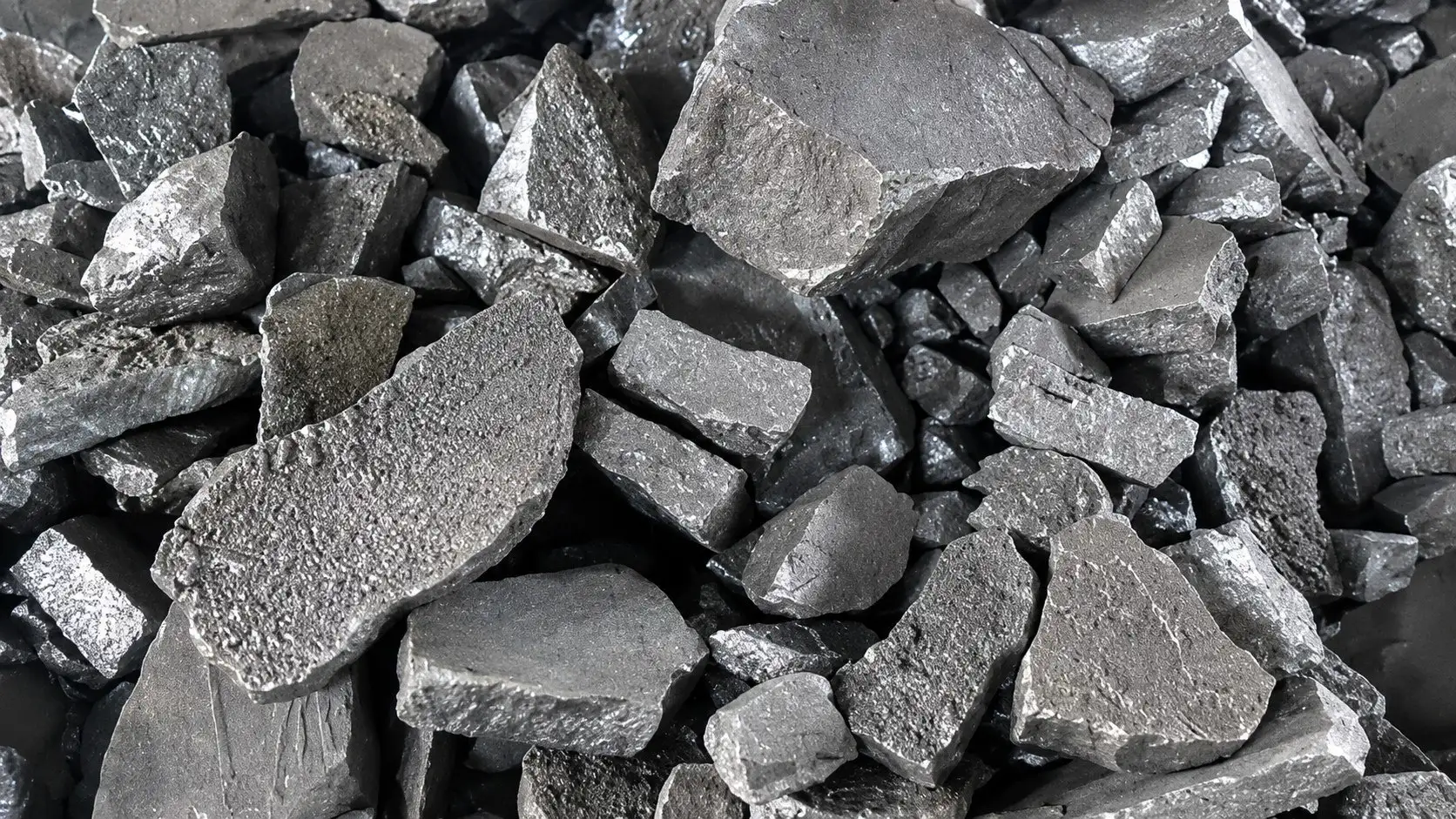
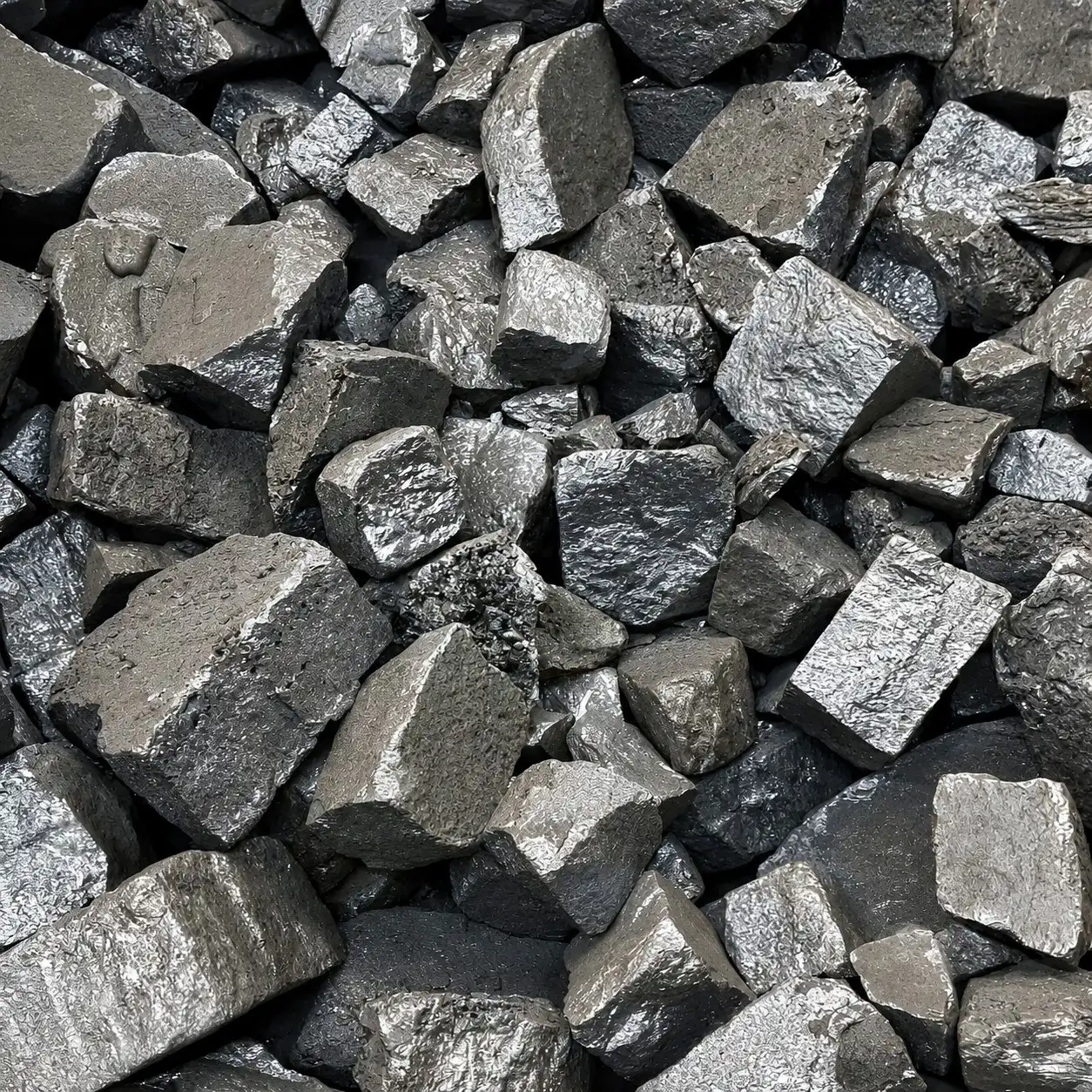
Ferrosilicon (FeSi), also known as ferro silicon, is an iron-silicon alloy produced by reducing silica in a submerged electric arc furnace using carbon-based reducing materials. Commercial grades commonly include FeSi 65%, 70%, 72% and 75%.
Ferrosilicon is primarily used as a deoxidizer and alloying material in steelmaking and foundry operations. It helps remove dissolved oxygen from molten steel and supplies silicon to achieve the required chemical composition.
Beyond conventional lump ferro silicon, specialized milled and atomized powders are used in dense media separation and selected mineral-processing applications.
- Steel deoxidation and silicon addition
- Foundry operations and cast iron production
- Magnesium production through the Pidgeon process
- Dense media separation and mineral processing
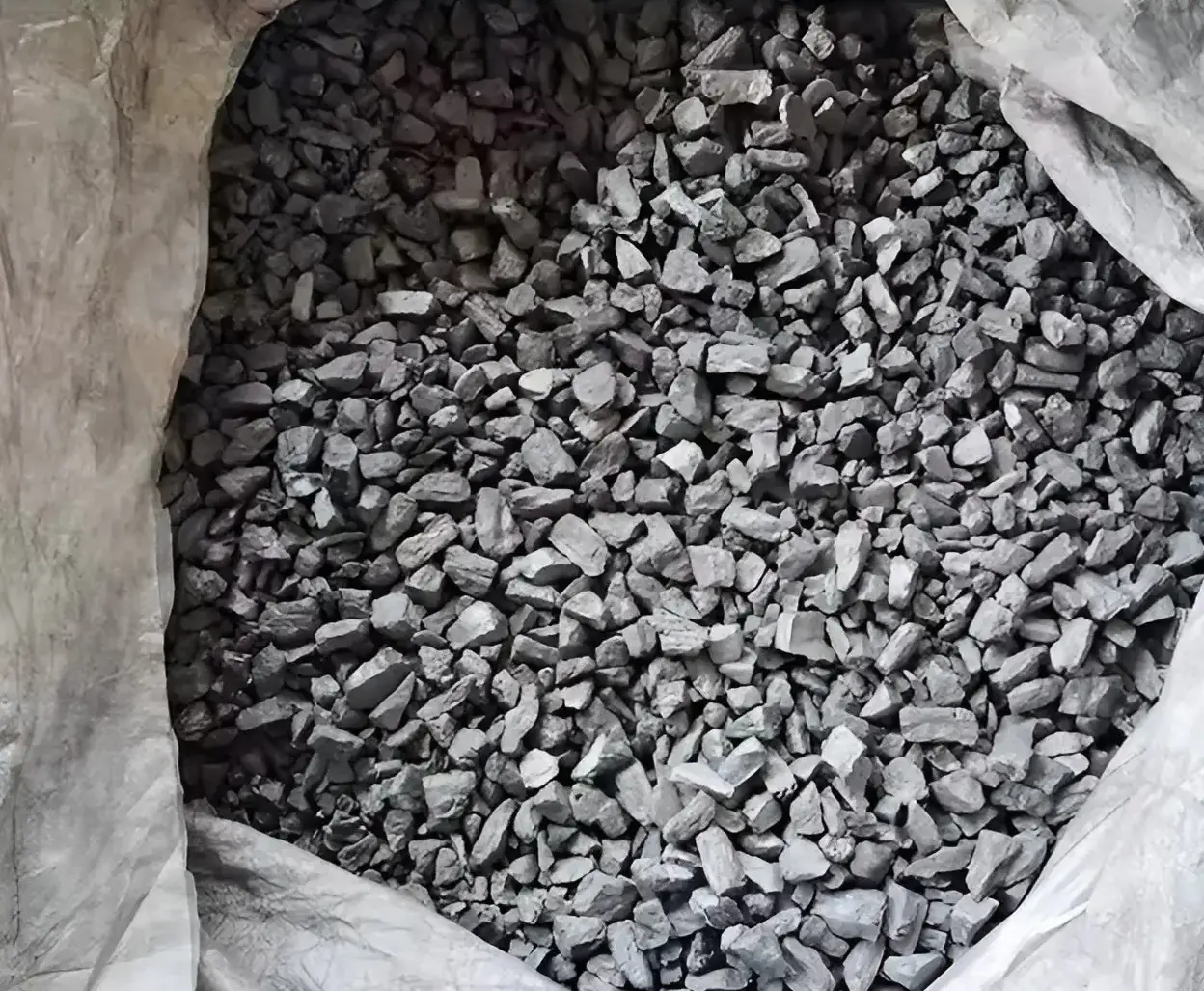
Ferrosilicon Grades and Their Applications
Ferro silicon is available in several commercial grades with different silicon concentrations. Selecting the correct grade depends on process requirements, silicon recovery and the required chemical composition of the final product.
FeSi 65
A lower-silicon grade used in selected steelmaking and foundry applications.
FeSi 70
A standard industrial grade for deoxidation and silicon addition.
FeSi 72
A widely traded ferrosilicon grade for steelmaking and foundry use.
FeSi 75
A higher-silicon grade used in industrial and specialized processes.
Where Is Ferrosilicon Used?
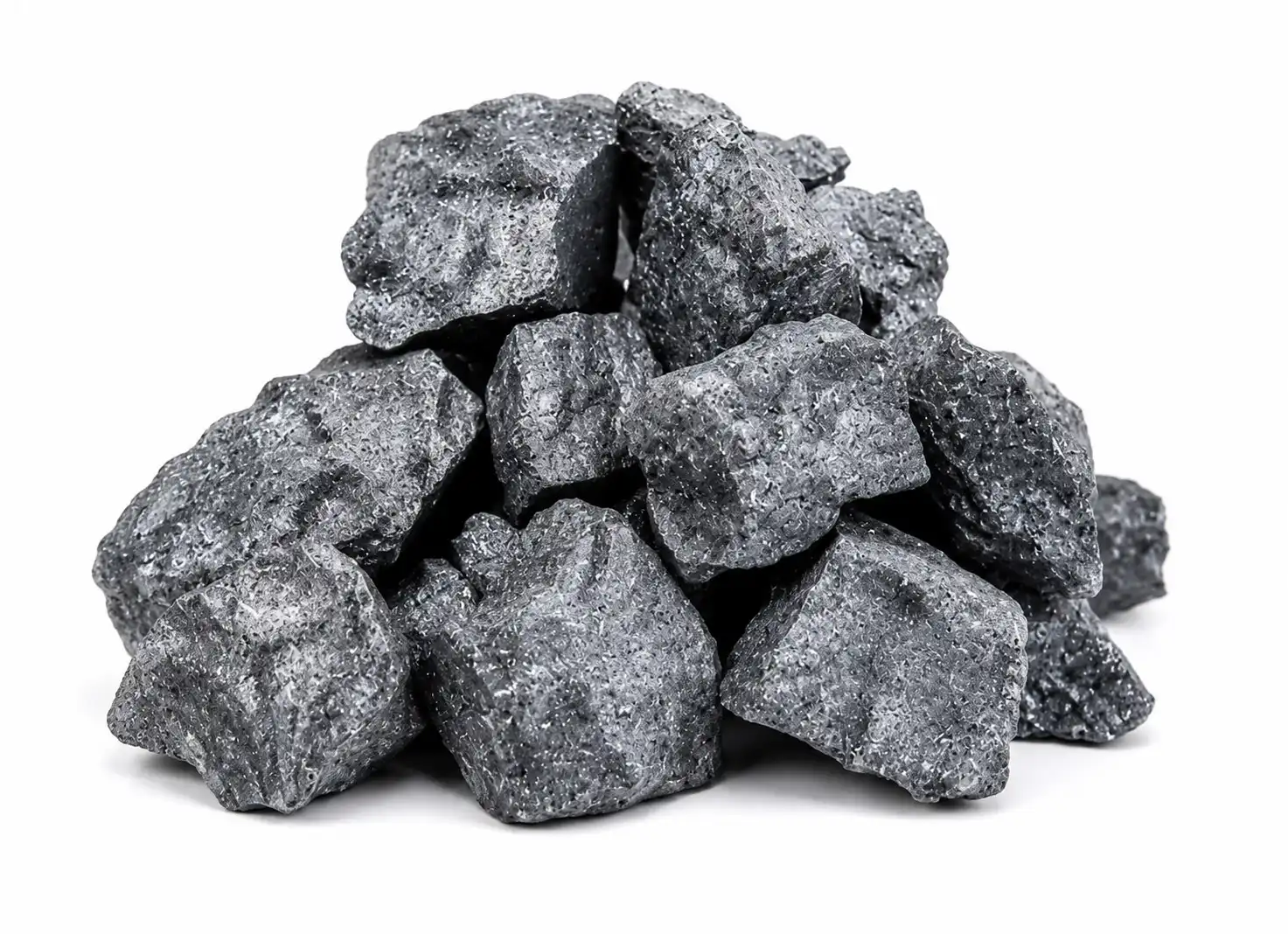
From steel mills and foundries to mineral-processing plants, ferrosilicon and ferro silicon powders serve important industrial functions. The following applications represent major areas of demand.
Magnesium Production
Ferrosilicon acts as a reducing agent in the Pidgeon process, reacting with calcined dolomite to produce magnesium vapor.
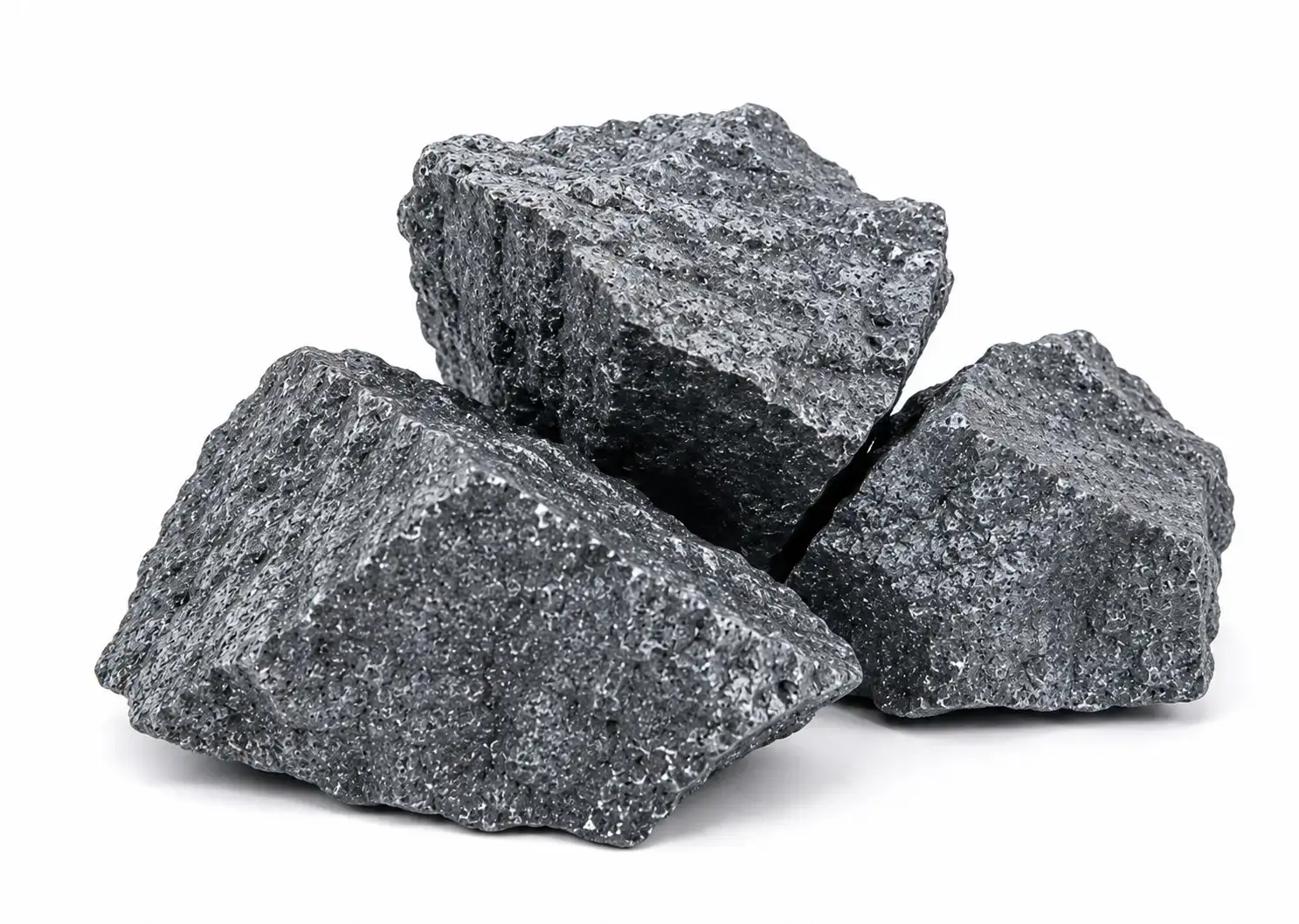
Cast Iron Inoculation
Silicon-containing additions support graphite formation and help improve the microstructure and casting properties of iron.
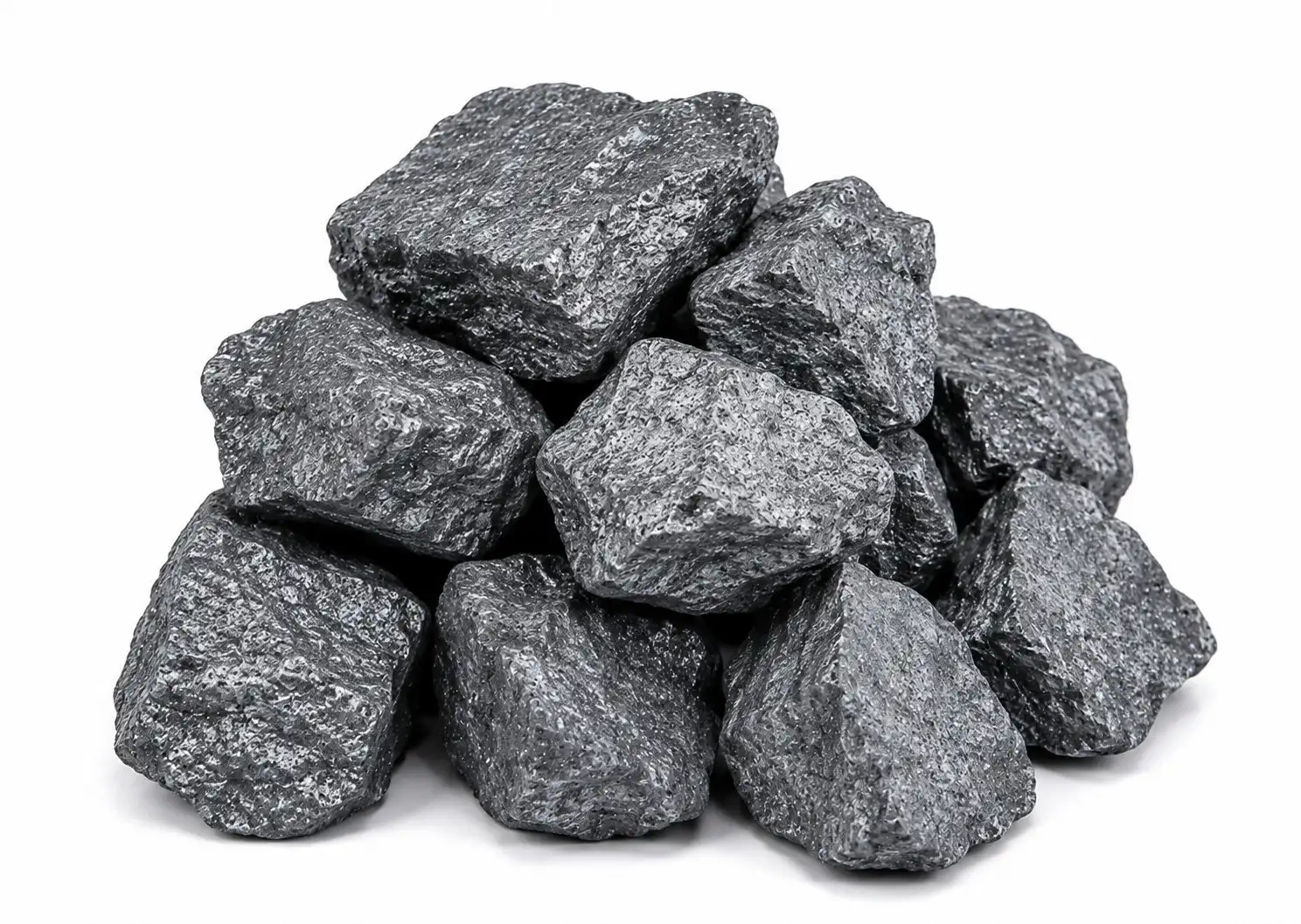
Steel Deoxidation & Alloying
Ferrosilicon removes dissolved oxygen from molten steel and supplies silicon during steelmaking operations.
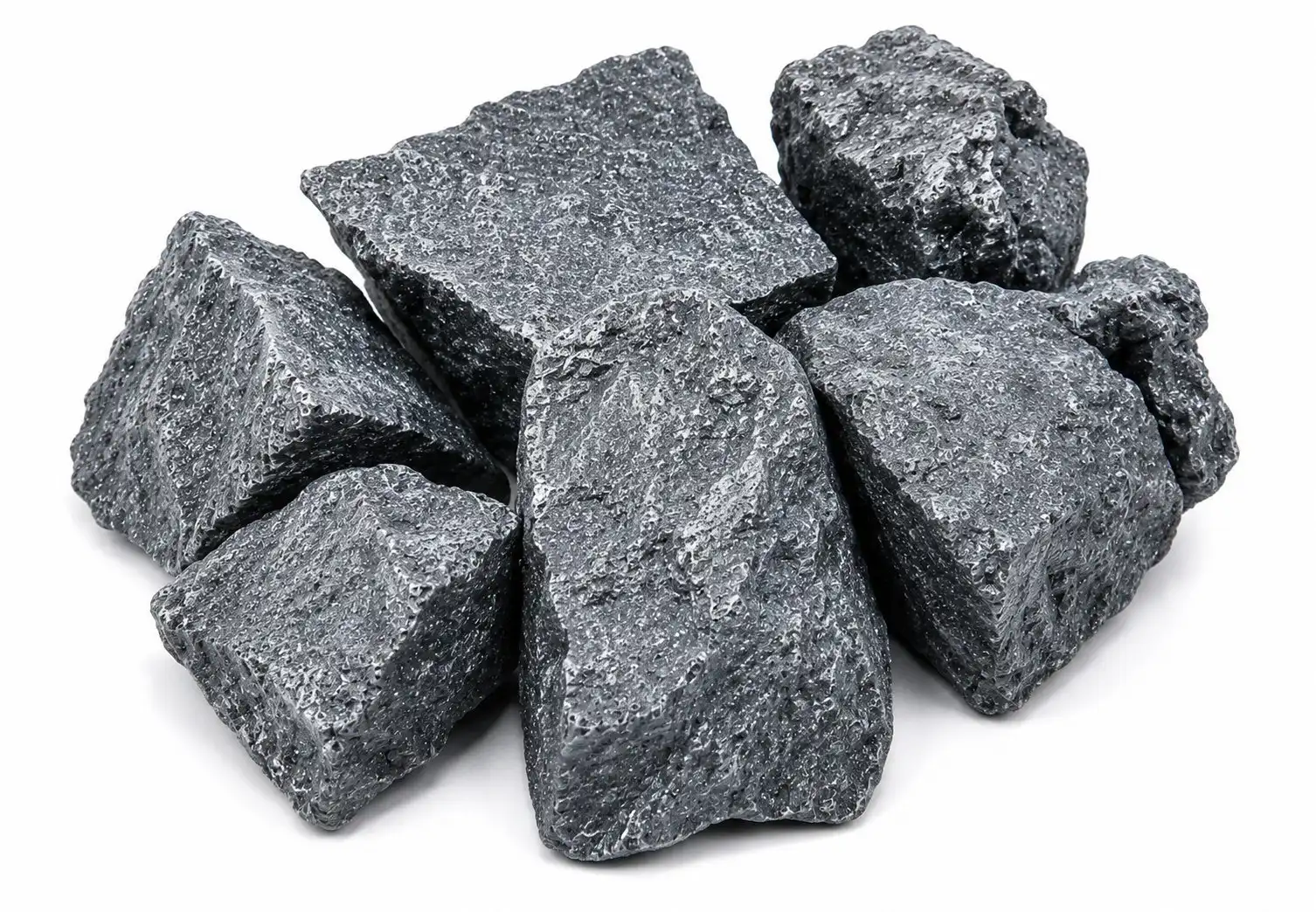
Specialty Silicon Alloys
Ferrosilicon is used in selected silicon-based alloy production for metallurgical and industrial applications.
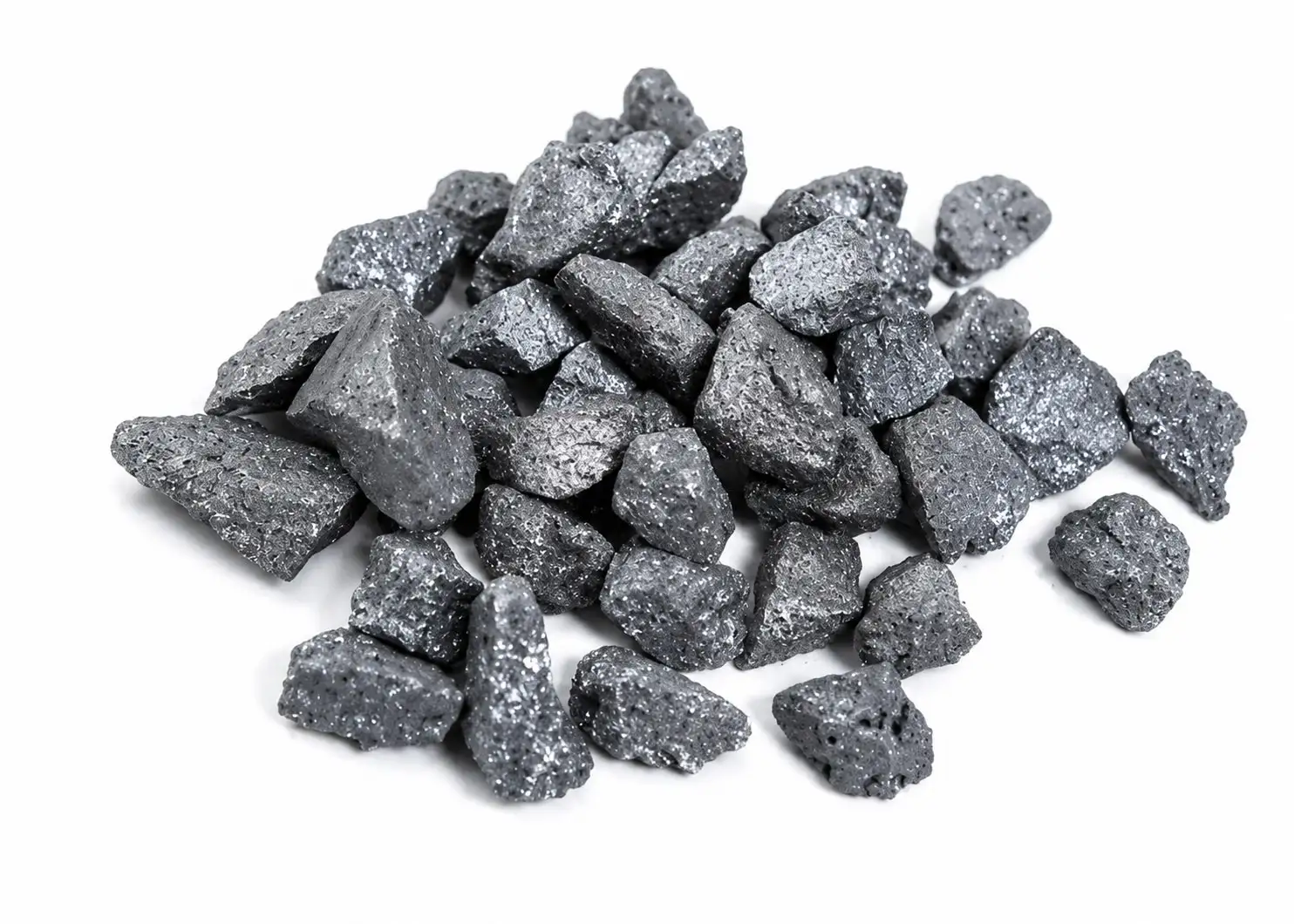
Welding Electrodes
Selected ferrosilicon additions are used in welding electrode formulations to support deoxidation and weld-metal quality.
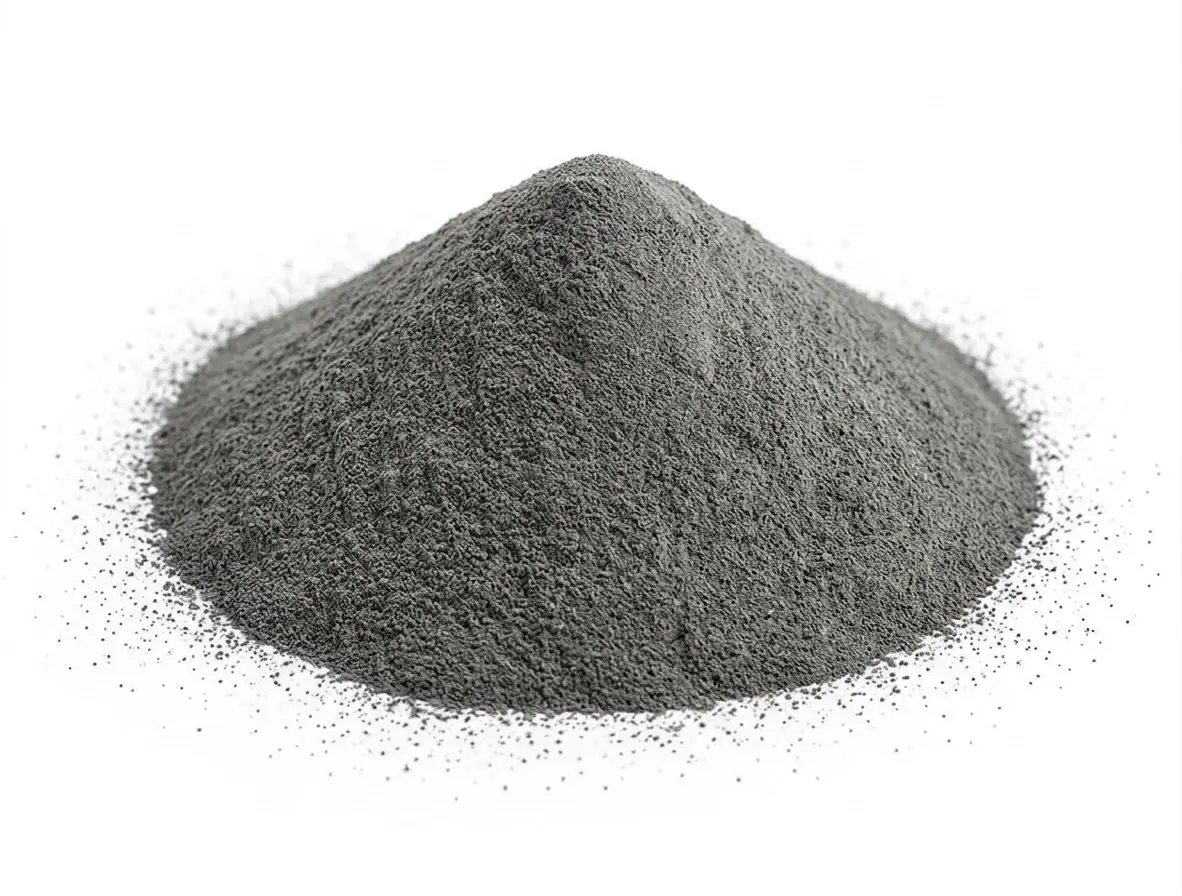
Dense Media Separation
Specialized milled and atomized ferrosilicon powders are used to prepare controlled-density heavy media for mineral separation.
Ferro Silicon Chemical Composition
Typical Chemical Components
Ferrosilicon chemistry varies according to grade, manufacturer and customer requirements. A technical specification normally identifies silicon percentage and defines the maximum permitted levels of impurities.
| Component | Specification Basis |
|---|---|
| Silicon (Si) | According to commercial grade |
| Iron (Fe) | Balance |
| Aluminum (Al) | Maximum limit per TDS |
| Calcium (Ca) | Maximum limit per TDS |
| Carbon (C) | Maximum limit per TDS |
| Phosphorus & Sulfur | Controlled per specification |
Why Does Chemical Analysis Matter?
Two ferrosilicon products with the same silicon percentage can have different commercial values because of aluminum, calcium, carbon, phosphorus and sulfur levels. Particle size and material consistency also affect process performance.
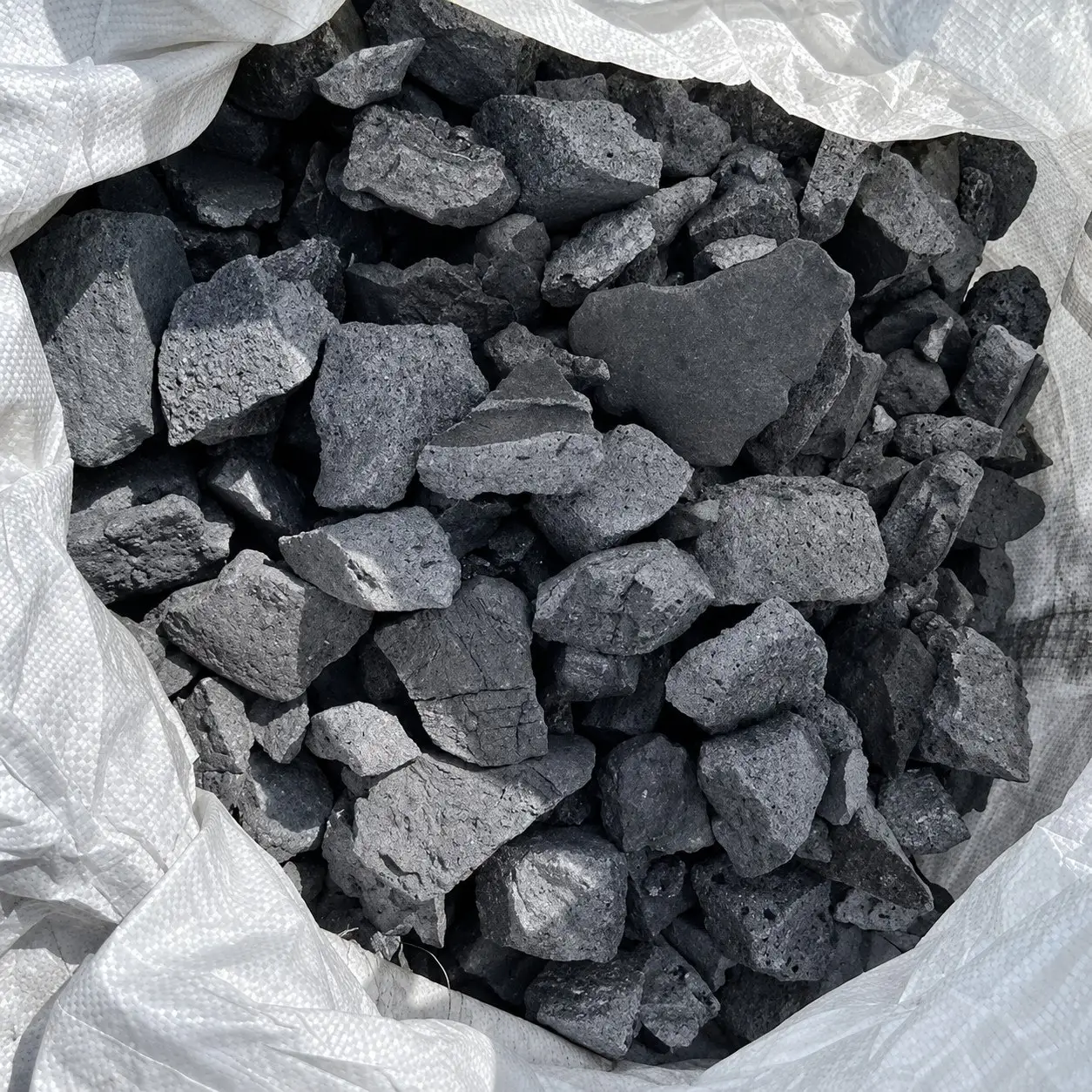
Final acceptance limits must be confirmed through the agreed Technical Data Sheet (TDS) and batch-specific Certificate of Analysis (COA).
FOB vs CIF vs EXW: Understanding Ferro Silicon Prices
Ferro silicon export prices must be compared using the same commercial delivery basis. Domestic purchase costs, export offers and delivered prices include different responsibilities for transport, clearance and insurance.
Ex Works
The seller makes the goods available at the agreed premises. The buyer generally arranges collection and other transport and export responsibilities.
Free on Board
The seller delivers the goods on board the buyer-nominated vessel at the agreed port of shipment and completes export clearance under the applicable rule.
Cost, Insurance & Freight
The seller pays the agreed freight and insurance to the named destination port. Risk transfers according to the CIF rule at the shipment point.
What Affects Global Ferrosilicon Prices?
The international ferro silicon market is influenced by production economics, industrial demand, product specifications and global transportation conditions.
Silicon Content
The required silicon percentage affects alloy composition, production cost and commercial value.
Electricity and Raw Materials
Electricity, quartz quality, reductants and furnace inputs influence ferro silicon manufacturing costs.
Chemical Impurities
Aluminum, calcium, carbon, phosphorus and sulfur limits influence the commercial specification.
Particle Size and Processing
Crushing, screening, milling and atomization introduce different processing and quality requirements.
Steel and Foundry Demand
Industrial production, steel output and procurement activity influence ferrosilicon consumption.
Freight and Export Costs
Shipping, packaging, insurance, exchange rates and port expenses affect final delivered prices.
Ferro Silicon Export Markets and Supplier Selection
Ferrosilicon is traded across international steelmaking, foundry and metallurgical markets. Major export demand extends across Europe, Asia-Pacific, the Middle East, Africa, the Americas and Oceania.
Global competitiveness depends on access to suitable raw materials, reliable furnace operations, energy costs, consistent chemical quality and efficient logistics.
For international procurement, buyers should evaluate the supplier's production capability, batch-specific Certificate of Analysis, Technical Data Sheet, packaging standards and shipping arrangements.
Explore our ferrosilicon manufacturer and supplier page for more information about grades and industrial export solutions.
Frequently Asked Questions About Ferro Silicon Prices
What is the ferro silicon price per ton in November 2026?
The indicative November 2026 ferrosilicon price ranges are $850–940/MT for FeSi 65% Low-C, $900–1,040/MT for FeSi 70%, $950–1,080/MT for FeSi 72%, and $1,000–1,140/MT for FeSi 75% High-C. Standard ferrosilicon powder is listed at $1,000–1,200/MT.
What is the difference between FeSi 72% and FeSi 75%?
FeSi 75% contains a higher silicon concentration than FeSi 72%. The appropriate ferro silicon grade depends on target steel chemistry, silicon recovery requirements and impurity limits.
What is the price of ferrosilicon powder per ton?
The indicative November 2026 reference price for standard ferrosilicon powder is $1,000–1,200 per metric ton. Milled and atomized products may require separate quotations depending on their chemical composition and particle-size specifications.
What are FeSi 15% and FeSi 45% used for?
FeSi 15% and FeSi 45% are specialized ferrosilicon grades used in selected dense media separation and mineral processing applications. Their selection depends on the required media properties, chemical composition and particle-size distribution.
What is the difference between milled and atomized ferrosilicon?
Milled ferrosilicon is produced through mechanical size reduction, while atomized ferro silicon is manufactured through a molten-metal atomization process. The two products can differ in particle morphology, size distribution and process performance. Read our milled vs. atomized comparison guide .
Are FeSi 15% and 45% available in milled and atomized forms?
Milled and atomized forms can be specified for FeSi 15% and FeSi 45% DMS requirements. Product availability, particle-size distribution and chemical specifications should be confirmed with the supplier.
Which regions import ferrosilicon?
International ferrosilicon demand extends across Europe, Central Asia, East Asia, Southeast Asia, South Asia, the Middle East, Africa, North America, Latin America and Oceania. Actual supply availability depends on product specifications, shipping routes and trade requirements.
What information is required for a ferrosilicon quotation?
Buyers should specify the required grade, silicon content, aluminum and other impurity limits, particle size, total tonnage, packaging, destination port and preferred Incoterm to receive an accurate ferro silicon quotation.
What are the main industrial uses of ferro silicon?
The main applications include steel deoxidation and silicon adjustment, cast iron production and foundry operations, magnesium production through the Pidgeon process, and dense media separation for mineral beneficiation.
Conclusion: Ferrosilicon Price Outlook for November 2026
The November 2026 ferro silicon price depends on silicon grade, chemical composition, particle size, processing method and export delivery requirements. Standard ferrosilicon products and specialized powder grades should be evaluated separately when comparing international commercial offers.
For steelmakers, foundries and mineral-processing plants, the best procurement decision is not always the lowest price per ton. Chemical consistency, particle-size control, material recovery, quality documentation, packaging and shipment reliability are also important.
Working with an experienced ferrosilicon supplier helps buyers match the required ferro silicon specification with their production process and international purchasing requirements.
Request Your Ferro Silicon Price Today
Looking for FeSi 65%, 70%, 72%, 75%, ferrosilicon powder or specialized FeSi 15% and FeSi 45% DMS products? Send us your required grade, chemical specifications, quantity, packaging and destination port to request an export quotation.

I need ferrosilicon delivered to Ankara.
5,000 tons/month.
Ferrosilicon 5000t monthly to Ankara
You have seller ?
I have an optical to this who is interested on this product, and they have the specification. And please, if you get this my information, this is my number. Contact me, please.+2348068679513