09121684359 info@ferrosilicon.co

Silica Fume vs Microsilica

Same Material, Different Name – Here’s Why It Matters

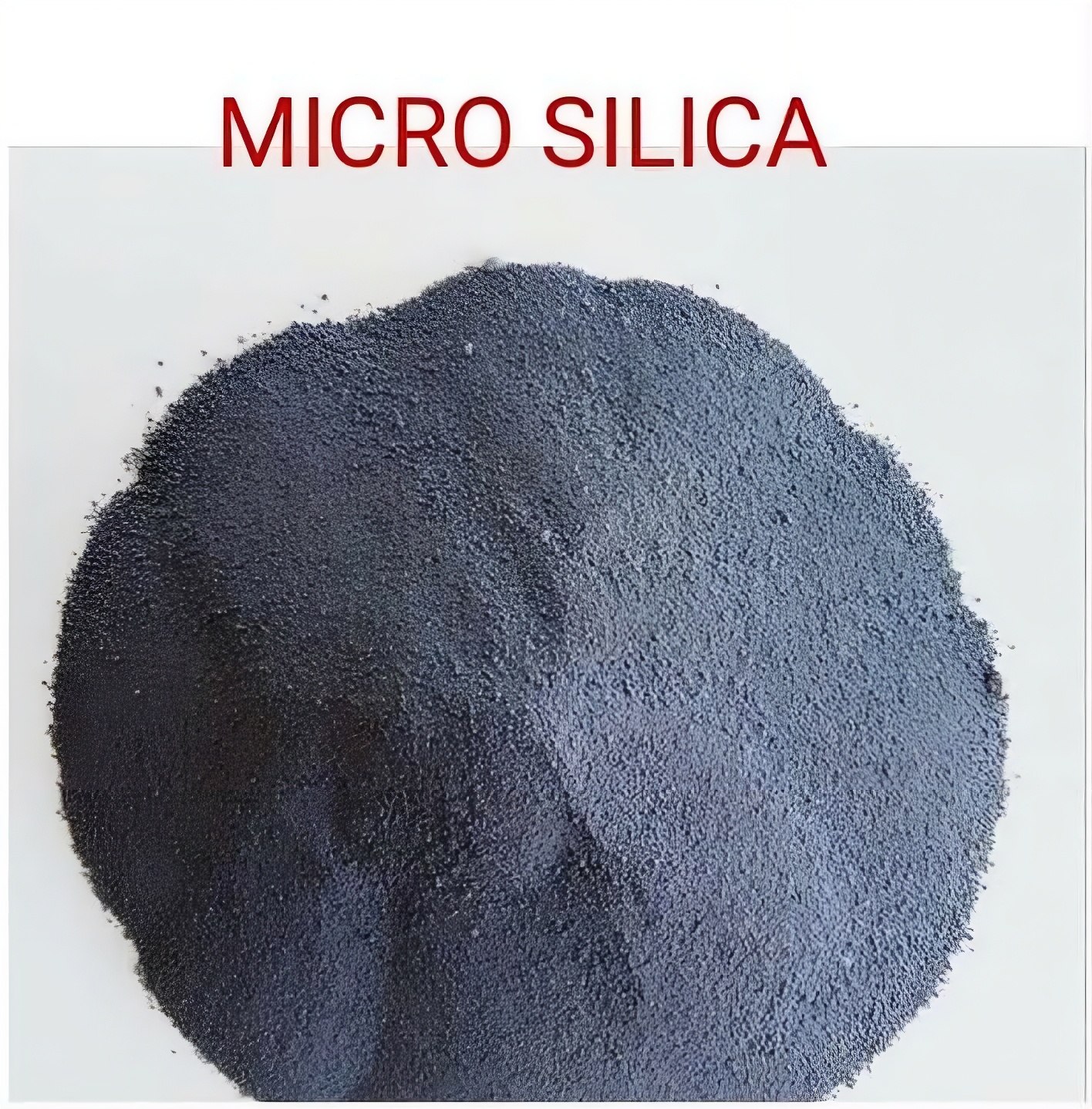
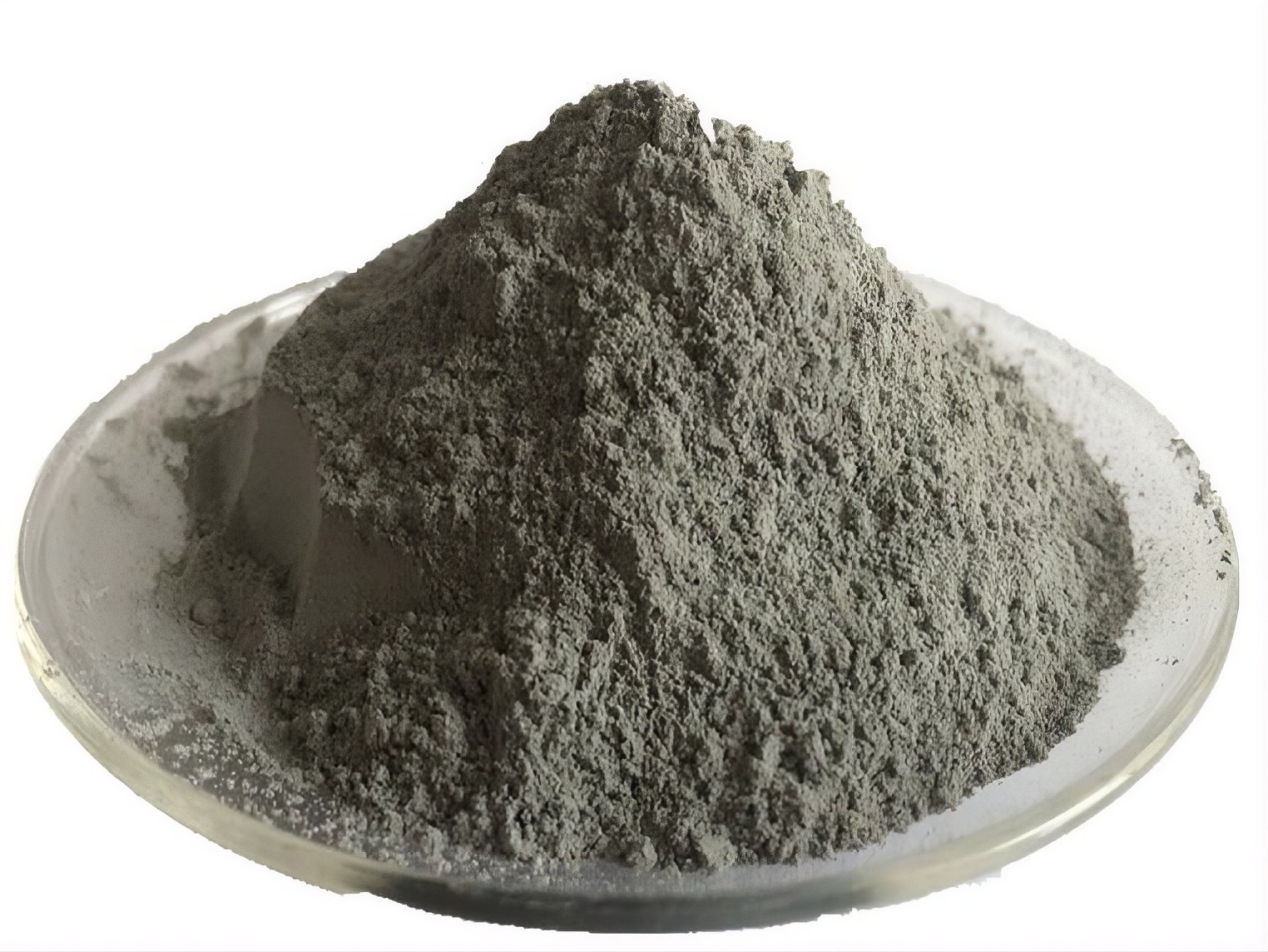
Silica fume and microsilica are identical materials the same ultra-fine pozzolanic byproduct from silicon production.

The terminology difference is purely regional: North America prefers “silica fume” (ASTM standards), while Europe and Asia use “microsilica” (EN/ISO standards). Both describe material with particle size 0.1– 0.3 μm and >85% SiO₂ content.

Common myths about differences in fineness, composition, or grade are false. What matters are specifications: SiO₂ content, specific surface area (15 – 30 m²/g), bulk density, carbon content, and form (densified/undensified/slurry).

Focus on these parameters and standards (ASTM C1240, EN 13263), not terminology. The “difference” is linguistic only specifications define quality, not names.
What Are Silica Fume and Microsilica? The Quick Answer

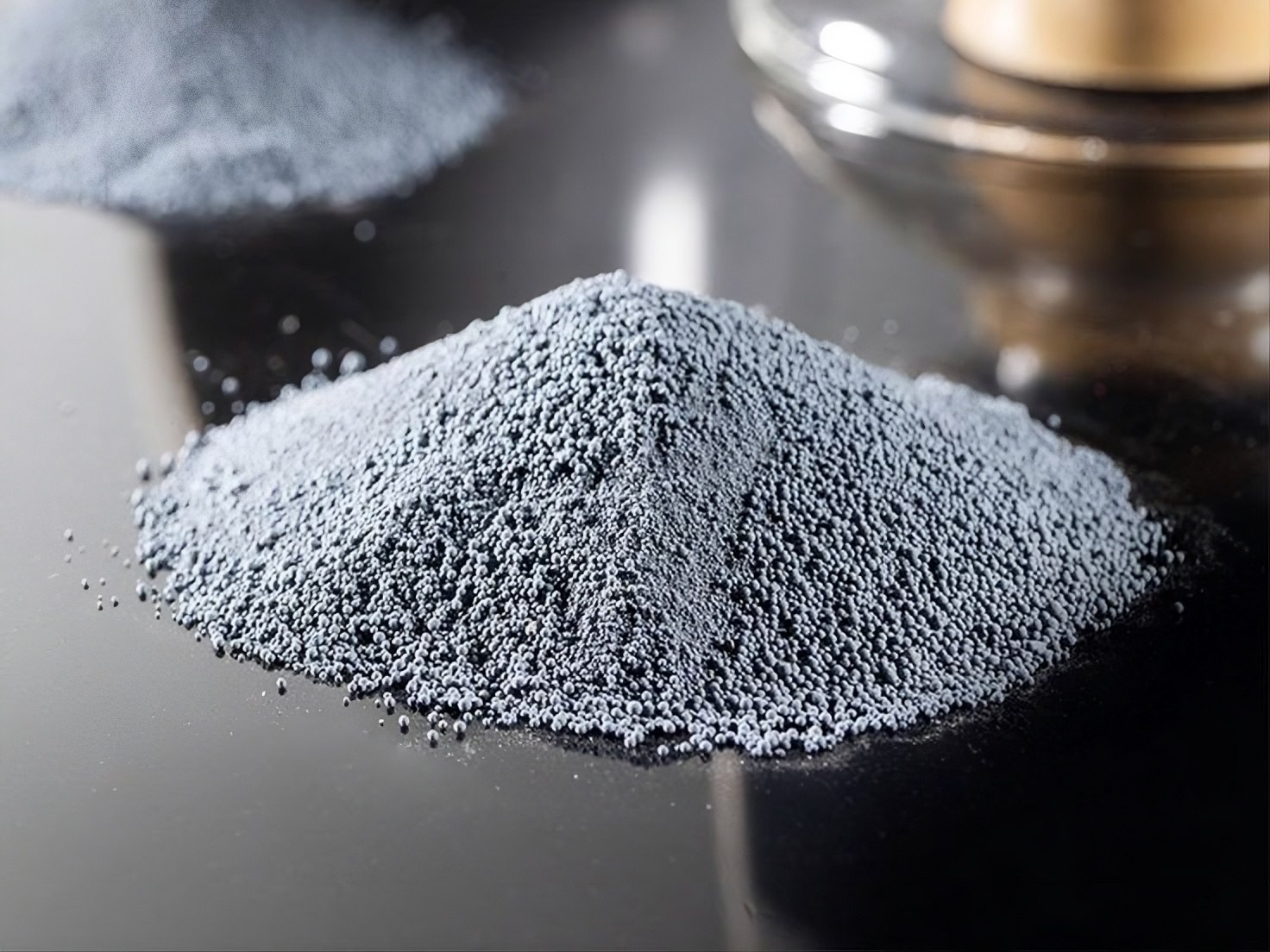
Silica fume and microsilica are identical—the same ultrafine pozzolanic material with particle sizes of 0.1–0.3 μm and ≥85% SiO₂ content. The only difference is regional terminology:

Silica fume → North America (ASTM C1240)

Microsilica → Europe, Asia, Middle East (EN 13263)

Bottom line: Same material, different name. Focus on specifications (SiO₂ content, particle size, carbon content), not terminology—the chemistry and performance are identical regardless of the label.

Silica Fume vs Microsilica: Are They Actually Different?

No. Silica fume and microsilica are two names for the exact same material an ultrafine pozzolanic powder with SiO₂ ≥85% and particle size 0.1–0.3 μm.
Why two names?

Regional preference – North America uses “silica fume,” Europe/Asia prefer “microsilica.”

Industry standards – ASTM C1240 says “silica fume,” EN 13263 and ISO use both terms.

Marketing – Different manufacturers target different markets.

Bottom line: Same material, different name. Focus on specifications (SiO₂ content, fineness, carbon content) and standards—not terminology.

Silica Fume vs Microsilica: Quick Comparison Table

Parameter
Silica Fume
Microsilica
Chemical Composition
SiO₂ ≥85%
SiO₂ ≥85%
Particle Size
0.1-0.3 μm
0.1–0.3 μm
Specific Surface Area
15–30 m²/g
15–30 m²/g
Production Method
Ferrosilicon/silicon metal smelting
Primary Standard (North America)
ASTM C1240
ASTM C1240
Primary Standard(Europe/Asia)
EN 13263
EN 13263
Regional Preference
USA, Canada
Europe, Asia, Middle East
Price Range (2026)
30$–50$/ton
30$–50$/ton

Regional Terminology: Where Each Name Is Used

North America (USA, Canada):

“Silica fume” dominates. ASTM C1240 uses this term exclusively, making it the standard in specifications, procurement, and technical documentation.

Europe (EU, UK, Scandinavia):

“Microsilica” is more common. EN 13263 references both terms but “microsilica” appears more frequently in product datasheets and supplier catalogs.

Asia-Pacific (China, India, Middle East):

Mixed usage. Export-oriented suppliers use both terms interchangeably to reach global markets. Local standards may favor one over the other.

Latin America & Africa:

Terminology follows the dominant trading partner—North American suppliers bring “silica fume,” European suppliers bring “microsilica.”

Key takeaway: Use both terms in your search queries, RFQs, and product listings to maximize visibility across regions. Specifications matter more than the name.

Global Market Demand for Silica Fume and Microsilica:

The global demand for silica fume and microsilica is rapidly increasing due to the growth of high-performance construction, refractory production, and infrastructure development worldwide.

These materials are widely used in high-strength concrete, bridges, tunnels, marine structures, and industrial applications because they improve durability, compressive strength, and resistance to chemicals and moisture.

Major markets such as China, India, and United States continue to drive demand through large-scale construction and industrial projects.

Best Silica Fume Supplier and Manufacturer:
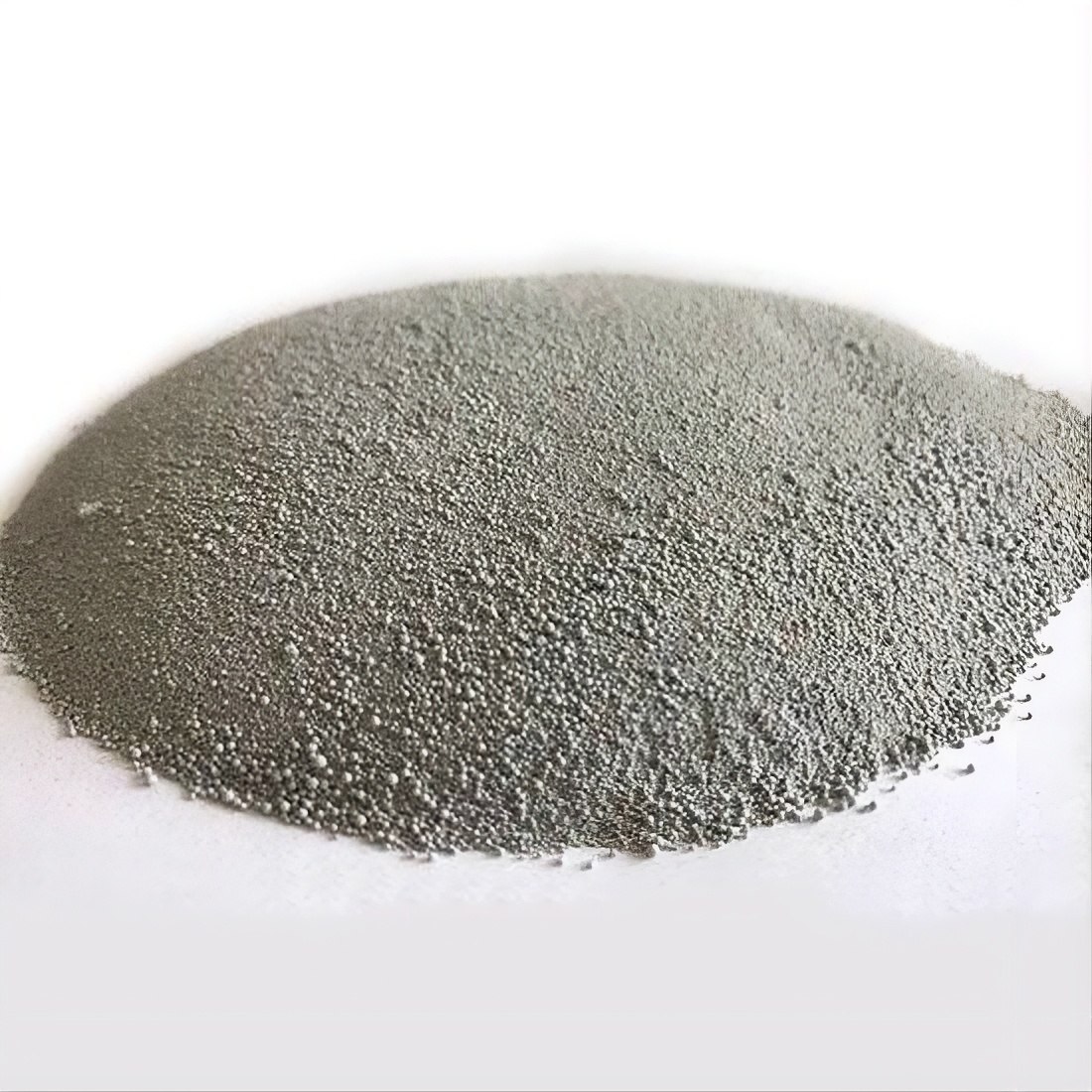
Several companies are recognized globally for producing high-quality silica fume and microsilica products used in construction, refractories, and industrial applications.

Some of the well-known suppliers include Ferrosilicon Co, Elkem, Ferroglobe, RW Silicium GmbH, and Finnfjord AS. These companies are known for supplying premium microsilica with high purity, stable chemical composition, and strong performance in high-strength concrete and refractory industries.

Microsilica Applications in Modern Construction:

Microsilica is widely used in modern construction projects because it significantly improves concrete performance, durability, and long-term strength.

Microsilica used is commonly added to high-performance concrete (HPC) and ultra-high-performance concrete (UHPC) used in bridges, tunnels, dams, marine structures, airports, and skyscrapers.

Due to its ultra-fine particles and high silicon dioxide content, microsilica reduces permeability, increases compressive strength, and enhances resistance against chemicals, moisture, and harsh environmental conditions.

Why Engineers Prefer Silica Fume in Mega Projects:

Engineers prefer silica fume in mega construction projects because it provides exceptional mechanical strength and durability compared to traditional concrete additives.

Silica fume helps create denser concrete with lower water absorption, making structures more resistant to cracking, corrosion, and aggressive chemicals.

This makes it ideal for large-scale infrastructure projects such as highways, offshore platforms, hydroelectric dams, and high-rise buildings.

Its ability to increase service life while reducing maintenance costs has made silica fume an essential material in advanced civil engineering projects worldwide.

Conclusion:

Although the terms silica fume and microsilica are often used interchangeably, both refer to one of the most valuable materials in modern construction and industrial applications.

Thanks to their ultra-fine particles and high silicon dioxide content, these materials significantly improve concrete strength, durability, and resistance to harsh environmental conditions.

From mega infrastructure projects to refractory and steel industries, silica fume continues to play a critical role in producing high-performance materials.

Choosing a reliable supplier is equally important for achieving consistent quality and performance, which is why companies such as Ferrosilicon Co have become trusted names in the global microsilica market.

info@ferrosilicon.co | +989121684359 | WhatsApp RFQ

Frequently Asked Questions:

Q1: Is there any difference between silica fume and microsilica?

In most industries, silica fume and microsilica refer to the same material. The difference is mainly in terminology and regional naming conventions.

Q2: Why is silica fume used in concrete?

Silica fume improves concrete strength, durability, chemical resistance, and reduces permeability.

Q3: Which industries use microsilica the most?

The construction, refractory, steel, oil & gas, and precast concrete industries are among the largest consumers of microsilica.