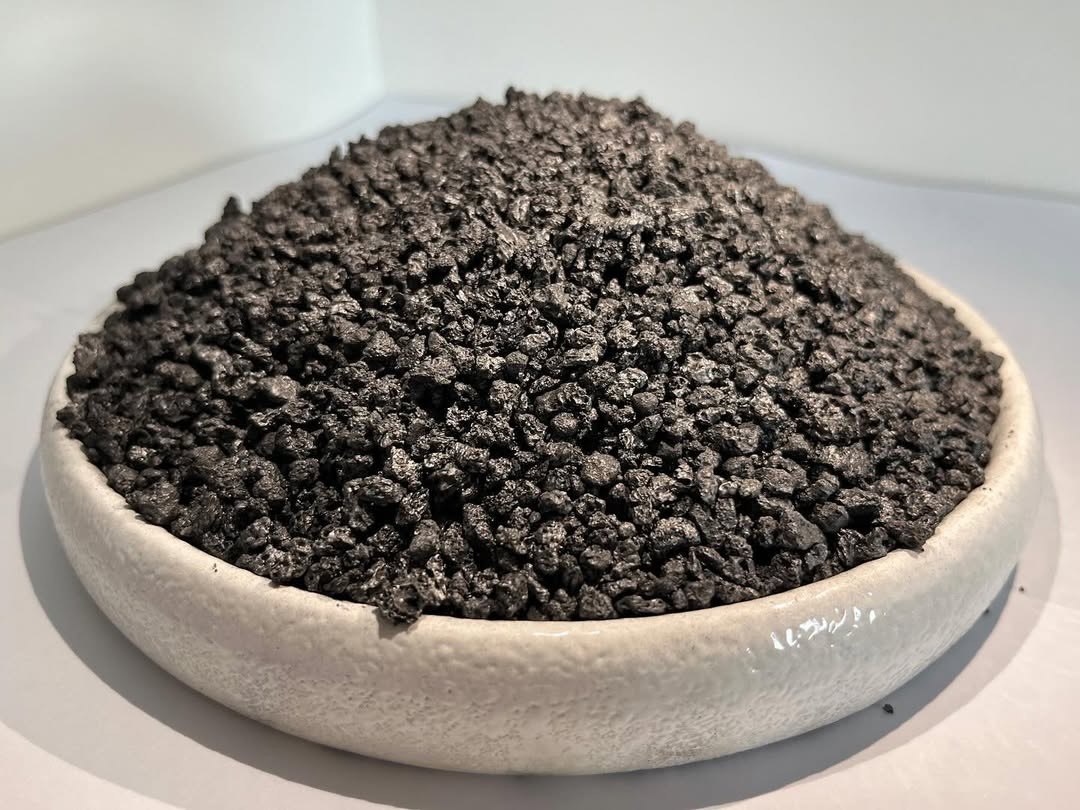
Introduction to Graphitized petroleum coke (GPC):
1. What Is Graphite Petroleum Coke (GPC):
2. Production Route and Graphitization Mechanism:
3. Key Material Characteristics of GPC:
4. Role of GPC in Metallurgical Carbon Control:
5. Typical Industrial Usage Context:
6. Technical Positioning Note:
| Parameter | Specification |
| Fixed Carbon | ≥ 99.0 % |
| Total Carbon | ≥ 99.2 % |
| Sulfur (S) | ≤ 0.05 % |
| Nitrogen (N) | ≤ 0.03 % |
| Hydrogen (H) | ≤ 0.01 % |
| Volatile Matter | ≤ 0.50 % |
| Ash (Insolubles, mainly SiO2) | ≤ 0.50 % |
| Oxygen (O) | ≤ 0.30 % |
| Moisture (H2O) | ≤ 0.50 % |
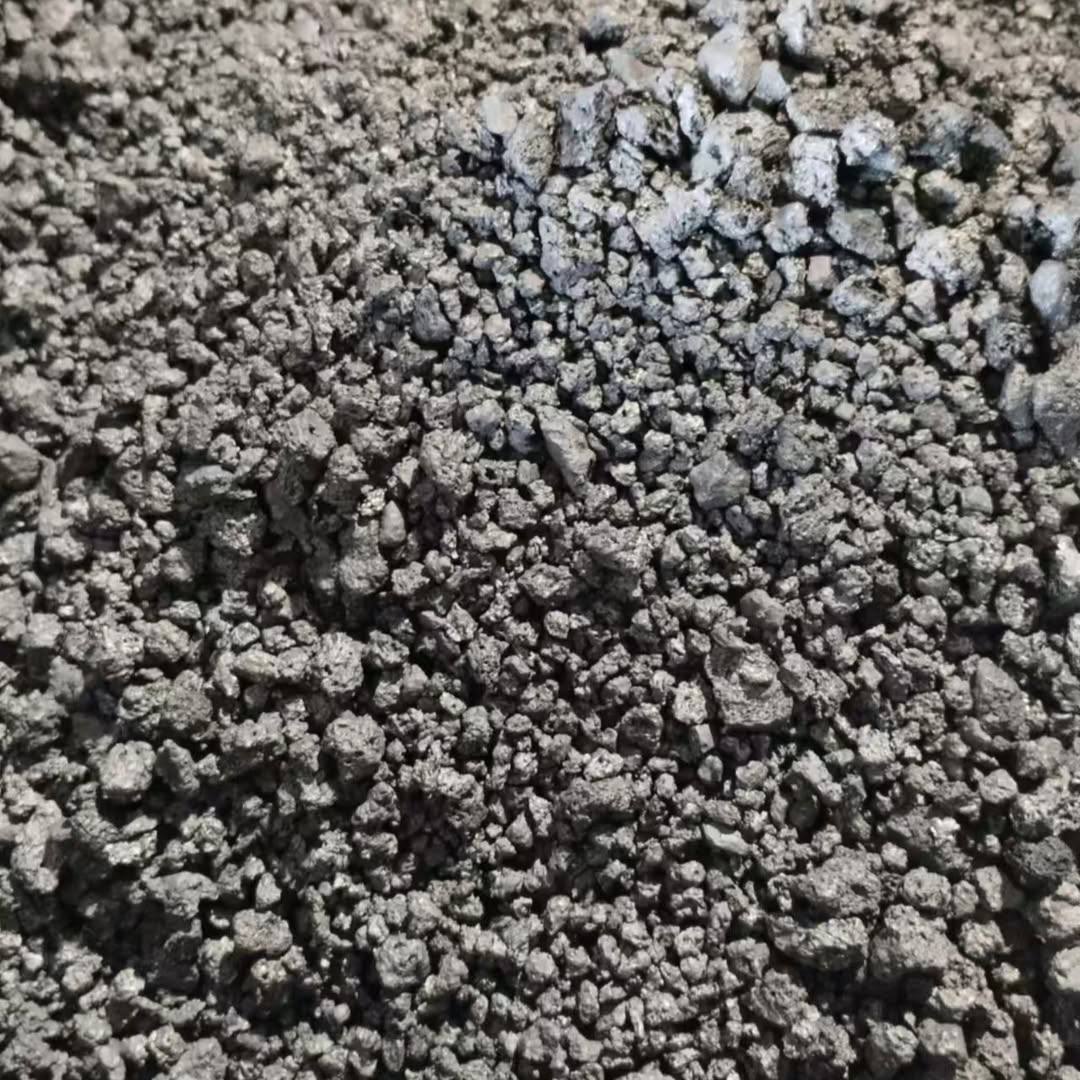
Graphitized petroleum coke

Technical Summary & Reference‑Oriented Evaluation
Material Purity & Composition
Graphite Petroleum Coke is characterized by high fixed carbon and controlled sulfur and ash levels. Technical assessment relies on measured composition, not commercial grade claims.

Particle Size & Carbon Behavior
Controlled particle sizing enables predictable carbon dissolution in molten metal. This supports stable and efficient carbon adjustment during processing.
Quality Verification & Traceability
GPC performance depends on batch‑specific Certificate of Analysis and proper handling. Verified data ensures consistency and process reliability.
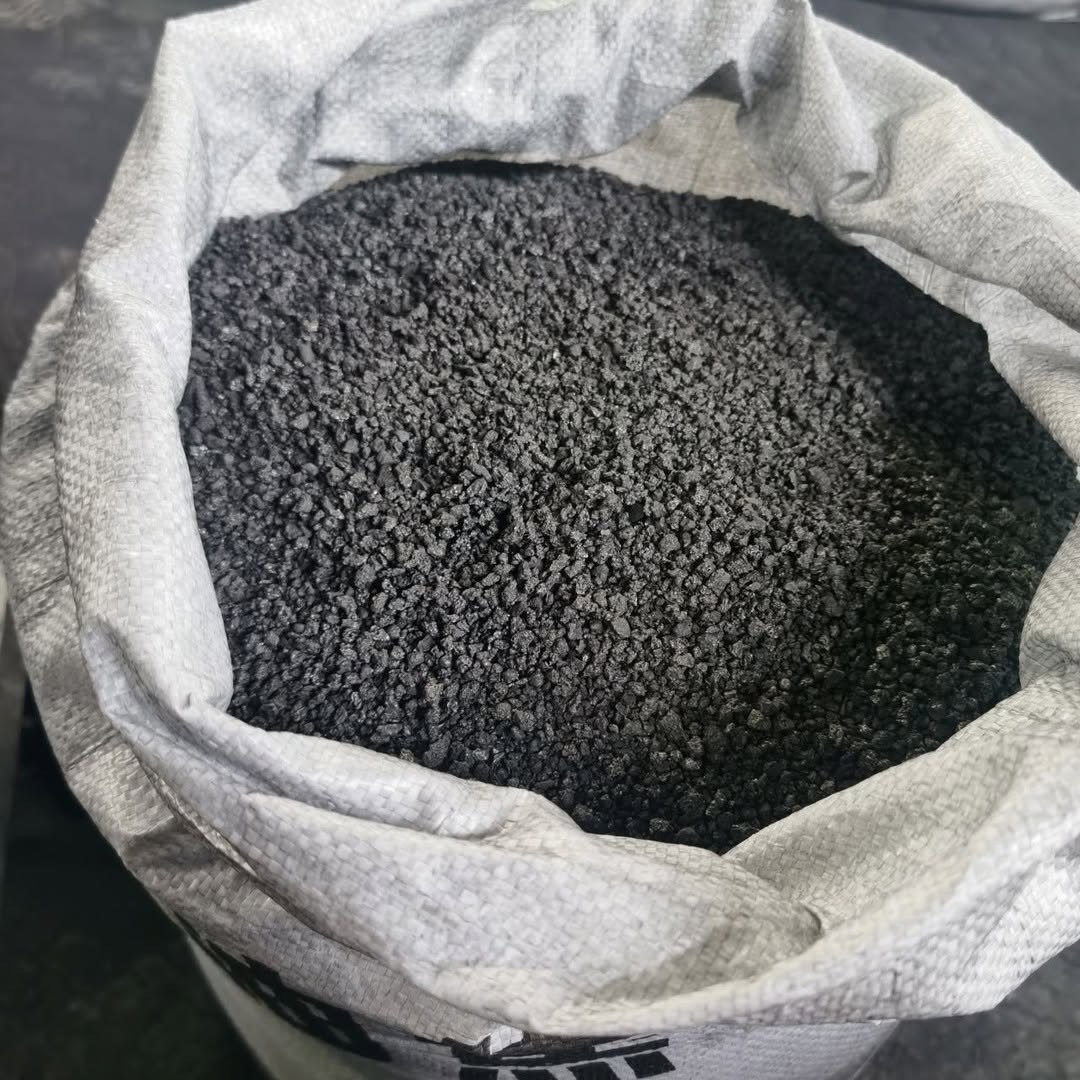
Material Origin and Graphitization Process:
Physical Characteristics and Particle Size Distribution:
| Parameter | Typical Range / Description |
| Appearance | Black to dark grey, crystalline |
| True Density | 2.20 – 2.26 g/cm³ |
| Bulk Density | 0.80 – 1.05 g/cm³ (depending on size) |
| Hardness | High, low friability |
| Fixed Carbon | ≥ 99.0 % |
| Moisture | ≤ 0.5 % |
| Size Range | Typical Application |
| 0–1 mm | Powdered carbon addition, rapid dissolution |
| 1–5 mm | Standard ladle and induction furnace use |
| 3–8 mm | Controlled carbon pickup in steelmaking |
| 5–10 mm | Slower dissolution, reduced oxidation losses |
| Custom Sizes | Available based on process requirements |
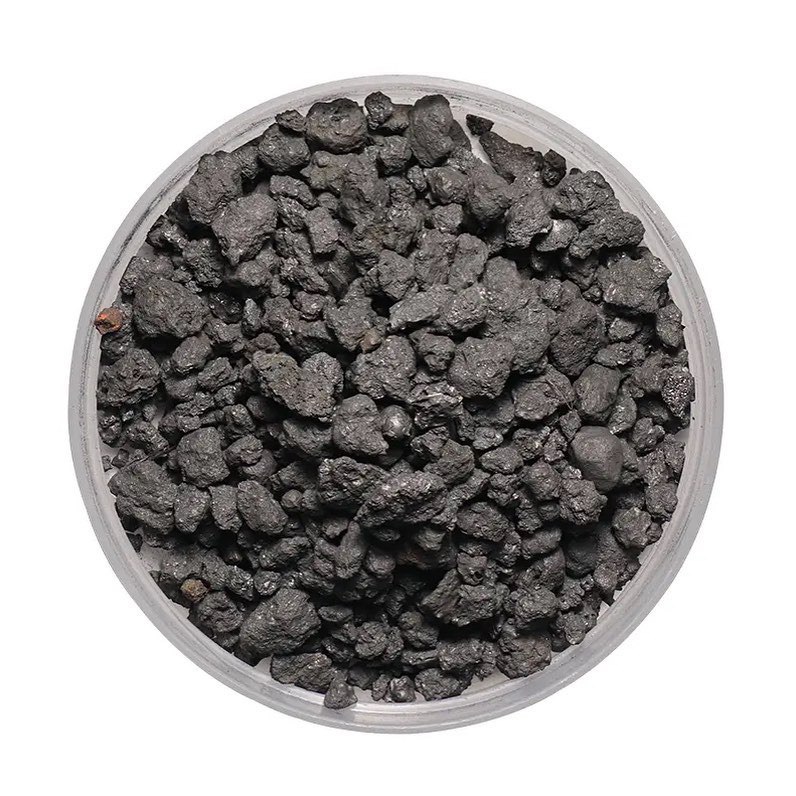
Chemical Composition and Typical COA Parameters:
Carbon Dissolution Mechanism in Molten Steelrs:
Pricing Overview and Market Reference:
Graphite Petroleum Coke (GPC):
Graphitized Petroleum Coke Price Reference Table:
| Category | Fixed Carbon (%) | Sulfur (%) | Particle Size (mm) | Typical Application | Incoterms / Origin | Indicative Price (USD/MT) |
| GPC Standard | ≥ 98.5 | ≤ 0.05 | 1–5 | Foundry recarburizer | EXW – Eurasia | 720 – 820 |
| GPC Low Sulfur | ≥ 99.0 | ≤ 0.03 | 1–5 | Steel ladle correction | EXW – Eurasia | 820 – 940 |
| GPC Ultra Low S | ≥ 99.2 | ≤ 0.02 | 1–3 | Clean steel grades | FOB – East Asia | 980 – 1,120 |
| GPC Coarse | ≥ 98.5 | ≤ 0.05 | 5–10 | Furnace charging | EXW – Eurasia | 680 – 760 |
| GPC Fines | ≥ 99.0 | ≤ 0.03 | 0–1 | Powder injection / blends | EXW – Eurasia | 700 – 780 |
We Produce Engineered Carbon Materials
Performance Comparison: GPC vs Other Carbon Additives:
Application Areas in Steelmaking and Foundry Operationsves:
1. Steel Mills:
2. Foundries:
Quality Control, Sampling, and Verification Methodology:
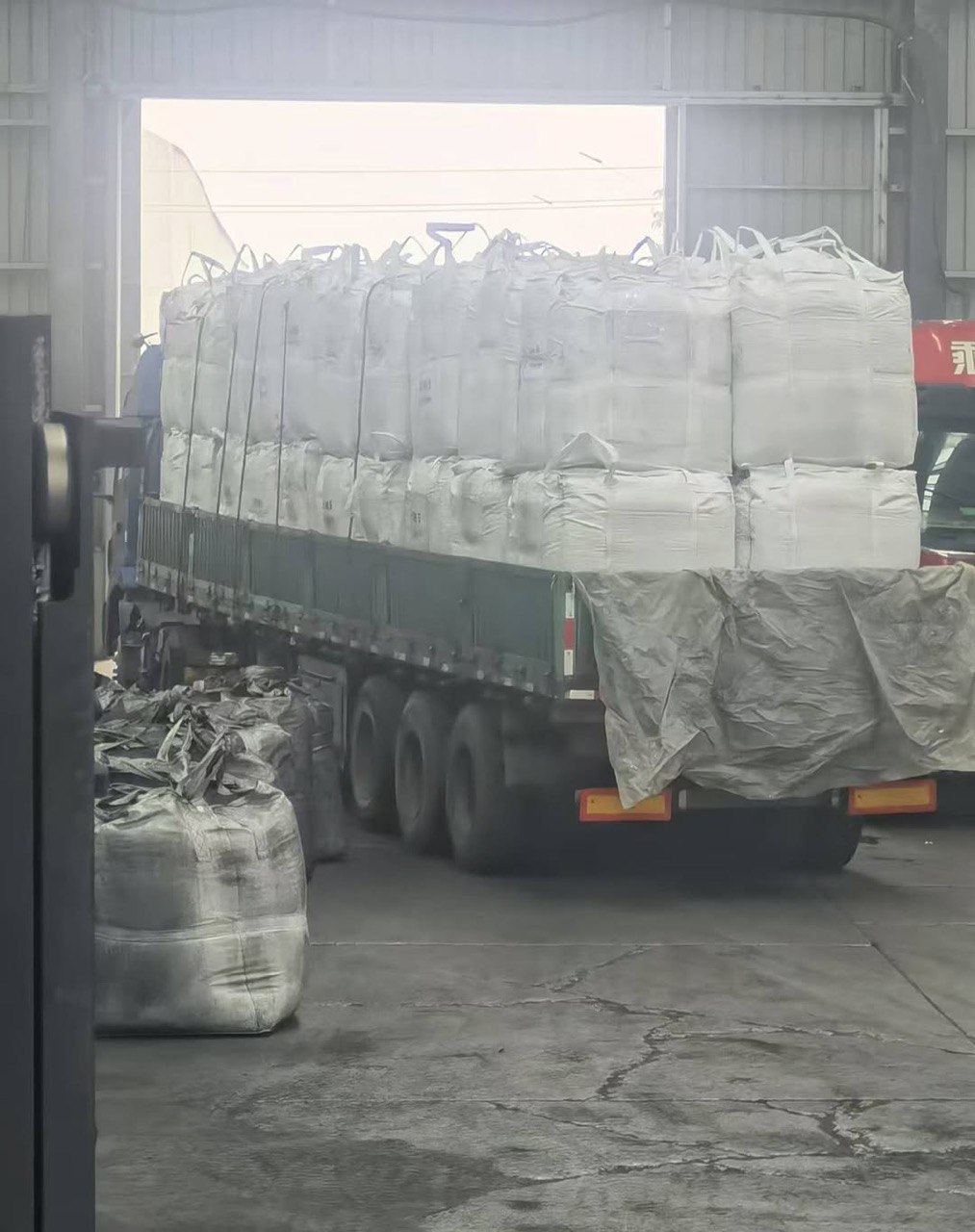
Handling, Storage, and Material Stability Considerations:
Frequently Asked Questions:
Conclusion:

Mahboubeh Kharmanbiz
Senior Metallurgist & Technical Director at Ferrosilicon.co
Independent analyst focused on ferroalloys and metallurgical carbon materials, with emphasis on ferrosilicon, graphitized petroleum coke, and Eurasian supply chains. Her work prioritizes specification‑based evaluation, material traceability, and process‑oriented analysis for industrial and technical audiences.