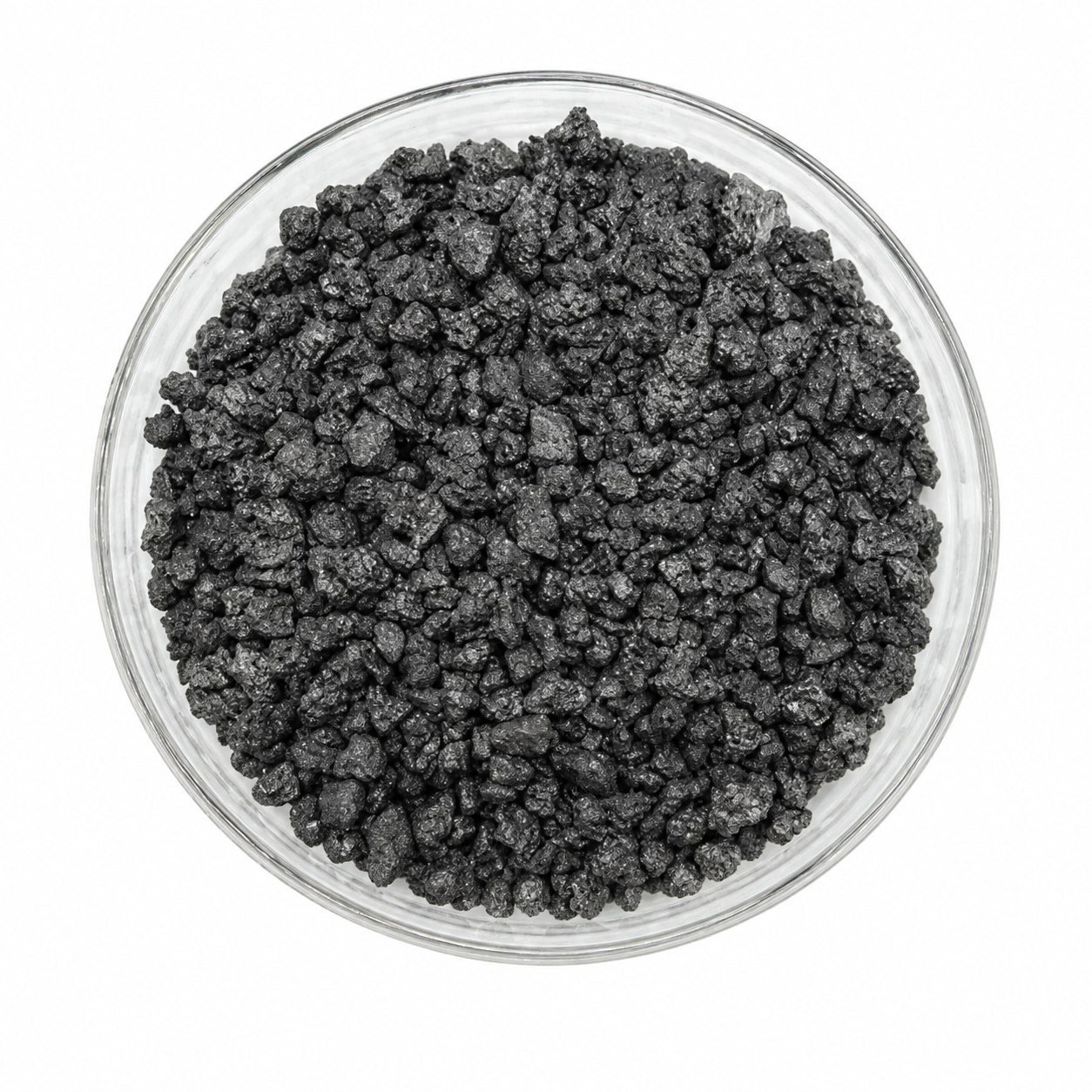
Graphite Electrode Scrap 2026 – Overview
Graphite Electrode Scrap is one of the most valuable carbon materials used in steelmaking, foundry production, recycling industries, and carbon additive manufacturing.
Due to its high carbon purity, excellent conductivity, and growing global demand, graphite electrode scrap has become an important raw material in industrial markets worldwide.
In 2026, industries are increasingly looking for premium graphite scrap suppliers with competitive prices and reliable export capabilities.
This guide explains the types of graphite electrode scrap, industrial applications, recycling methods, market prices, and key factors affecting quality and global trade.
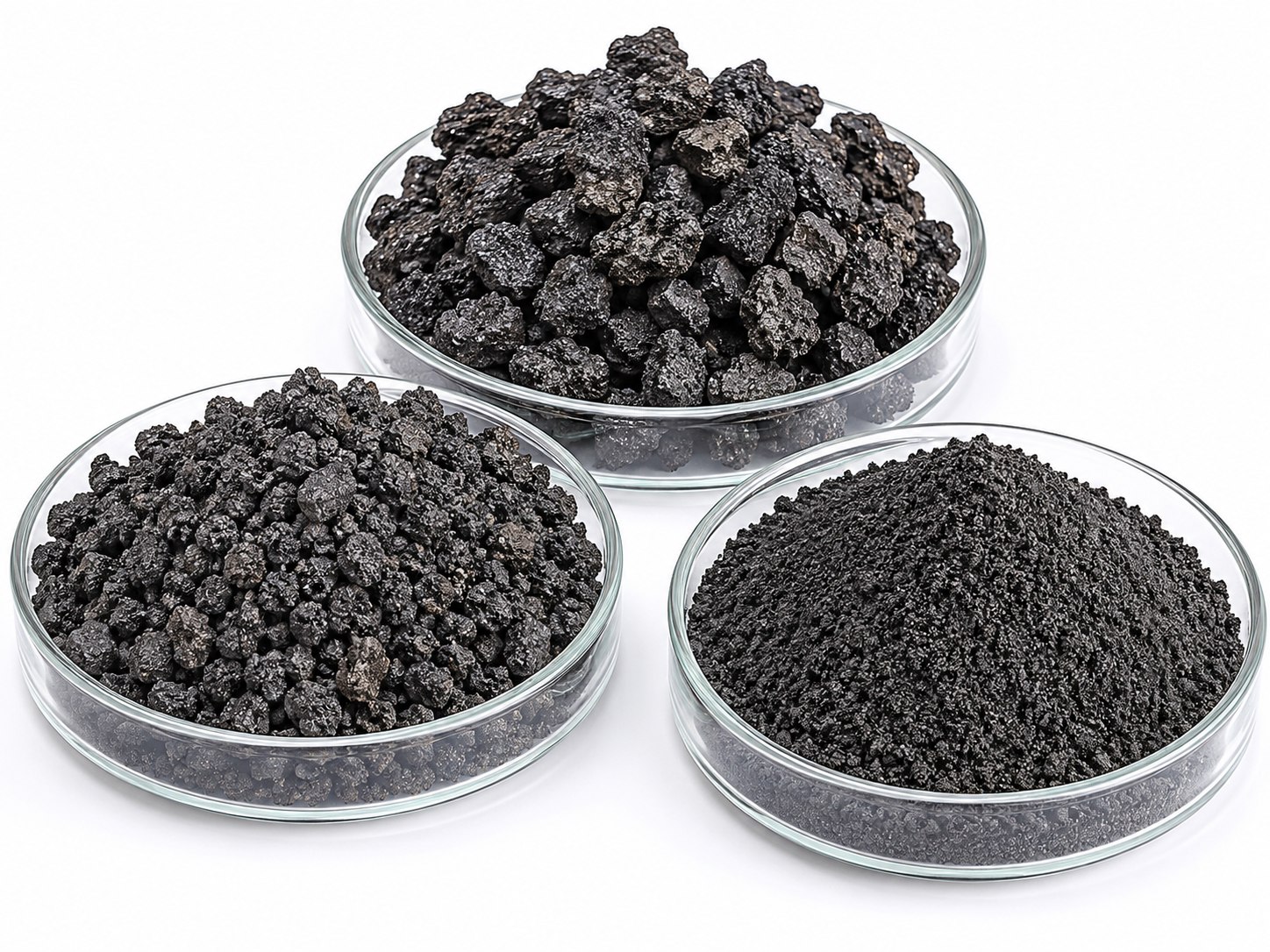
What is Graphite Electrode Scrap?
Main Features of Graphite Electrode Scrap:
- High fixed carbon content
- Excellent electrical conductivity
- Low sulfur and ash content
- Strong thermal resistance
- Recyclable industrial carbon material
- Suitable for steel and foundry industries
Common Forms of Graphite Electrode Scrap:
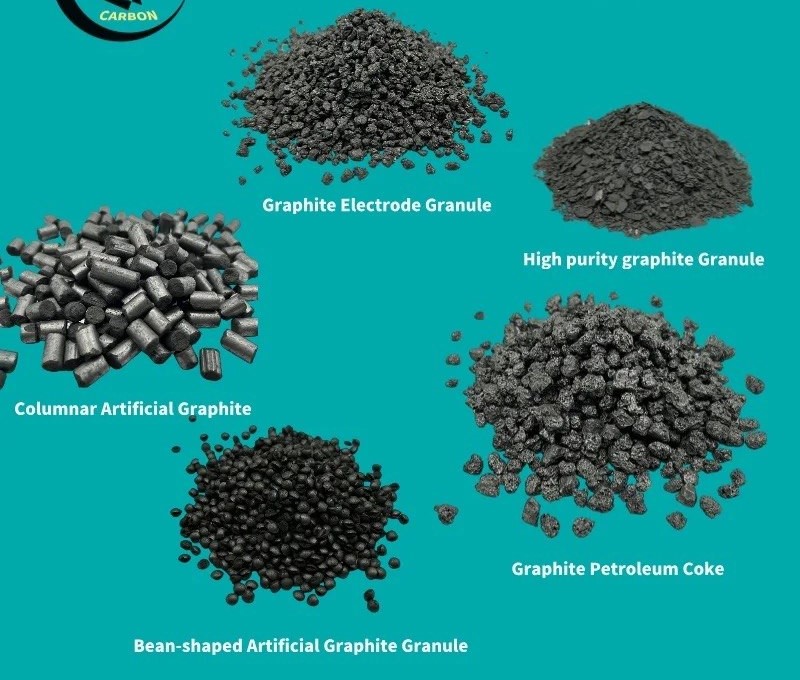
- Graphite electrode pieces
- Graphite powder
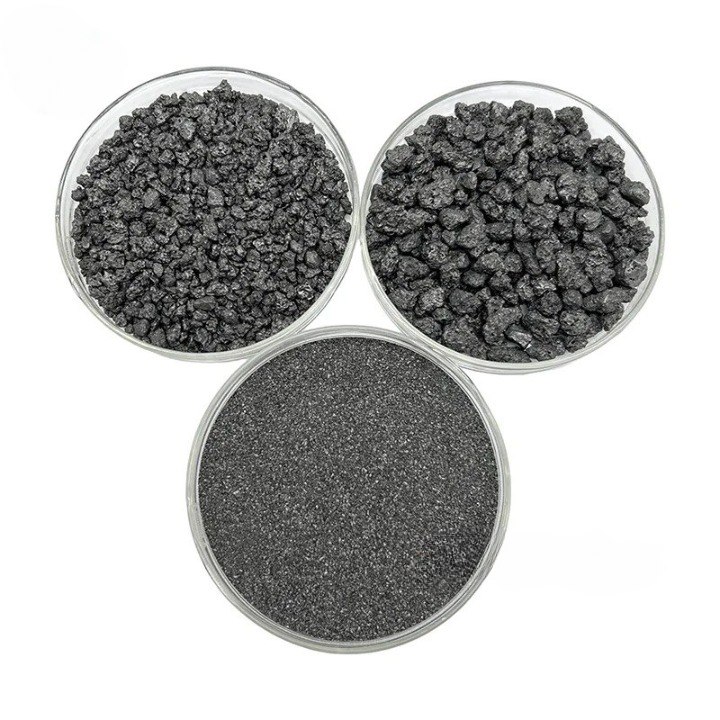
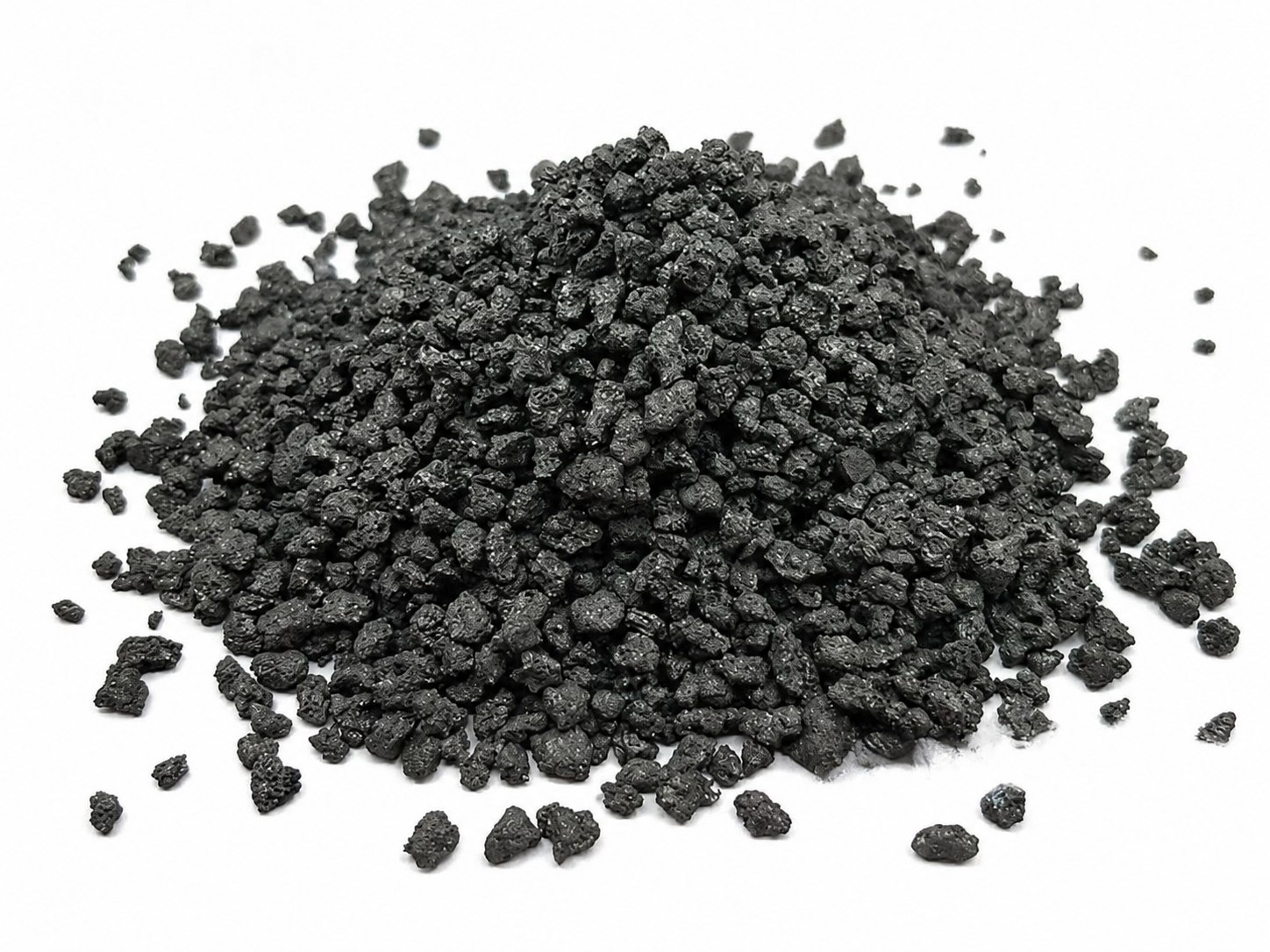
- Graphite granules
- Crushed graphite scrap
- Carbon additive material
-
| Property | Details |
| Product Name | Graphite Electrode Scrap |
| Material Type | High Carbon Industrial Carbon Material |
| Carbon Content | 98% – 99.9% |
| Main Source | Used and Broken Graphite Electrodes |
| Sulfur Content | Low |
| Ash Content | Low |
| Common Types | UHP, HP, RP Graphite Scrap |
| Forms Available | Pieces, Powder, Granules, Chips |
| Main Applications | Steelmaking, Foundry, Carbon Additive, Recycling |
| Main Industries | Metallurgy, Steel Plants, Foundries |
| Export Markets | Asia, Europe, Middle East |
| Packaging Options | Jumbo Bags, Bulk, Customized Packing |
| Market Demand 2026 | Increasing Globally |
| Key Advantages | High Purity, Cost Effective, Industrial Reuse |
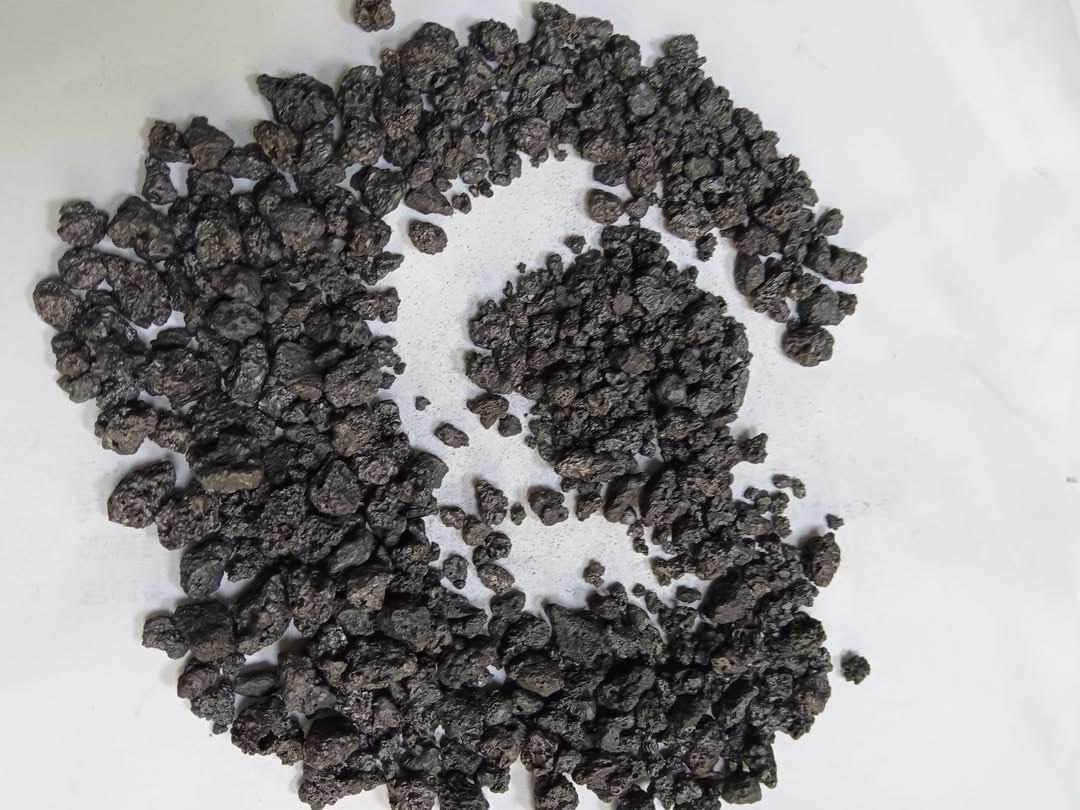
Types of Graphite Electrode Scrap:
1. UHP Graphite Electrode Scrap
UHP (Ultra High Power) graphite scrap is the highest quality grade with very high carbon content and excellent conductivity. It is mainly used in electric arc furnace steel production and premium carbon applications.
2. HP Graphite Electrode Scrap
HP (High Power) graphite scrap provides strong thermal resistance and stable performance for medium to high-temperature industrial processes. It is commonly used in foundries and metallurgical industries.
3. RP Graphite Electrode Scrap
RP (Regular Power) graphite scrap is a cost-effective option suitable for general industrial use. It is widely used as a carbon raiser and recycling material.
4. Graphite Powder Scrap
This type is produced by crushing graphite electrodes into fine powder. It is mainly used in recarburizers, brake materials, and conductive industrial products.
5. Graphite Granules and Chips
Granules and chips are processed forms of graphite scrap used in steelmaking, casting, and carbon additive manufacturing because of their easy handling and fast melting performance.
| Type | Main Feature | Common Application |
| UHP Scrap | Highest purity | Steelmaking |
| HP Scrap | High thermal resistance | Foundries |
| RP Scrap | Economical grade | Industrial recycling |
| Powder Scrap | Fine particle size | Carbon additive |
| Granules & Chips | Easy processing | Metallurgy Industry |
UHP vs HP vs RP Graphite Electrode Scraps:
UHP Graphite Electrode Scrap:
UHP (Ultra High Power) scrap is the highest-quality graphite material with very high carbon purity and excellent conductivity. It is commonly used in electric arc furnace steel plants and advanced metallurgical industries.
HP Graphite Electrode Scrap:
HP (High Power) graphite scrap offers strong thermal stability and reliable industrial performance. It is widely used in foundries, casting plants, and medium-power furnace operations.
RP Graphite Electrode Scrap:
RP (Regular Power) graphite scrap is a more economical grade designed for general industrial applications. It is commonly used as a carbon additive and recycling material.
| Grade | Quality Level | Carbon Purity | Main Application |
| UHP | Premium | Very High | Steelmaking Industry |
| HP | High | High | Foundry & Metallurgy |
| RP | Standard | Medium to High | Industrial Recycling |
Chemical Composition of Graphite Electrode Scrap:
| Component | Typical Value |
| Fixed Carbon | 98% – 99.9% |
| Sulfur | 0.03% – 0.1% |
| Ash Content | 0.1% – 0.5% |
| Moisture | Low |
| Volatile Matter | Very Low |
| Density | High |
| Electrical Conductivity | Excellent |
Applications of Graphite Electrode Scrap in Industry:
Graphite Electrode Scrap is widely used in steelmaking, foundries, and metallurgical industries because of its high carbon content and excellent conductivity.
It is mainly used as a carbon additive, recarburizer, and recycled industrial material.
Graphite Electrode Scrap for Steel Manufacturing:
Recycling Process of Graphite Electrode Scrap:
- Collection of used graphite electrodes
- Crushing and sorting by size
- Removal of impurities and dust
- Processing into powder, chips, or granules
- Reuse in steelmaking and carbon industries
Graphite Electrode Scraps Price in 2026:
| Type | Price Range (USD/MT) | Market Level |
| UHP Graphite Scrap | 2,000 – 2,500 $/MT | High |
| HP Graphite Scrap | 1,800 – 2,000 $/MT | Medium–High |
| RP Graphite Scrap | 1,500 – 1,800 $/MT | Medium |
| Graphite Powder Scrap | 300 – 600 $/MT | Low–Medium |
| Chips & Granules | 600 – 1,200 $/MT | Medium |
Advantages of High Carbon Graphite Scrap:
Global Market Demand for Graphite Electrode Scrap:
Exporting Graphite Electrode Scrap Worldwide:
How to Choose High Quality Graphite Scrap:
Frequently Asked Questions (FAQ):
1. What is Graphite Electrode Scrap used for?
Graphite Electrode Scrap is mainly used in steelmaking, foundries, and metallurgical industries as a high-carbon additive and recarburizer. It helps improve steel quality and furnace efficiency.
2. What affects the price of Graphite Electrode Scrap?
The price depends on carbon purity, electrode grade (UHP, HP, RP), particle size, and global steel market demand. Higher purity materials usually have higher prices.
3. How can I buy or import Graphite Electrode Scrap?
You can purchase directly from reliable exporters offering bulk supply, quality control, and international shipping services.
📩 FERROSILICON.CO
📧 INFO@FERROSILICON.CO
Conclusion:
About the Author – Mahboubeh
Senior Metallurgist & Technical Director at Ferrosilicon.co