09121684359 info@ferrosilicon.co

Overview of Microsilica in Concrete

Microsilica in concrete, also known as silica fume, is a highly effective mineral admixture used to improve the strength, density, and durability of modern concrete. Its extremely fine particles and high silica content help reduce permeability and increase resistance to chemicals, moisture, and harsh environmental conditions.

Silica fume is widely used in high‑performance concrete for bridges, marine structures, tunnels, industrial floors, and high‑rise buildings. In this guide, we explore the key benefits, applications, properties, and recommended dosage of microsilica in concrete.

Microsilica, also known as silica fume, is a highly effective mineral admixture used to improve the strength, density, and durability of concrete.

Its ultra‑fine particles fill microscopic voids in the concrete matrix, while the pozzolanic reaction produces additional calcium silicate hydrate (C‑S‑H), resulting in stronger and denser concrete.

Concrete containing microsilica achieves higher strength, lower permeability, and better resistance to chemicals and harsh environments. Because of these properties, silica fume is widely used in high‑performance concrete for bridges, tunnels, marine structures, and industrial flooring.

Key benefits of microsilica in concrete:

✅ Higher compressive strength

✅ Reduced permeability

✅ Increased chemical resistance

✅ Improved durability and service life

✅ Better abrasion resistance

✅ Enhanced concrete density and bonding

Higher Concrete Strength

Microsilica significantly increases the compressive and flexural strength of concrete by producing additional calcium silicate hydrate (C‑S‑H) during the pozzolanic reaction. This results in stronger and more reliable high‑performance concrete structures.

Lower Permeability

The ultra‑fine particles of silica fume fill microscopic voids in the concrete matrix, reducing permeability and water absorption. This helps protect concrete from moisture penetration and chloride attack.

Improved Durability

Concrete containing microsilica shows excellent resistance to chemicals, sulfates, and aggressive environmental conditions. This makes it ideal for marine structures, bridges, tunnels, and infrastructure projects.

Applications of Silica Fume in Concrete:

Silica fume is widely used in modern concrete to improve strength, durability, and resistance to harsh environmental conditions.

Its ultra‑fine particles make concrete denser and less permeable, which increases the lifespan and performance of structures.

Silica fume is commonly used in high‑performance and high‑strength concrete, especially in projects where durability and structural reliability are critical.

Common applications include:

  1. Bridges and transportation infrastructure
  2. Marine and coastal structures
  3. Industrial floors and pavements
  4. Tunnels and dams
  5. Precast and prestressed concrete elements
  6. High‑rise buildings and large construction projects

Applications of Silica Fume in Concrete:

Microsilica (silica fume) is an ultra‑fine pozzolanic material with unique physical and chemical properties that significantly improve the performance of concrete.

Its very small particle size and high silicon dioxide content make it highly reactive in cementitious systems, leading to stronger and more durable concrete structures.

Property
Description
Chemical Composition
Mainly silicon dioxide (SiO₂), typically 85–98%
Particle Size
About 0.1 microns (around 100 times smaller than cement particles)
Specific Surface Area
15,000 – 30,000 m²/kg
Color
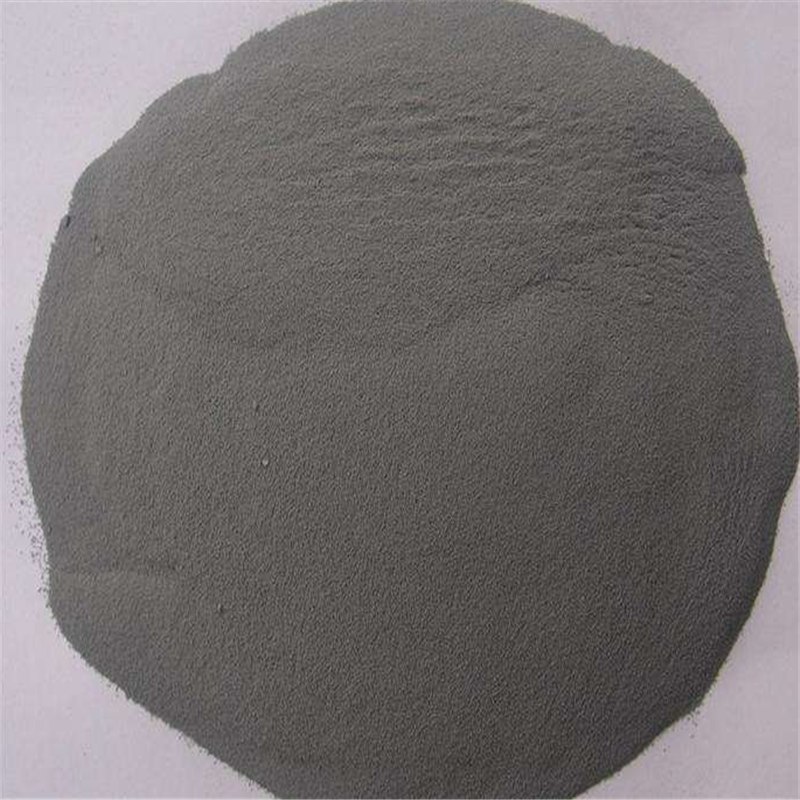
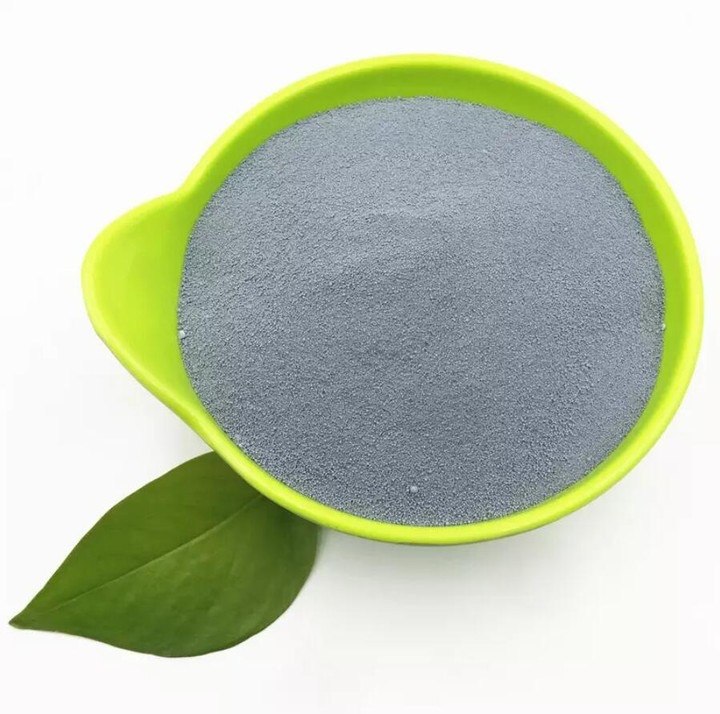
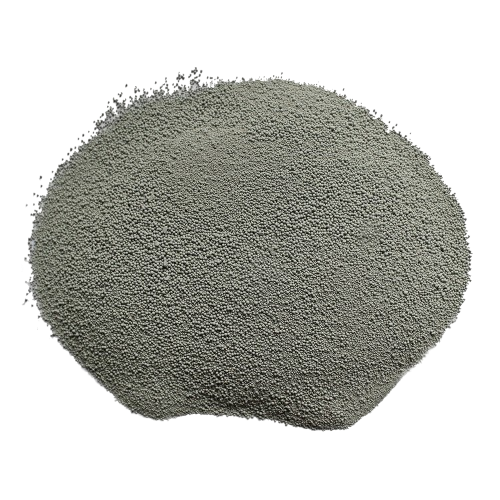
Light gray to dark gray
Bulk Density
200 – 350 kg/m³ (undensified)
Relative Density
Approximately 2.2
Shape of Particles
Spherical particles
Pozzolanic Activity
Very high reactivity with calcium hydroxide
Standard Compliance
ASTM C1240, EN 13263

Microsilica Dosage in Concrete:

The typical dosage of microsilica (silica fume) in concrete is 5% to 10% of the cement weight. In high‑performance concrete, the amount may increase to 10–15% to achieve higher strength and durability.

Because microsilica has a very fine particle size and high surface area, it is often used with superplasticizers to maintain proper workability of the concrete mix.

Typical dosage range:

  • 5–8% for improved durability and lower permeability
  • 8–10% for high‑strength concrete
  • 10–15% for high‑performance concrete applications

Microsilica vs Traditional Concrete Admixtures:

Microsilica differs from many traditional concrete admixtures because it acts as both a micro‑filler and a highly reactive pozzolanic material.

While conventional mineral admixtures such as fly ash or slag mainly improve workability and long‑term strength, microsilica significantly increases early strength, density, and durability of concrete.

Due to its extremely fine particle size, microsilica fills microscopic voids in the cement paste and reacts with calcium hydroxide to form additional calcium silicate hydrate (C‑S‑H). This results in lower permeability and higher resistance to chemical attack compared to many traditional admixtures.

Feature
Microsilica (Silica Fume)
Traditional Admixtures
Particle Size
Extremely fine (~0.1 µm)
Larger particles
Pozzolanic Reactivity
Very high
Moderate
Strength Development
High early and long‑term strength
Mostly long‑term strength
Permeability
Very low permeability
Moderate reduction
Main Use
High‑performance concrete
General concrete improvement

Because of these advantages, microsilica is commonly used in high‑performance and high‑strength concrete, where durability and structural performance are critical.

Conclusion:

Microsilica, also known as silica fume, is one of the most effective mineral admixtures for producing durable, high‑performance concrete.

By refining the concrete microstructure and enhancing the pozzolanic reaction, it delivers higher strength, lower permeability, and better resistance to mechanical and chemical damage.

When used with proper dosage and mix design, microsilica helps engineers and contractors achieve longer‑lasting, more sustainable concrete structures in demanding applications worldwide.

High‑Performance Concrete with Microsilica:

Microsilica (silica fume) is a key component in high‑performance concrete (HPC) and high‑strength concrete (HSC). Its ultra‑fine, highly reactive particles fill micro‑voids in the cement paste and react with calcium hydroxide to form additional C‑S‑H gel.

This leads to:

  • Very high compressive and flexural strength
  • Extremely low permeability
  • Excellent resistance to chlorides, sulfates, and chemical attack
  • Superior durability in aggressive environments (marine, industrial, freeze–thaw)

For this reason, microsilica‑modified HPC is widely used in bridges, marine structures, tunnels, dams, industrial floors, precast elements, and high‑rise buildings where long service life and reliability are critical.

Frequently Asked Questions:

1. What is microsilica (silica fume)?

Microsilica, or silica fume, is an ultra‑fine by‑product of silicon metal or ferrosilicon alloy production. It has very high silicon dioxide content and is used as a pozzolanic material in concrete to improve strength and durability.

2. How does microsilica improve concrete performance?

It fills tiny pores in the concrete matrix and reacts with calcium hydroxide to form extra calcium silicate hydrate (C‑S‑H), which increases strength and reduces permeability.

3. What is the recommended dosage of microsilica in concrete?

Typically 5–10% of the cement weight. For high‑performance concrete, the dosage can be increased up to 15% based on mix requirements.