09121684359 info@ferrosilicon.co

Turkey is one of the fastest-growing markets for ferro silicon (FeSi), driven by its large steel, ductile iron, and foundry industries.

Buyers in Turkey typically source FeSi75, FeSi72, and FeSi65 in lump, granule, or powder form, with factory-direct pricing ranging based on silicon content, particle size, and shipping terms (FOB, CFR, or CIF to Turkish ports such as Mersin, Iskenderun, and Ambarlı).

As a global manufacturer and exporter of high-purity ferrosilicon, we supply Turkish steel mills, foundries, and trading companies directly from the factory – cutting out middlemen, reducing costs, and guaranteeing consistent chemical composition batch after batch.

Below, you’ll find everything a Turkish buyer needs: specifications, grades, applications, pricing factors, certifications, and shipping logistics.
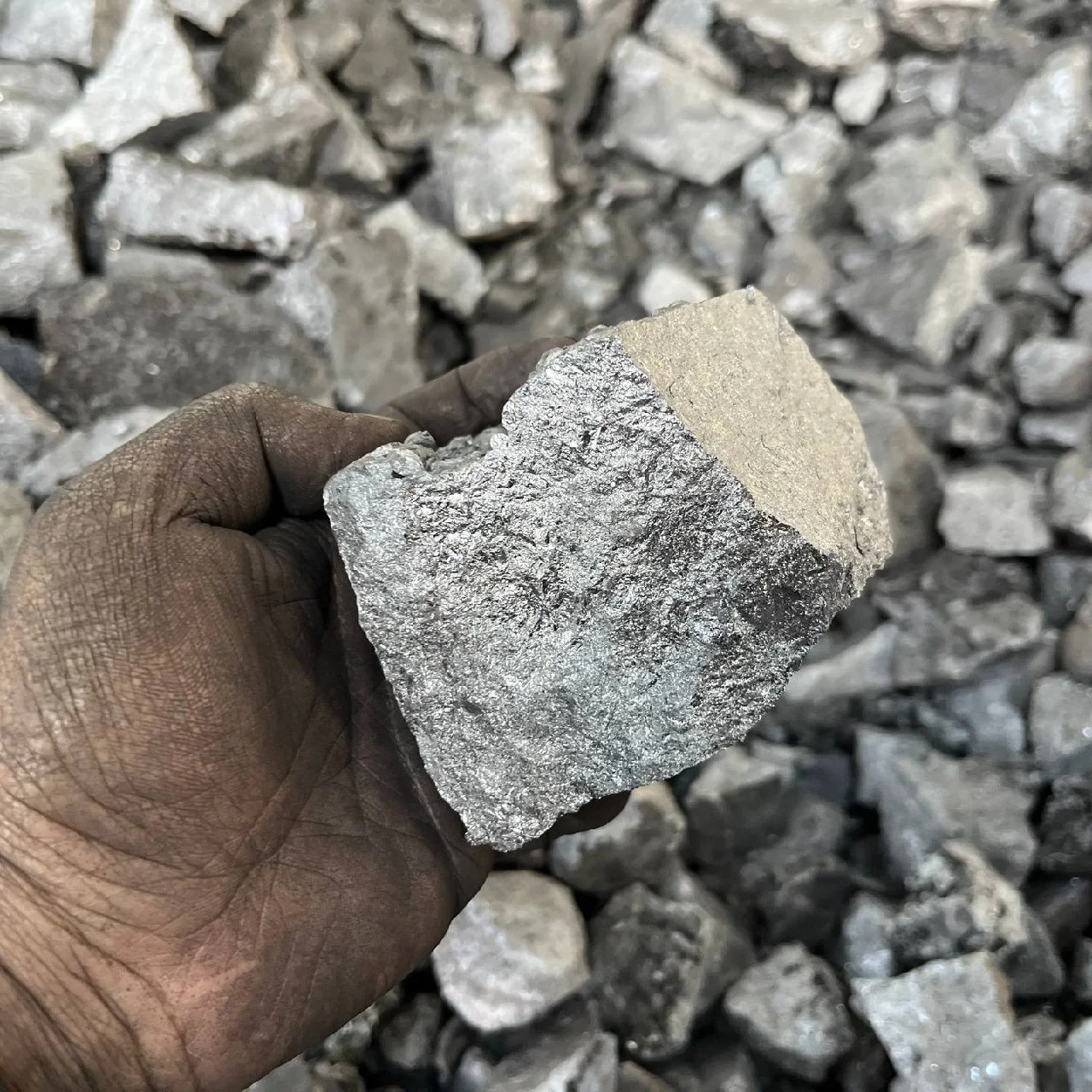
What Is Ferrosilicon (FeSi)? Composition, Production & Grades
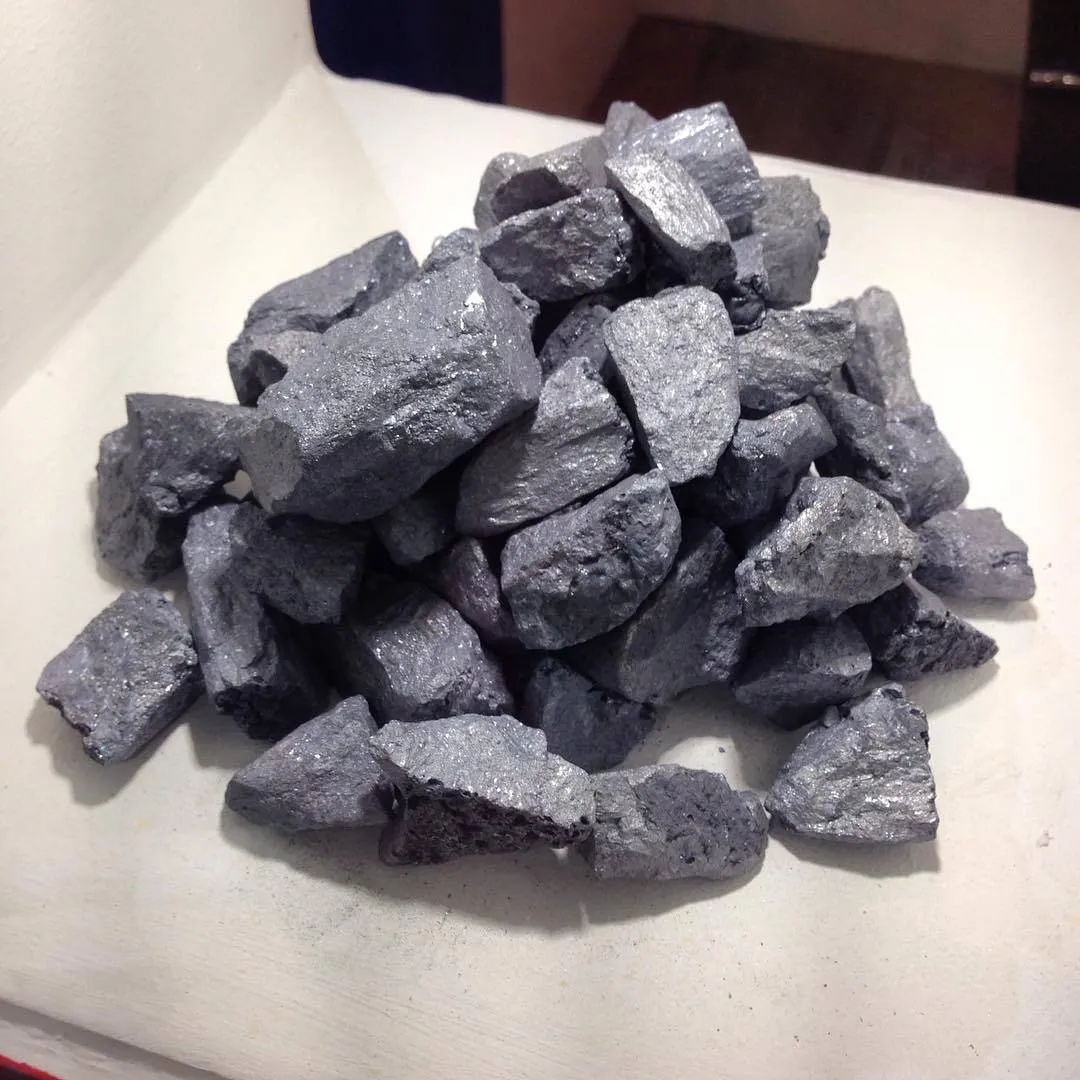
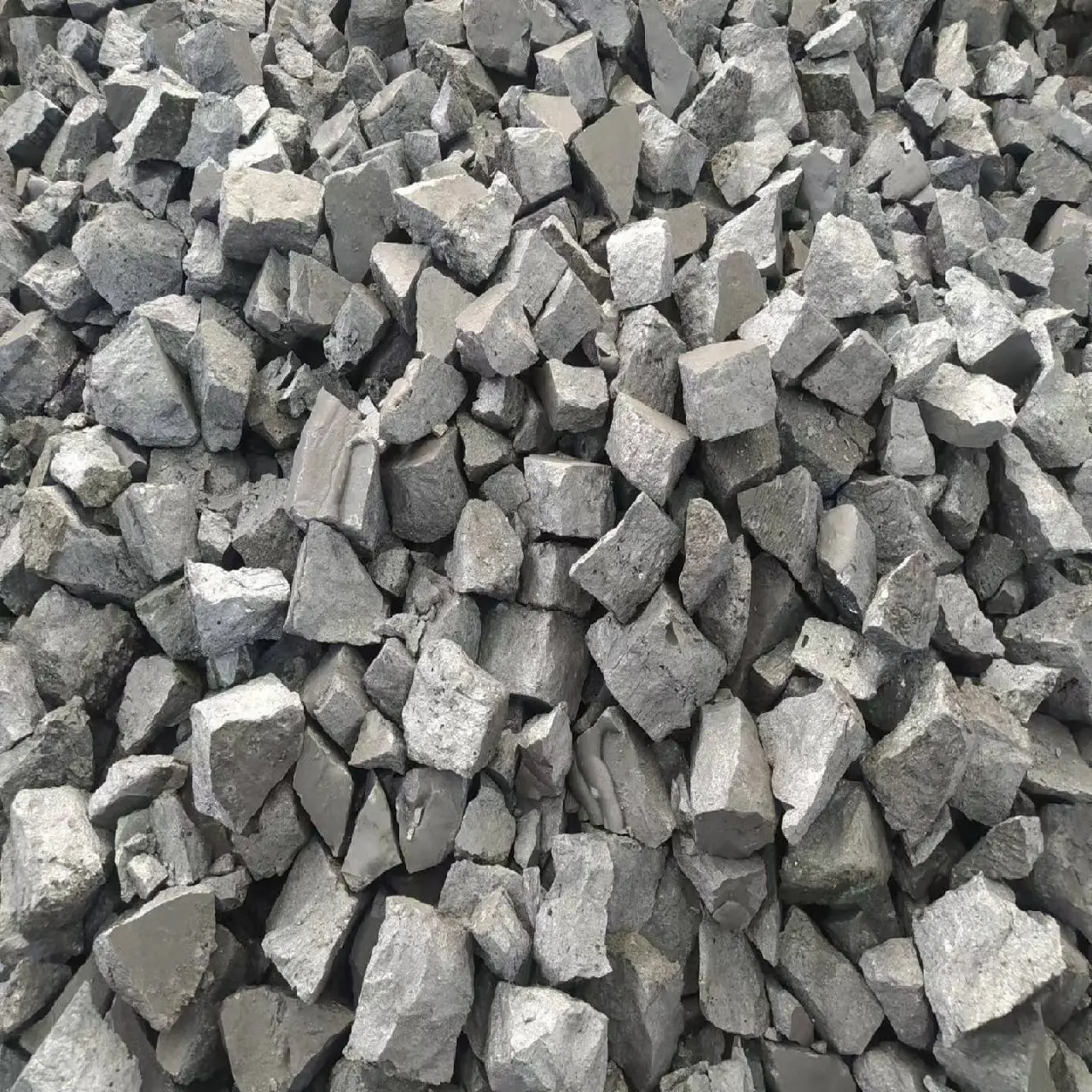
Ferrosilicon (FeSi) is an alloy of iron and silicon containing between 15% and 90% silicon by weight, produced by reducing quartz (silica) with coke in a submerged electric arc furnace alongside an iron source.

It is one of the most widely used ferroalloys in modern steelmaking, valued primarily as a deoxidizer and silicon-alloying agent.

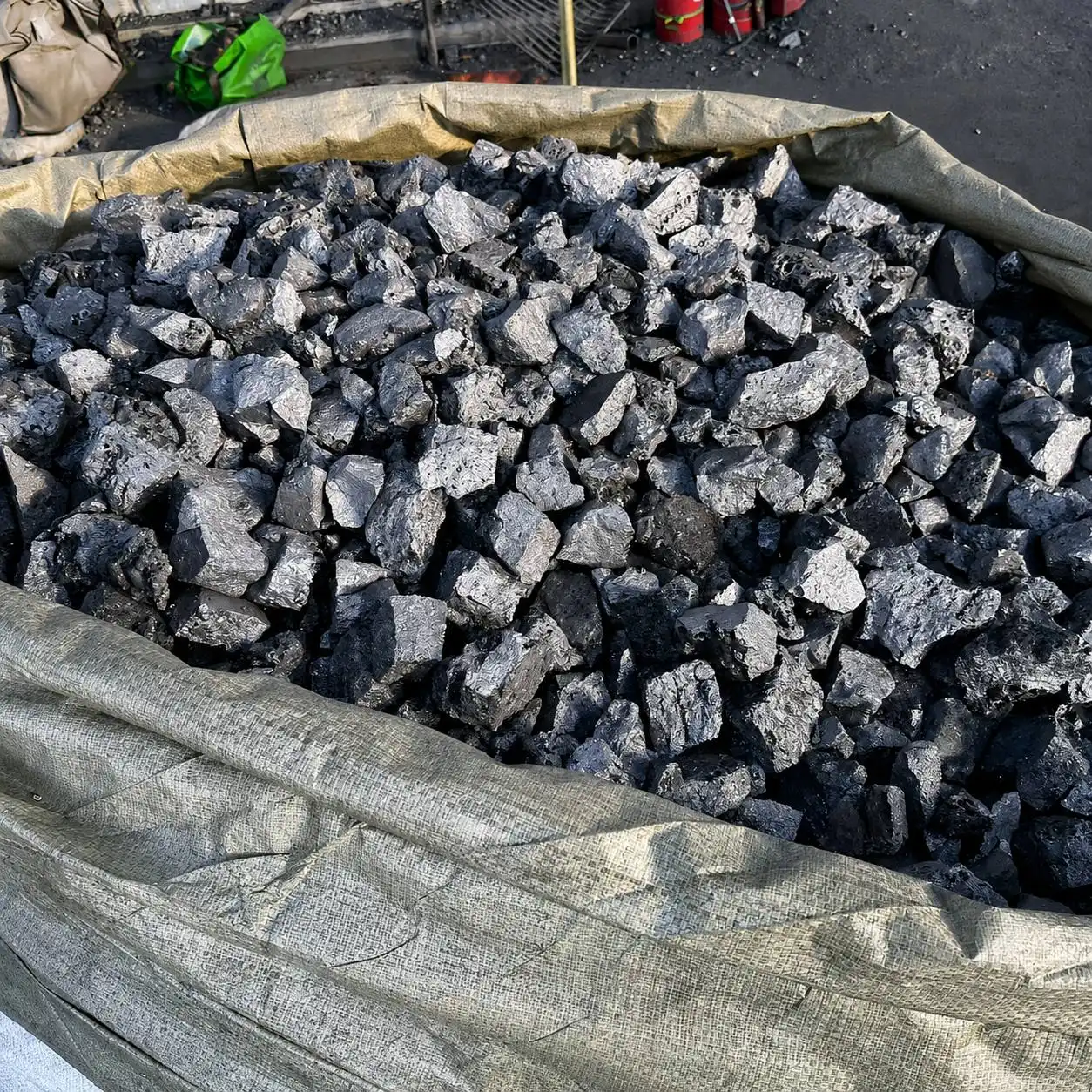
Production begins with high-purity quartz, an iron source (ore or scrap), and carbon reductants, smelted at temperatures above 1,900°C. The molten alloy is then cooled, crushed, and sized into lumps, granules, or powder depending on the buyer’s end-use requirements.

Common commercial grades include:

  • FeSi75 (72–80% Si) – the global standard grade, widely used in EAF/BOF steelmaking
  • FeSi72 (65–72% Si) – general steel alloying
  • FeSi65 (60–65% Si) – foundry and ductile iron casting
  • FeSi90 (87–93% Si) – high-purity specialty applications

Each grade is defined by its silicon content and controlled impurity levels (Al, C, P, S), which determine its suitability for specific steelmaking or casting processes.

Ferrosilicon Market in Turkey: Demand Drivers & Industry Overview

Turkey is one of the world’s largest and fastest-growing ferrosilicon markets, driven directly by the scale of its steel industry.

Turkish steel enterprises increased steel production by 3.3% in 2025 compared to 2024, reaching 38.12 million tons, and the country regained its position as the 7th largest crude steel producer and 5th largest steel exporter in the world that year.

What makes Turkey especially significant for ferrosilicon demand is its production method: Turkey’s steel production capacity is 75% EAF (electric arc furnace, based on scrap steel), compared to a global average dominated by coal-based blast furnaces.

Electric arc furnace steelmaking relies heavily on ferrosilicon for deoxidation and alloying at nearly every production cycle, which means Turkish mills consume FeSi at a rate well above countries with predominantly blast-furnace-based output.

This demand is concentrated around major industrial hubs – including Izmir, Bursa, Konya, and the Iskenderun steel corridor – home to both large integrated producers and a dense network of ductile iron foundries.

Because domestic ferroalloy production in Turkey does not fully cover this demand, mills and foundries regularly import ferrosilicon, creating consistent, high-volume opportunities for factory-direct international suppliers.

Ferro silicon Grades & Technical Specifications:

Ferrosilicon is classified commercially by its silicon percentage, with FeSi75 as the global benchmark grade used across Turkish EAF steelmaking, and FeSi65/FeSi72 preferred in foundry and general alloying applications.

Each grade also carries controlled impurity limits (Al, C, P, S) that determine which steel or casting specification it can meet.

Grade
Si
Al (max)
C (max)
Primary Use
FeSi75
72–80%
1.5–2.0%
0.20%
Deoxidizer, EAF/BOF steelmaking
FeSi72
65–72%
1.5–2.0%
0.20%
General steel alloying
FeSi65
60–65%
2.0–2.5%
0.20%
Foundry, ductile iron casting
FeSi90
87–93%
0.5–1.0%
0.10%
High-purity specialty applications

Buyers can request low-aluminum or low-carbon variants of any grade, along with custom lump sizes (e.g., 10–50mm or 0–10mm) to match specific furnace-charging or inoculation requirements.

Applications of Ferrosilicon in Turkish Steel & Foundry Industries:

Ferrosilicon plays a functional role at nearly every stage of Turkey’s steel and casting production chain from primary steelmaking to specialty alloy manufacturing.

Since roughly 75% of Turkish steel output is EAF-based, ferrosilicon consumption is tied directly to the country’s furnace charges rather than being a niche or occasional additive.

  • EAF/BOF Steelmaking: Added during tapping to deoxidize molten steel and control dissolved oxygen, improving cleanliness and mechanical properties of the final product.
  • Ductile (Nodular) Iron Foundries: Used as an inoculant to promote graphite nodule formation, a critical step for Turkey’s large ductile iron casting sector serving automotive and machinery manufacturers.
  • Silicon-Manganese & Master Alloy Production: Serves as a raw material input for downstream ferroalloys used in specialty and high-strength steel grades.
  • Welding Consumables: Used as a silicon source in flux-cored wire and electrode coatings produced by Turkish welding-material manufacturers.
  • Continuous Casting: Applied as a slag conditioner and deoxidizer to improve surface quality and reduce inclusions in cast billets and slabs.

This breadth of use  spanning primary mills, foundries, and downstream alloy producers is a key reason ferrosilicon demand in Turkey remains stable even during periods of steel-market volatility.

Factory-Direct Ferrosilicon Price in Turkey: Key Cost Factors

Ferrosilicon pricing in Turkey follows global export benchmarks but ultimately comes down to a handful of concrete variables that shift the final delivered cost up or down.

Silicon content is the starting point  higher-grade FeSi90 commands a clear premium over standard FeSi75, while FeSi65 and FeSi72 sit below it, reflecting both lower alloying value and the fact that higher-purity smelting consumes significantly more electricity per ton produced.

Grade
Si Content
Indicative FOB Price Range (2026)
FeSi75
72–80%
$1,050 – $1,150 / ton
FeSi72
65–72%
$950 – $1,050 / ton
FeSi65
60–65%
$850 – $950 / ton
FeSi90
87–93%
$1,400 – $1,600 / ton

Why Choose Ferrosilicon.co as Your Ferrosilicon Manufacturer & Exporter

Turkish buyers choosing a ferrosilicon supplier are ultimately weighing consistency and accountability against price. FERROSILICON.CO is built around closing that gap:

  • Direct factory production -no trading-house intermediary, so pricing and lead times reflect actual production capacity, not a reseller’s markup
  • Batch-tested, certified quality – every shipment ships with a Mill Test Certificate showing the actual chemical analysis of that batch
  • Flexible order sizes – from a single trial container to full bulk-vessel shipments, so new Turkish buyers can qualify our material before committing to volume
  • Experience serving Turkish steel mills and foundries – familiarity with Turkish customs documentation, port procedures, and the specification expectations of EAF-based steelmaking
  • Transparent, itemized pricing – FOB and CFR/CIF quotes broken down by grade, volume, and freight, so buyers can compare directly against market benchmarks rather than accept an opaque number

Quality Assurance, Certifications & Mill Test Certificates:

Consistent chemical composition is the single biggest factor Turkish steel mills and foundries evaluate when qualifying a new ferrosilicon supplier  a single off-spec shipment can disrupt an entire furnace charge or casting batch.

For that reason, every order is backed by documented, batch-level quality control rather than a one-time factory certificate

  • Batch testing: Each production batch is analyzed for Si, Fe, Al, Ca, C, P, and S content before it is approved for shipment.
  • Mill Test Certificate (MTC): A signed MTC accompanies every shipment, showing the exact chemical analysis of the delivered batch — not a generic product datasheet.
  • ISO 9001 quality management: Production processes follow internationally recognized quality-management standards, supporting Turkish buyers’ own supplier-audit and procurement requirements.
  • Third-party inspection (on request): Pre-shipment inspection by an independent surveyor (e.g., SGS, Bureau Veritas) can be arranged for buyers who require additional verification before loading.
  • Traceability: Batch numbers link each shipment back to its production run, allowing any quality query to be resolved quickly rather than disputed after delivery

Shipping Ferrosilicon to Turkey: Ports, Incoterms & Logistics
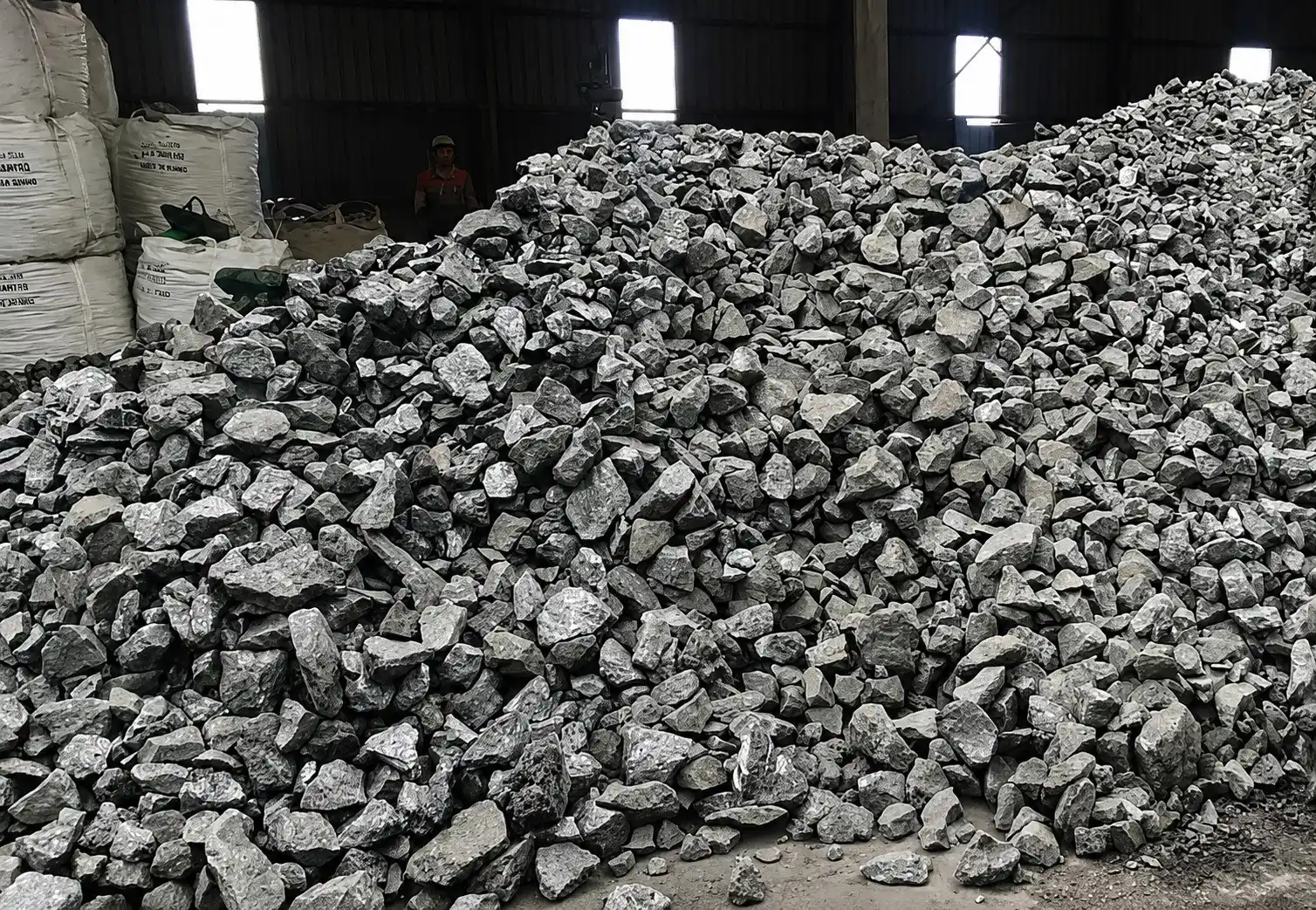
Ferrosilicon reaches Turkish buyers almost exclusively by sea, and choosing the right port and Incoterm has a direct impact on both cost and delivery reliability. Shipments are regularly delivered to three key entry points:

  • Mersin — serves southern and central Turkey, with strong onward connections toward the Turkish-Syrian trade corridor
  • Iskenderun — a major steel-industry port, positioned close to several large integrated steel mills
  • Ambarlı / Istanbul — the primary gateway for the Marmara industrial region, Turkey’s most concentrated manufacturing belt

Buyers typically choose between two Incoterms: FOB (origin port), where the buyer arranges and pays for ocean freight and insurance, or CFR/CIF, where the supplier handles freight (and insurance, under CIF) through to the named Turkish port.

FOB gives buyers more control over freight-forwarder selection and cost, while CFR/CIF simplifies the process for buyers who prefer a single landed-cost figure.

Frequently Asked Questions About Ferrosilicon in Turkey:

1. What is the standard ferrosilicon grade used in Turkey?

Most Turkish steel mills and foundries use FeSi75, the global benchmark grade for EAF and BOF steelmaking. FeSi72 and FeSi65 are also common, particularly in ductile iron foundries and general alloying applications.

2. Why does Turkey import so much ferrosilicon?

Turkey is the 7th largest crude steel producer in the world, with roughly 75% of its output based on electric arc furnaces  a process that consumes ferrosilicon at nearly every production cycle. Domestic ferroalloy output doesn’t fully cover this demand, so mills and foundries rely on imports.

3. What is the current price of ferrosilicon per ton?

Global FOB benchmarks for FeSi75 have traded around $1,050–$1,150 per ton through 2026, with FeSi65 and FeSi72 priced somewhat lower and high-purity FeSi90 priced higher. Actual factory pricing depends on volume, specification, and Incoterm.

4. Can ferrosilicon be shipped directly to Turkish ports?

Yes. Shipments are regularly delivered to Mersin, Iskenderun, and Ambarlı via bulk vessel, break-bulk, or standard container, with full export documentation prepared for Turkish customs clearance.

5. What documents are required for customs clearance in Turkey?

A complete shipment typically includes a Certificate of Origin, Mill Test Certificate (MTC), packing list, and Bill of Lading, prepared in the format Turkish customs authorities expect.

6. Is factory-direct ferrosilicon cheaper than buying through a trader?

Generally yes, since factory-direct pricing removes intermediary margins while maintaining full quality traceability through batch testing and Mill Test Certificates.

Conclusion: Your Factory-Direct Ferrosilicon Partner in Turkey:

Sourcing ferrosilicon for the Turkish market comes down to one core question: can your supplier deliver the right grade, consistently, with documentation your mill or foundry can trust?

FERROSILICON.CO is built to answer that question directly  as a factory manufacturer and exporter, not a trading intermediary, supplying FeSi75, FeSi72, FeSi65, and FeSi90 with batch-tested Mill Test Certificates on every shipment.

Whether you’re qualifying a new supplier with a trial container or planning a regular bulk-vessel program into Mersin, Iskenderun, or Ambarlı, our team handles grade selection, Incoterm structuring, and Turkish export documentation from a single point of contact so your procurement process stays simple even as your order volume grows.

Get a Factory-Direct Quote
📧 Email: info@ferrosilicon.co
📞 Phone / WhatsApp: 09121684359 
🌐 Website: ferrosilicon.co