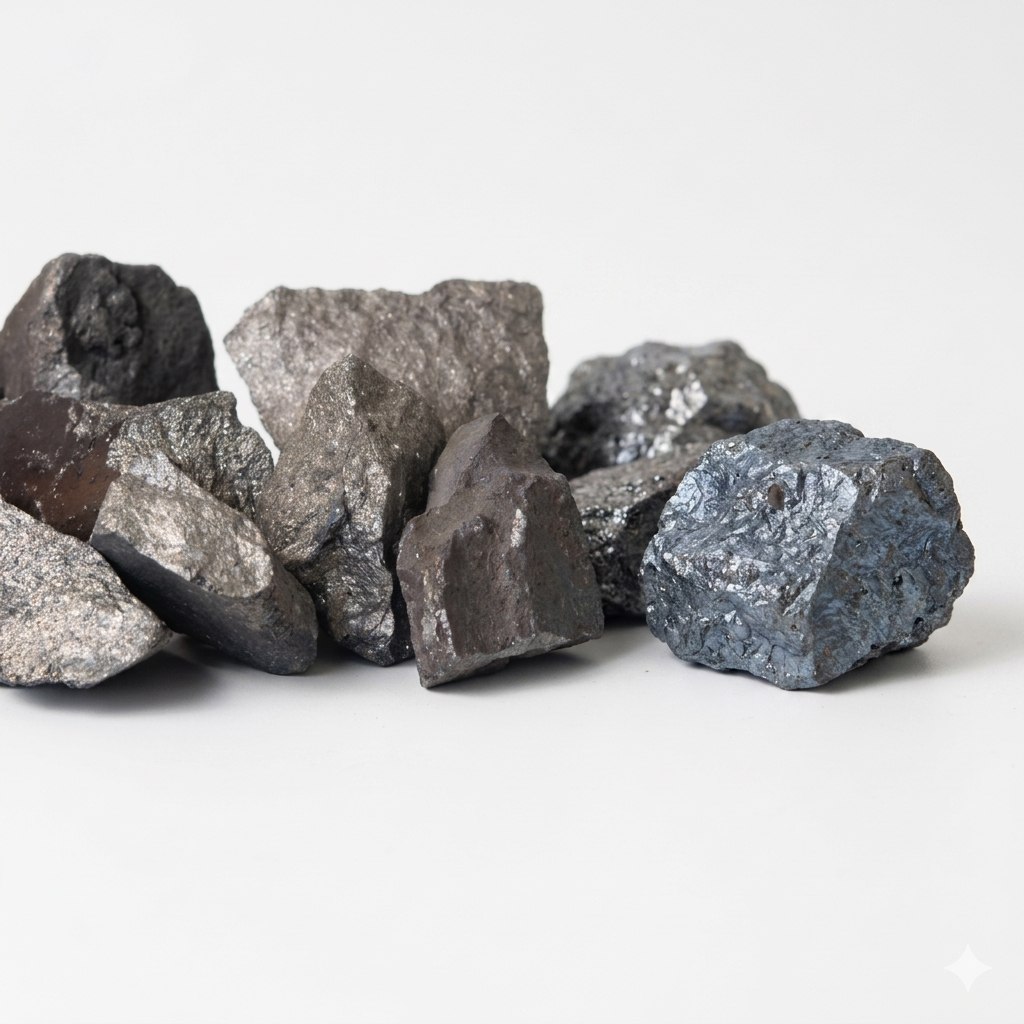
Ferro Silico Manganese: Different Grades
Ferro Silico Manganese (Silicomanganese, SiMn or FeSiMn) is a bulk ferroalloy typically containing ~60–70% manganese (Mn) and ~14–25% silicon (Si) with controlled carbon.
It is mainly used in steelmaking as a deoxidizer and alloying agent, improving strength, toughness, hardenability, and helping control sulfur-related defects.
Different grades are selected based on required Mn/Si levels and carbon limits for the target steel.
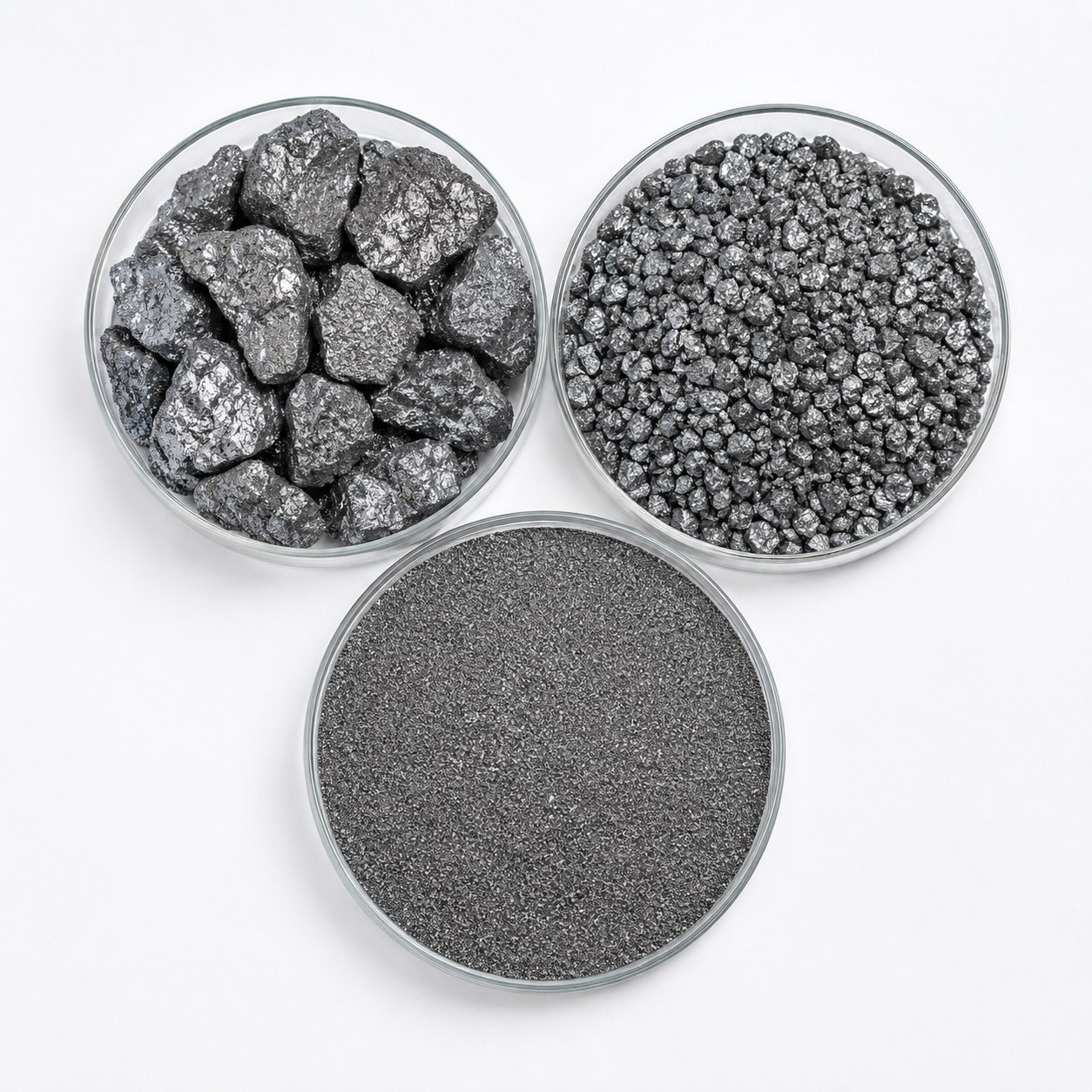
Quick Summary Table: Common SiMn Grades & Uses
| Grade (Commercial Name) | Typical Mn (%) | Typical Si (%) | Primary Uses (Best Fit) |
| SiMn 65/17 | 63–68 | 16–19 | General carbon steels, rebar/sections; strong deoxidation + alloying |
| SiMn 60/14 | 60–65 | 14–16 | Cost-effective for basic carbon steels, foundry/charge balancing |
| Low-Carbon SiMn (LC SiMn) | 65–72 | 18–25 | Low-carbon / alloy / stainless-adjacent steels where C pickup must be minimized |
| High-Silicon SiMn | 55–65 | 25–30 | Special metallurgy needs; stronger deoxidation, chemistry adjustment when higher Si is desired |
Applications (fast scan):
Understanding Ferro Silico Manganese (FeSiMn):
Chemical Composition and Physical Properties:
Why It Matters: The Industry Significance:
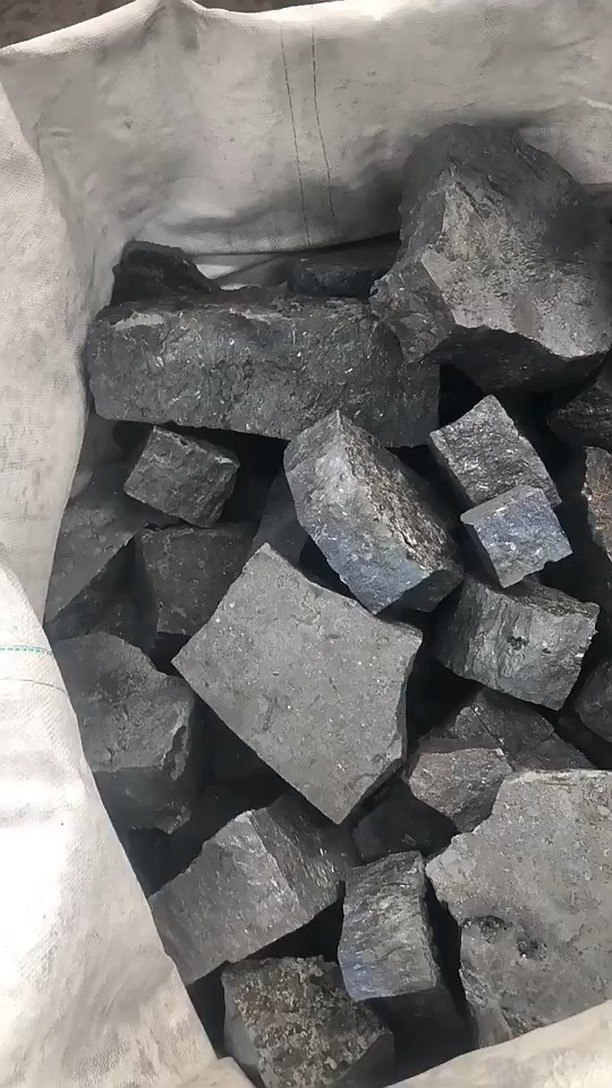
Key Grades of Ferro Silico Manganese (FeSiMn):
1. Standard Grade SiMn 65/17 (The Global Benchmark):
2. Standard Grade SiMn 60/14 (Cost-Effective Utility):
3. Low Carbon Silicomanganese (LC SiMn):
4. High Silicon SiMn (Specialty Grade):
Core Applications of Silicomanganese in Steelmaking:
1. Enhanced Deoxidation:
2. Desulfurization & Crack Prevention:
3. Strength and Durability (Alloying):
4. Operational & Economic Efficiency:
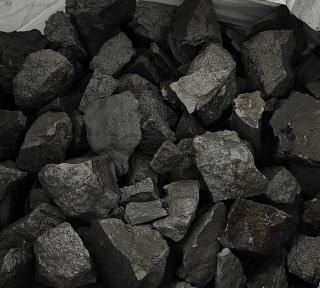
How is Ferro Silico Manganese Produced?
Ferro Silico Manganese is manufactured through the carbothermic reduction of manganese ores, silica (quartz), and iron ore.
The process typically takes place in a Submerged Arc Furnace (SAF). During smelting, carbon (usually in the form of coke or coal) acts as a reducing agent at high temperatures.
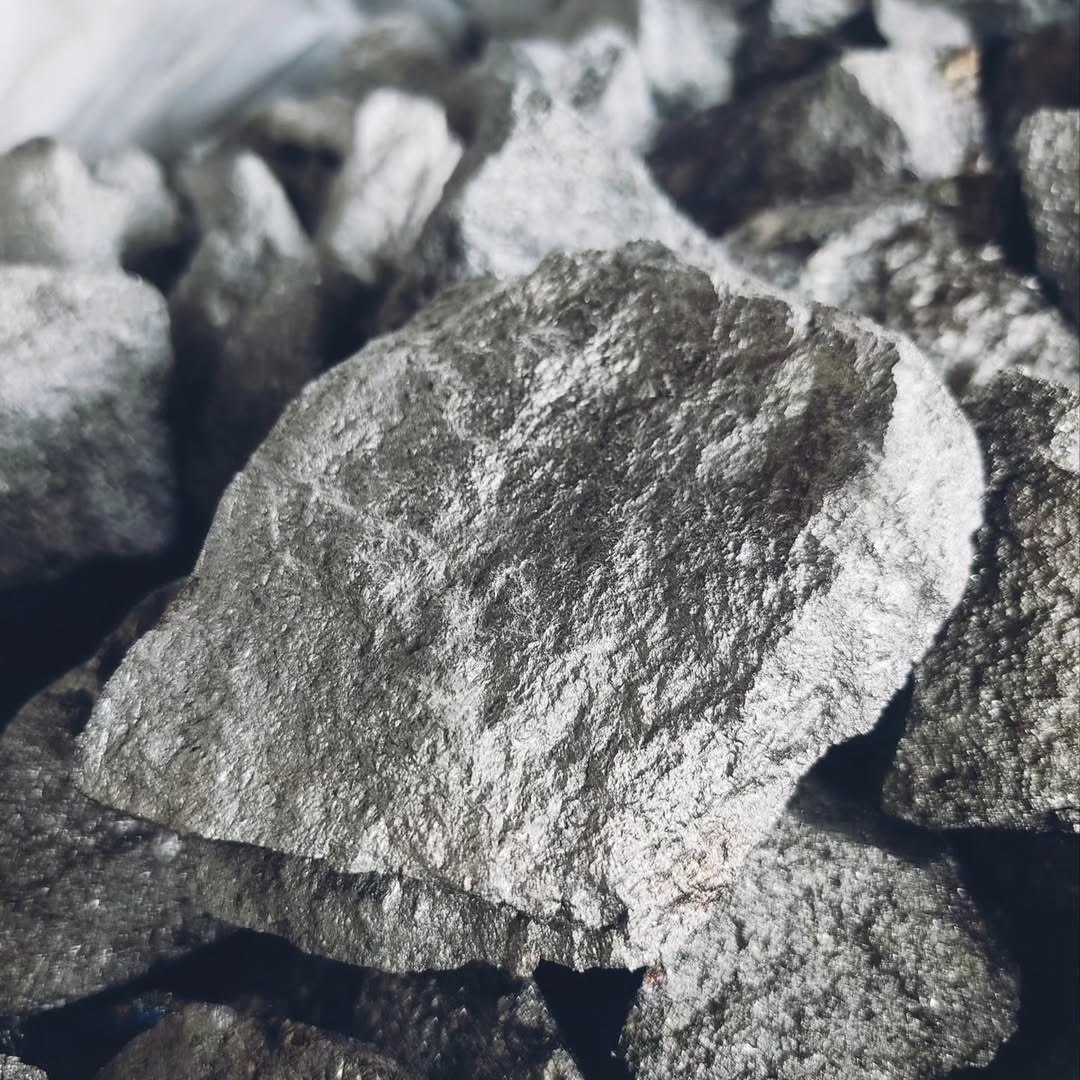
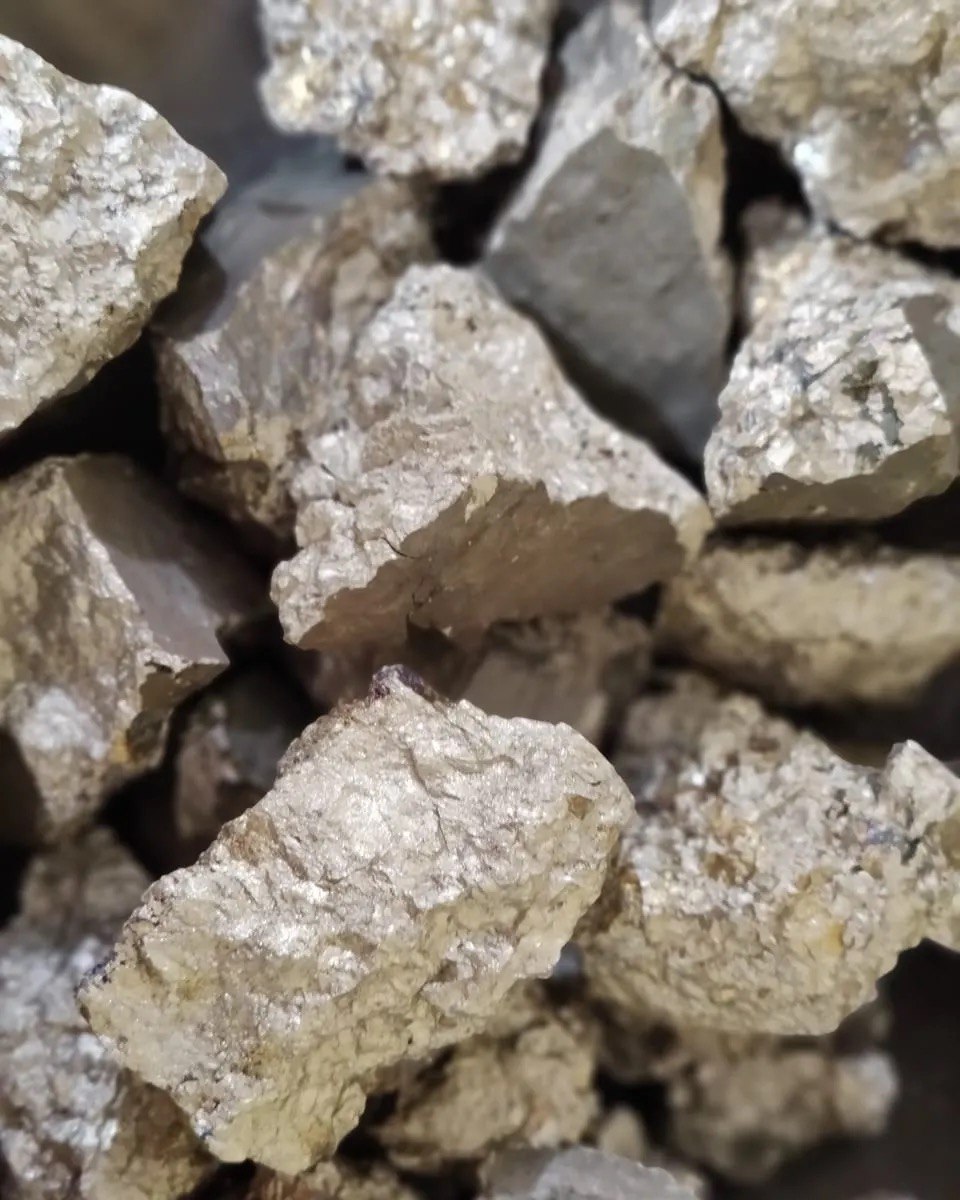
The resulting molten alloy is then cast into ingots, cooled, and crushed into specific sizes (such as 10-50mm or 10-100mm) based on industrial requirements.
Major Advantages of Using SiMn over Other Alloys:
Global Quality Standards and Specifications:
To ensure consistency in steel properties, Silicomanganese must adhere to international quality standards such as ASTM A483 or ISO 5447. These standards dictate the permissible ranges for:
-
- Main Elements: Ensuring the Mn and Si content stay within the 60-75% and 14-25% ranges respectively.
- Impurity Limits: Restricting Phosphorus (P) and Sulfur (S) to very low levels (typically <0.3% P and <0.03% S) to prevent brittleness.
- Size Distribution: Ensuring the material is properly sized to avoid “fines” that can cause uneven melting or losses in the furnace.
Silicomanganese vs. Ferromanganese & Ferrosilicon: What’s the Difference?
1. Superior Deoxidation Efficiency:
2. Lower Carbon Pickup:
3. Operational Cost Savings:
Frequently Asked Questions (FAQ):
1. What are the main benefits of using Silicomanganese in steel?
It serves as a powerful dual-deoxidizer and desulfurizer. By forming liquid silicates that float out easily, it produces cleaner steel with improved tensile strength, hardness, and resistance to “hot shortness” (cracking).
2. Can Silicomanganese be used in stainless steel production?
Yes, but only Low Carbon (LC) Silicomanganese is used. It allows manufacturers to add necessary Manganese and Silicon without increasing carbon levels, which is vital for maintaining the corrosion resistance of stainless steel.
3. What is the typical melting point and size of FeSiMn?
The melting point ranges between
and
. Commercially, it is usually supplied in sizes of 10–50mm or 10–100mm to ensure rapid and uniform dissolution in the molten bath.
Frequently Asked Questions (FAQ):

About the Author – Mahboubeh
Senior Metallurgist & Technical Director at Ferrosilicon.co