✅ Ferrosilicon Turkey Guide:
Turkey is one of the fastest-growing markets for ferro silicon (FeSi), driven by its large steel, ductile iron, and foundry industries.
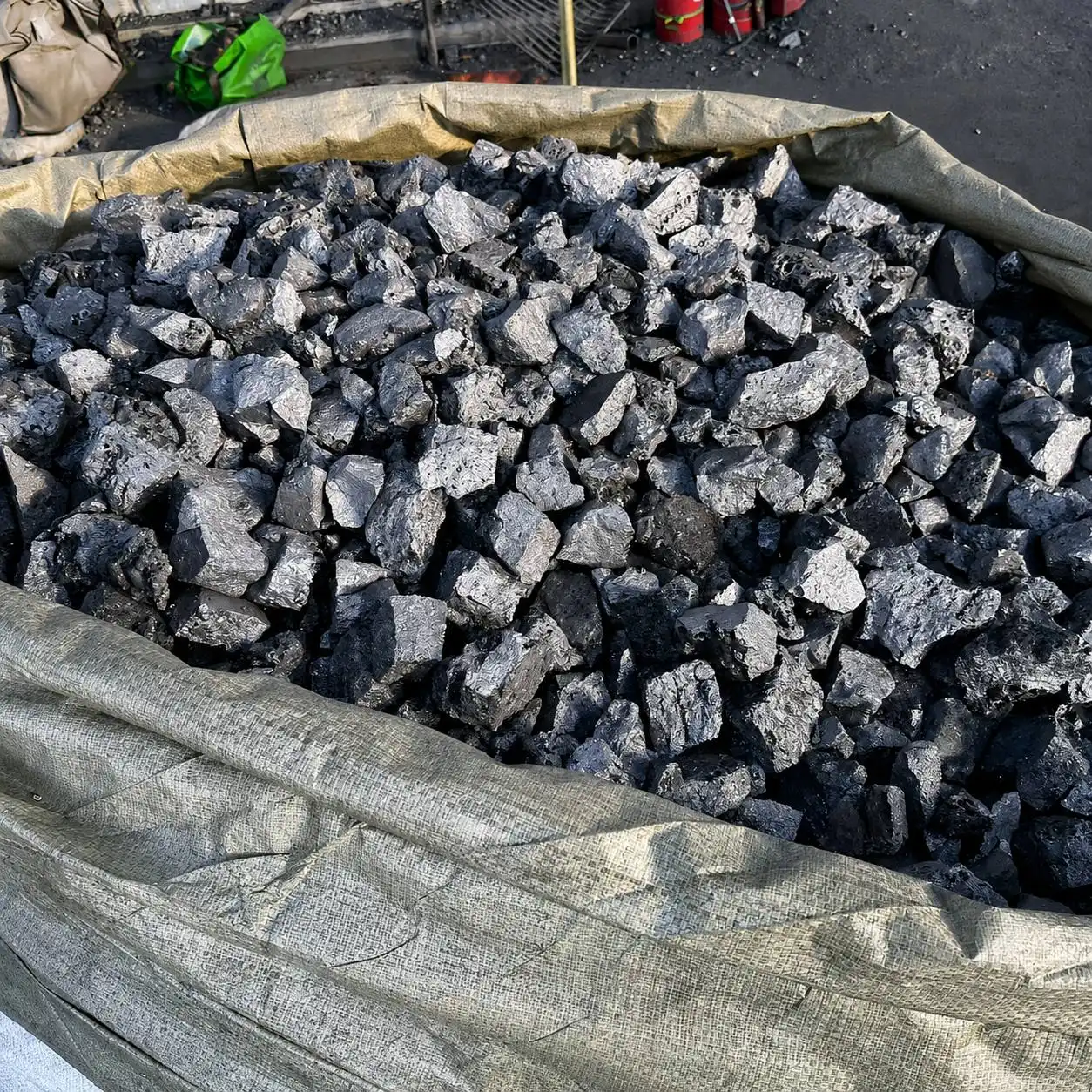
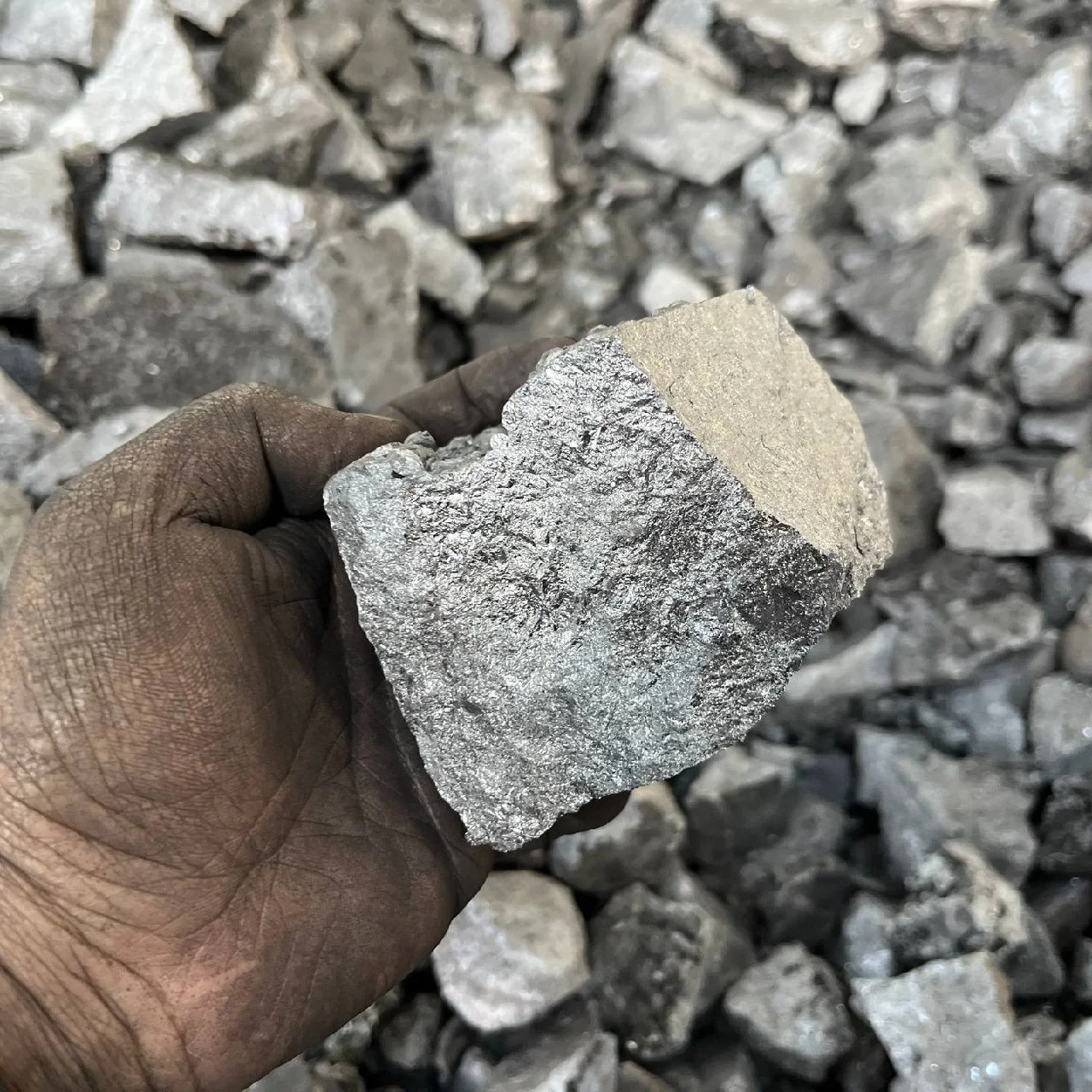
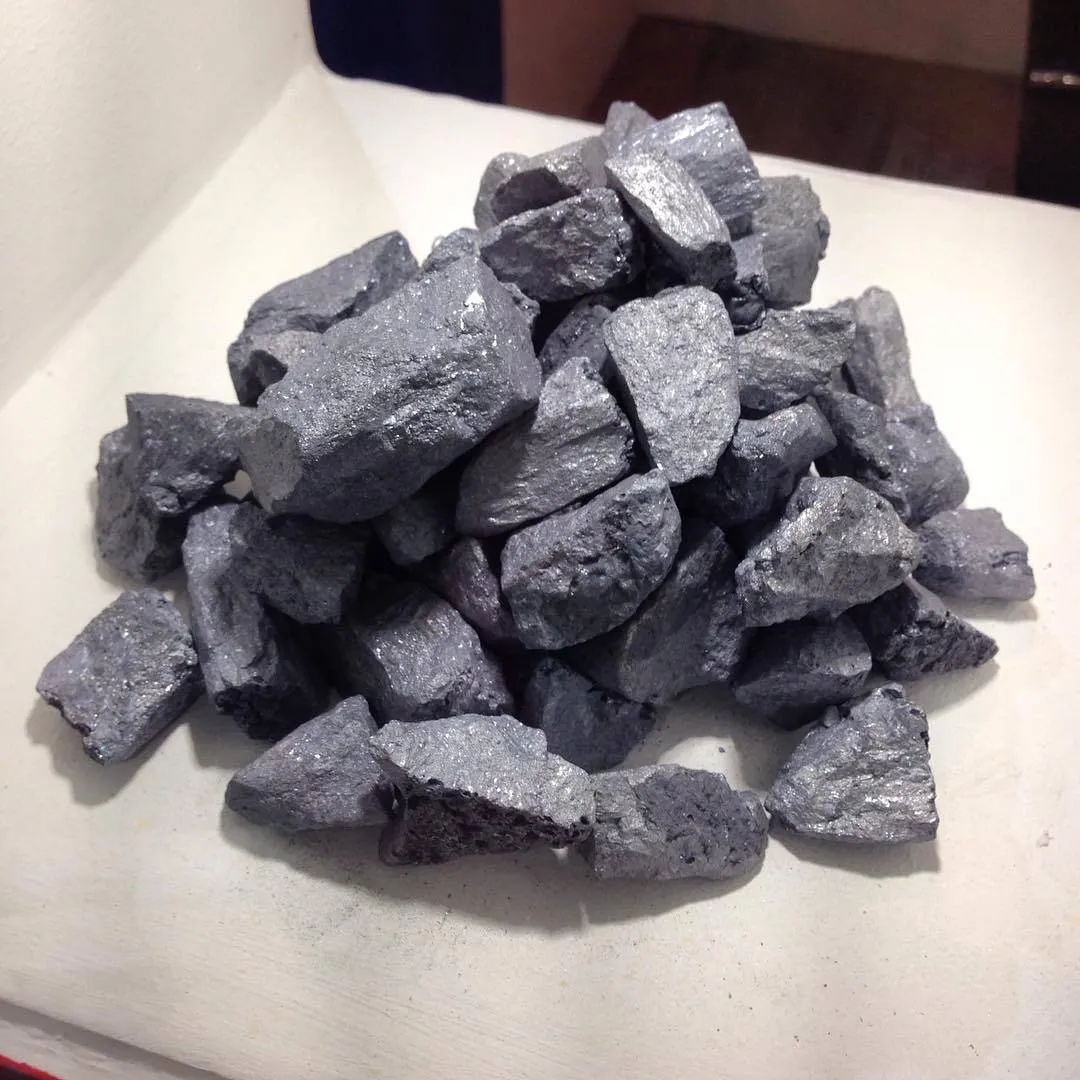
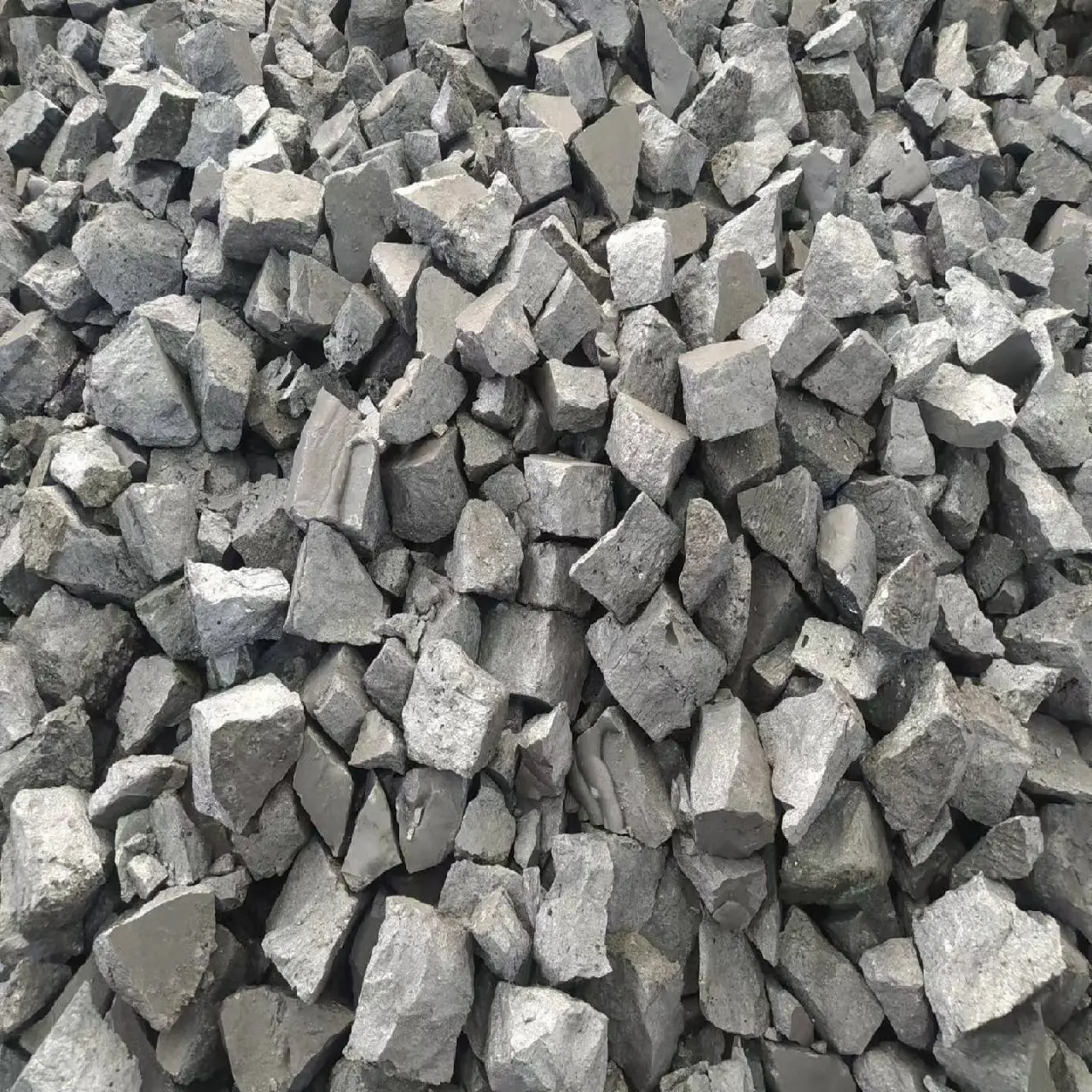
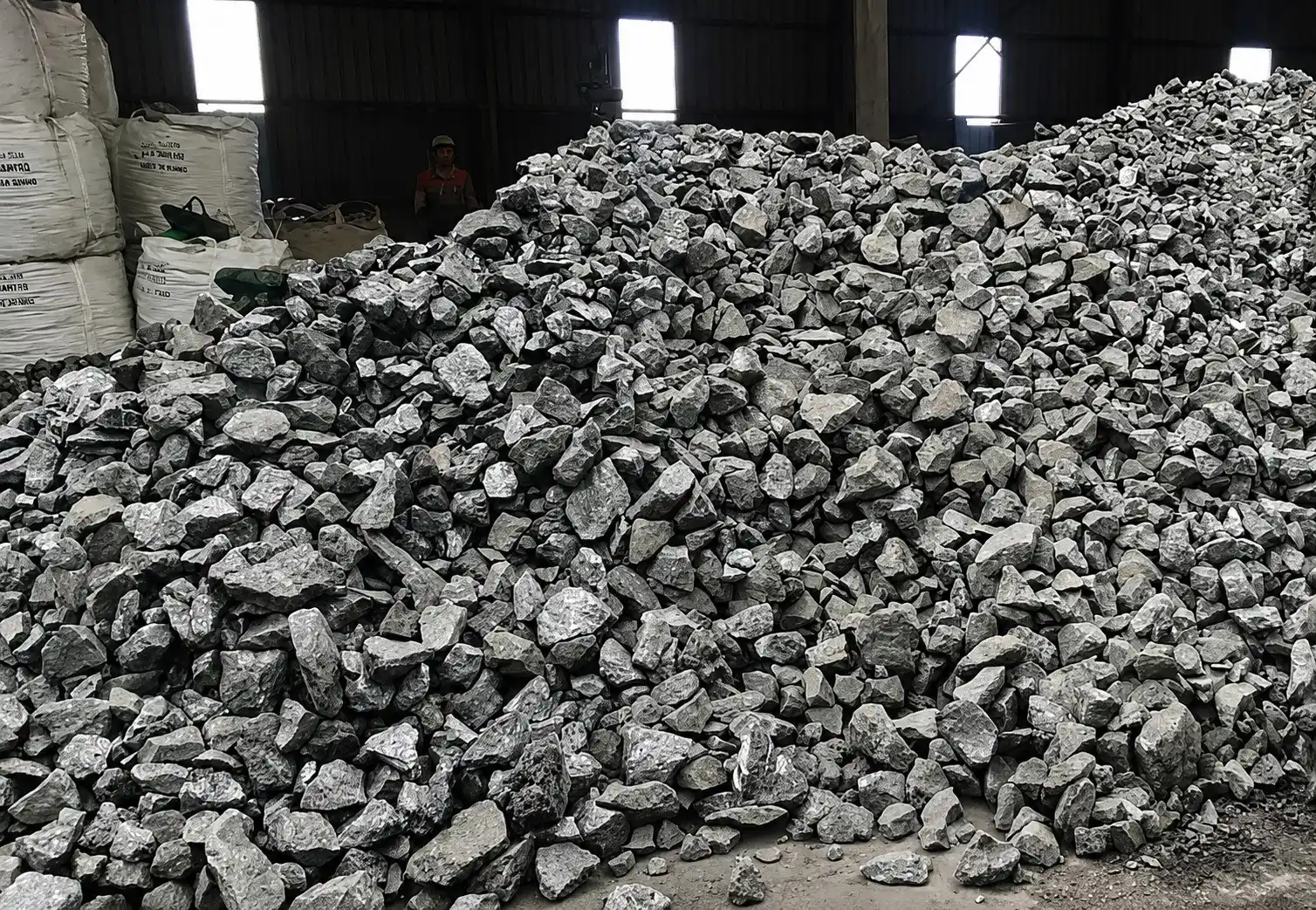
Buyers in Turkey typically source FeSi75, FeSi72, and FeSi65 in lump, granule, or powder form, with factory-direct pricing ranging based on silicon content, particle size, and shipping terms (FOB, CFR, or CIF to Turkish ports such as Mersin, Iskenderun, and Ambarlı).
As a global manufacturer and exporter of high-purity ferrosilicon, we supply Turkish steel mills, foundries, and trading companies directly from the factory – cutting out middlemen, reducing costs, and guaranteeing consistent chemical composition batch after batch.
Below, you’ll find everything a Turkish buyer needs: specifications, grades, applications, pricing factors, certifications, and shipping logistics.
What Is Ferrosilicon (FeSi)? Composition, Production & Grades
Ferrosilicon Market in Turkey: Demand Drivers & Industry Overview
Ferro silicon Grades & Technical Specifications:
| Grade | Si | Al (max) | C (max) | Primary Use |
| FeSi75 | 72–80% | 1.5–2.0% | 0.20% | Deoxidizer, EAF/BOF steelmaking |
| FeSi72 | 65–72% | 1.5–2.0% | 0.20% | General steel alloying |
| FeSi65 | 60–65% | 2.0–2.5% | 0.20% | Foundry, ductile iron casting |
| FeSi90 | 87–93% | 0.5–1.0% | 0.10% | High-purity specialty applications |
Applications of Ferrosilicon in Turkish Steel & Foundry Industries:
Factory-Direct Ferrosilicon Price in Turkey: Key Cost Factors
| Grade | Si Content | Indicative FOB Price Range (2026) |
| FeSi75 | 72–80% | $1,050 – $1,150 / ton |
| FeSi72 | 65–72% | $950 – $1,050 / ton |
| FeSi65 | 60–65% | $850 – $950 / ton |
| FeSi90 | 87–93% | $1,400 – $1,600 / ton |
Why Choose Ferrosilicon.co as Your Ferrosilicon Manufacturer & Exporter
Turkish buyers choosing a ferrosilicon supplier are ultimately weighing consistency and accountability against price. FERROSILICON.CO is built around closing that gap:
- Direct factory production -no trading-house intermediary, so pricing and lead times reflect actual production capacity, not a reseller’s markup
- Batch-tested, certified quality – every shipment ships with a Mill Test Certificate showing the actual chemical analysis of that batch
- Flexible order sizes – from a single trial container to full bulk-vessel shipments, so new Turkish buyers can qualify our material before committing to volume
- Experience serving Turkish steel mills and foundries – familiarity with Turkish customs documentation, port procedures, and the specification expectations of EAF-based steelmaking
- Transparent, itemized pricing – FOB and CFR/CIF quotes broken down by grade, volume, and freight, so buyers can compare directly against market benchmarks rather than accept an opaque number
Quality Assurance, Certifications & Mill Test Certificates:
Consistent chemical composition is the single biggest factor Turkish steel mills and foundries evaluate when qualifying a new ferrosilicon supplier a single off-spec shipment can disrupt an entire furnace charge or casting batch.
For that reason, every order is backed by documented, batch-level quality control rather than a one-time factory certificate
- Batch testing: Each production batch is analyzed for Si, Fe, Al, Ca, C, P, and S content before it is approved for shipment.
- Mill Test Certificate (MTC): A signed MTC accompanies every shipment, showing the exact chemical analysis of the delivered batch — not a generic product datasheet.
- ISO 9001 quality management: Production processes follow internationally recognized quality-management standards, supporting Turkish buyers’ own supplier-audit and procurement requirements.
- Third-party inspection (on request): Pre-shipment inspection by an independent surveyor (e.g., SGS, Bureau Veritas) can be arranged for buyers who require additional verification before loading.
- Traceability: Batch numbers link each shipment back to its production run, allowing any quality query to be resolved quickly rather than disputed after delivery
Shipping Ferrosilicon to Turkey: Ports, Incoterms & Logistics
Frequently Asked Questions About Ferrosilicon in Turkey:
1. What is the standard ferrosilicon grade used in Turkey?
Most Turkish steel mills and foundries use FeSi75, the global benchmark grade for EAF and BOF steelmaking. FeSi72 and FeSi65 are also common, particularly in ductile iron foundries and general alloying applications.
2. Why does Turkey import so much ferrosilicon?
Turkey is the 7th largest crude steel producer in the world, with roughly 75% of its output based on electric arc furnaces a process that consumes ferrosilicon at nearly every production cycle. Domestic ferroalloy output doesn’t fully cover this demand, so mills and foundries rely on imports.
3. What is the current price of ferrosilicon per ton?
Global FOB benchmarks for FeSi75 have traded around $1,050–$1,150 per ton through 2026, with FeSi65 and FeSi72 priced somewhat lower and high-purity FeSi90 priced higher. Actual factory pricing depends on volume, specification, and Incoterm.
4. Can ferrosilicon be shipped directly to Turkish ports?
Yes. Shipments are regularly delivered to Mersin, Iskenderun, and Ambarlı via bulk vessel, break-bulk, or standard container, with full export documentation prepared for Turkish customs clearance.
5. What documents are required for customs clearance in Turkey?
A complete shipment typically includes a Certificate of Origin, Mill Test Certificate (MTC), packing list, and Bill of Lading, prepared in the format Turkish customs authorities expect.
6. Is factory-direct ferrosilicon cheaper than buying through a trader?
Generally yes, since factory-direct pricing removes intermediary margins while maintaining full quality traceability through batch testing and Mill Test Certificates.