09121684359 info@ferrosilicon.co

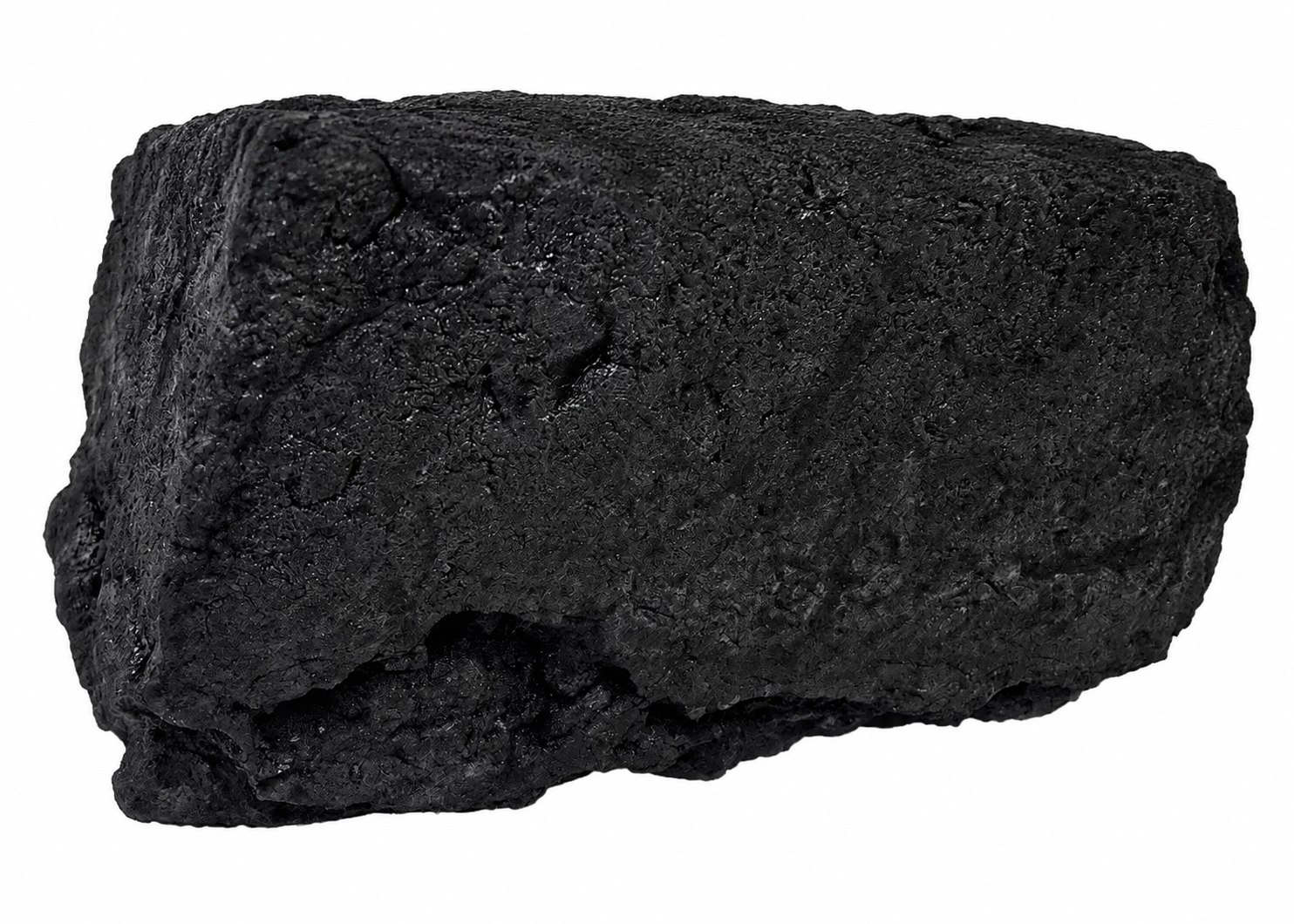
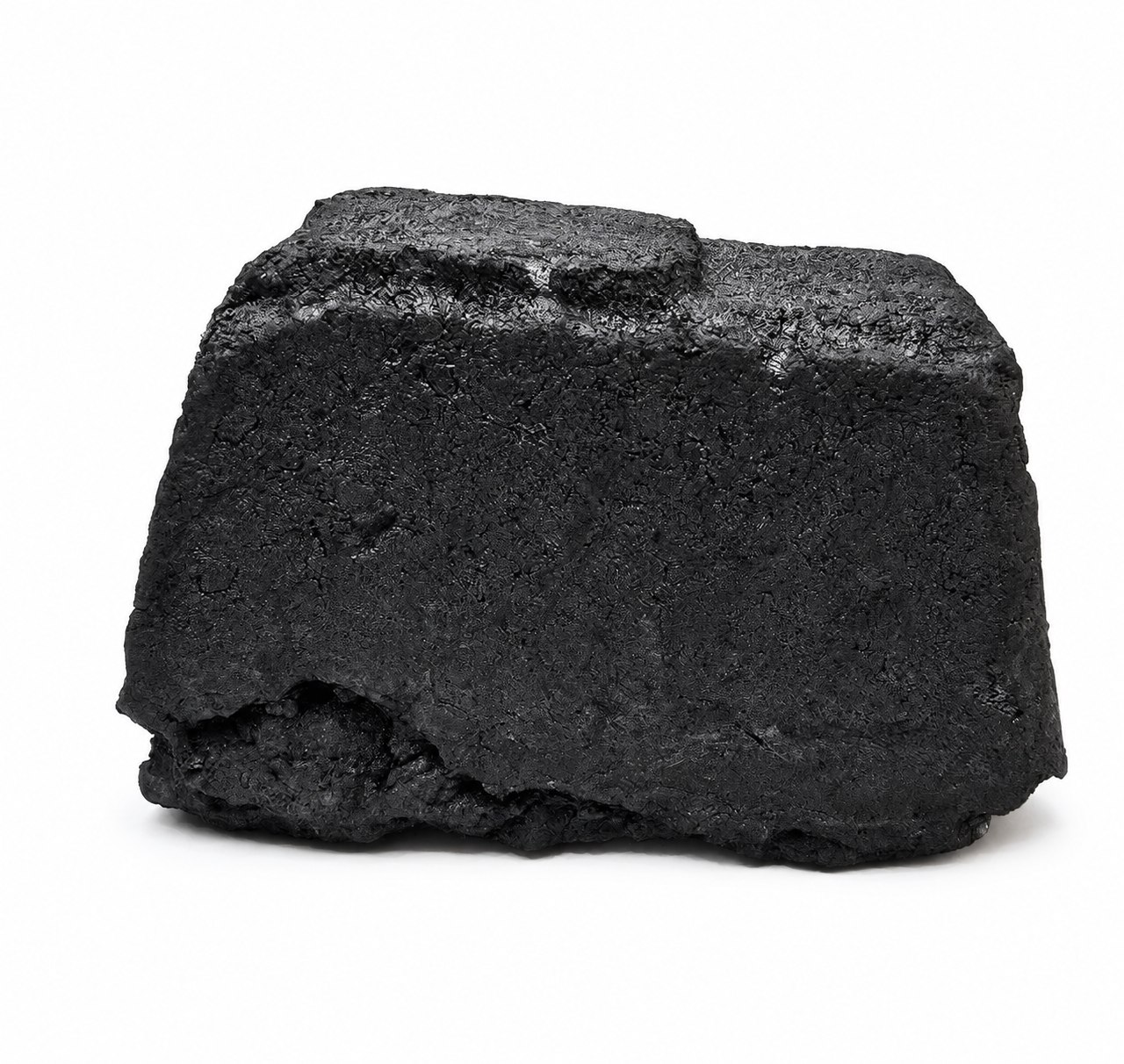
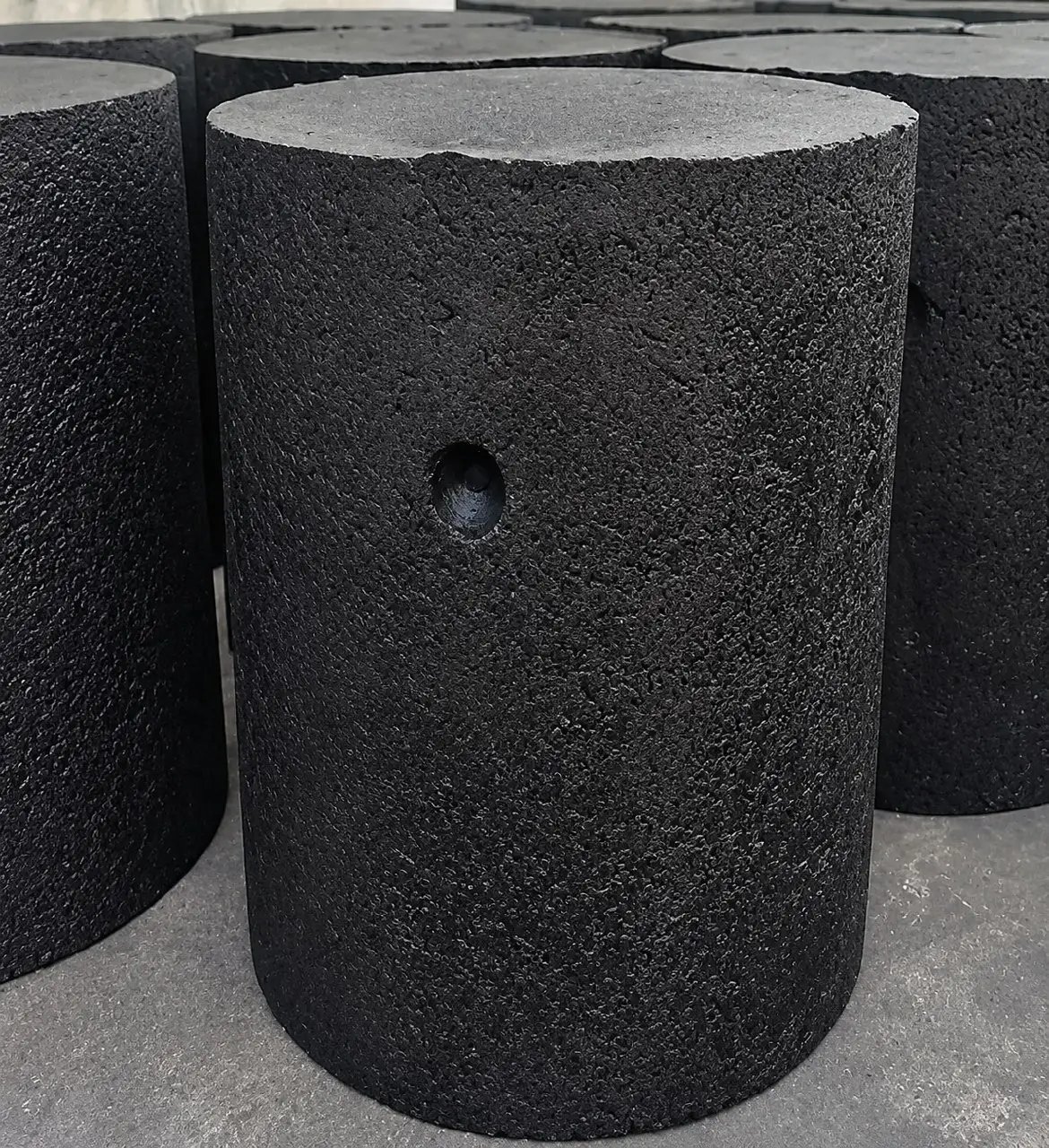
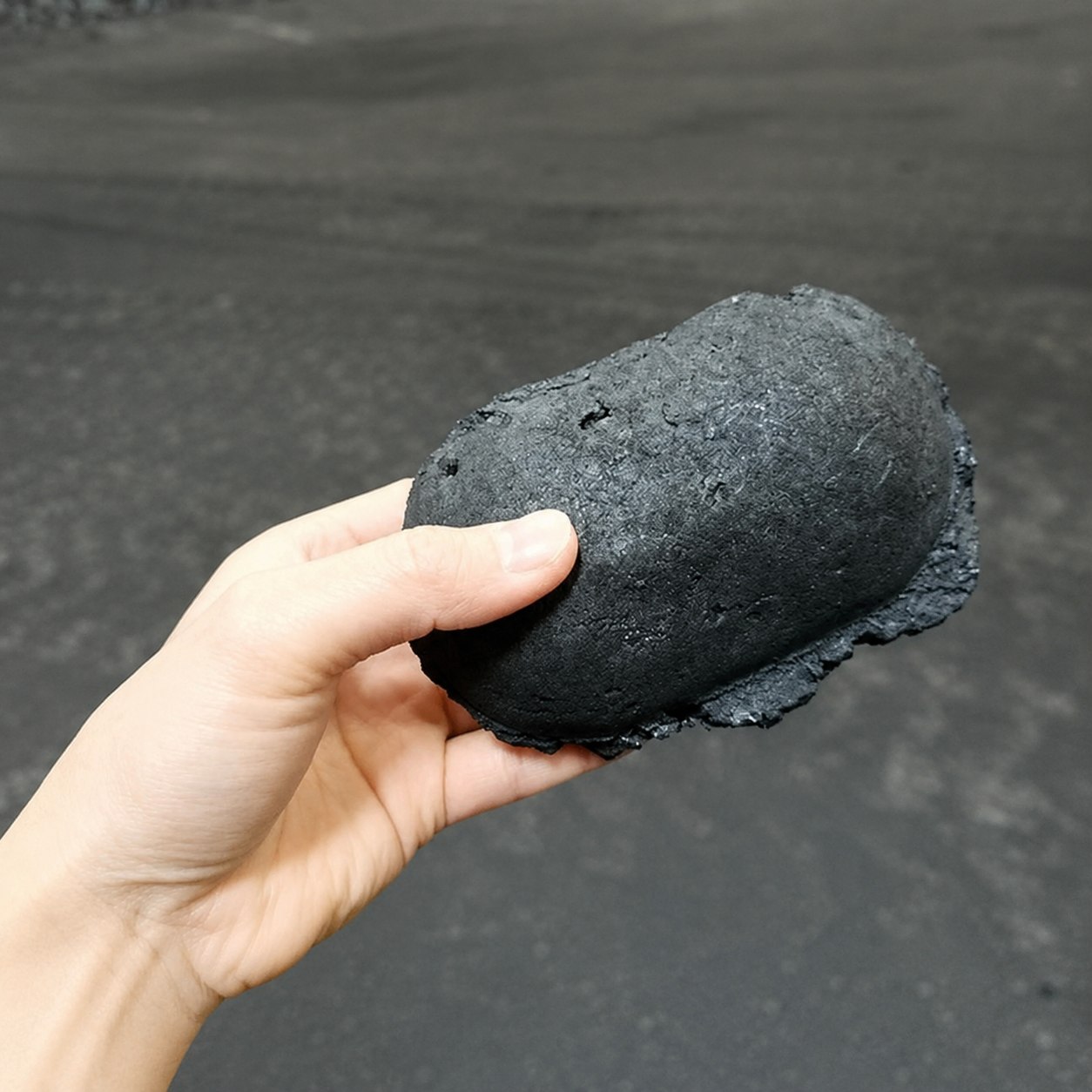
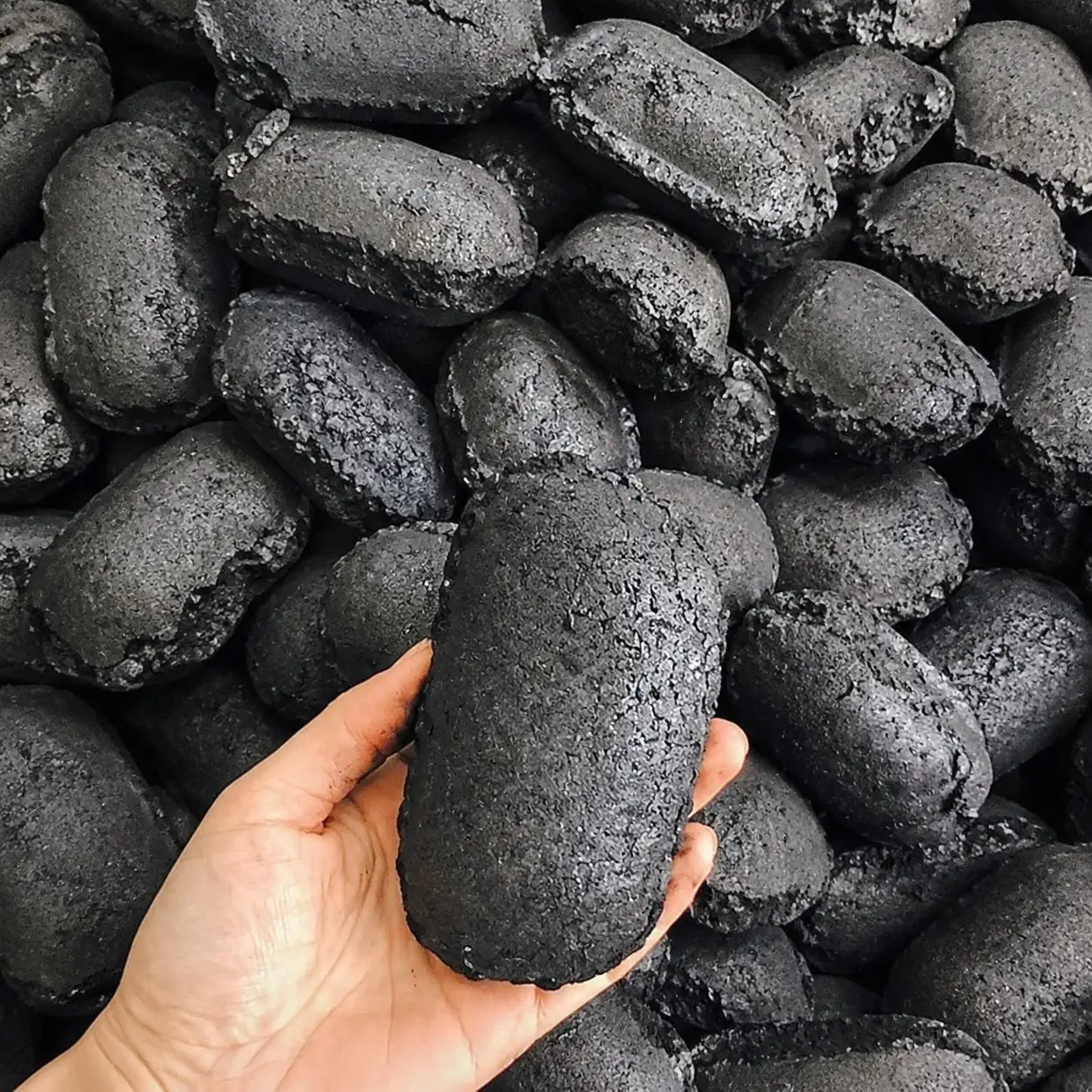
Carbon Electrode Paste (CEP), widely recognized as Söderberg paste, stands as the critical conductive backbone for modern Submerged Arc Furnaces (SAF). Engineered through a precise synergetic blend of Electrically Calcined Anthracite (ECA), high-purity petroleum coke, and specialized coal tar pitch binders, CEP is more than just a raw material—it is a self-baking masterpiece of industrial carbon technology. This high-performance material is designed to withstand extreme thermal stresses while maintaining exceptional electrical conductivity in the production of ferroalloys, calcium carbide, and phosphorus.

From its superior thermal shock resistance and low electrical resistivity to its adaptable baking characteristics, understanding the nuances of its various grades and physicochemical properties is essential for optimizing furnace efficiency and reducing operational downtime. This comprehensive analysis explores why Carbon Electrode Paste remains the most cost-effective and reliable solution for heavy-duty smelting operations worldwide, detailing the technical advantages that drive the future of metallurgical engineering.

The Self‑Baking Mechanism of Carbon Electrode Paste:

Söderberg (self-baking) electrodes work by converting green Carbon Electrode Paste (CEP) into a solid, conductive carbon column inside the furnace, eliminating frequent stoppages required for pre-baked/graphite electrode changes.

The paste is charged into a steel casing; furnace radiation plus Joule heating P=I2R create a controlled vertical temperature gradient that “bakes” the paste in place.

How the paste turns into a solid electrode (thermal zones):

  • Melting / Flow (≈ 100–250 °C): the pitch binder softens and melts, letting paste flow and fill voids uniformly inside the casing.
  • Devolatilization (≈ 250–500 °C): binder starts pyrolysis and releases volatiles. If heating is too fast, gas pressure can cause porosity, blowholes, or cracking.
  • Carbonization / Coking (≈ 500–800 °C): the binder converts to binder coke, locking ECA/petroleum coke particles into a dense matrix; electrical resistivity drops as conductivity rises.
  • Final baking / Sintering (≈ 800–1000 °C+): the electrode gains maximum density and compressive strength for stable high-current SAF operation.

Key Operational & Economic Advantages of Carbon Electrode Paste:

Carbon Electrode Paste (CEP), especially in Söderberg self-baking systems, is valued because it delivers a rare combination: continuous furnace operation plus cost-efficient electrode consumption.

When the paste is properly selected and controlled (slipping rate, baking profile, and casing design), it directly improves uptime, energy efficiency, and process stability in Submerged Arc Furnaces (SAF).

Operational advantages:

  • Continuous operation with minimal downtime: paste is charged continuously, reducing interruptions associated with electrode changes and jointing.
  • Stable arc and furnace control: a well-baked, dense electrode improves current transfer and supports steadier burden conditions-often translating to smoother power input and fewer operating disturbances.
  • High tolerance to harsh thermal/mechanical loads: CEP electrodes are built to handle thermal gradients, vibration, and heavy column loads typical in ferroalloy and calcium carbide furnaces.
  • Adaptable electrode geometry: Söderberg technology supports very large diameters, enabling high-power SAF designs without relying on ultra-large pre-baked graphite sections.
  • On-site “in-situ” electrode formation: baking occurs inside the casing, so minor variations can be managed by operational control (temperature profile and slipping), not only by upstream manufacturing.

Practical takeaway:

  • Lower electrode material cost vs. many alternatives: CEP is typically more economical than pre-baked carbon/graphite solutions for large SAF operations.
  • Reduced maintenance and handling complexity: fewer electrode joints, less mechanical assembly, and lower risk of joint-related failures can reduce labor and maintenance overhead.
  • Improved energy utilization when resistivity is optimized: selecting the right grade (resistivity, ash, volatility) and achieving proper baking reduces electrical losses and helps maintain efficient power transfer.
  • Less production loss from unplanned stops: fewer electrode-related shutdowns means higher effective throughput and better utilization of furnace campaigns.

Critical Physicochemical Properties of Premium Soderberg Paste:

The performance of premium Söderberg paste depends on a balanced combination of physical, chemical, and electrical properties.

These parameters determine how the paste melts, bakes, conducts current, resists cracking, and performs under the severe thermal load of Submerged Arc Furnaces.

In practice, a high-quality carbon electrode paste should provide low resistivity, controlled volatility, high baked strength, and low ash content to ensure stable furnace operation and consistent electrode formation.

Key physicochemical properties of premium carbon electrode paste:

Property
Technical Importance
Typical Target / Expected Characteristic
Ash Content
Low ash minimizes contamination and reduces unwanted impurities in ferroalloy or carbide production.
Low
Volatile Matter
Controls paste plasticity and baking behavior; excess volatiles may cause blowholes or cracking.
Moderate / Controlled
Fixed Carbon
Indicates the carbon yield after baking; higher fixed carbon generally supports better conductivity and density.
High
Bulk Density
Higher density improves electrode integrity, reduces porosity, and supports stable current flow.
High
Electrical Resistivity
A critical factor for efficient current transfer and lower energy loss during furnace operation.
Low
Compressive Strength (Baked)
Ensures the baked electrode can withstand column load and mechanical stress in service.
High
Thermal Shock Resistance
Determines the material’s ability to survive rapid temperature changes without cracking.
High
Softening Point of Binder
Affects melting behavior, paste flow, and the start of the self-baking process.
Optimized for furnace conditions
Plasticity / Workability
Important for proper charging, compaction, and void filling inside the steel casing.
Stable and uniform
Sulfur Content
Excess sulfur may affect final product quality and emissions profile.
Low to controlled

Why these properties matter:

In industrial practice, no single property defines paste quality on its own. The real performance of Söderberg paste depends on the interaction between binder quality, aggregate grading, volatile release, carbonization behavior, and final baked strength.

For example, a paste with good conductivity but poor volatile control may still fail due to internal cracks during baking. Likewise, high density without proper plasticity can create charging and compaction problems.

The Baking Kinetics: How Carbon Paste Transforms into Solid Electrodes:

The transformation of green Carbon Electrode Paste (CEP) into a fully baked, high‑strength carbon electrode is governed by a controlled sequence of thermal and chemical reactions known as baking kinetics.

This in‑situ baking process occurs inside the steel electrode casing under the combined influence of furnace radiant heat and Joule heating generated by the passage of high electrical current through the contact shoes.

As the paste column gradually descends, it experiences a vertical temperature gradient, moving through distinct thermal zones—each responsible for a critical stage in electrode formation.

1. Melting & Flow Zone (≈ 100–250 °C):

  • The coal‑tar or petroleum pitch binder softens and melts.
  • The paste becomes plastic, allowing it to flow, fill voids, and eliminate internal gaps inside the casing.
  • Proper flow ensures a uniform electrode cross‑section before carbonization begins.

2. Devolatilization & Pyrolysis Zone (≈ 250–500 °C):

  • Volatile components break down and escape as gases.
  • Controlled heating is essential; too rapid pyrolysis can cause pressure buildup, leading to cracks, blowholes, or internal porosity.
  • This stage defines the paste’s baking stability.

3. Carbonization & Coke Formation (≈ 500–800 °C):

  • The binder undergoes carbonization, leaving behind binder coke-a solid carbon residue.
  • Aggregate particles (ECA, petroleum coke) become chemically bonded into a rigid matrix.
  • Electrical resistivity decreases significantly as the electrode becomes more conductive.

4. Sintering & Structural Consolidation (≈ 800–1100 °C+):
  • Final structural strengthening occurs; remaining micro‑porosities shrink.
  • The electrode achieves maximum density, mechanical strength, and thermal shock resistance.
  • At this stage, the electrode can sustain extremely high current densities and severe furnace conditions.

Understanding Carbon Electrode Paste Grades, Shapes, and Formulations

Carbon Electrode Paste is not a single uniform material. Its performance varies significantly depending on grade, physical shape, and formulation design.

These differences affect how the paste is charged, how it bakes inside the casing, and how it performs under different furnace loads.

In industrial practice, selecting the right type of paste is essential for achieving stable electrode formation, low consumption, and efficient furnace operation.

Common classifications of carbon electrode paste:

Type / Variant
Main Characteristics
Typical Application / Advantage
Standard Grade
Balanced formulation for general SAF operation; suitable for moderate power and conventional smelting conditions.
Widely used in ferroalloy furnaces with normal operating conditions.
Low Ash Grade
Reduced mineral impurities to minimize contamination and improve product purity.
Preferred for higher-purity ferroalloy or calcium carbide production.
Low Resistivity Grade
Designed for improved electrical conductivity and better current transfer.
Suitable for high-power furnaces where energy efficiency is critical.
High Density Grade
Enhanced packing and lower porosity after baking, improving structural integrity.
Used where mechanical strength and stable baking are priorities.
Custom Formulated Grade
Tailored composition based on furnace design, raw materials, and operating profile.
Best for plants with specific technical or environmental requirements.

Practical selection insight:

In real furnace operation, the best carbon electrode paste is not simply the highest-grade product on paper.

The ideal paste is the one whose formulation, impurity level, density, and binder behavior match the specific power input, slipping rate, burden composition, and thermal profile of the furnace.

That is why many advanced producers offer multiple grades and customized formulations instead of a one-size-fits-all product.

Disadvantages / Drawbacks of Carbon Electrode Paste (CEP):

Carbon Electrode Paste-especially in Söderberg self-baking electrode-has clear advantages, but it also comes with practical risks that procurement and operations teams must manage.

1) Higher operational sensitivity (process-dependent):

  • Performance strongly depends on correct baking profile (temperature gradient, current, electrode slipping rate).
  • Poor control can lead to under-baking / over-baking, which increases cracking, instability, and consumption.

2) Risk of electrode defects (mechanical failures):

  • Defects can cause unplanned shutdowns and major furnace losses.

3) Higher emissions & environmental burden:

  • During baking, binder pitch releases PAHs, VOCs, fumes.
  • Requires stronger fume collection, workplace hygiene, and compliance costs.

4) Quality variability & supplier consistency risk:

  • CEP is a mixed product (coke/anthracite + pitch), so batch-to-batch variation can be higher than pre-baked electrodes.
  • Inconsistent paste → fluctuating resistivity, unstable current, uneven baking.

5) Typically higher electrical losses than premium pre-baked electrodes:

  • In many high-power applications, Soderberg electrodes can show higher resistivity and less uniform conductivity than top-grade pre-baked/graphitized alternatives, impacting energy efficiency.

Industrial Applications: Where is Carbon Electrode Paste Indispensable?

In the world of high-temperature pyrometallurgy, Carbon Electrode Paste (CEP) is not merely a consumable; it is the indispensable energy conductor for heavy-duty smelting.

Its unique ability to form a continuous, robust, and highly conductive electrode “in-situ” makes it the preferred choice for Submerged Arc Furnaces (SAF) worldwide.

Without the reliable performance of Söderberg paste, the large-scale production of essential industrial alloys and chemicals would be economically and technically unfeasible.

Core Industrial Sectors & Applications:
1. Ferroalloy Production (The Primary User):

The ferroalloy industry is the largest consumer of carbon electrode paste. CEP provides the stable electrical arc required to reduce ores into essential alloying elements for the steel industry.

  • Ferrosilicon (FeSi): High-power furnaces require paste with excellent thermal shock resistance and low resistivity.
  • Ferromanganese (FeMn) & Silicomanganese (SiMn): Essential for deoxidizing and alloying steel; these processes rely on the mechanical strength of large-diameter Söderberg electrodes.
  • Ferrochrome (FeCr): Used in stainless steel production, requiring high-purity paste to maintain alloy quality.

2. Calcium Carbide (CaC₂) Manufacturing:

Carbon electrode paste is the backbone of the calcium carbide industry. The reaction between lime and coke at temperatures exceeding 2000°C requires massive amounts of electrical energy, delivered through large-scale Söderberg electrodes. The resulting calcium carbide is the primary precursor for acetylene gas and chemical fertilizers.

3. Elemental Phosphorus (P₄) Production:

In the production of yellow phosphorus, phosphate rock is reduced in specialized furnaces. CEP is critical here due to its resistance to the corrosive furnace environment and its ability to maintain a stable electrical load over long production campaigns.

4. Silicon Metal Production:

While some silicon metal production uses specialized pre-baked electrodes, many operations utilize high-purity carbon electrode paste to produce metallurgical-grade silicon, which is vital for the aluminum industry and silicone chemistry.

Frequently Asked Questions (FAQ):

1) What is Carbon Electrode Paste used for?

Carbon Electrode Paste is primarily used in Submerged Arc Furnaces (SAF) for producing ferroalloys, calcium carbide, phosphorus, and silicon metal. It forms a continuous self-baking electrode that conducts high electrical currents during smelting.

2) What factors indicate a high‑quality electrode paste?

Key indicators include low ash, low electrical resistivity, high compressive strength, and controlled volatile matter. These parameters ensure stable baking, lower consumption, and reliable furnace performance.

3) What causes high consumption of electrode paste?

Common causes are poor baking conditions, inconsistent raw materials, incorrect electrode slipping rate, contamination during storage, and unstable furnace loads.

4) Is Soderberg electrode paste environmentally safe?

It is safe when handled correctly, but the baking process releases PAHs and VOCs, so proper ventilation and fume‑extraction systems are essential for compliance and workplace safety.

Conclusion:

Carbon Electrode Paste remains a critical material in submerged arc furnace operations due to its ability to provide continuous conductivity, self-baking performance, and cost-effective operation in large-scale smelting processes. Its role is especially important in the production of ferroalloys, calcium carbide, phosphorus, and silicon metal, where electrode stability directly affects productivity and energy efficiency.

However, the performance of electrode paste depends heavily on quality consistency, correct formulation, and proper furnace control. For this reason, selecting the right grade should not be based on price alone, but on a full evaluation of ash content, resistivity, strength, volatile matter, and supplier reliability.

In practical terms, a well-chosen Carbon Electrode Paste can reduce operational risk, improve electrode life, and lower the total production cost per ton. For procurement managers and plant operators alike, it is therefore not just a consumable material, but a strategic factor in furnace performance and long-term profitability.