09121684359 info@ferrosilicon.co

The global demand for Calcined Petroleum Coke (CPC) is rapidly increasing in 2026 as steelmaking, aluminum production, and graphite electrode manufacturing continue expanding worldwide.

Industries are actively searching for high-purity CPC with low sulfur, high fixed carbon, and stable quality for modern metallurgical applications.

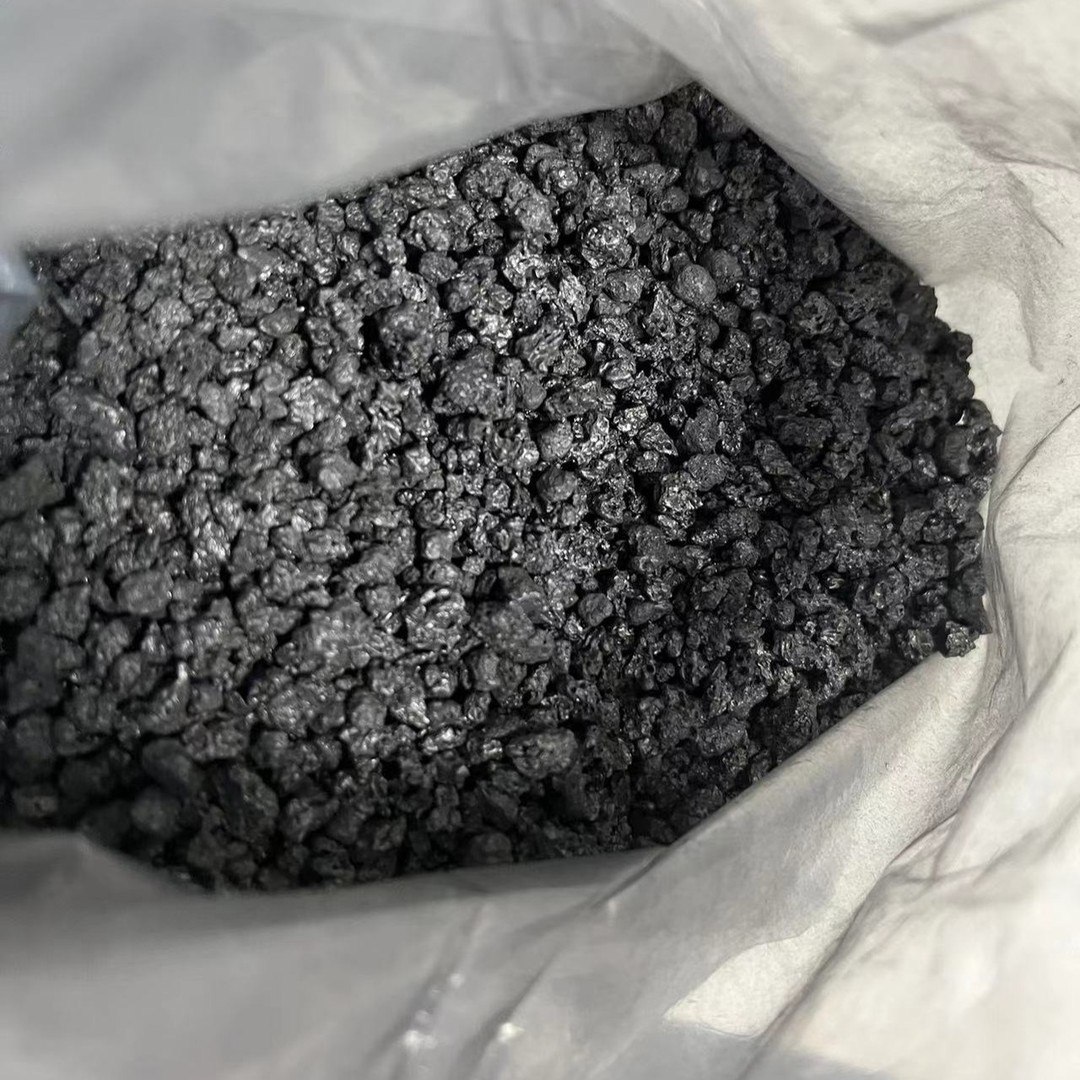
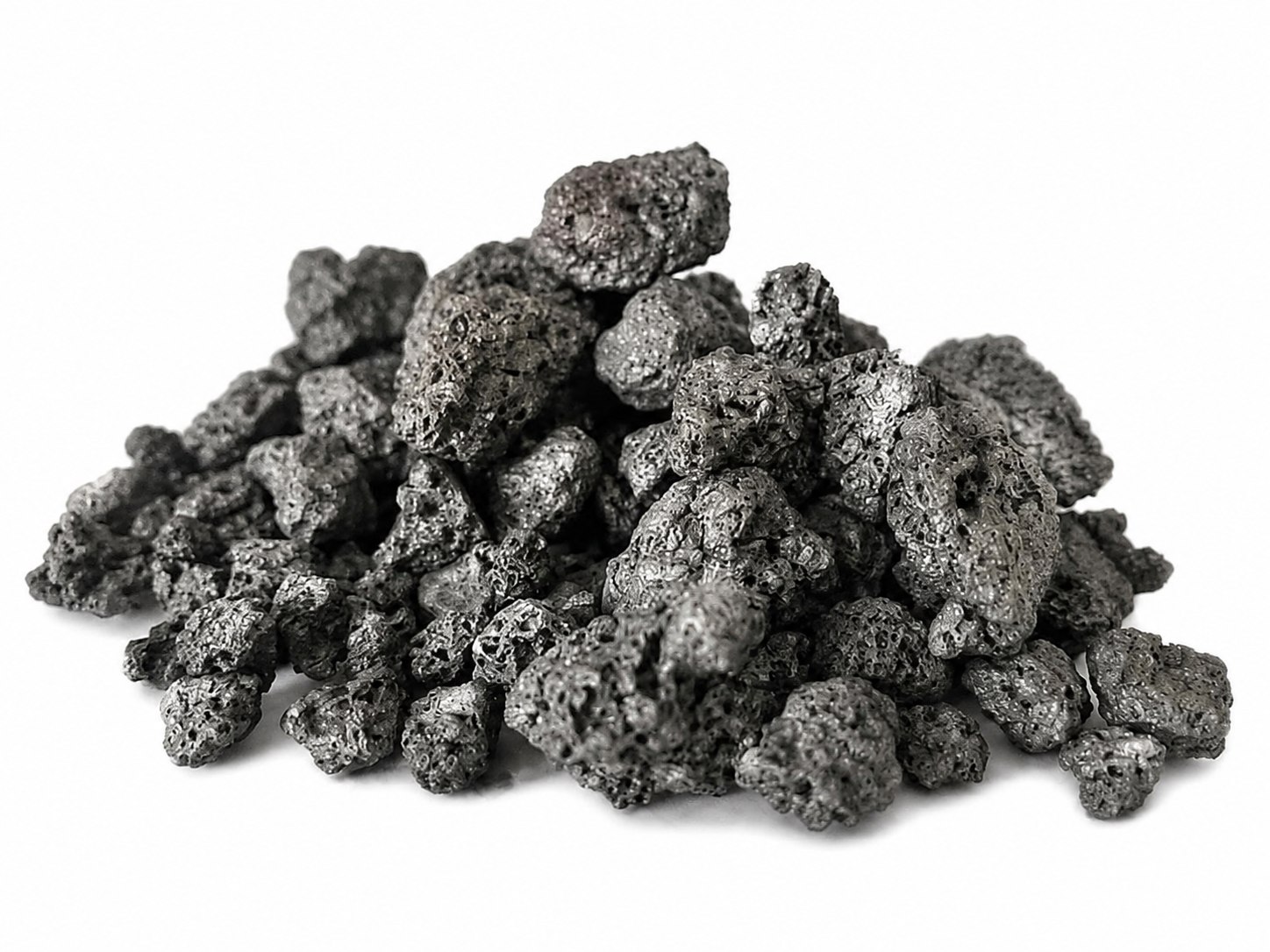
Calcined Petroleum Coke is a critical carbon material produced through the calcination of green petroleum coke at extremely high temperatures. Due to its excellent conductivity, high carbon content, and thermal stability, CPC is widely used in steel plants, foundries, carbon raisers, and aluminum industries.

This article explores the latest global CPC market trends, top suppliers, technical specifications, industrial applications, export opportunities, and price factors influencing the international market in 2026.

Among emerging suppliers in the Eurasian market, Persian Ferrosilicon is expanding its presence as a reliable supplier of metallurgical raw materials and industrial carbon products for international customers.

Lorem Ipsum

Vivamus sed arcu, sed posuere tortor.

Amet Sit

Vivamus sed arcu, sed posuere tortor.

Consectetur

Vivamus sed arcu, sed posuere tortor.

What Is Calcined Petroleum Coke?

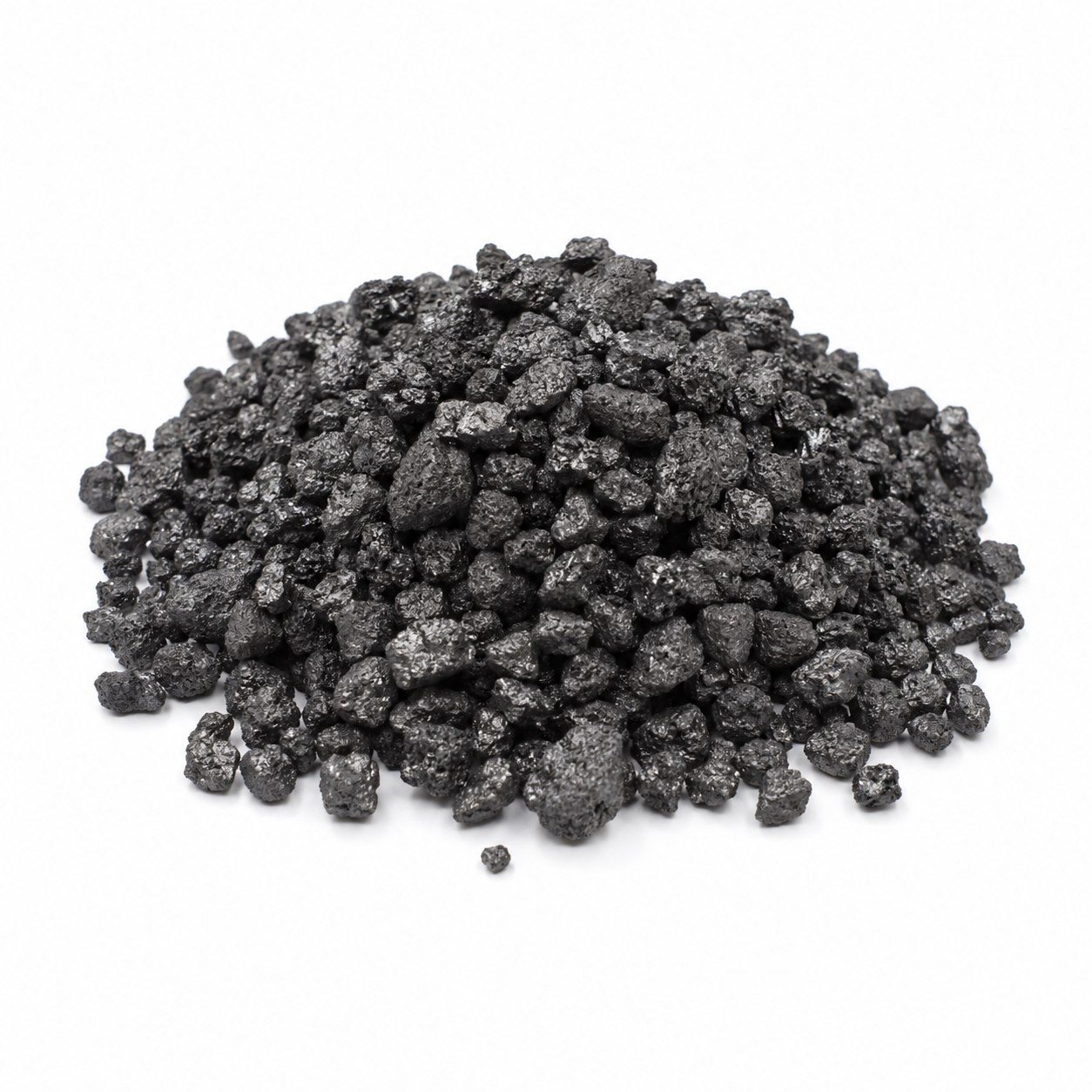
Calcined Petroleum Coke (CPC) is a high-carbon industrial material produced by heating green petroleum coke at temperatures above 1200°C in rotary kilns or shaft furnaces.

This calcination process removes moisture, volatile compounds, and impurities while increasing carbon purity and electrical conductivity.

Due to its high fixed carbon content, low ash, and strong thermal stability, Calcined Petroleum Coke is widely used in steelmaking, foundries, aluminum smelting, graphite electrode production, titanium dioxide manufacturing, and carbon additive applications.

Modern metallurgical industries depend on high-quality CPC to improve energy efficiency, optimize carbon recovery, and reduce impurities during production.

Low sulfur and low nitrogen grades are especially important for manufacturers seeking higher product quality and cleaner industrial processes.

Today, Calcined Petroleum Coke is considered one of the most essential carbon materials in the global metallurgy sector because of its performance, cost efficiency, and wide industrial compatibility.

Global Calcined Petroleum Coke Market in 2026:
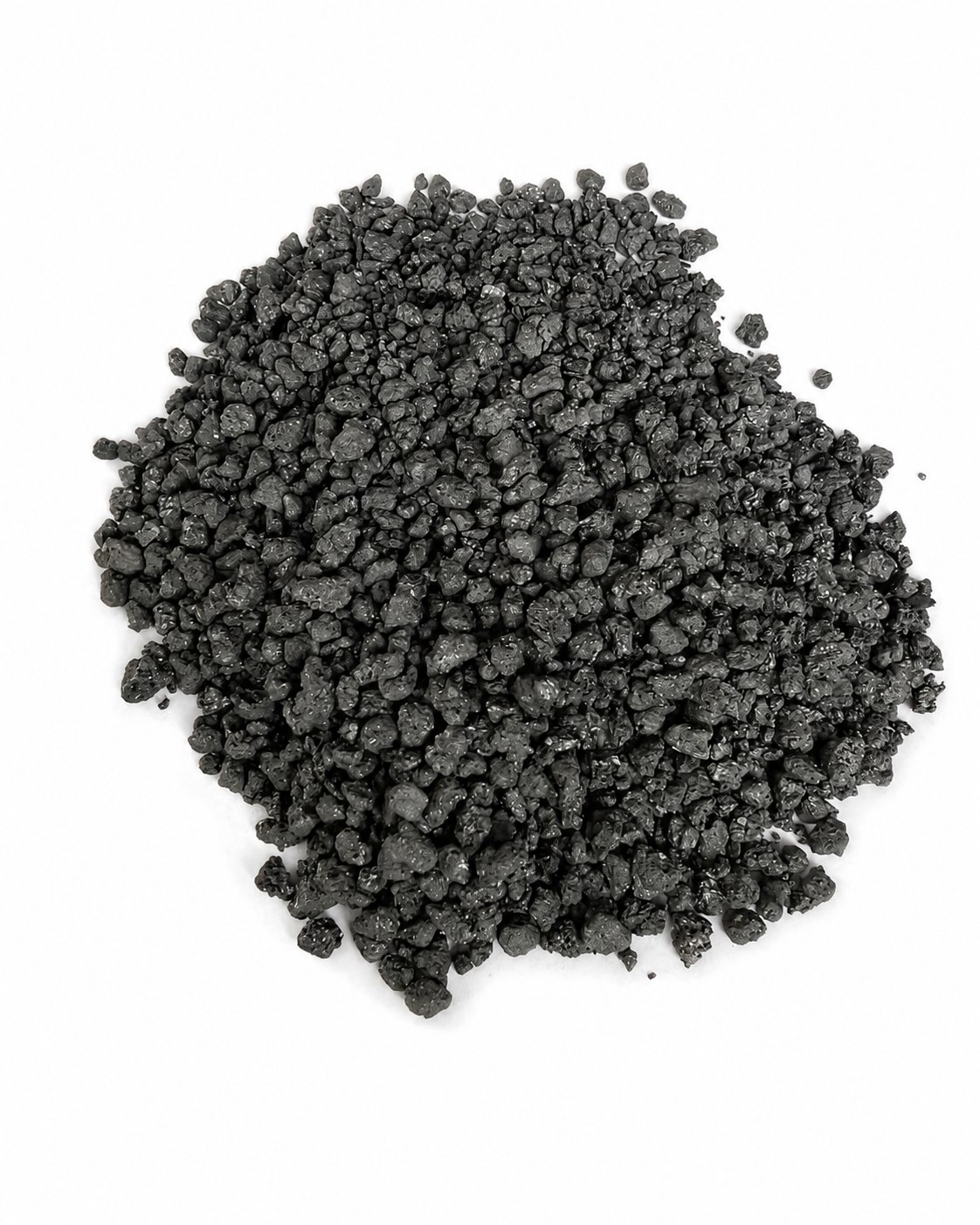
The global Calcined Petroleum Coke market in 2026 is experiencing strong growth driven by rising steel production, expanding aluminum industries, and increasing demand for graphite electrodes worldwide.

Industrial manufacturers are actively seeking reliable suppliers capable of delivering consistent quality, competitive pricing, and stable export logistics.

Asia, Europe, and the Middle East remain major consumption regions for CPC due to large-scale infrastructure projects, electric arc furnace steelmaking, and growing metallurgical investments.

At the same time, stricter industrial quality standards are increasing demand for low sulfur, high carbon Calcined Petroleum Coke grades.

Global buyers now prioritize suppliers that offer:

  • High fixed carbon content
  • Low sulfur and low ash levels
  • Stable particle sizing
  • Competitive export prices
  • Fast international shipping
  • Consistent industrial analysis

As international competition increases, suppliers with strong production capabilities and reliable export networks are gaining a larger share of the global CPC market.

Companies like Persian Ferrosilicon are expanding their industrial supply chains to support growing worldwide demand for metallurgical carbon materials and ferroalloy products.

Calcined Petroleum Coke Production Process:

Calcined Petroleum Coke (CPC) is produced by upgrading green petroleum coke through high-temperature treatment to remove volatile matter and improve carbon structure.

The goal is a material with higher fixed carbon, lower moisture/volatiles, and more stable performance for aluminum, steel, and carbon applications.

1) Feedstock Selection (Green Petcoke)

Production starts with selecting green petcoke by sulfur level, metals (V/Ni), ash, and coke structure. Feedstock consistency matters because it directly impacts final CPC quality and yield.

2) Drying and Preparation

Green coke is screened and pre-processed to control sizing and remove excess moisture. Stable feed improves kiln operation and keeps calcination results uniform.

3) Calcination (Core Step)

The coke is heated in a rotary kiln or shaft calciner, typically at high temperatures (commonly around 1200–1350°C, depending on technology and target properties). During calcination:

  • volatile matter is driven off
  • the coke’s crystalline structure develops
  • real density increases
  • handling behavior and electrical properties generally improve

4) Cooling and Heat Recovery

Hot CPC is cooled (often via rotary coolers) and many plants recover heat for better energy efficiency—an increasingly important factor in 2026 operating economics.

5) Crushing, Screening, and Sizing

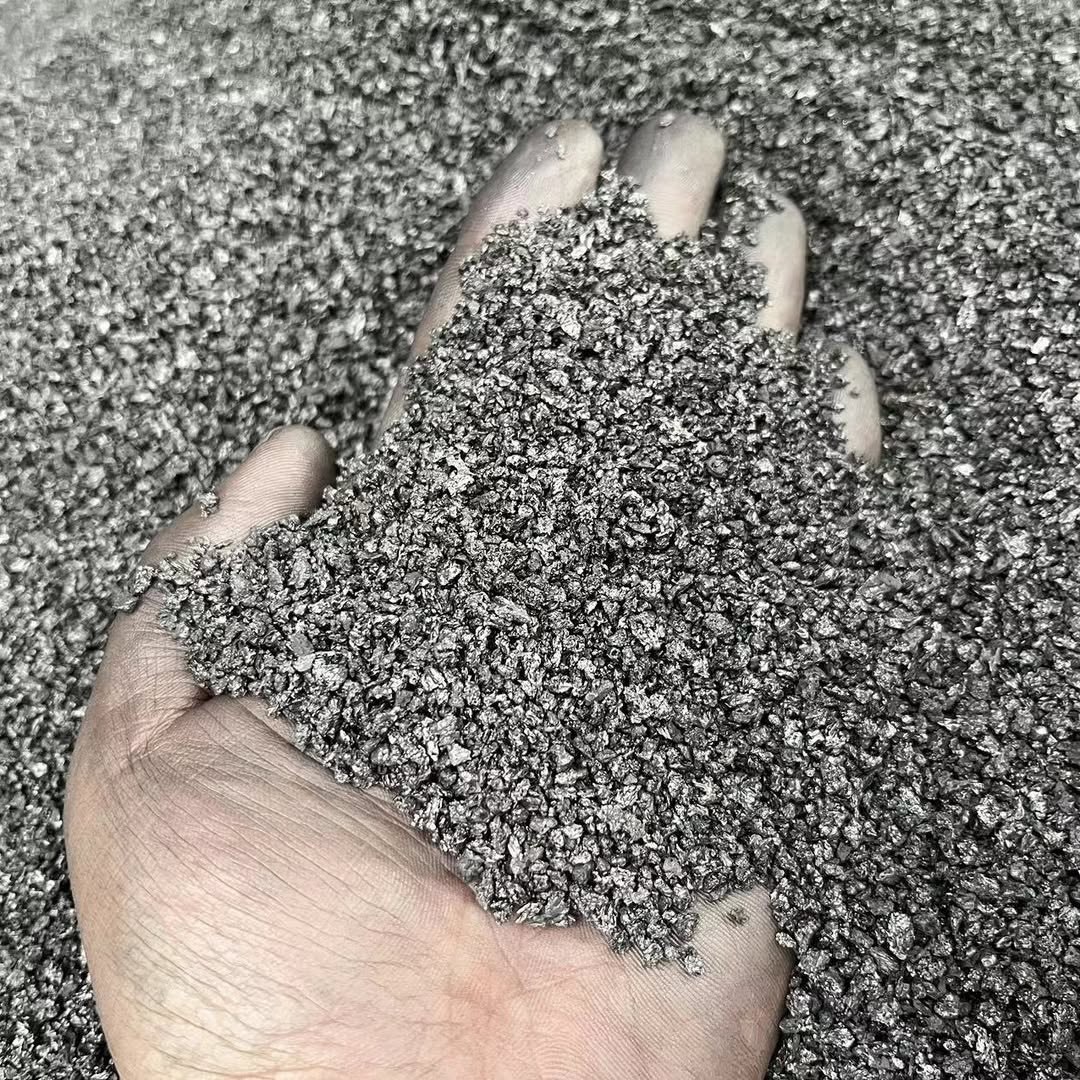
CPC is crushed and screened into customer-required fractions (for example, fine to coarse grades). Tight particle size distribution reduces dust, improves packing, and supports consistent downstream processing.

6) Quality Control and Shipment

Each lot is typically tested for fixed carbon, sulfur, ash, volatile matter, moisture, real density, and particle size distribution. After QA approval, CPC is packed (bags/big bags) or shipped in bulk depending on the contract and logistics route.

High Carbon Low Sulfur CPC Specifications:

High Carbon Low Sulfur Calcined Petroleum Coke (CPC) is valued for its high fixed carbon, low impurity levels, and reliable performance in aluminum and steel applications.

Parameter
Typical Range
Fixed Carbon
98.5–99.5%
Sulfur
0.3–1.0%
Ash
0.2–0.8%
Volatile Matter
0.3–1.0%
Moisture
≤0.5%
Real Density
2.05–2.15 g/cm³

CPC Applications in Steel and Aluminum Industries:

Calcined Petroleum Coke (CPC) is widely used in modern metallurgy thanks to its high fixed carbon, low moisture, and stable chemical properties.

In both steel and aluminum production, it plays an important role in improving process efficiency and final product quality.

In the aluminum sector, CPC is mainly used for manufacturing carbon anodes required in the smelting process.

High-quality CPC helps improve anode performance by providing better density, lower impurity levels, and more consistent behavior during production.

2. CPC in the Steel Industry:

Top Calcined Petroleum Coke Suppliers Worldwide (2026):

In 2026, top CPC suppliers are defined by consistent quality (low sulfur/ash, stable real density), export reliability, and strong QA/QC documentation. The main global supply sources include:

  • China – large-scale production, wide grade range, competitive export pricing
  • India – fast-growing capacity, strong value-for-money supply
  • Middle East – strategic logistics and regional delivery advantages
  • United States – specification-driven, documentation-heavy supply programs
  • Europe/Turkey (trading hubs) – flexible distribution and quicker regional shipments

For buyers who want to compare offers across origins and speed up sourcing, Ferrosilicon.co is also among the options used to connect with CPC supply channels and manage RFQs efficiently.

Region / Supplier Base
Key Strengths
Main Advantage
China
Large production capacity, wide grade range
Competitive pricing and bulk availability
India
Growing export volume, flexible supply
Cost-effective sourcing
Middle East
Strategic location, improving logistics
Faster regional delivery
United States
Strong quality control, traceability
Suitable for specification-driven orders
Europe / Turkey
Trading and distribution hubs
Flexible shipment options
Ferrosilicon.co
Supplier network and sourcing support
Easier comparison of global CPC offers

CPC Price Trends and Export Market Analysis:

Calcined Petroleum Coke (CPC) is produced by heating green petroleum coke at high temperatures to remove moisture and volatile matter.

This process increases fixed carbon content, improves density, and creates a more stable material for industrial use.

After calcination, the coke is cooled, crushed, screened into different sizes, and tested for key factors such as sulfur, ash, and carbon content.

CPC Applications in Steel and Aluminum Industries:

Calcined Petroleum Coke (CPC) is widely used in modern metallurgy thanks to its high fixed carbon, low moisture, and stable chemical properties.

In both steel and aluminum production, it plays an important role in improving process efficiency and final product quality.

1. CPC in the Aluminum Industry:

In the aluminum sector, CPC is mainly used for manufacturing carbon anodes required in the smelting process.

High-quality CPC helps improve anode performance by providing better density, lower impurity levels, and more consistent behavior during production.

2. CPC in the Steel Industry:

In the steel industry, CPC is commonly used as a carbon raiser to increase the carbon content of molten metal.

It is valued for its high carbon recovery, low volatile matter, and reliable performance in steelmaking and foundry applications.