09121684359 info@ferrosilicon.co

Graphite Electrode Scrap is one of the most valuable carbon materials used in steelmaking, foundry production, recycling industries, and carbon additive manufacturing.

Due to its high carbon purity, excellent conductivity, and growing global demand, graphite electrode scrap has become an important raw material in industrial markets worldwide.

In 2026, industries are increasingly looking for premium graphite scrap suppliers with competitive prices and reliable export capabilities.

This guide explains the types of graphite electrode scrap, industrial applications, recycling methods, market prices, and key factors affecting quality and global trade.
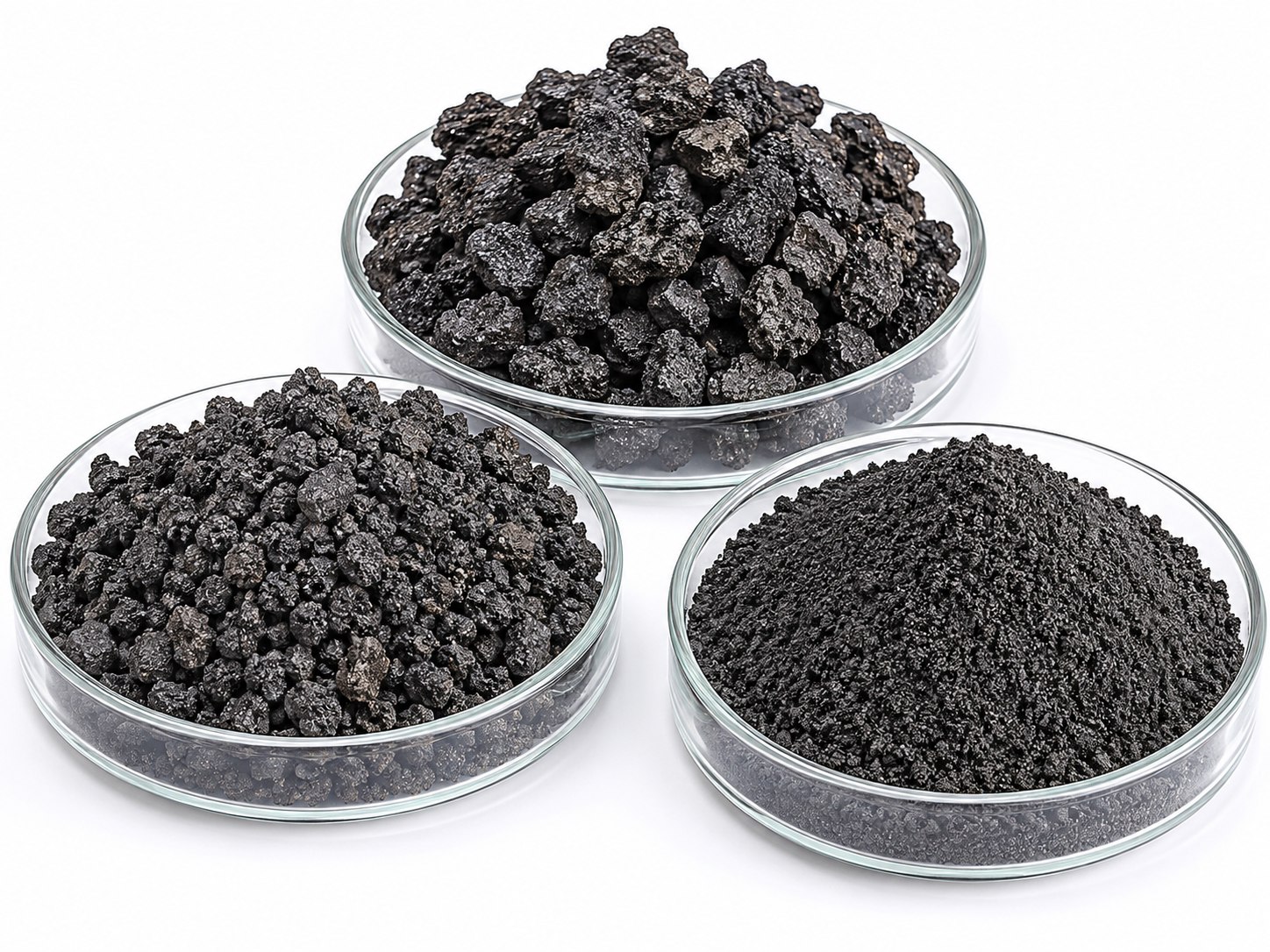
What is Graphite Electrode Scrap?

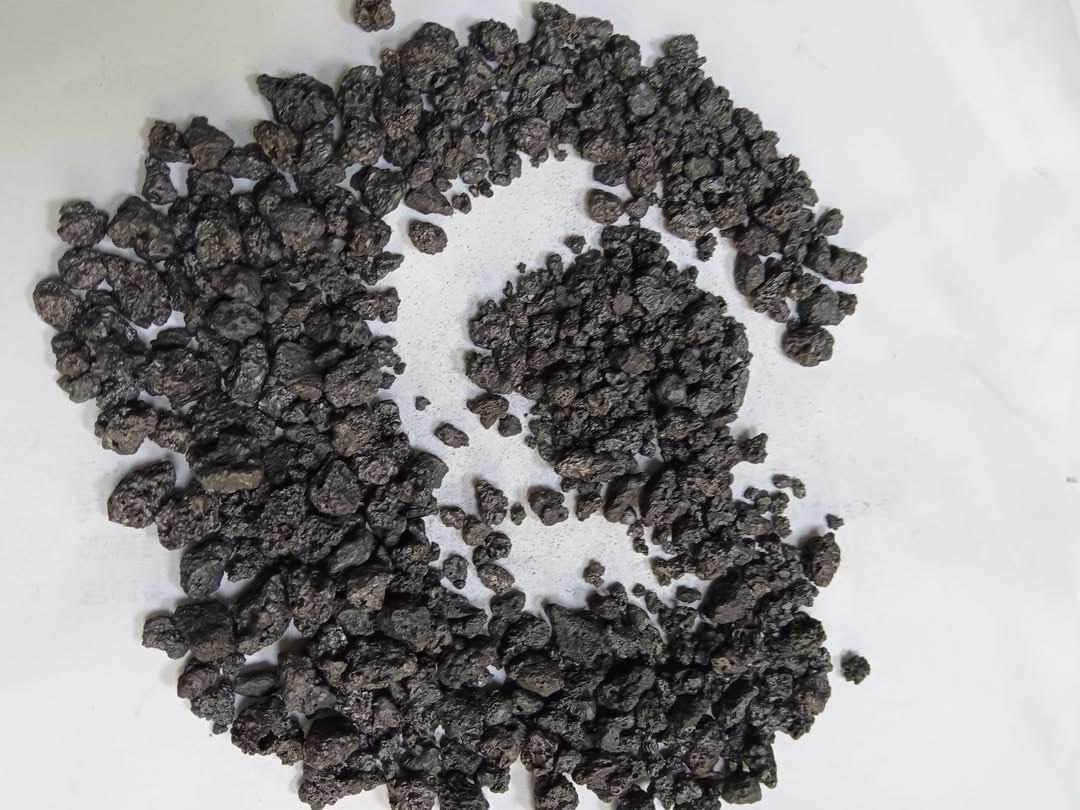
Graphite Electrode Scrap is a high-carbon industrial material generated from used, broken, or leftover graphite electrodes during steelmaking and metal melting processes.

These scraps are mainly produced in electric arc furnaces (EAF) and are widely recycled because of their excellent carbon purity, thermal resistance, and electrical conductivity.

Graphite electrode scrap is considered a valuable raw material in many industries, especially in steel production, foundries, carbon additive manufacturing, and recycling plants.

Due to its high fixed carbon content and low impurity levels, it is commonly used as a recarburizer and conductive carbon material.

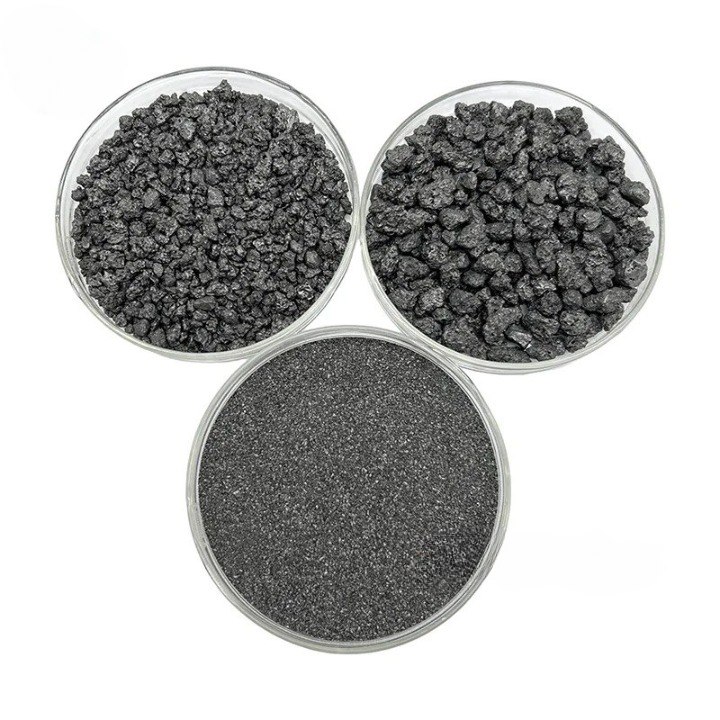
The material is usually collected from UHP (Ultra High Power), HP (High Power), and RP (Regular Power) graphite electrodes. Depending on the quality and size, graphite electrode scrap can be processed into blocks, granules, chips, or powder for industrial applications.

In 2026, the global demand for graphite electrode scrap continues to increase because industries are searching for cost-effective and sustainable carbon materials. High-quality graphite scrap offers excellent performance in steelmaking while reducing production costs and supporting environmentally friendly recycling processes.

Main Features of Graphite Electrode Scrap:

  • High fixed carbon content
  • Excellent electrical conductivity
  • Low sulfur and ash content
  • Strong thermal resistance
  • Recyclable industrial carbon material
  • Suitable for steel and foundry industries

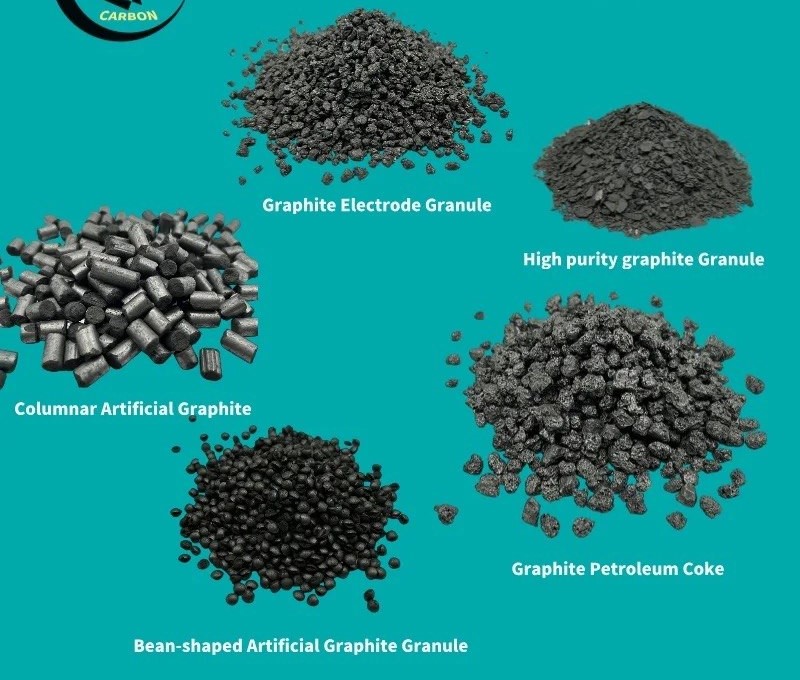
Common Forms of Graphite Electrode Scrap:

  • Graphite electrode pieces
  • Graphite powder
  • Graphite granules
  • Crushed graphite scrap
  • Carbon additive material
    Property
    Details
    Product Name
    Graphite Electrode Scrap
    Material Type
    High Carbon Industrial Carbon Material
    Carbon Content
    98% – 99.9%
    Main Source
    Used and Broken Graphite Electrodes
    Sulfur Content
    Low
    Ash Content
    Low
    Common Types
    UHP, HP, RP Graphite Scrap
    Forms Available
    Pieces, Powder, Granules, Chips
    Main Applications
    Steelmaking, Foundry, Carbon Additive, Recycling
    Main Industries
    Metallurgy, Steel Plants, Foundries
    Export Markets
    Asia, Europe, Middle East
    Packaging Options
    Jumbo Bags, Bulk, Customized Packing
    Market Demand 2026
    Increasing Globally
    Key Advantages
    High Purity, Cost Effective, Industrial Reuse

    Types of Graphite Electrode Scrap:

    Graphite Electrode Scrap is available in several grades and forms depending on the manufacturing process, carbon purity, and industrial application.

    Each type offers different performance levels for steelmaking, foundry operations, and carbon additive production.

    1. UHP Graphite Electrode Scrap

    UHP (Ultra High Power) graphite scrap is the highest quality grade with very high carbon content and excellent conductivity. It is mainly used in electric arc furnace steel production and premium carbon applications.

    2. HP Graphite Electrode Scrap

    HP (High Power) graphite scrap provides strong thermal resistance and stable performance for medium to high-temperature industrial processes. It is commonly used in foundries and metallurgical industries.

    3. RP Graphite Electrode Scrap

    RP (Regular Power) graphite scrap is a cost-effective option suitable for general industrial use. It is widely used as a carbon raiser and recycling material.

    4. Graphite Powder Scrap

    This type is produced by crushing graphite electrodes into fine powder. It is mainly used in recarburizers, brake materials, and conductive industrial products.

    5. Graphite Granules and Chips

    Granules and chips are processed forms of graphite scrap used in steelmaking, casting, and carbon additive manufacturing because of their easy handling and fast melting performance.

    Type
    Main Feature
    Common Application
    UHP Scrap
    Highest purity
    Steelmaking
    HP Scrap
    High thermal resistance
    Foundries
    RP Scrap
    Economical grade
    Industrial recycling
    Powder Scrap
    Fine particle size
    Carbon additive
    Granules & Chips
    Easy processing
    Metallurgy Industry

    UHP vs HP vs RP Graphite Electrode Scraps:

    Graphite Electrode Scrap is produced in different grades based on power level, carbon purity, and industrial performance.

    The three main categories are UHP, HP, and RP graphite scrap, each designed for specific steelmaking and metallurgical applications.

    These grades differ in conductivity, density, thermal resistance, and overall quality, making them suitable for various industrial processes and recycling operations.

    UHP Graphite Electrode Scrap:

    UHP (Ultra High Power) scrap is the highest-quality graphite material with very high carbon purity and excellent conductivity. It is commonly used in electric arc furnace steel plants and advanced metallurgical industries.

    HP Graphite Electrode Scrap:

    HP (High Power) graphite scrap offers strong thermal stability and reliable industrial performance. It is widely used in foundries, casting plants, and medium-power furnace operations.

    RP Graphite Electrode Scrap:

    RP (Regular Power) graphite scrap is a more economical grade designed for general industrial applications. It is commonly used as a carbon additive and recycling material.

    Grade
    Quality Level
    Carbon Purity
    Main Application
    UHP
    Premium
    Very High
    Steelmaking Industry
    HP
    High
    High
    Foundry & Metallurgy
    RP
    Standard
    Medium to High
    Industrial Recycling

    Each grade of graphite electrode scrap plays an important role in reducing production costs while providing efficient carbon performance in industrial processes.

    Chemical Composition of Graphite Electrode Scrap:

    The chemical composition of Graphite Electrode Scrap plays an important role in determining its industrial quality and performance.

    High-quality graphite scrap contains a very high percentage of fixed carbon with low sulfur, ash, and impurity levels. These properties make it suitable for steelmaking, foundry production, and carbon additive applications.

    The exact composition may vary depending on the electrode grade, manufacturing process, and recycling method. UHP graphite scrap usually offers the highest purity and conductivity among all grades.

    Component
    Typical Value
    Fixed Carbon
    98% – 99.9%
    Sulfur
    0.03% – 0.1%
    Ash Content
    0.1% – 0.5%
    Moisture
    Low
    Volatile Matter
    Very Low
    Density
    High
    Electrical Conductivity
    Excellent

    Due to its high carbon purity and low impurity content, graphite electrode scrap is considered one of the most valuable recycled carbon materials in the metallurgical industry.

    Applications of Graphite Electrode Scrap in Industry:

    Graphite Electrode Scrap is widely used in steelmaking, foundries, and metallurgical industries because of its high carbon content and excellent conductivity.

    It is mainly used as a carbon additive, recarburizer, and recycled industrial material.

    Graphite Electrode Scrap for Steel Manufacturing:
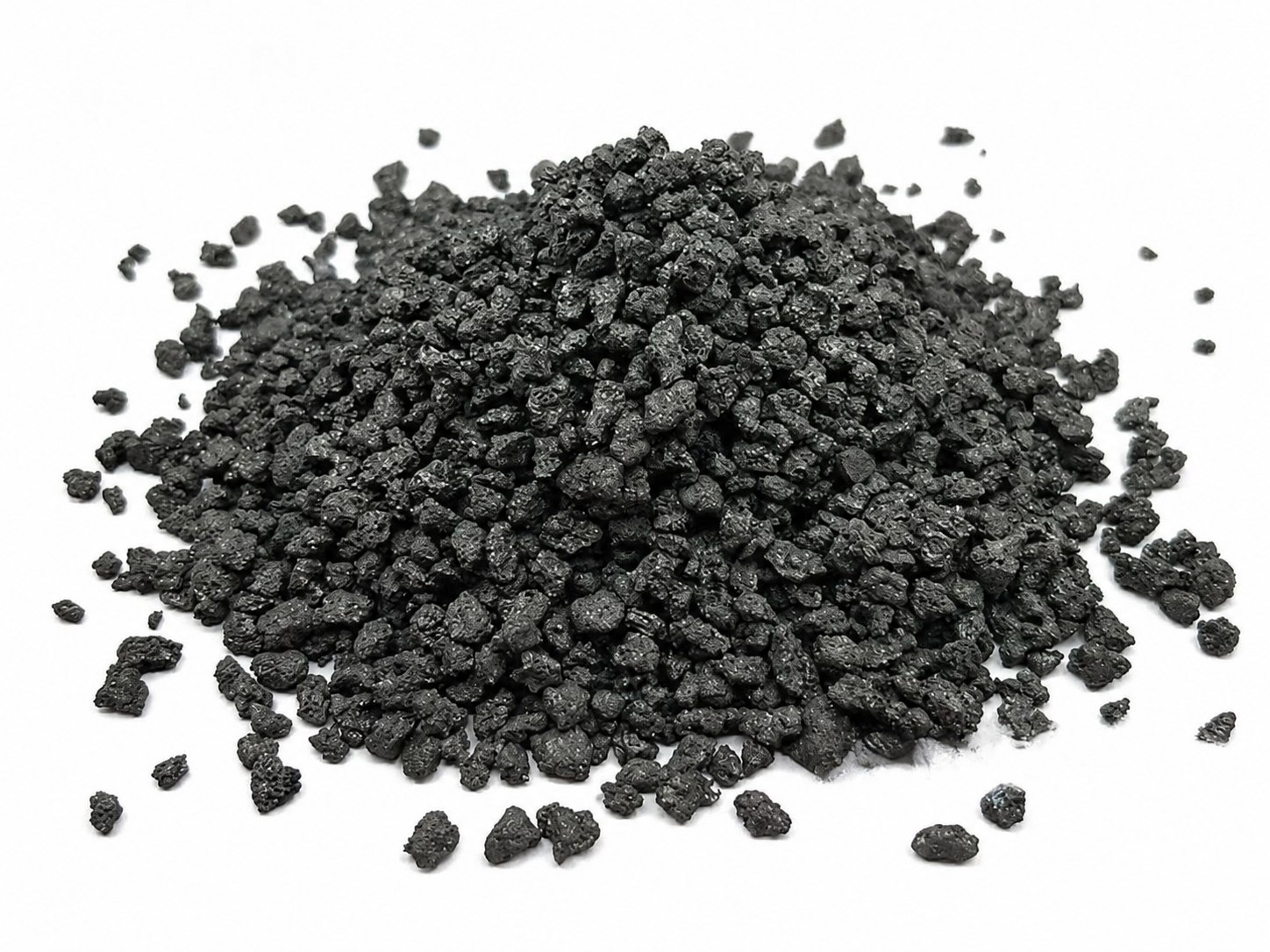
    Graphite Electrode Scrap is widely used in steel manufacturing as a high-carbon additive and conductive material.

    Its high purity, low sulfur content, and strong thermal resistance help improve steel quality, reduce production costs, and increase furnace efficiency in electric arc furnace (EAF) operations.

    Recycling Process of Graphite Electrode Scrap:

    • Collection of used graphite electrodes
    • Crushing and sorting by size
    • Removal of impurities and dust
    • Processing into powder, chips, or granules
    • Reuse in steelmaking and carbon industries

    Graphite Electrode Scraps Price in 2026:

    In 2026, Graphite Electrode Scrap prices are mainly driven by carbon purity, electrode grade (UHP/HP/RP), global steel demand, and raw material costs.

    High-quality scrap from UHP electrodes has the highest market value due to its superior carbon content and conductivity.

    Type
    Price Range (USD/MT)
    Market Level
    UHP Graphite Scrap
    2,000 – 2,500 $/MT
    High
    HP Graphite Scrap
    1,800 – 2,000 $/MT
    Medium–High
    RP Graphite Scrap
    1,500 – 1,800 $/MT
    Medium
    Graphite Powder Scrap
    300 – 600 $/MT
    Low–Medium
    Chips & Granules
    600 – 1,200 $/MT
    Medium

    Advantages of High Carbon Graphite Scrap:

    • High fixed carbon content for better steel quality
    • Excellent electrical conductivity
    • Low sulfur and ash impurities
    • Improves furnace efficiency in steelmaking
    • Cost-effective carbon additive material
    • Suitable for recycling and reuse applications
    • Strong thermal resistance at high temperatures
    • Stable performance in metallurgical processes

    Global Market Demand for Graphite Electrode Scrap:

    The global demand for Graphite Electrode Scrap is increasing steadily in 2026, mainly driven by the electric arc furnace (EAF) steel industry. This material is widely used as a cost-effective carbon additive, which helps improve steel quality while reducing production costs.

    Growing interest in recycling and sustainable raw materials has also strengthened its market position.

    Asia remains the largest consuming region, particularly China, India, and Southeast Asia, where steel production continues to expand rapidly. Europe and the Middle East also maintain stable demand due to ongoing metallurgical and foundry operations.

    Among all grades, high-purity UHP graphite scrap is experiencing the strongest demand because of its superior performance in high-end steelmaking processes.

    Overall, the market shows a stable to growing trend in 2026, supported by industrial expansion, recycling practices, and increasing need for efficient carbon materials.

    Exporting Graphite Electrode Scrap Worldwide:

    Exporting Graphite Electrode Scrap requires strict quality control, correct grading, and compliance with international industrial standards. The material is usually shipped in bulk form such as lumps, chips, or granules, depending on customer requirements. Proper packaging and moisture protection are essential to preserve carbon quality during transportation.

    The main export destinations are Asia, Europe, and the Middle East, where demand from steel plants and foundries remains strong. Exporters focus on high-carbon, low-impurity scrap to meet industrial specifications, while pricing depends on grade (UHP, HP, RP), particle size, and global steel market conditions.

    For stable supply and international cooperation, professional exporters provide consistent quality, export documentation, and reliable logistics services.

    📩 Contact for inquiries: FERROSILICON.CO
    📧 Email: INFO@FERROSILICON.CO

    How to Choose High Quality Graphite Scrap:

    High-quality Graphite Electrode Scrap is mainly defined by its carbon purity, structure, and impurity levels. The fixed carbon content should ideally be above 98%, ensuring efficient performance in steelmaking and metallurgical processes. Low sulfur and ash content are also key indicators of premium quality.

    The physical condition is equally important. Good-quality scrap should have uniform size, low dust content, and strong density without contamination. UHP-grade material is typically preferred for high-performance electric arc furnace operations.

    Choosing a reliable supplier is critical for consistent quality, stable supply, and industrial efficiency in long-term use.

    💬 WhatsApp: Available on request via FERROSILICON.CO

    Frequently Asked Questions (FAQ):

    1. What is Graphite Electrode Scrap used for?

    Graphite Electrode Scrap is mainly used in steelmaking, foundries, and metallurgical industries as a high-carbon additive and recarburizer. It helps improve steel quality and furnace efficiency.

    2. What affects the price of Graphite Electrode Scrap?

    The price depends on carbon purity, electrode grade (UHP, HP, RP), particle size, and global steel market demand. Higher purity materials usually have higher prices.

    3. How can I buy or import Graphite Electrode Scrap?

    You can purchase directly from reliable exporters offering bulk supply, quality control, and international shipping services.
    📩 FERROSILICON.CO
    📧 INFO@FERROSILICON.CO

    Conclusion:

    Graphite Electrode Scrap is a valuable high-carbon material widely used in steelmaking, foundries, and recycling industries. Its high purity, strong conductivity, and cost-effectiveness make it an important raw material in global metallurgical markets.

    In 2026, demand continues to grow, especially for high-quality UHP and HP grades driven by electric arc furnace steel production.

    For international buyers, choosing a reliable supplier and understanding grade differences is essential for achieving stable performance and cost efficiency. Proper sourcing, quality control, and global logistics play a key role in successful trade.

    About the Author – Mahboubeh

    About the Author – Mahboubeh

    Senior Metallurgist & Technical Director at Ferrosilicon.co

    This article is prepared by a technical content specialist with experience in industrial raw materials, especially graphite products and ferroalloys. The author focuses on global markets, export conditions, and metallurgical applications, providing clear and practical information for buyers, suppliers, and industry professionals. The content is written with an SEO-driven approach to support international ranking and industrial decision-making.