
09121684359 info@ferrosilicon.co

Executive Summary:

Graphite Petroleum Coke (GPC) is a high‑purity carbon material widely used in steelmaking and foundry operations where strict carbon control and ultra‑low sulfur levels are required.

Based on current Eurasian supply and global market dynamics, the indicative price range for GPC in 2026 is expected to remain between USD 850–1650 per metric ton (FOB/EXW), depending on carbon purity, sulfur content, particle size distribution, and logistics conditions.

From a technical perspective, high‑grade GPC is characterized by fixed carbon ≥99.25%, sulfur content around 0.03%, and ash below 0.40%, as confirmed by representative Certificates of Analysis.

These parameters directly influence carbon pickup efficiency, melt cleanliness, and downstream quality in low‑sulfur steel and precision castings. A controlled granularity of 1–5 mm further enhances dissolution kinetics, making GPC a preferred carbon raiser in secondary metallurgy.

Industrial Definition of Graphite Petroleum Coke (GPC):

Graphitized Petroleum Coke (GPC) is a high‑purity, graphitic carbon material obtained by thermally treating petroleum coke at temperatures typically exceeding 2,800 °C, resulting in a highly ordered graphite crystal structure.

In industrial metallurgy, GPC is classified as a premium carbon additive used to precisely adjust carbon content in molten iron and steel, where low impurity levels and predictable dissolution behavior are critical.

Technical Definition Parameters

Parameter
Typical Industrial Range
Technical Significance
Fixed Carbon
≥ 99.0–99.5 %
Maximizes effective carbon pickup
Sulfur (S)
≤ 0.05 %
Limits sulfur contamination in steel
Ash
≤ 0.5 %
Minimizes non‑metallic inclusions
Volatile Matter
≤ 0.5 %
Ensures thermal stability in molten bath
Degree of Graphitization
High (Crystalline)
Improves conductivity & dissolution kinetics
Typical Particle Size
1–5 mm / 3–10 mm
Controls carbon dissolution rate

In contrast to calcined or natural carbon materials, the defining criterion of GPC is structural graphitization, not merely carbon content. Therefore, industrial classification of GPC is based on a combined evaluation of COA‑verified purity, microstructural order, and particle size control, rather than nominal chemistry alone.

This definition is provided for technical classification purposes only and does not constitute a commercial specification or offer.

Graphite Process of Petroleum Coke - Furnace Type, Temperature and Energy Consumption:
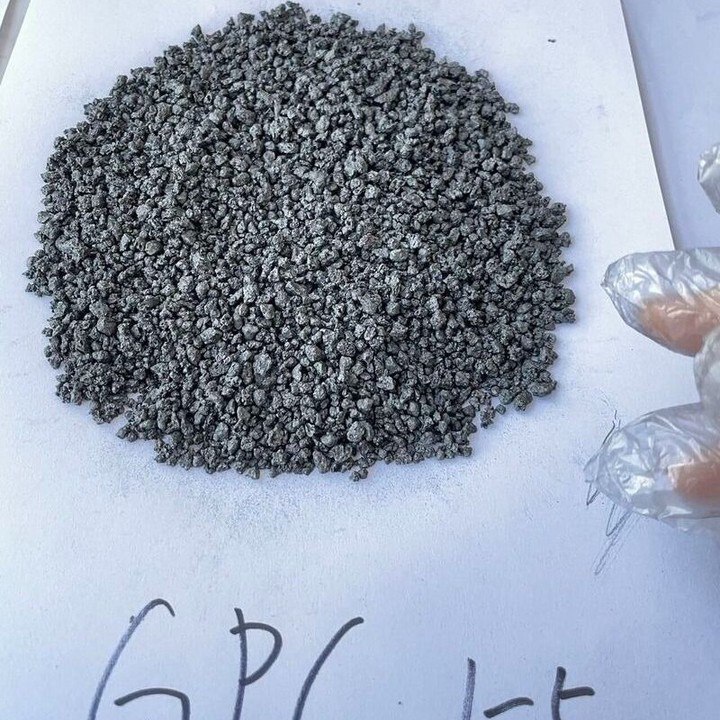
Furnace Type

Graphitization of petroleum coke is performed in electric resistance furnaces, mainly Acheson or lengthwise graphitization furnaces (LWG), operating under low‑oxygen conditions to prevent carbon oxidation.

Operating Temperature

Effective graphitization requires sustained temperatures of 2,800–3,000 °C, at which disordered carbon structures transform into an ordered graphite crystalline lattice. Below this range, full graphitization is not achieved.

Energy Consumption

Typical electrical energy consumption ranges between 2,500–3,500 kWh/MT, depending on furnace efficiency, feedstock quality, and holding time at peak temperature. Electricity cost is therefore a primary production cost driver for GPC.

Chemical Composition and Certificate of Analysis (COA) of GPC:

The chemical composition of Graphite Petroleum Coke (GPC) is defined by its high fixed carbon content and ultra‑low impurity levels, which directly influence carbon pickup efficiency, sulfur control, and metallurgical cleanliness in steelmaking and foundry operations.

A valid Certificate of Analysis (COA) is therefore essential for technical qualification of GPC, as nominal specifications alone are insufficient for process control.

Typical COA Parameters of Industrial‑Grade GPC

Parameter
Typical Value
Unit
Technical Relevance
Fixed Carbon
99.0–99.5
%
Determines effective carbon yield
Sulfur (S)
≤ 0.05
%
Critical for low‑sulfur steel grades
Ash
≤ 0.5
%
Limits non‑metallic inclusions
Particle Size
1–5 / 3–10
mm
Controls dissolution kinetics
Moisture
≤ 0.5
%
Affects handling and net carbon input
Volatile Matter
≤ 0.5
%
Indicates thermal stability

COA Interpretation in Metallurgical Applications

High fixed carbon combined with low sulfur and ash ensures predictable dissolution behavior and minimizes contamination of the molten bath. Particle size distribution must be evaluated alongside chemistry, as oversize or excessive fines can distort carbon recovery calculations even when chemical values are within specification.

For technical assessments, COA data should be treated as batch‑specific and validated against end‑use requirements rather than considered a generic product description.

COA values are provided for technical reference only and do not represent a commercial or contractual guarantee.

Critical Quality Parameters Governing GPC Performance in Steelmaking:
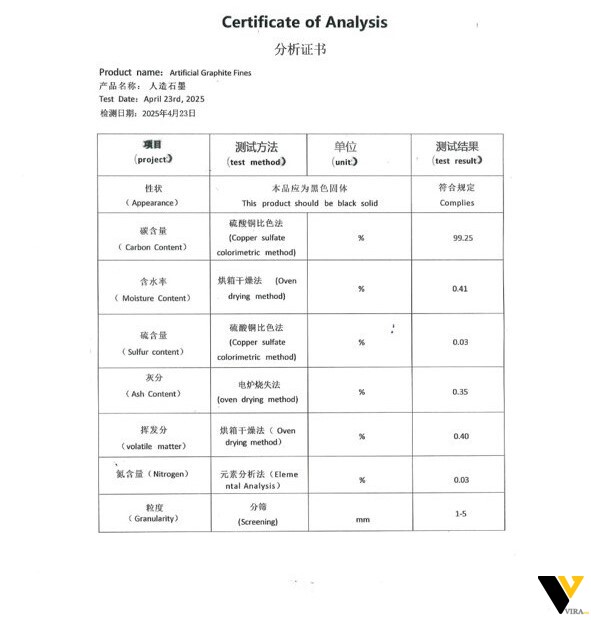
The performance of Graphitized Petroleum Coke (GPC) in steelmaking is primarily governed by its carbon purity, impurity profile, and physical form, which together determine carbon recovery efficiency and metallurgical cleanliness.

Key Governing Parameters

  • Fixed Carbon (≥ 99.0 %) – Directly impacts effective carbon pickup and yield calculation.
  • Sulfur (≤ 0.05 %) – Critical for sulfur‑sensitive steel grades and downstream refining.
  • Ash Content (≤ 0.5 %) – Influences inclusion formation and slag chemistry.
  • Degree of Graphitization – Affects dissolution rate and predictability in the molten bath.
  • Particle Size Distribution (e.g., 1–5 mm) – Controls absorption kinetics and minimizes carbon losses.

For stable furnace operation, these parameters must be evaluated collectively, not in isolation, as deviations in any one factor can significantly reduce carbon efficiency despite high nominal purity.

This section is intended for technical evaluation purposes only.

Particle Size Distribution (PSD) and Carbon Dissolution Kinetics:

The particle size distribution (PSD) of Graphite Petroleum Coke directly governs its dissolution rate and carbon recovery efficiency in molten steel. Smaller, well‑controlled granules provide faster and more predictable carbon absorption, while excessive fines increase oxidation losses.

In industrial practice, 1–5 mm GPC offers an optimal balance between rapid dissolution and minimal carbon loss, whereas oversized particles dissolve slowly and can cause carbon yield variability. For precise carbon control, PSD must be evaluated together with fixed carbon content and graphitization degree.

Provided for technical evaluation purposes only.

Use of Graphite Petroleum Coke as a Carbon Raiser in Steel and Foundry:

Graphitized Petroleum Coke is used as a high‑purity carbon raiser in steelmaking and foundry operations where low sulfur input, rapid carbon dissolution, and predictable carbon recovery are required.

Due to its high degree of graphitization, GPC provides stable carbon pickup in ladle and induction furnace applications, particularly for quality‑sensitive steel and grey/ductile iron grades.

GPC vs CPC vs Anthracite – Technical and Economic Comparison:

Parameter
GPC
CPC
Anthracite
Fixed Carbon (%)
≥ 99.0
98.0–99.0
88.0–92.0
Sulfur (%)
≤ 0.05
0.5–1.5
≤ 0.6
Carbon Dissolution
Fast, predictable
Moderate
Slow
RelativeCost
High
Medium
Low
Consistency
Very high
Medium
Variable

GPC offers superior technical performance, CPC remains a cost‑effective standard, while anthracite is typically selected only where cost outweighs metallurgical precision.

Carbon Purity Control

Ultra‑High Fixed Carbon for Metallurgical Precision

Graphitized Petroleum Coke with fixed carbon above 99% ensures predictable carbon pickup and minimizes impurity carryover in steel and foundry operations.

Low‑Sulfur Performance

Sulfur‑Critical Grades for Quality Steel

Low sulfur levels (≤0.03–0.05% S) make GPC suitable for alloy steels, induction furnaces, and applications with tight sulfur balance requirements.

Controlled Particle Size

Optimized PSD for Fast Dissolution

Precisely controlled particle sizes (typically 1–5 mm) enable rapid dissolution kinetics and consistent carbon recovery in molten metal.

Energy‑Driven Quality

High‑Temperature Graphitization Advantage

Produced at 2,800–3,000 °C, GPC delivers a highly ordered carbon structure, improving reactivity compared to CPC or anthracite.

Steel & Foundry Applications

Reliable Carbon Raiser for Industrial Use

Widely used in steelmaking, induction furnaces, and cast iron production where stable chemistry and repeatable results are essential.

Technical Pricing Logic

Price Based on Recoverable Carbon, Not Tonnage

GPC is evaluated by carbon efficiency and COA parameters, with pricing reflecting energy input, purity, and performance not commodity volume.

Graphite Petroleum Coke Price 2026 – Technical Price Matrix:

GPC pricing in 2026 will remain quality‑segmented and energy‑driven, rather than volume‑driven. The market does not operate on a single benchmark price; instead, prices are formed through a technical acceptance model based on COA, graphitization degree, and end‑use application.

The expected reference FOB price corridor for industrial‑grade GPC is USD 850–1,850/MT, with dispersion primarily determined by:

  • Furnace technology used for graphitization
  • Electricity cost and energy efficiency (kWh/MT)
  • Sulfur, ash, and carbon lattice order
  • PSD control and usable carbon yield

Premium prices will be sustained for low‑sulfur (<0.05%) and tight PSD (1–5 mm) materials, particularly for steelmakers facing sulfur balance limitations. No structural oversupply is expected due to CAPEX‑heavy graphitization furnaces and constrained low‑sulfur feedstock.

Grade Category
Typical Application
Key Technical Requirements
Energy Intensity (kWh/MT)
Price Range 2026* (USD/MT)
Standard GPC
General steelmaking
FC ≥ 98.5%, S ≤ 0.10%, PSD variable
2,500–2,800
850–1,050
Low‑Sulfur GPC
Alloy & quality steel
FC ≥ 99.0%, S ≤ 0.05%, PSD controlled
2,700–3,100
1,050–1,350
Premium GPC
Foundry / induction furnace
FC ≥ 99.2%, S ≤ 0.03%, PSD 1–5 mm
3,000–3,500
1,350–1,850
Micro‑PSD GPC
Precision carbon adjustment
FC ≥ 99.3%, S ≤ 0.02%, PSD 1 mm
3,200–3,600
1,600–1,950

*Indicative reference prices, FOB basis, non‑binding, subject to energy cost and furnace availability.

Understanding What Really Shapes GPC Performance & Cost

Graphite Petroleum Coke is not a commodity carbon. Its final performance and pricing are driven by graphitization temperature, energy intensity, feedstock quality, and particle size engineering.

This section explains why two GPC materials with similar chemistry can behave — and price — very differently in steel and foundry operations.

Key Cost Drivers Influencing GPC Pricing in Global Markets:

  1. Energy Consumption (30–45% of total cost)

    Graphitization requires 2,800–3,000 °C, translating to 2,500–3,500 kWh/MT. Regional power pricing is the single most critical cost variable.

  2. Feedstock Quality (Green/Calcined Coke)

    Low‑sulfur, low‑metal feedstock significantly raises input cost but directly improves carbon recovery and customer acceptance.

  3. Graphitization Yield & Scrap Rate

    Carbon loss during high‑temperature treatment and PSD screening impacts net output cost.

  4. Environmental & Compliance Costs

    Emission control, dust management, and furnace depreciation add non‑negligible fixed costs.

The common trader mistake is comparing GPC pricing on headline USD/MT rather than USD per recoverable carbon unit.

Logistics, Packaging and Handling Considerations for GPC:
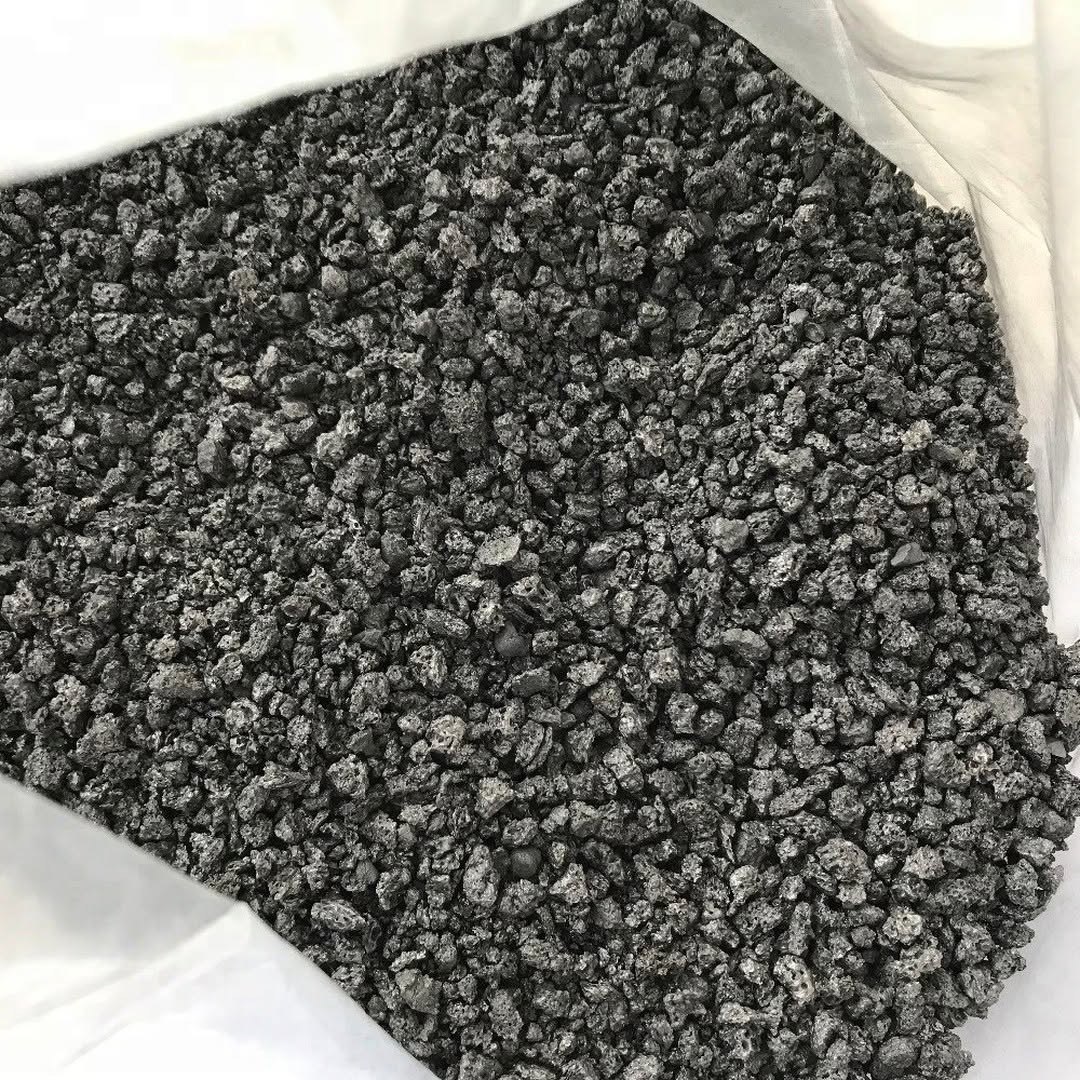
From a logistics standpoint, GPC behaves as a high‑density, abrasive, contamination‑sensitive bulk material. Packaging and handling choices materially affect effective delivered cost and product integrity.

  • Standard Packaging:
    • 1 MT jumbo bags (inner PE liner recommended)
    • 25 kg bags for specialty foundry use
  • Bulk Shipping: Economical but increases risk of fines generation and contamination.
  • Moisture Sensitivity: Low, but surface wetting can distort weight‑based dosing.
  • PSD Degradation Risk: Excessive re‑handling leads to fines > carbon loss and oxidation.

For sanction‑exposed supply chains, indirect routing increases handling points, making robust packaging and PSD tolerance commercially critical.

Technical FAQs on GPC Selection for Industrial Buyers:

Q1: When is GPC technically justified over CPC?

When sulfur limits are tight, carbon pickup must be predictable, or steel grades are quality‑sensitive.

Q2: What sulfur level is acceptable for steelmaking GPC?

Typically ≤ 0.05% S; premium grades are <0.03%.

Q3: Does higher fixed carbon always mean higher performance?

Only if accompanied by proper graphitization and controlled PSD.

Q4: What is the optimal particle size for carbon raiser use?

1–5 mm for fast dissolution with minimal oxidation losses.

Q5: Why does GPC show price volatility without large volume changes?

Because pricing is driven by energy cost and furnace availability, not mine output.

Conclusion + Table:

GPC Grade
Target Application
Key Technical Specs
Energy Input (kWh/MT)
Expected Price Range 2026 (USD/MT)
Industrial GPC
General steelmaking
FC ≥ 98.5% · S ≤ 0.10% · PSD mixed
2,500–2,800
850–1,050
Low‑Sulfur GPC
Alloy & quality steel
FC ≥ 99.0% · S ≤ 0.05% · PSD controlled
2,700–3,100
1,050–1,350
Premium GPC
Foundry / induction furnace
FC ≥ 99.2% · S ≤ 0.03% · PSD 1–5 mm
3,000–3,500
1,350–1,850
Ultra‑Fine / Precision GPC
Precise carbon adjustment
FC ≥ 99.3% · S ≤ 0.02% · PSD 1 mm
3,200–3,600
1,600–1,950

Graphite Petroleum Coke is a technically differentiated carbon material, not a simple commodity. In 2026, GPC pricing will be driven primarily by energy intensity, sulfur level, and particle size control, forming a realistic reference range of USD 850–1,850 per metric ton.

Effective GPC selection should be based on cost per recoverable carbon unit, rather than nominal price per ton. Buyers who integrate COA data, PSD control, and carbon dissolution behavior into their procurement strategy achieve greater process stability and lower true production costs.

Contact Direct:

info@ferrosilicon.co | +989121684359 | WhatsApp RFQ

Mahboubeh Kharmanbiz

Mahboubeh Kharmanbiz

Senior Metallurgist & Technical Director at Ferrosilicon.co

Prepared by a metallurgical materials and international trade specialist with hands‑on experience in ferroalloys, graphitized carbon materials, and Eurasian supply chains, focusing on technical evaluation, price‑risk analysis, and industrial procurement strategy for steel and foundry markets.