09121684359 info@ferrosilicon.co

Technical Summary & Reference‑Oriented Evaluation

Graphitized Petroleum Coke (GPC) is a high‑purity carbon additive used in steelmaking where precise carbon control, low sulfur input, and predictable furnace behavior are required.

Its graphitic structure and controlled particle size enable stable dissolution kinetics and improved carbon recovery compared to conventional carbon sources.

In technical evaluation, GPC is assessed based on chemical purity, physical consistency, and verified Certificate of Analysis data rather than nominal grade or commercial claims.

Material Purity & Composition

Graphitized Petroleum Coke is characterized by high fixed carbon and controlled sulfur and ash levels. Technical assessment relies on measured composition, not commercial grade claims.

Particle Size & Carbon Behavior

Controlled particle sizing enables predictable carbon dissolution in molten metal. This supports stable and efficient carbon adjustment during processing.

Quality Verification & Traceability

GPC performance depends on batch‑specific Certificate of Analysis and proper handling. Verified data ensures consistency and process reliability.

Introduction to Graphitized Petroleum Coke (GPC):

What Is Graphitized Petroleum Coke (GPC)

Graphitized Petroleum Coke (GPC) is a high‑purity carbon material produced by thermally upgrading petroleum coke at temperatures typically above 2,800 °C.

This high‑temperature treatment rearranges the carbon structure into an ordered, graphite‑like crystalline form, significantly improving electrical conductivity, carbon activity, and dissolution behavior in molten metal systems.

GPC is primarily used as a carbon additive where controlled carbon input, low impurity levels, and predictable metallurgical performance are required.


Production Route and Graphitization Mechanism

GPC is derived from calcined petroleum coke through a dedicated graphitization process. During graphitization, amorphous carbon domains transform into hexagonal graphite crystal layers.

This structural transformation reduces volatile matter, lowers sulfur and nitrogen activity effects, and enhances carbon transfer efficiency during steelmaking or foundry operations. The result is a material with consistently high fixed carbon content and minimal metallurgically harmful residues.


Key Material Characteristics of GPC

From a technical evaluation perspective, GPC is characterized by:

  • High fixed carbon content, typically above 99.0%
  • Low sulfur concentration, generally below 0.05%
  • Low ash and insoluble residue
  • Stable and uniform particle morphology after crushing and screening
  • Graphitic carbon structure with high carbon reactivity

These characteristics distinguish GPC from conventional carbon raisers and allow for tighter process control in sensitive metallurgical applications.


Role of GPC in Metallurgical Carbon Control

In molten steel and iron systems, carbon from a solid additive transitions into dissolved carbon in the melt according to equilibrium and kinetic constraints. GPC’s graphitized structure promotes predictable dissolution behavior, reducing variability in carbon recovery.

This makes GPC particularly suitable for applications where final carbon chemistry tolerance is narrow and sulfur pickup must be minimized.


Typical Industrial Usage Context

GPC is commonly evaluated and applied in:

  • Carbon adjustment during secondary steel refining
  • Carbon control in special steel grades and alloyed steels
  • Foundry applications requiring low sulfur input
  • Processes where carbon dissolution rate and consistency are more critical than gross carbon addition

Its selection is therefore driven by technical performance rather than nominal grade or commercial labeling.


Technical Positioning Note

This introduction is intended for technical understanding and material evaluation only. GPC performance should always be assessed based on verified chemical analysis, particle size distribution, and application‑specific process conditions rather than generic specifications or market descriptions.

Parameter
Specification
Fixed Carbon
≥ 99.0 %
Total Carbon
≥ 99.2 %
Sulfur (S)
≤ 0.05 %
Nitrogen (N)
≤ 0.03 %
Hydrogen (H)
≤ 0.01 %
Volatile Matter
≤ 0.50 %
Ash (Insolubles, mainly SiO2)
≤ 0.50 %
Oxygen (O)
≤ 0.30 %
Moisture (H2O)
≤ 0.50 %

Material Origin and Graphitization Process:

Graphitized Petroleum Coke (GPC) is derived from petroleum coke, a carbon‑rich by‑product of delayed coking in oil refineries.

The final performance of GPC depends not only on graphitization temperature, but critically on the quality of the selected raw feedstock.

Low‑sulfur, low‑ash petroleum coke is chosen to ensure chemical stability and suitability for metallurgical use. Differences in refinery origin directly affect impurity levels and influence the efficiency of high‑temperature processing.

Graphitization is achieved by heating calcined petroleum coke to temperatures typically above 2,800 °C under controlled inert conditions.

At this stage, disordered carbon structures reorganize into an ordered graphite‑like lattice, while residual volatile elements are largely removed.

This transformation results in high fixed carbon content, improved material density, and more predictable carbon dissolution behavior when introduced into molten metal.

These characteristics make GPC a reliable carbon source for steelmaking and foundry operations where process consistency and low sulfur transfer are essential.

Physical Characteristics and Particle Size Distribution:

The physical characteristics of Graphitized Petroleum Coke (GPC) play a decisive role in its handling behavior, dissolution rate, and overall metallurgical performance.

In practical steelmaking and foundry applications, particle size distribution is often as critical as chemical purity.

Controlled sizing ensures predictable carbon absorption kinetics and minimizes losses caused by oxidation, flotation, or delayed dissolution in the molten bath.

Uniform particle geometry also supports consistent feeding and reduces operational variability during charging.

Typical Physical Characteristics and Size Distribution

Parameter
Typical Range / Description
Appearance
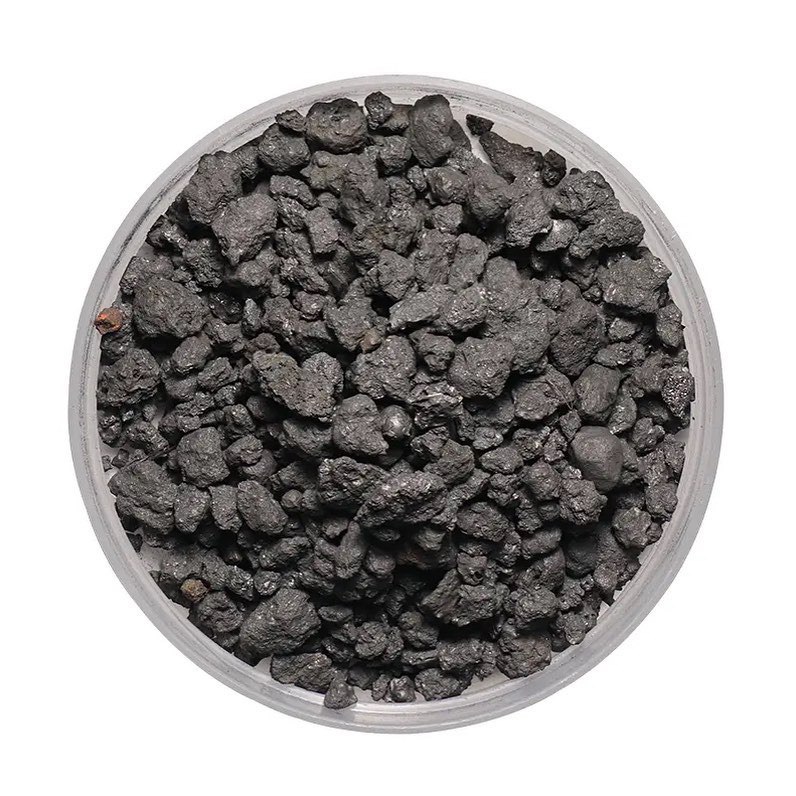
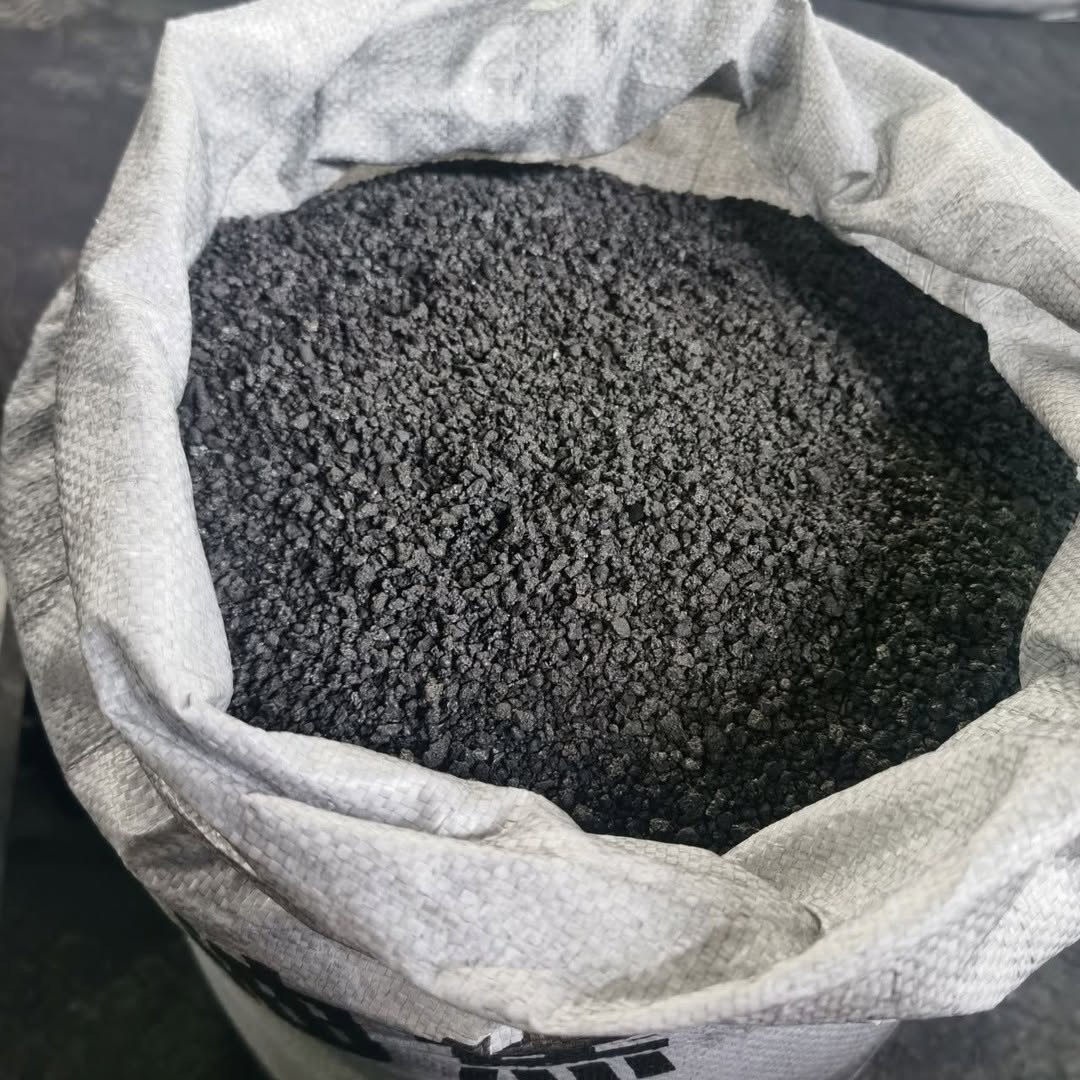
Black to dark grey, crystalline
True Density
2.20 – 2.26 g/cm³
Bulk Density
0.80 – 1.05 g/cm³ (depending on size)
Hardness
High, low friability
Fixed Carbon
≥ 99.0 %
Moisture
≤ 0.5 %

Particle Size Distribution (Common Specifications)

Size Range
Typical Application
0–1 mm
Powdered carbon addition, rapid dissolution
1–5 mm
Standard ladle and induction furnace use
3–8 mm
Controlled carbon pickup in steelmaking
5–10 mm
Slower dissolution, reduced oxidation losses
Custom Sizes
Available based on process requirements

The selection of particle size should always be aligned with furnace type, addition point, and desired carbon recovery efficiency. Improper sizing can lead to inconsistent carbon yield even when chemical specifications remain unchanged.

Chemical Composition and Typical COA Parameters:

The value of Graphitized Petroleum Coke (GPC) in metallurgical processes relies on its precise chemical profile. Standard certificates of analysis (COA) consistently show fixed carbon above 99%, with sulfur content typically below 0.05% to minimize contamination risk. Ash, moisture, and volatile matter levels are all tightly controlled, resulting in a clean, stable material suitable for steelmaking and foundry applications.

A typical technical summary for GPC presents:

  • Fixed Carbon: ≥ 99.0%
  • Sulfur: ≤ 0.05%
  • Ash: ≤ 0.5%
  • Volatile Matter: ≤ 0.5%
  • Moisture: ≤ 0.5%

Reliable COA reporting enables process engineers and buyers to verify product consistency batch-to-batch, ensuring that every shipment meets strict operational requirements for efficiency and quality.

Carbon Dissolution Mechanism in Molten Steelrs:

Carbon from graphitized materials dissolves into molten steel through direct contact between solid particles and the liquid metal.

The rate depends on four main factors: temperature, particle size, melt agitation, and material purity.

High‑purity GPC with controlled sizing (typically 1–5 mm) provides faster and more predictable dissolution because of its clean structure and large active surface area.

At steelmaking temperatures above 1500 °C, the transfer follows the basic equilibrium relationship C (solid) ⇌ C (dissolved).

Dissolution continues until the carbon gradient between the particle surface and the molten bath is minimized.

In practice, most mills introduce carbon sources during ladle treatment to adjust final chemistry with minimal oxidation losses.

Advanced operations increasingly use coated or surface‑treated carbon materials to improve yield and reduce superficial burn‑off, offering more consistent carbon pickup in high‑turbulence refining environments.

Pricing Overview and Market Reference:

Graphitized Petroleum Coke (GPC)

The following pricing information represents market‑based reference levels for Graphitized Petroleum Coke (GPC). Values are indicative and intended for technical and commercial benchmarking rather than contractual use.

Graphitized Petroleum Coke Price Reference Table

Category
Fixed Carbon (%)
Sulfur (%)
Particle Size (mm)
Typical Application
Incoterms / Origin
Indicative Price (USD/MT)
GPC Standard
≥ 98.5
≤ 0.05
1–5
Foundry recarburizer
EXW – Eurasia
720 – 820
GPC Low Sulfur
≥ 99.0
≤ 0.03
1–5
Steel ladle correction
EXW – Eurasia
820 – 940
GPC Ultra Low S
≥ 99.2
≤ 0.02
1–3
Clean steel grades
FOB – East Asia
980 – 1,120
GPC Coarse
≥ 98.5
≤ 0.05
5–10
Furnace charging
EXW – Eurasia
680 – 760
GPC Fines
≥ 99.0
≤ 0.03
0–1
Powder injection / blends
EXW – Eurasia
700 – 780

We Produce Engineered Carbon Materials

We manufacture Graphitized Petroleum Coke with controlled chemistry and particle sizing for metallurgical applications. Our focus is on carbon purity, predictable dissolution behavior, and batch‑verified technical consistency.

Performance Comparison: GPC vs Other Carbon Additives:

Graphitized Petroleum Coke (GPC) is evaluated against alternative carbon additives such as calcined petroleum coke (CPC), anthracite, and natural graphite based on carbon purity, dissolution behavior, and impurity control.

GPC typically offers higher fixed carbon levels (≥99%) and significantly lower sulfur and ash, resulting in cleaner carbon pickup and reduced risk of residual element contamination in steel.

Compared to CPC, GPC demonstrates more predictable dissolution in molten steel, particularly in ladle metallurgy, due to its graphitic structure and controlled particle size distribution.

Anthracite, while cost‑competitive, shows slower and less consistent carbon absorption and higher variability in ash chemistry, which can negatively affect slag balance.

Natural graphite provides rapid dissolution but often presents supply inconsistency and higher price volatility.

From an operational standpoint, GPC provides a balanced performance profile: stable quality, controlled kinetics, and repeatable results across batches.

For steel producers prioritizing carbon yield efficiency and chemistry control over purely lowest-cost inputs, GPC remains the preferred carbon additive in secondary refining stages.

Application Areas in Steelmaking and Foundry Operationsves:

Steel Mills

In steelmaking operations, Graphitized Petroleum Coke (GPC) is primarily used during ladle refining for final carbon adjustment. Its high fixed carbon content and low sulfur enable precise control of steel chemistry after decarburization stages. Consistent particle sizing supports predictable dissolution and stable carbon yield, which is critical for secondary metallurgy and quality control.

Foundries

In foundry applications, GPC is used as a recarburizer in gray and ductile iron production. It supports controlled carbon recovery during charge preparation or melt correction, contributing to uniform microstructure development. Compared with conventional carbon materials, GPC offers lower ash input and more reliable batch‑to‑batch performance.

Quality Control, Sampling, and Verification Methodology:

The technical reliability of Graphitized Petroleum Coke is defined not only by nominal specifications, but by verifiable quality control procedures. Effective evaluation begins with representative sampling and independent chemical and physical analysis.

Sampling should be conducted from multiple points within each batch to account for size and density variation. Standardized sampling methods are essential to ensure that laboratory results accurately reflect the supplied material rather than isolated fractions.

Quality verification typically includes fixed carbon content, sulfur level, ash, moisture, volatile matter, and particle size distribution. Particular attention is given to sulfur and ash levels due to their direct impact on steel and iron quality.

Particle size analysis is critical, as deviations from the specified range can significantly alter dissolution kinetics.

Independent laboratory testing and batch‑specific Certificates of Analysis (COA) form the basis of technical acceptance.

This approach prioritizes measured performance and reproducibility over supplier claims, aligning material selection with process‑driven requirements rather than nominal grade labels.

Handling, Storage, and Material Stability Considerations:

Graphitized Petroleum Coke (GPC) is chemically stable under normal storage conditions; however, its physical performance in metallurgical applications is strongly influenced by handling and storage practices.

Improper material control can result in moisture pickup, particle segregation, and inconsistent dissolution behavior.

GPC should be stored in covered, well‑ventilated areas to prevent moisture absorption and contamination by dust or foreign materials. Prolonged exposure to high ambient humidity or open storage near slag‑forming agents may negatively affect bulk flowability and furnace charging accuracy.

During handling and internal transport, minimizing mechanical breakage is essential. Excessive generation of fines alters the intended particle size distribution and can lead to uneven carbon recovery during melting operations.

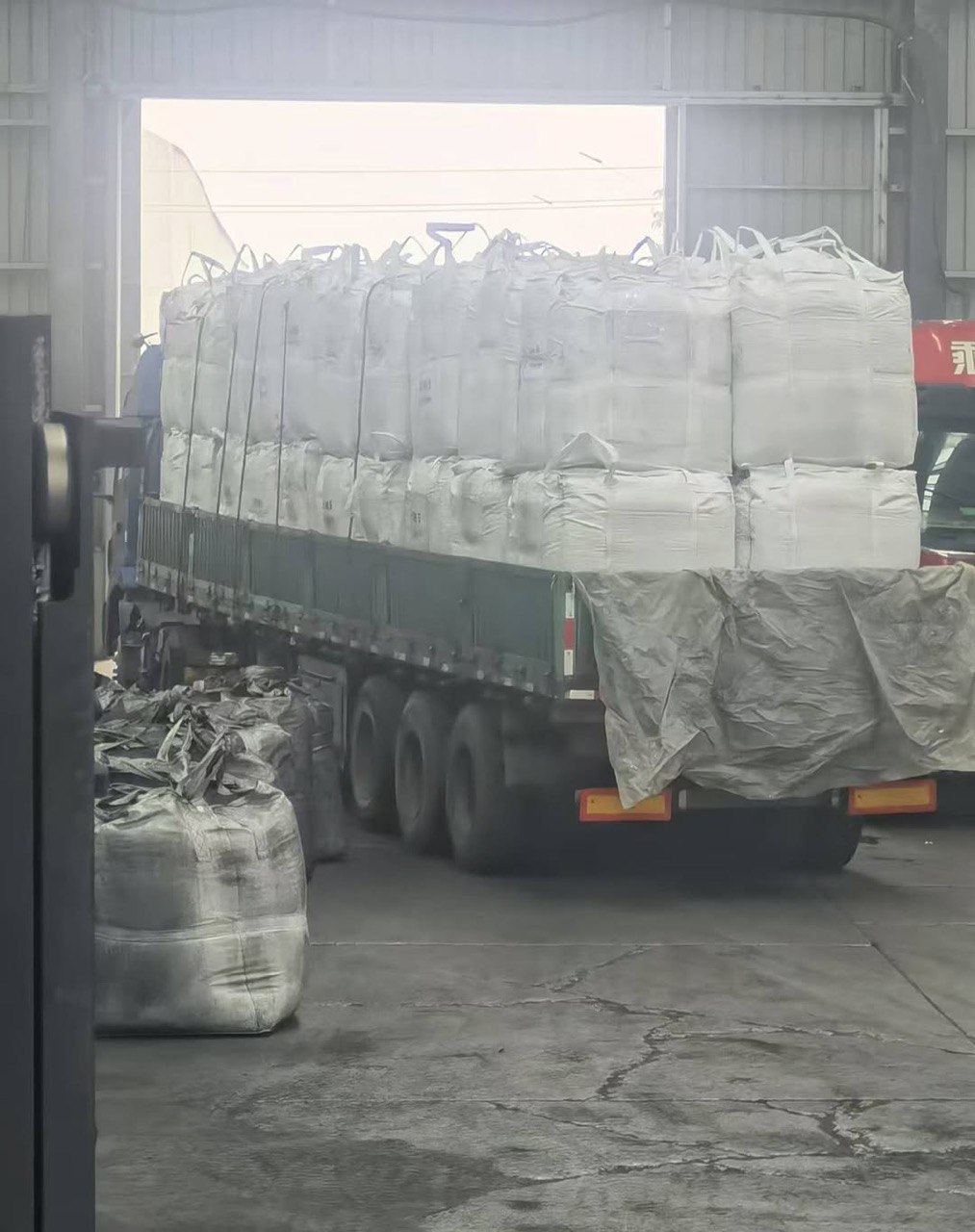
Stable packaging, controlled loading procedures, and batch‑level identification help preserve material consistency from supplier to end user.

From an operational standpoint, consistent storage and handling practices contribute directly to predictable carbon yield and process stability, particularly in secondary metallurgy and foundry applications.

Call now for a Free Consultation

+989121684359

Frequently Asked Questions:

1. What is Graphitized Petroleum Coke (GPC)?

Graphitized Petroleum Coke is a high‑carbon material produced by graphitizing petroleum coke at high temperatures. It is characterized by very high fixed carbon content, low sulfur, and stable crystalline carbon structure, making it suitable for metallurgical carbon addition.

2. How is GPC different from calcined petroleum coke (CPC)?

GPC undergoes an additional high‑temperature graphitization process, resulting in higher fixed carbon, lower electrical resistivity, and improved carbon dissolution behavior compared to CPC.

3. Why is low sulfur important in GPC?

Low sulfur content helps prevent sulfur pickup in molten steel or iron, which can negatively affect mechanical properties and downstream processing quality.

4. How does particle size affect GPC performance?

Particle size directly influences dissolution rate and carbon yield. Finer sizes dissolve faster but may increase losses if not controlled, while larger sizes dissolve more slowly and are typically used for furnace charging.

5. Is GPC used as a fuel?

No. GPC is used as a metallurgical carbon additive or recarburizer, not as a fuel‑grade material. Its classification and use differ from energy petroleum coke.

6. What industries typically use GPC?

GPC is mainly used in steelmaking and foundry operations, particularly where precise carbon control and low impurity levels are required.

7. What quality documents are usually provided with GPC shipments?

Typical documentation includes a batch‑specific Certificate of Analysis (COA), commercial invoice, packing list, and certificate of origin. Independent inspection may be used for verification.

8. Does origin matter for GPC performance?

Performance is determined by chemical purity, graphitization quality, and particle sizing rather than geographic origin. Verifiable batch data is more critical than source location.

9. How should GPC be stored?

GPC should be stored in dry, covered, and well‑ventilated areas to prevent moisture absorption and contamination that could affect handling and performance.

10. Is GPC subject to special export controls?

Generally, GPC is traded under standard carbon material classifications, but exporters must comply with applicable customs, trade, and sanctions frameworks depending on the jurisdiction.

11. What are common verification tests for GPC?

Typical tests include fixed carbon, sulfur, ash, moisture, volatile matter, and particle size distribution, conducted by independent laboratories.

12. Is the technical data in GPC articles a performance guarantee?

No. Published technical data represents typical or reference values. Actual performance depends on process conditions, furnace design, and operational practice.

Conclusion:

Graphitized Petroleum Coke (GPC) is a technically defined carbon material whose performance in metallurgical applications depends on measurable characteristics rather than nominal labeling.

Fixed carbon content, sulfur level, and particle size distribution are the primary factors governing its effectiveness as a carbon additive in steelmaking and foundry operations.

Throughout this overview, emphasis has been placed on process‑relevant considerations, including material origin, graphitization behavior, handling and storage integrity, and verification methodology.

These factors collectively determine carbon recovery predictability and operational stability far more reliably than supplier‑declared grades or marketing descriptions.

From a commercial and regulatory perspective, transparent documentation, correct product classification, and batch‑level quality verification support both technical acceptance and cross‑border trade continuity.

In complex regional supply chains, particularly those involving Eurasian production and logistics routes, traceability and consistency mitigate compliance and operational risk.

Ultimately, the effective use of GPC requires alignment between material properties, application context, and process control practices.

A data‑driven evaluation framework supported by independent testing and standardized handling protocols remains essential for ensuring reproducible metallurgical outcomes and long‑term process reliability.

Contact Direct:

info@ferrosilicon.co | +989121684359 | WhatsApp RFQ

Mahboubeh Kharmanbiz

Mahboubeh Kharmanbiz

Senior Metallurgist & Technical Director at Ferrosilicon.co

Independent analyst focused on ferroalloys and metallurgical carbon materials, with emphasis on ferrosilicon, graphitized petroleum coke, and Eurasian supply chains. Her work prioritizes specification‑based evaluation, material traceability, and process‑oriented analysis for industrial and technical audiences.