
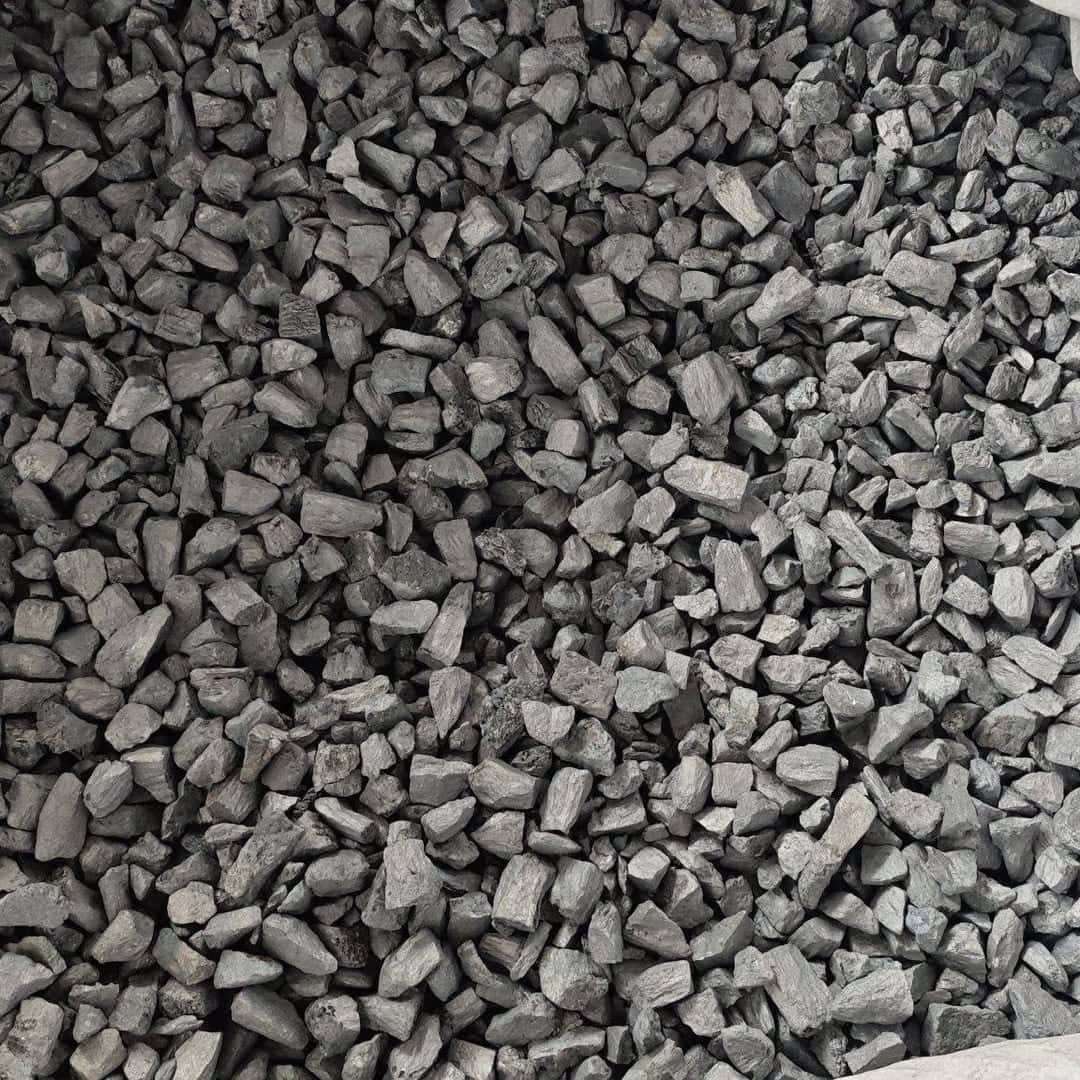
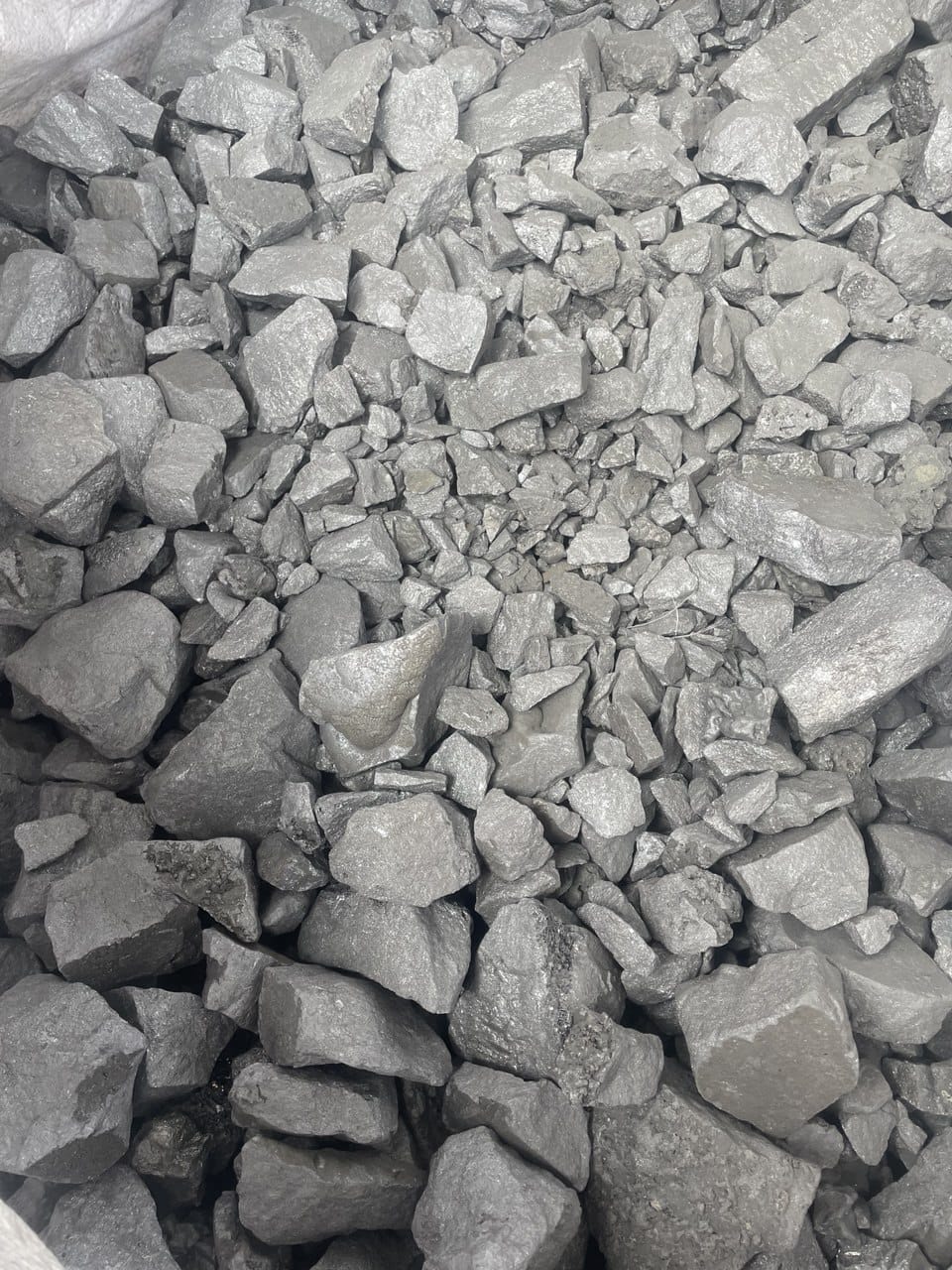
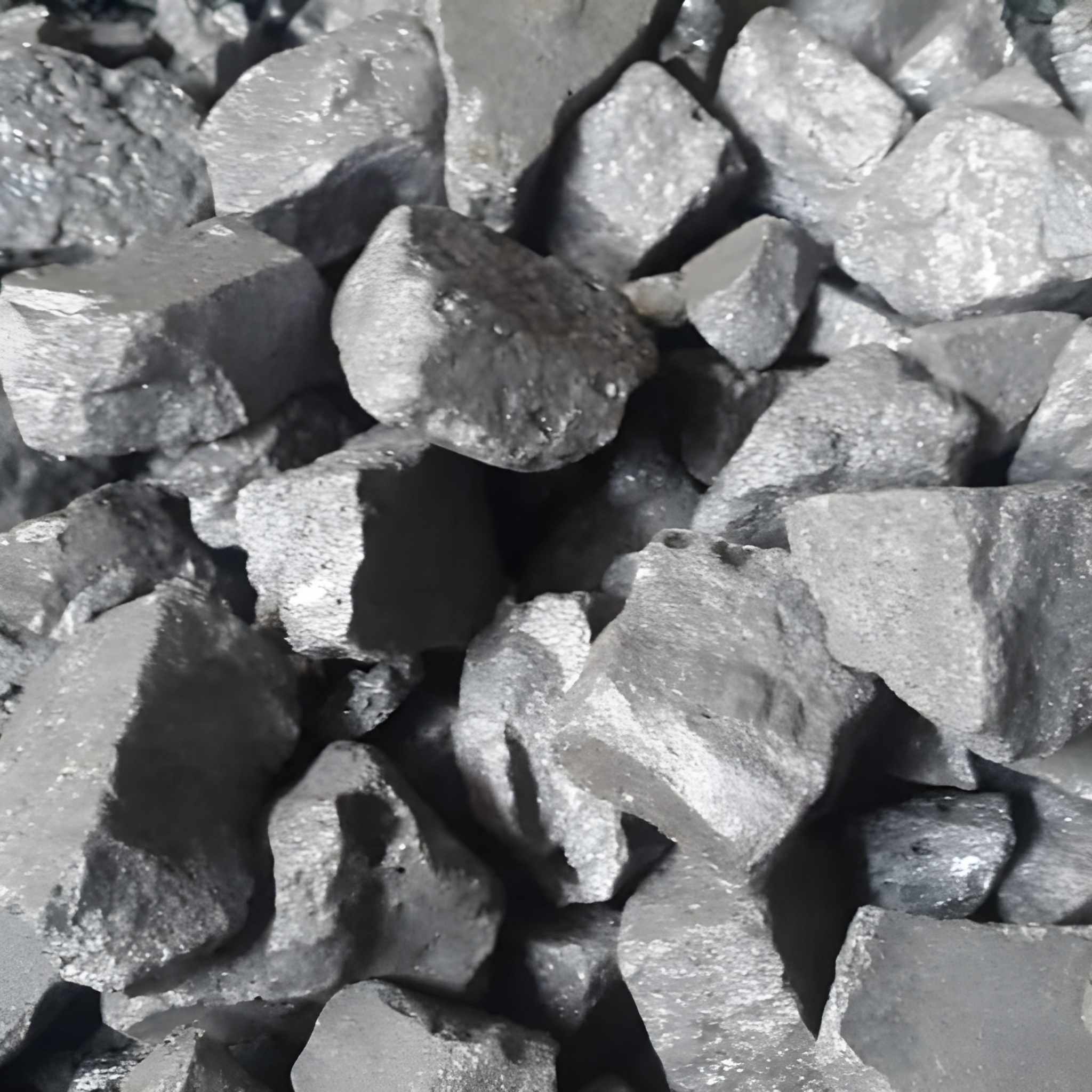
Ferro Silicon 2026
Executive Summary
By 2026, the ferro silicon market will no longer behave like a classic ferroalloy commodity.
While global demand growth remains limited, profitability dispersion is widening sharply. Energy prices, carbon exposure, and grade differentiation are now the real price-setters.
Producers and traders that still rely on volume-driven logic will face margin erosion, while those who reposition ferro silicon as a semi-specialty energy-intensive material will gain structural advantage.

Ferro Silicon in 2026: A Market with New Rules:

Energy-Driven Production Economics
Ferro silicon production in 2026 is defined primarily by electricity economics rather than raw material availability. Producers with structurally low and predictable power costs will dominate the market, while high-energy-cost regions face intermittent shutdowns and declining competitiveness.

Grade Differentiation & Chemical Precision
The future of ferro silicon lies in grade specialization. Steelmakers increasingly demand precise silicon levels and controlled aluminum and titanium content to stabilize furnace performance, improve yield, and reduce downstream cost volatility.

Carbon Exposure & Regulatory Pressure
Carbon intensity is now a commercial variable. With the introduction of CBAM and similar mechanisms, ferro silicon producers must quantify, document, and actively reduce emissions to maintain access to premium markets.

Fragmented Global Trade Routes
By 2026, ferro silicon trade is no longer globally fluid. Sanctions, insurance constraints, and compliance requirements are reshaping trade into regional corridors, favoring suppliers with flexible logistics and documentation readiness.

Supply Reliability Over Spot Pricing
Steel producers prioritize continuity of supply over marginal price advantages. Long-term partnerships, consistent quality, and predictable delivery schedules now outweigh spot-market discounts in procurement decisions.

Strategic Positioning for 2026 and Beyond
Success in the ferro silicon market demands a shift from volume-driven strategies to energy control, grade optimization, carbon transparency, and risk-aware trade structures. Adaptability n not scale is the sustainable advantage.
Grades Matter More Than Tonnage:
| Grade Category | Typical Application | Demand Trend to 2026 | Strategic Value |
| FeSi 75% | Standard Carbon & construction steel | Flat | Price-driven |
| FeSi 65–70% | Casting & foundries | Gradually rising | Stable niche |
| Low-Al FeSi | Flat steel, automotive | Strong growth | Contract-pricing |
| Low-Ti / High-Purity | Specialty & EV steels | Small but expanding | Margin leader |
Energy Costs: The Invisible Price Index:
| Region | Typical Power Cost (USD cent/kWh) | Production Sustainability |
| Hydro-based China | 3.5–4.5 | Structurally strong |
| Russia & Central Asia | 3.0–4.5 | Strong, geopolitically constrained |
| Southeast Asia | 5.0–6.0 | Marginal but scalable |
| European Union | 7.5–12.0 | Unstable, subsidy-dependent |


Trade Is Fragmented, Not Global
Global ferro silicon trade volumes still exist, but trade fluidity is gone.
- Sanctions and counter-sanctions reshape routes.
- Compliance and insurance add cost layers invisible on FOB prices.
- Buyers increasingly diversify origins rather than chase the cheapest ton.
Traditional trading routes—direct CIF Europe or FOB China—are giving way to regional hubs and blended-origin strategies.
Typical (legal) market practice:
Buyers source from two or three origins simultaneously to secure continuity rather than lowest price.
Carbon and Regulation: From Paperwork to Price
Pricing Outlook Toward 2026:

Frequently Asked Questions | Ferro Silicon 2026:
1. What is driving ferro silicon prices toward 2026?
2. Which ferro silicon grade will dominate the market in 2026?
3. Why are energy costs so critical in ferro silicon production?
4. How does carbon regulation affect ferro silicon trade?
5. Is global ferro silicon trade becoming more restricted?
Conclusion:
Blog
مقایسه گرافیت کم سولفور وارداتی و داخلی | مزایا و معایب
چرا مقایسه گرافیت کم سولفور یک تصمیم حیاتی است؟ انتخاب بین گرافیت کم سولفور وارداتی و داخلی صرفاً یک تصمیم خرید نیست؛ بلکه مستقیماً بر کیفیت مذاب، پایداری آنالیز شیمیایی، راندمان جذب کربن و ریسک عملیاتی خط تولید تأثیر میگذارد. در صنایعی مانند فولاد سازی و ریخته گری...
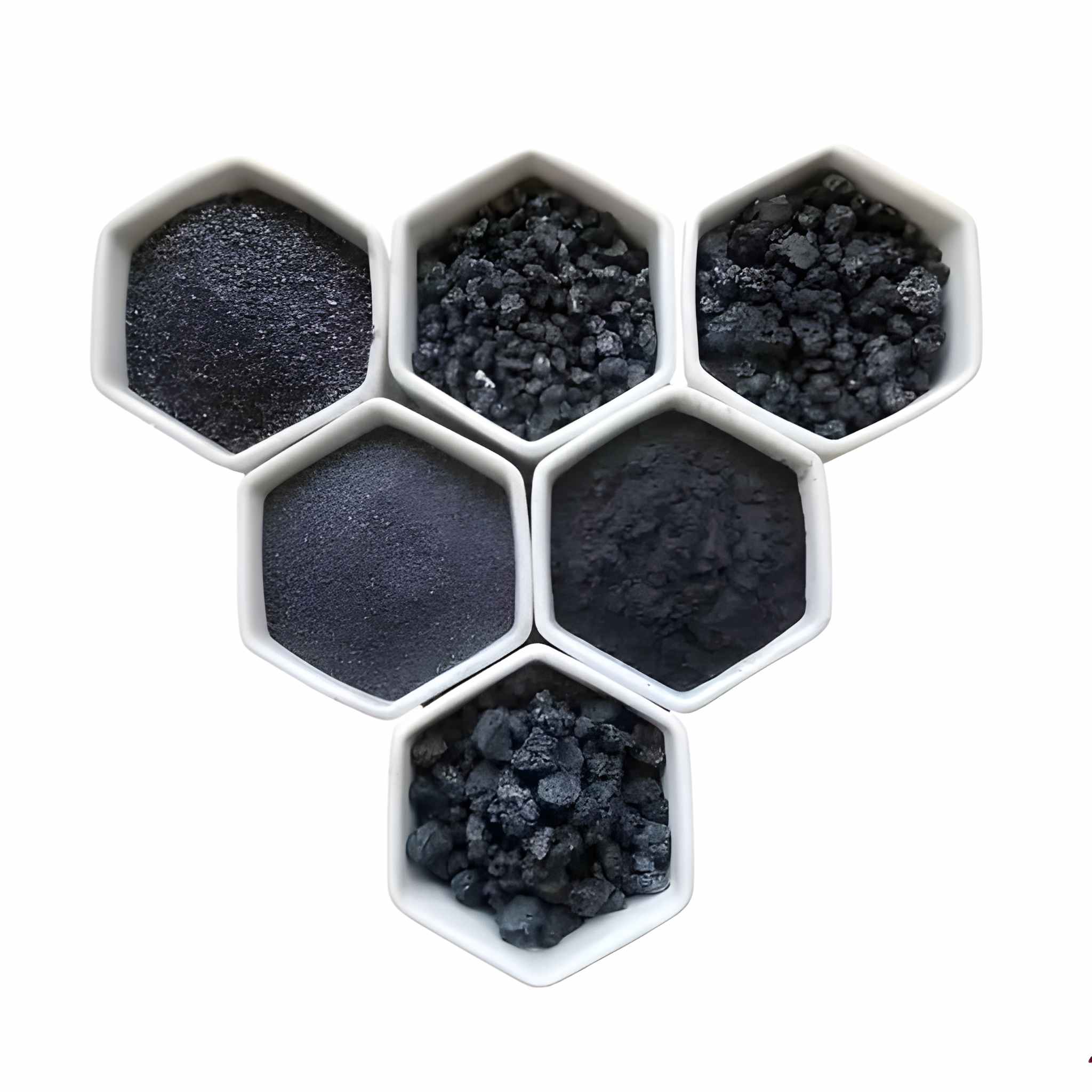
گرافیت کم گوگرد چیست؟ | کاربرد ها | مزایا | قیمت
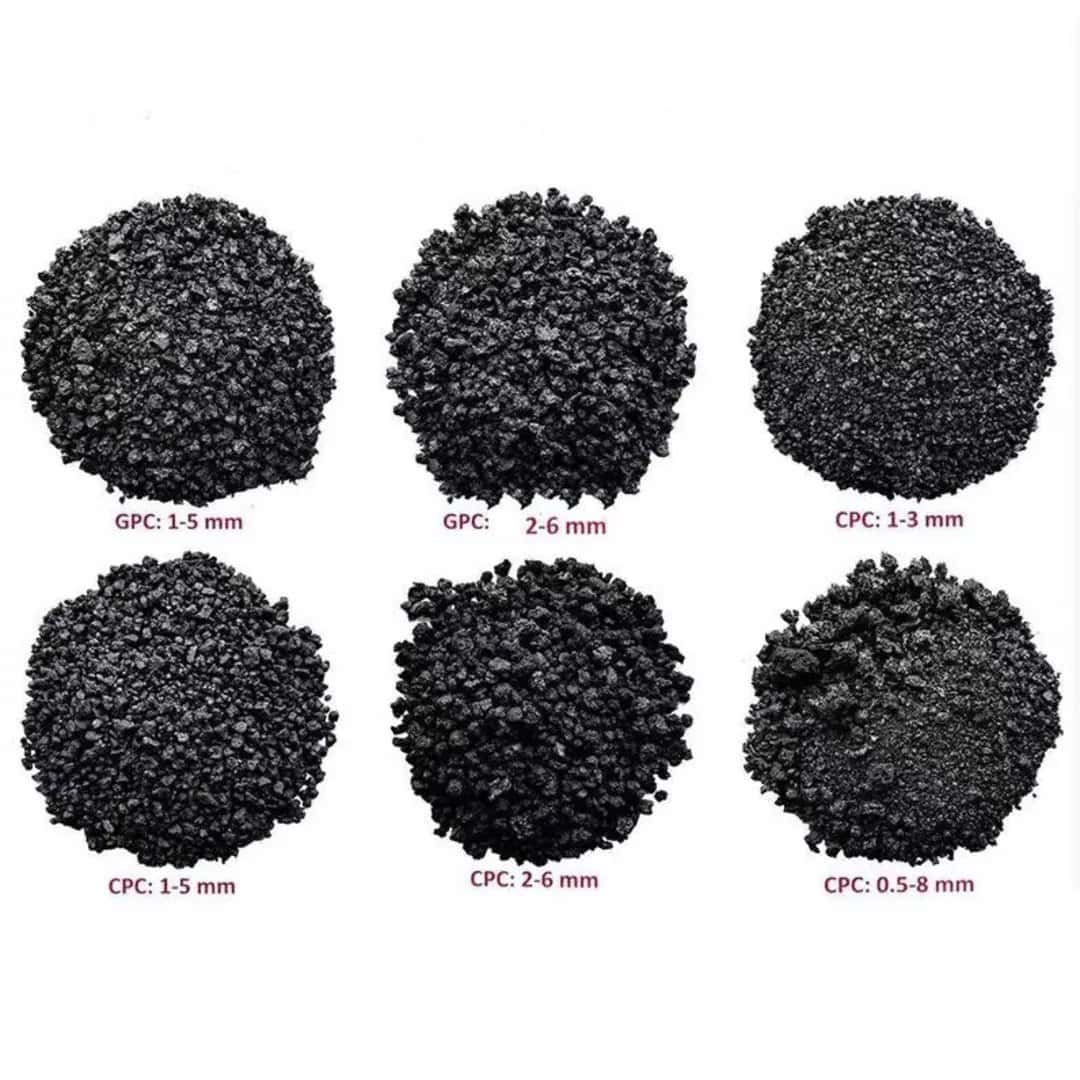
(Low Sulfur Graphite) گرافیت کم گوگرد گرافیت کم گوگرد (Low Sulfur Graphite) که در صنعت با نام کک نفتی گرافیده (GPC) نیز شناخته میشود، یکی از حیاتیترین افزودنی های کربنی در فرآیند تولید فولاد با کیفیت و چدن داکتیل (نشکن) است. این ماده با داشتن درصد کربن ثابت بالای...
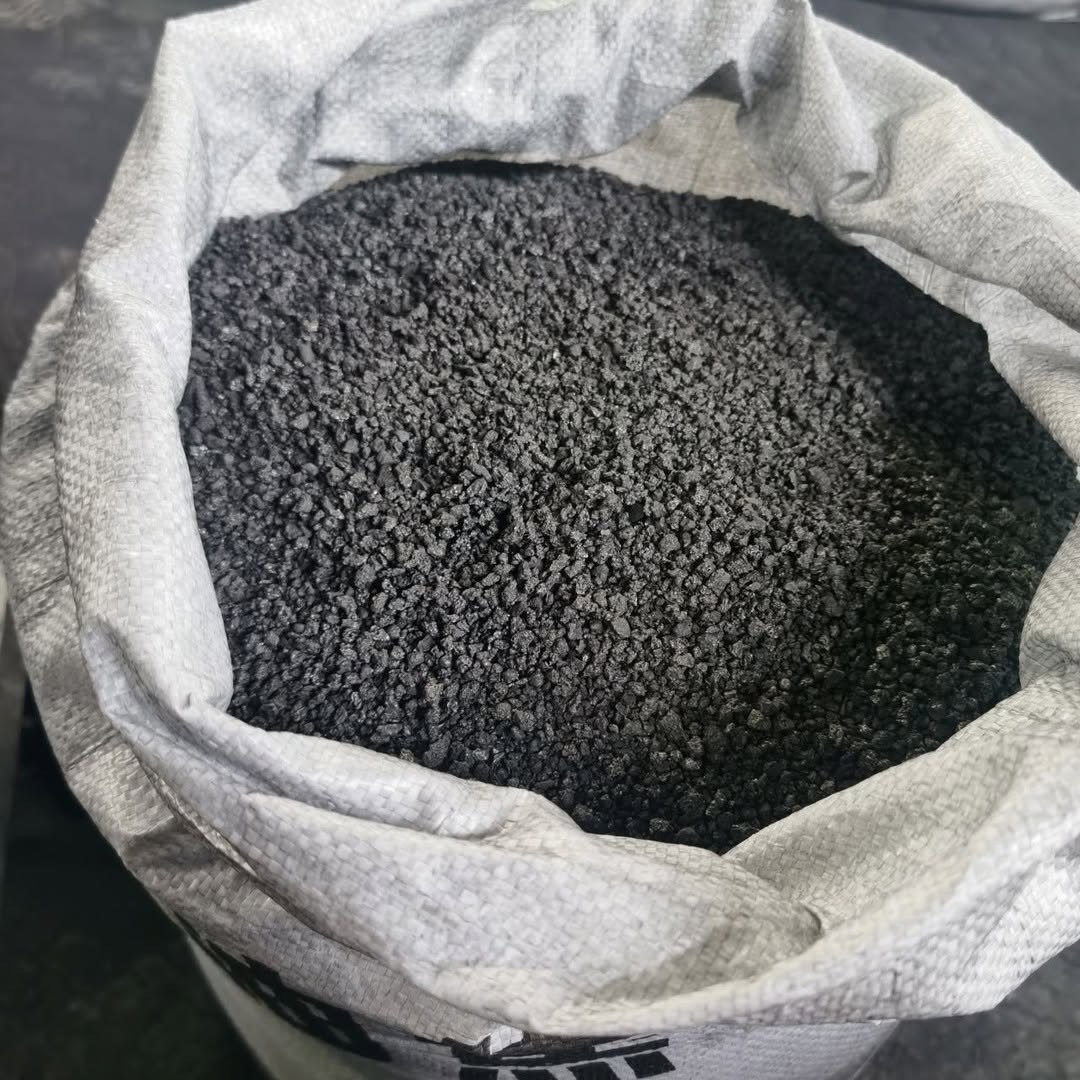
خرید گرافیت کم سولفور – تحویل سریع در سراسر کشور
خلاصهخرید گرافیت کم سولفور با بهترین کیفیت گرافیت کم سولفور (Low Sulfur GPC) یکی از پرمصرفترین افزودنیهای کربنی در صنایع فولادسازی و ریختهگری ایران است. اگر به دنبال خرید گرافیت کم سولفور با کیفیت تضمینی، آنالیز واقعی و قیمت رقابتی هستید، جای درستی آمدید. ما این...