Calcined Petroleum Coke (CPC)? – Quick Overview
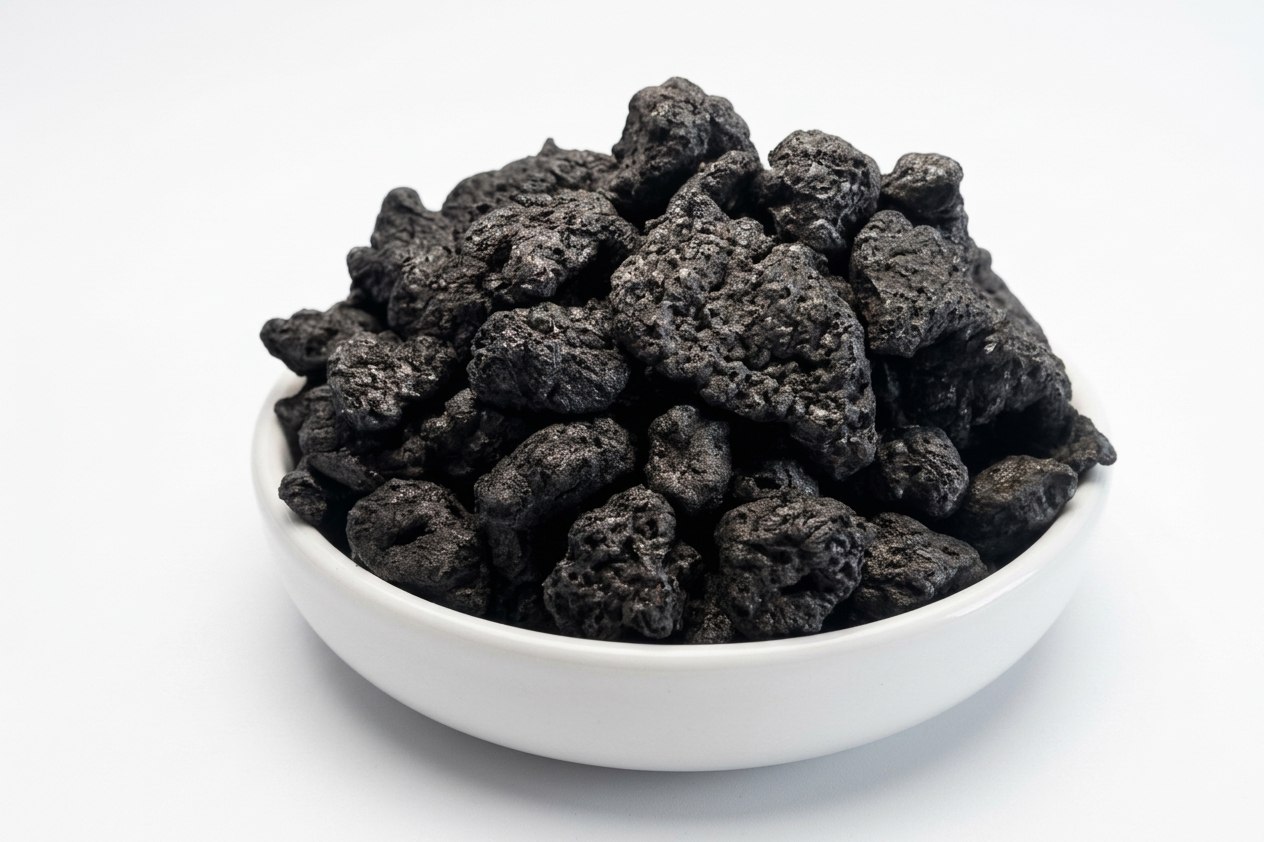
Calcined Petroleum Coke (CPC) is a high-purity carbon material produced by heating green petroleum coke at very high temperatures to remove moisture, volatile compounds, and impurities. The result is a dense, electrically conductive, and low-sulfur carbon product widely used in aluminum production, steel manufacturing, titanium dioxide production, and other high-temperature industrial processes.
CPC is mainly valued for its high fixed carbon content, low ash, and excellent conductivity, making it a critical raw material in carbon anodes for aluminum smelting. Different CPC grades are defined based on properties such as sulfur content, density, and electrical resistivity, which directly affect performance in industrial applications.
Quick Answers About Calcined Petroleum Coke:
What Is Calcined Petroleum Coke?
Calcined Petroleum Coke (CPC) is a high-purity carbon product derived from the thermal treatment of “Green” Petroleum Coke (GPC), a critical byproduct of the crude oil refining process. Unlike raw petroleum coke, which contains high levels of moisture and volatile hydrocarbons, CPC undergoes a rigorous calcination process to become a dense, carbon-rich material suitable for heavy industrial applications.
The production of CPC involves heating Green Petroleum Coke in a rotary kiln to temperatures ranging between 1,200°C and 1,350°C. This intense thermal treatment serves two primary functions:
- Removal of Volatiles: It strips away residual moisture and volatile organic compounds (VOCs).
- Structural Densification: It significantly increases the fixed carbon content and improves the electrical conductivity of the material.
Key Technical Characteristics:
- High Fixed Carbon Content: Typically exceeding 98.5%, ensuring superior metallurgical performance.
- Low Impurity Levels: Minimal sulfur, ash, and volatile matter content.
- Thermal and Electrical Stability: High electrical conductivity and resistance to thermal shock, which are essential for its primary use in aluminum smelting.
Essentially, Calcined Petroleum Coke acts as the backbone for the production of anodes in the aluminum industry and serves as a critical carbon raiser in steelmaking and foundry processes.
How Is Calcined Petroleum Coke Made?
The transformation of Green Petroleum Coke (GPC) into high-quality Calcined Petroleum Coke (CPC) is a sophisticated thermochemical process designed to improve the material’s structural integrity, electrical conductivity, and chemical purity.
The production process can be broken down into four critical stages:
1. Feedstock Preparation
The process begins with Green Petroleum Coke, a solid carbonaceous material obtained from the delayed coking unit in oil refineries. This raw material contains significant amounts of moisture, hydrogen, and volatile hydrocarbons.
Before calcination, the GPC is screened and processed to ensure consistent particle size, ensuring uniform heat distribution within the kiln.
2. The Calcination Process (Rotary Kiln)
The core of the operation takes place in a rotary kiln, which is a massive, inclined rotating cylinder.
- Thermal Treatment: The GPC is fed into the kiln and heated to temperatures between 1,200°C and 1,350°C.
- Devolatilization: At these extreme temperatures, the volatile matter (hydrocarbons and moisture) is driven off. This process turns the coke into a dense, solid carbon structure.
- Densification: The sustained heat causes the carbon atoms to rearrange, resulting in higher density and improved electrical conductivity, which is vital for the performance of aluminum smelting anodes.
3. Cooling Phase
Once the coke leaves the kiln, it is extremely hot and must be cooled rapidly. This is typically done using water sprays or secondary cooling equipment.
Rapid cooling is essential to prevent the “burn-off” of the fixed carbon through contact with air (oxidation), which would degrade the quality of the final product.
4. Crushing and Sizing
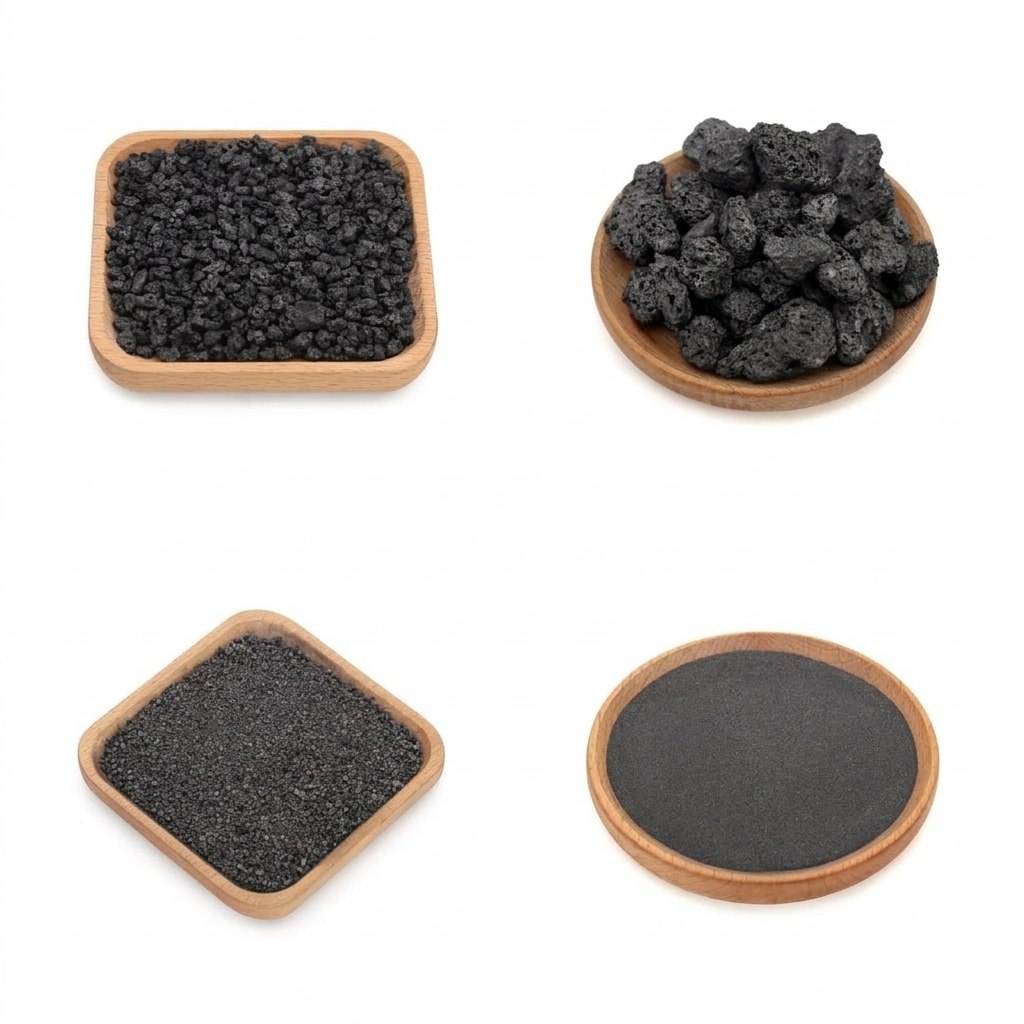
After cooling, the calcined coke is crushed and screened into specific grain sizes (from coarse particles to fine powder). Depending on the final application-such as anode production for aluminum, graphite electrode manufacturing, or carbon raisers for the steel industry-the material is blended to meet precise Particle Size Distribution (PSD) requirements.
Key Specifications of Calcined Petroleum Coke:
The quality and performance of Calcined Petroleum Coke (CPC) are determined by several critical technical specifications.
These parameters influence the material’s suitability for applications such as aluminum anode production, graphite electrode manufacturing, and carbon raising in steelmaking. Industrial buyers and engineers typically evaluate CPC based on its carbon purity, impurity levels, and physical characteristics.
The following table summarizes the most important specifications used to evaluate Calcined Petroleum Coke:
| Specification | Typical Range |
| Fixed Carbon | 98.0 – 99.5% |
| Sulfur (S) | 0.5 – 3.5% |
| Ash Content | 0.2 – 0.8% |
| Volatile Matter | 0.3 – 0.8% |
| Moisture | ≤ 0.5% |
| Electrical Conductivity | High |
| Particle Size | Distribution Customized (e.g., 0–1 mm, 1–5 mm, 5–15 mm) |
Calcined Petroleum Coke Grades Explained:
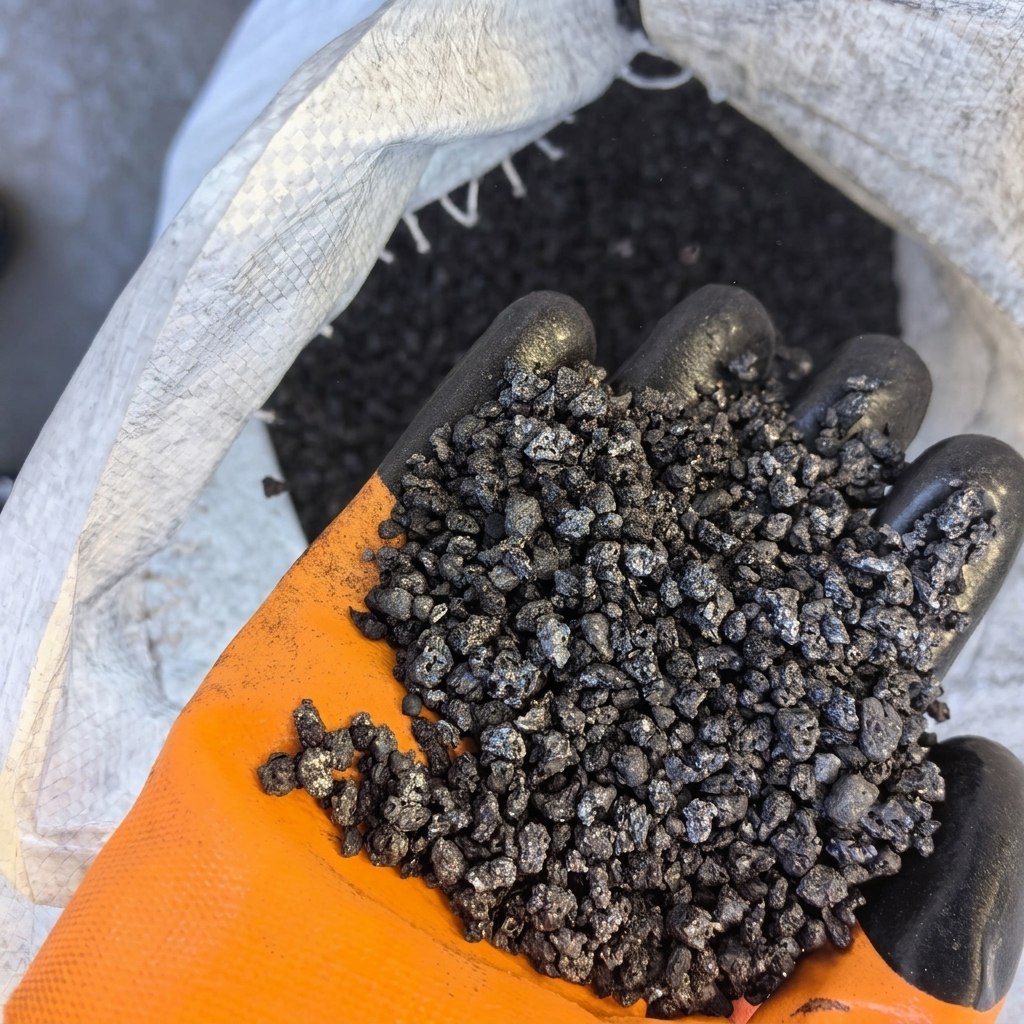
Calcined Petroleum Coke (CPC) is produced in several grades depending on the chemical composition, sulfur level, ash content, and physical properties of the material.
These grades are designed to meet the requirements of different industries, particularly aluminum smelting, graphite electrode manufacturing, titanium dioxide production, and steelmaking.
In practice, CPC grades are mainly classified based on sulfur content and overall purity, since these factors directly influence electrical conductivity, anode quality, and metallurgical performance.
The following table summarizes the most common Calcined Petroleum Coke grades used in industrial applications:
| CPC Grade | Typical Sulfur Content | Fixed Carbon | Ash Content |
| Low Sulfur CPC | 0.5 – 1.0% | ≥ 99% | ≤ 0.5% |
| Medium Sulfur CPC | 1.0 – 2.5% | 98.5 – 99% | ≤ 0.6% |
| High Sulfur CPC | 2.5 – 3.5% | ≥ 98% | ≤ 0.8% |
| Anode Grade CPC | Typically 1.5% | ≥ 99% | ≤ 0.5% |
| Industrial Grade CPC | 1.5 – 3.5% | 98 – 99% | ≤ 0.8% |
Each grade is selected according to the technical requirements of the final application. For example, aluminum smelters typically require low-sulfur CPC with high density and high electrical conductivity, while steel and foundry industries may use medium or high sulfur grades as cost-effective carbon additives.
Understanding CPC grades helps buyers and engineers choose the most suitable material for their process conditions, quality standards, and cost considerations.
Calcined Petroleum Coke (CPC) Price Guide 2026:
Unlike base metals traded on the LME, Calcined Petroleum Coke (CPC) has no single public spot price.
Smelter buyers and refiners negotiate most volumes on a quarterly or semi-annual basis rather than spot transactions, so the figures below are market averages and regional benchmarks – not a live quote.
Calcined petroleum coke trades at a substantial premium to fuel-grade material, and actual contract pricing depends heavily on sulfur content, real density, grain size, and shipping terms (FOB vs. CIF). For an exact quote, contact a supplier directly with your required specification.
| Region / Benchmark | Indicative Price (2025–2026) | Basis |
| Global average (all grades) | ~US$327 per ton | Ex-works, blended average across grades |
| US Gulf Coast, anode-grade CPC | Historical reference: US$230–245/mt | FOB, max 3% sulfur, 300–400 ppm vanadium |
| China, fuel-grade petcoke (for comparison) | ~US$359/MT in March 2026 | Domestic, Q1 2026 |
| USA, fuel-grade petcoke (for comparison) | ~US$385/MT in March 2026 | FOB US Gulf, Q1 2026 |
| South Korea, fuel-grade petcoke (for comparison) | ~US$586/MT in March 2026 | Busan, Q1 2026 |
| India, seaborne import | ~US$501/MT in January 2026 (CIF) | CIF Indian ports |
Note: rows marked “for comparison” are fuel-grade (uncalcined) petcoke prices – included to show that CPC sits at a clear premium above them, not as CPC prices themselves. CPC-specific public benchmarks (Platts US Gulf CPC assessment) are the most reliable reference but require a paid subscription for live monthly figures.
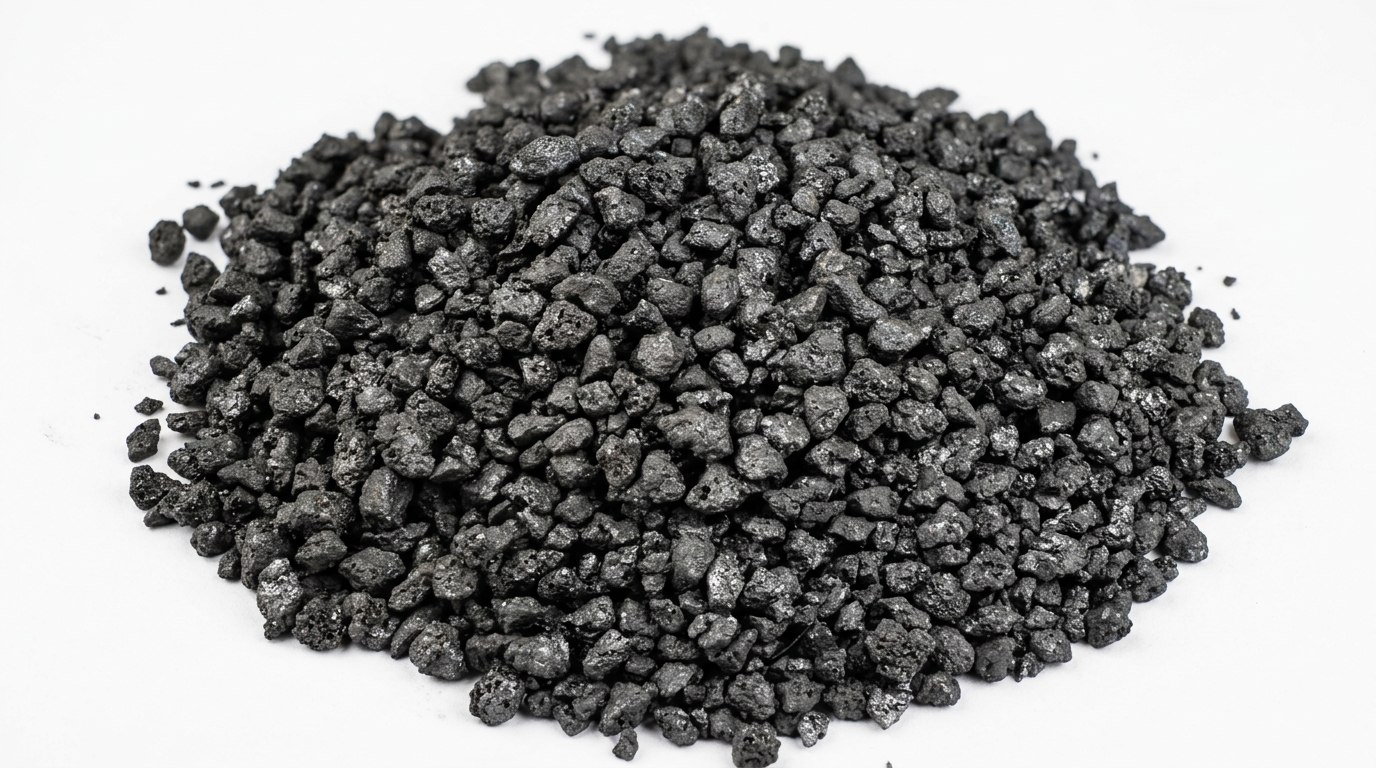
Comparison of CPC Grades:
Calcined Petroleum Coke grades are mainly compared based on sulfur content, fixed carbon, ash level, volatile matter, density, and final application. Each grade has different performance characteristics, so selecting the right CPC depends on the technical requirements of the industry.
Low sulfur CPC is considered the premium grade because it has higher purity, lower impurity levels, and better electrical conductivity. It is commonly used in aluminum anode production, graphite electrodes, and other high-performance carbon applications.
Medium sulfur CPC offers a balance between quality and cost. It is suitable for aluminum smelting, steelmaking, and general metallurgical applications where moderate sulfur levels are acceptable.
High sulfur CPC is usually used in cost-sensitive industrial applications such as foundries, titanium dioxide production, and certain metallurgical processes. Although it has higher sulfur content, it can still perform effectively where strict purity requirements are not necessary.
In general, anode grade CPC is preferred for aluminum production, while industrial grade CPC is selected for steel, foundry, and carbon additive applications. The best grade should always be chosen according to the required specifications, process conditions, and final product quality standards.
Applications of Different CPC Grades:
1. Low Sulfur CPC
-
- Used in high-quality aluminum anode production
- Suitable for graphite electrode manufacturing
- Applied in specialty carbon products
- Preferred where high purity and strong electrical conductivity are required
2. Medium Sulfur CPC
-
- Used in aluminum smelting applications
- Suitable for steelmaking and metallurgical processes
- Applied as a carbon additive in controlled industrial operations
- Offers a balance between performance and cost
3. High Sulfur CPC
-
- Used in foundry applications
- Suitable for titanium dioxide production
- Applied in general metallurgical industries
- Preferred for cost-sensitive processes with less strict sulfur limits
4. Anode Grade CPC
-
- Used mainly in prebaked carbon anodes for aluminum production
- Helps improve anode density, conductivity, and performance
- Suitable for smelters requiring stable and consistent carbon quality
5. Industrial Grade CPC
-
- Used in steel plants, foundries, and carbon raiser applications
- Suitable for increasing carbon content in molten metal
- Commonly selected when cost efficiency is a key priority
Low Sulfur vs High Sulfur Calcined Petroleum Coke:
Low sulfur Calcined Petroleum Coke has lower impurity levels, higher purity, and better electrical conductivity. It is mainly used in aluminum anode production, graphite electrodes, and high-quality carbon applications where strict specifications are required.
High sulfur Calcined Petroleum Coke contains higher sulfur content and is usually used in foundries, steelmaking, titanium dioxide production, and general metallurgical applications. It is often selected as a more cost-effective option when low sulfur content is not critical.
In general, low sulfur CPC offers better performance and purity, while high sulfur CPC provides a more economical solution for industrial uses.
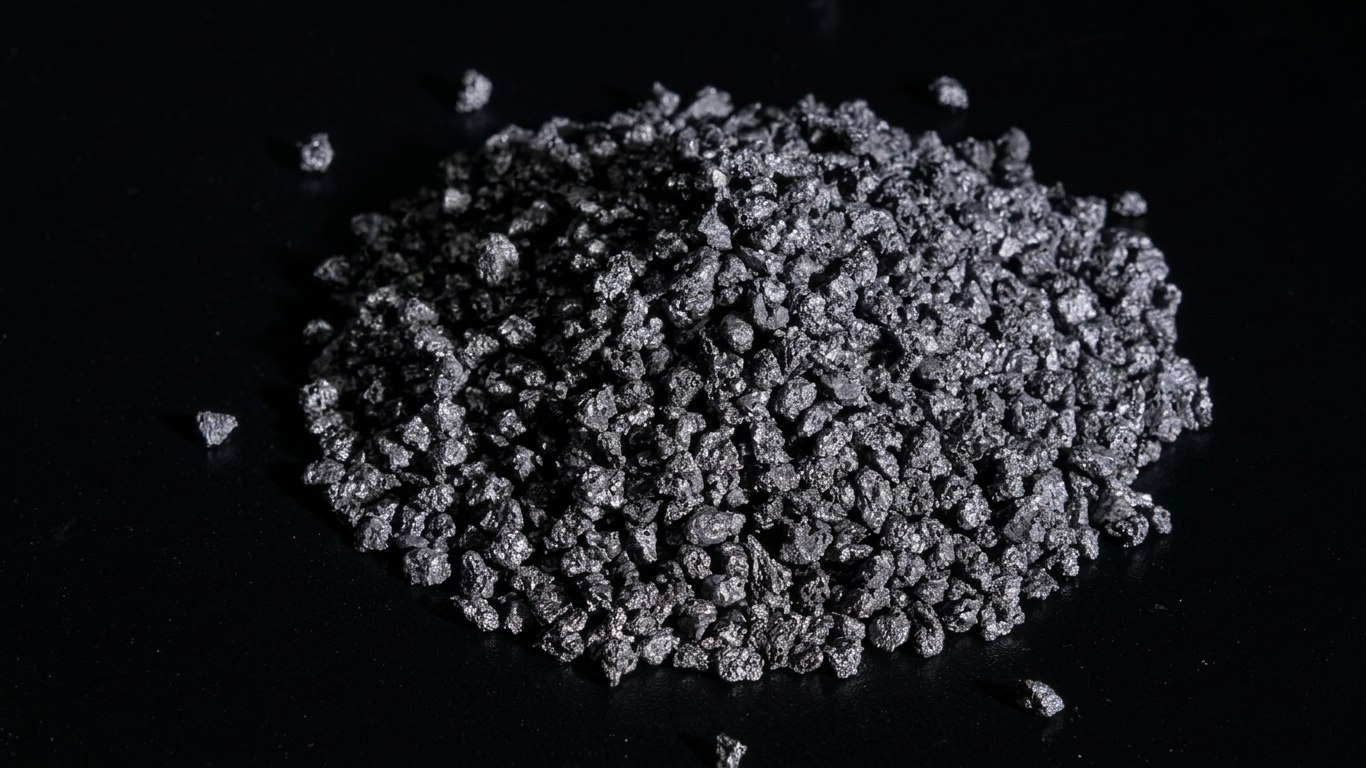
How to Choose the Right CPC Grade:
Choosing the right Calcined Petroleum Coke (CPC) grade depends on the final application, required carbon purity, sulfur limit, ash content, and particle size. For aluminum anode production, low sulfur CPC with high fixed carbon and low ash is usually preferred because it provides better electrical conductivity and stable performance.
For steelmaking, foundry, and carbon raiser applications, medium or high sulfur CPC may be a more economical choice, depending on the process requirements and acceptable impurity levels. Buyers should always check key specifications such as fixed carbon, sulfur, ash, volatile matter, moisture, density, and particle size distribution before purchasing.
At FERROSILICON.CO, CPC grades can be selected based on industrial requirements, quality standards, and cost efficiency. Reviewing the laboratory analysis report is essential to ensure that the selected CPC grade matches the technical needs of the application.
FAQ About Calcined Petroleum Coke:
What is the difference between Green Petroleum Coke (GPC) and Calcined Petroleum Coke (CPC)?
Green Petroleum Coke is the raw byproduct from the oil refining process and contains moisture and volatile hydrocarbons. Calcined Petroleum Coke is produced by heating GPC at high temperatures to remove these volatile components, resulting in a higher‑purity carbon material with better density and electrical conductivity.
What is Calcined Petroleum Coke mainly used for?
CPC is widely used in aluminum smelting for anode production, as well as in steelmaking, foundries, graphite electrode manufacturing, and titanium dioxide production. It is also used as a carbon raiser to increase the carbon content in molten metal.
What factors determine the quality of Calcined Petroleum Coke?
The quality of CPC is mainly determined by fixed carbon content, sulfur level, ash content, volatile matter, moisture, and real density. These specifications influence the performance of CPC in different industrial processes and help determine the appropriate grade for each application.
Conclusion:
Calcined Petroleum Coke (CPC) is a high‑carbon industrial material produced by calcining Green Petroleum Coke at high temperatures.
Its quality depends on key specifications such as fixed carbon, sulfur content, ash, volatile matter, moisture, density, and particle size distribution. These properties directly affect its performance in aluminum smelting, steelmaking, foundry operations, graphite electrode production, and other metallurgical applications.
Choosing the right CPC grade is essential for achieving stable process performance and final product quality.
Low sulfur CPC is preferred for high‑purity and high‑conductivity applications such as aluminum anodes and graphite products, while medium and high sulfur CPC grades are commonly used in steelmaking, foundries, carbon raisers, and cost-sensitive industrial processes.
Overall, the best Calcined Petroleum Coke grade should be selected based on the intended application, required technical specifications, environmental limits, and cost considerations. Reviewing a reliable laboratory analysis report before purchase helps ensure that the CPC meets the required industrial standards and delivers consistent performance.
📧 Email: INFO@FERROSILICON.CO
💬 WhatsApp: Available on request

About the Author – Mahboubeh
Metallurgical Industry Specialist