09121684359 info@ferrosilicon.co

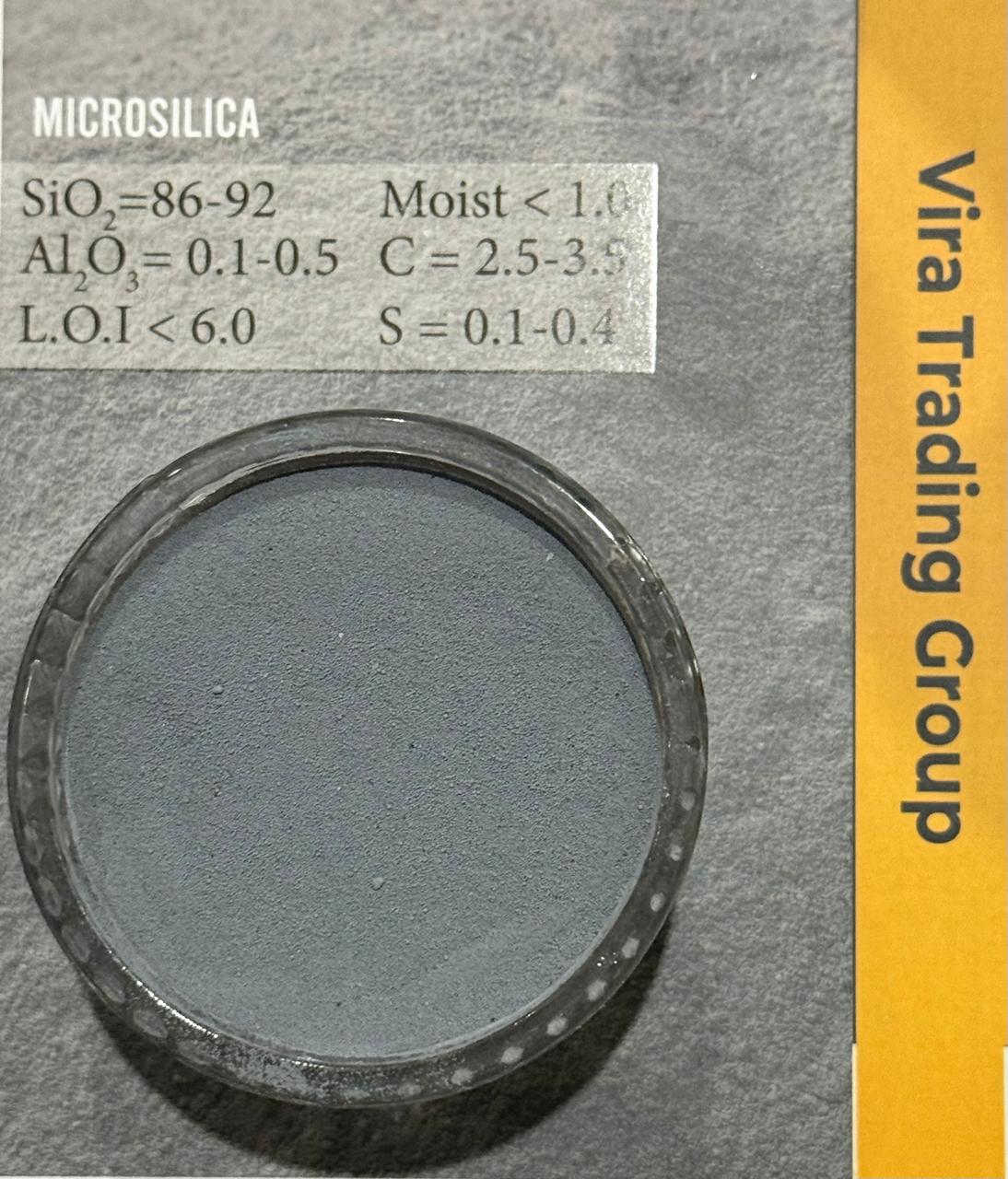
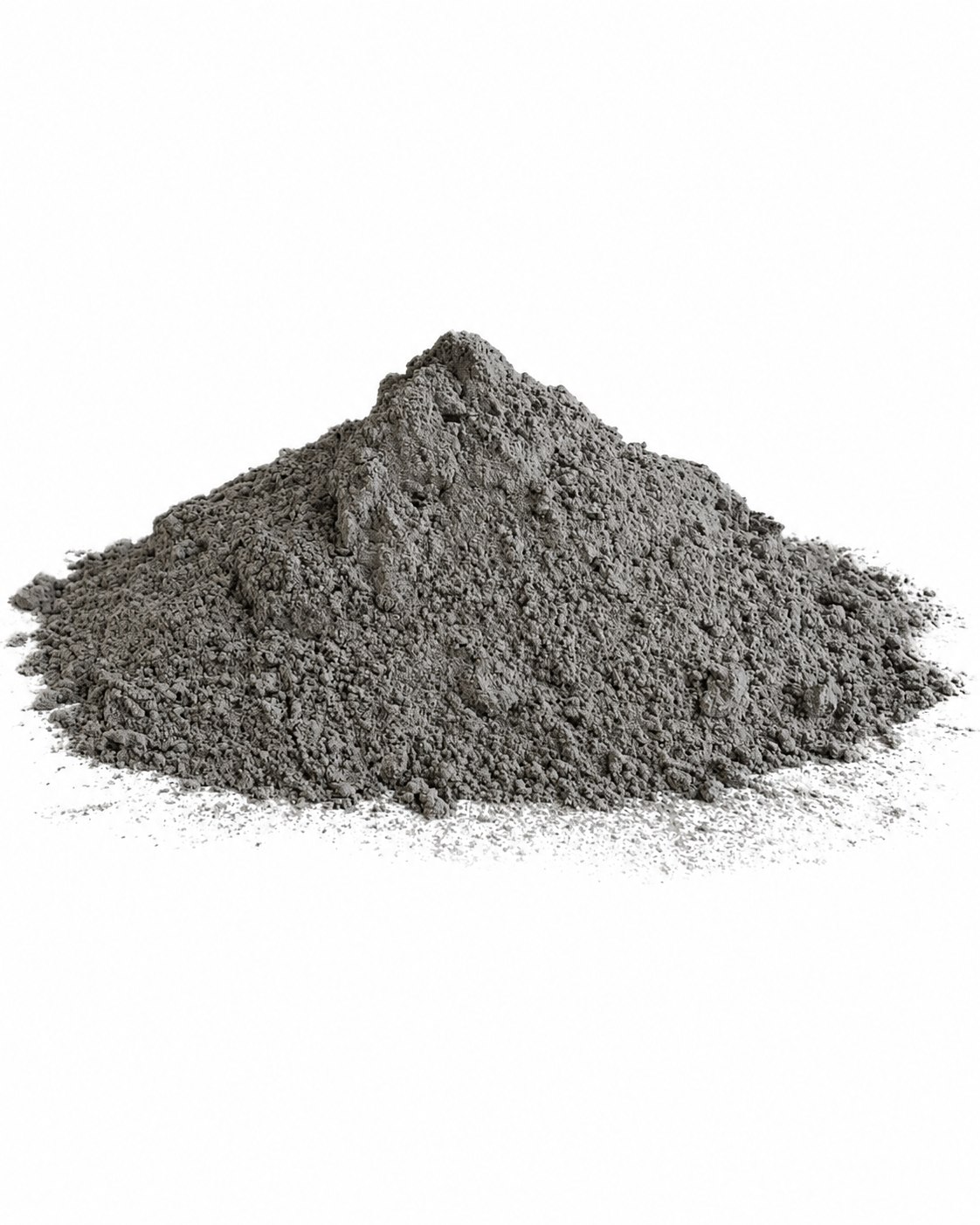
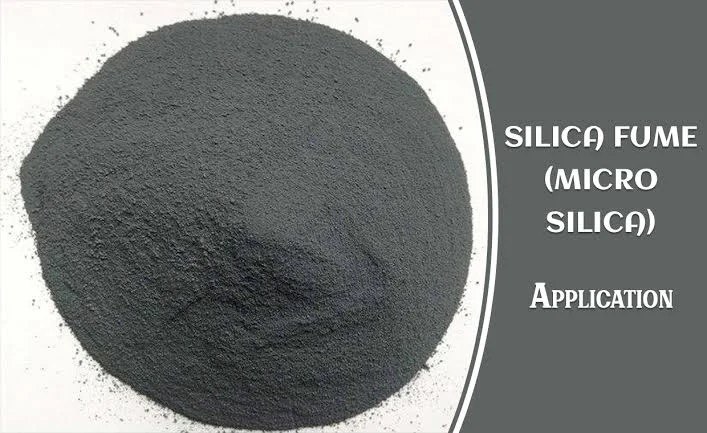
Microsilica, also known as silica fume, is a high-performance mineral additive widely used in modern concrete and industrial applications.

As a global microsilica manufacturer and supplier, we provide high-purity microsilica designed to improve concrete strength, durability, and chemical resistance in demanding construction projects.

Thanks to its ultra-fine particles and high silicon dioxide content, microsilica is widely used in high-performance concrete, bridges, tunnels, marine structures, precast products, and industrial flooring.

This guide covers microsilica properties, uses, applications, and key performance benefits in modern construction.

What Is Microsilica?

Microsilica, also known as silica fume, is an ultra-fine pozzolanic material produced during the manufacturing of silicon metal and ferrosilicon alloys. It consists mainly of amorphous silicon dioxide (SiO₂) and is widely used as a high-performance mineral admixture in concrete and industrial applications.

Due to its extremely small particle size and high reactivity, microsilica significantly improves concrete strength, durability, density, and resistance to moisture and chemical penetration. It is commonly used in high-performance concrete, bridges, tunnels, marine structures, industrial flooring, precast elements, and refractory products.

As a leading material in modern construction, microsilica helps reduce permeability, increase compressive strength, and extend the service life of concrete structures.

Today, it is considered an essential component in advanced construction projects that require superior mechanical and long-term performance.

Microsilica Properties

Microsilica’s ultra‑fine particles densify the cement matrix, reducing pores and improving overall concrete performance.

Recommended Dosage

Typically 5–10% of cement weight, depending on mix design and performance targets; admixture adjustment may be needed.

Chemical Composition (SiO₂)

Primarily amorphous silicon dioxide (SiO₂). Quality depends on SiO₂ level, impurities, and batch consistency.

Packaging & Storage

Available in 20/25 kg bags, 500–1000 kg jumbo bags, or bulk. Store sealed and dry to prevent clumping.

Benefits in Concrete

Boosts strength, lowers permeability, and enhances durability against chlorides, sulfates, and freeze–thaw cycles.

Quality Standards & Testing

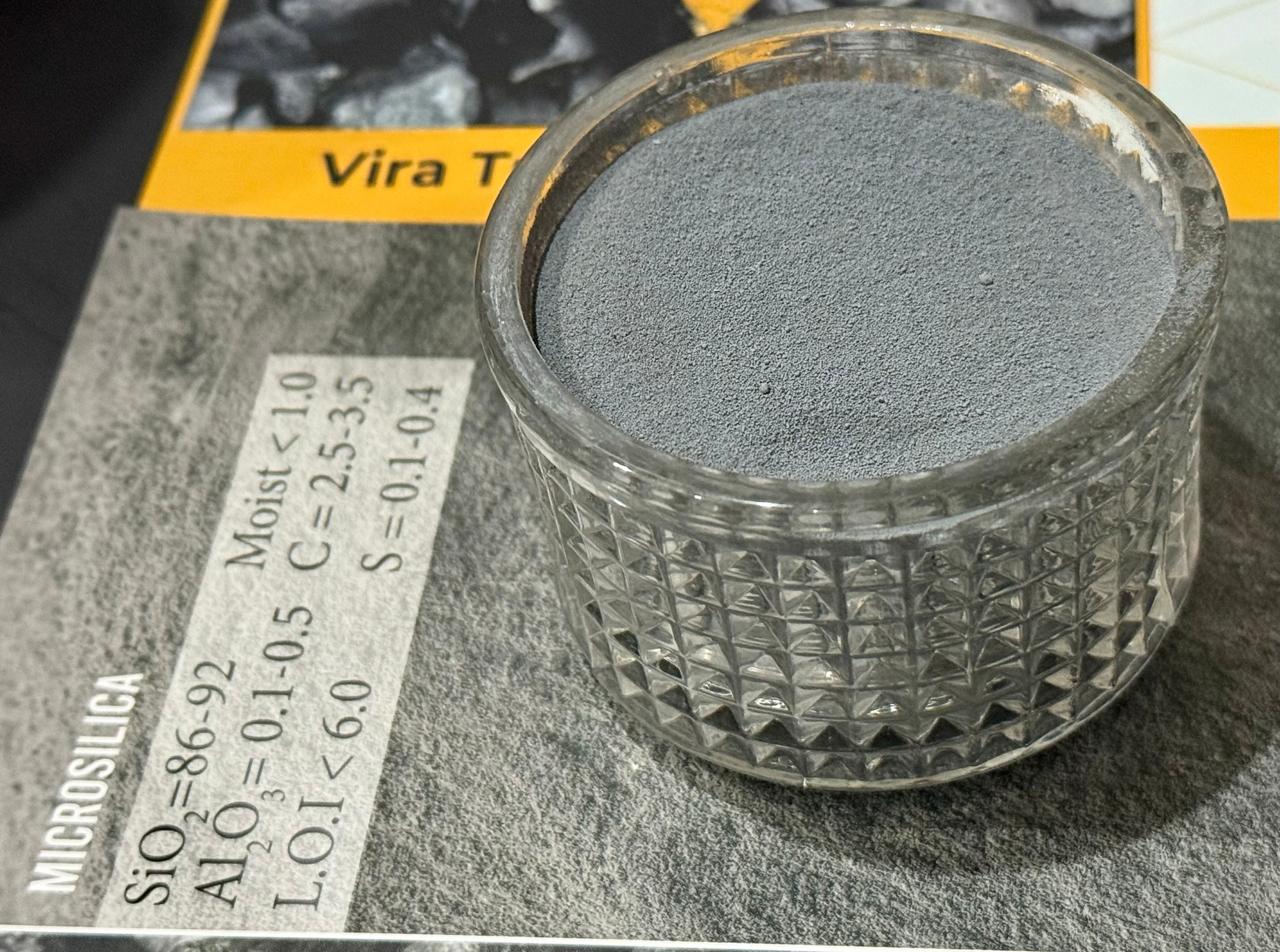
Meet ASTM C1240 / EN 13263 with COA reporting SiO₂, moisture, LOI, fineness, and bulk density.

Microsilica Properties and Chemical Composition:
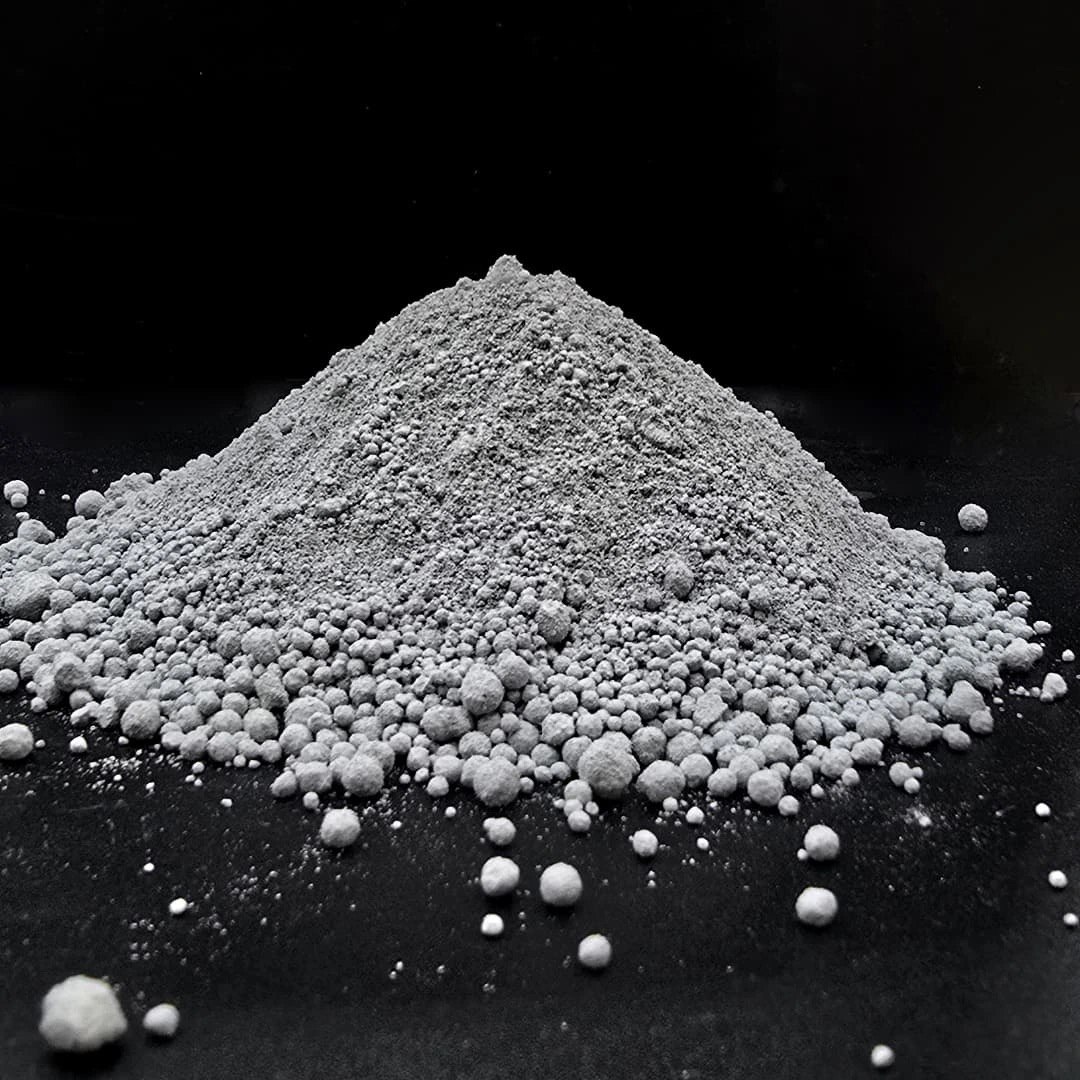
Microsilica is a highly reactive pozzolanic material mainly composed of amorphous silicon dioxide (SiO₂).

It is produced during the manufacturing of silicon metal and ferrosilicon alloys and is widely used to improve the performance of concrete and cement-based materials.

Its unique physical structure and chemical composition make it one of the most effective additives in high‑performance construction.

High Silicon Dioxide Content:

Microsilica typically contains about 85–95% silicon dioxide (SiO₂). This high silica purity allows it to react with calcium hydroxide during cement hydration and form additional calcium silicate hydrate (C‑S‑H), which significantly increases concrete strength and durability.

Ultra‑Fine Particle Structure:

The particles of microsilica are extremely small, about 100 times finer than cement particles. Because of this micro‑size, microsilica can fill tiny voids within the concrete structure, creating a denser matrix and reducing permeability.

Enhanced Concrete Performance:

Thanks to its chemical reactivity and micro‑filling effect, microsilica improves compressive strength, durability, resistance to chemical attack, and long‑term performance of concrete. These properties make it widely used in high‑performance concrete, bridges, tunnels, marine structures, and industrial flooring.

Microsilica Technical Specifications and Quality Standards:

Microsilica used in construction and industrial applications must meet strict technical specifications to ensure consistent performance, durability, and compatibility with cementitious materials.

As a highly reactive pozzolanic material, the quality of microsilica is mainly determined by its chemical composition, particle size, and purity level. High‑quality microsilica typically contains a high percentage of silicon dioxide (SiO₂), usually between 85% and 98%, which plays a critical role in improving concrete strength and reducing permeability.

Another important characteristic is its ultra‑fine particle size, which is about 100 times smaller than ordinary cement particles. This allows microsilica to fill microscopic voids within the concrete matrix and react with calcium hydroxide to produce additional cementitious compounds, resulting in a denser and stronger structure.

To ensure reliable performance in engineering projects, microsilica products are usually required to comply with internationally recognized standards such as ASTM C1240 and EN 13263.

These standards define the acceptable limits for chemical composition, physical properties, and performance characteristics. Compliance with these specifications helps guarantee that microsilica can deliver consistent quality in high‑performance concrete, marine structures, precast elements, and other demanding construction applications.

Main Uses of Microsilica in Construction and Industry:
Microsilica is widely used in modern construction and industrial applications due to its ability to improve strength, durability, and long‑term performance.

Its ultra‑fine particles and high pozzolanic activity make it an essential material in projects that require high mechanical resistance and reduced permeability.

1. High‑Performance Concrete:

One of the main applications of microsilica is in high‑performance concrete. It increases compressive strength, reduces water penetration, and enhances durability under harsh environmental conditions. Microsilica concrete is commonly used in skyscrapers, dams, highways, and heavy‑duty infrastructure projects.

2. Bridges, Tunnels, and Marine Structures:

Microsilica is widely used in bridges, tunnels, ports, and marine construction because it improves resistance to moisture, chloride attack, and chemical corrosion. The dense concrete structure created by microsilica helps extend the service life of structures exposed to aggressive environments.

3. Industrial and Precast Applications:

In industrial flooring, precast concrete, and refractory products, microsilica improves surface hardness, abrasion resistance, and overall structural performance. It is also used in shotcrete applications for mining and tunneling projects where high early strength and durability are required.

Microsilica Price and Cost Factors 2026:

product form, packaging type, supply volume, and global transportation costs. High‑quality microsilica with higher SiO₂ content and lower impurity levels is typically more expensive because it delivers better performance in high‑strength and durable concrete applications.

Product form also affects pricing. Densified microsilica is generally preferred for large construction projects due to easier handling and lower transportation costs, while slurry and undensified forms may have different pricing structures depending on the application requirements.

In global markets, microsilica prices can also vary based on:

  • Manufacturer reputation and quality certifications
  • Export country and raw material availability
  • Bulk order quantity
  • Shipping and logistics costs
  • Compliance with ASTM and EN standards

For infrastructure, marine, industrial, and precast concrete projects, selecting high‑quality microsilica often provides better long‑term value by improving durability and reducing maintenance costs.

Estimated Microsilica Price Table – 2026:

Microsilica Type
SiO₂ Content
Typical Packaging
Price Range (USD / Ton)
Undensified Microsilica
85–90%
Jumbo Bag (900–1000 kg)
160–230
Densified Microsilica
90–94%
Jumbo Bag (900–1000 kg)
200–320
High Purity Microsilica
94–98%
Export Grade Jumbo Bag
300–420
Microsilica Slurry
45–50% Solid
Bulk Tank / Tanker
90-150

Actual prices may vary depending on supplier location, shipping costs, order quantity, and compliance with international standards such as ASTM C1240 or EN 13263. For large construction or infrastructure projects, manufacturers usually provide customized quotations based on volume and delivery destination.

Microsilica Packaging, Storage, and Handling:

Proper packaging, storage, and handling are important to maintain the quality and performance of microsilica. Because microsilica is an ultra‑fine powder, it must be protected from moisture and contamination during transportation and storage.

Correct handling ensures that the material remains dry, free‑flowing, and ready to deliver its full performance in concrete applications.

Microsilica is typically supplied in several packaging formats depending on project size and handling systems. Densified microsilica in jumbo bags is the most common option for construction projects, while bulk delivery is often used in large concrete plants with silo systems.

Packaging Type
Typical Capacity
Application
Jumbo Bag
900–1000 kg
Large construction and export supply
Small Bags
20–25 kg
Small projects and laboratory use
Bulk Tanker
Bulk delivery
Large concrete batching plants
Slurry Form
40–50% solid
Automated concrete production systems

Premium Microsilica for High-Performance Concrete

FERROSILICON.CO provides high-purity microsilica engineered to enhance structural durability and compressive strength. Our product meets strict international ASTM and EN standards, ensuring maximum reliability for the most demanding construction and industrial projects worldwide.

Benefits of Using Microsilica:

Microsilica plays a key role in producing high‑performance concrete used in modern construction and demanding industrial environments.

Due to its ultra‑fine particle size and strong pozzolanic reaction, it significantly improves the strength, density, and durability of concrete. As a result, microsilica is widely used in infrastructure, marine structures, industrial flooring, and high‑strength precast elements where long‑term performance is critical.

1. Higher Strength:

Microsilica increases compressive and flexural strength by filling micro‑voids and forming additional C–S–H gel.

2. Lower Permeability:

Its ultra‑fine particles reduce pores in concrete, limiting water penetration and chloride ingress.

3. Greater Durability:

Microsilica improves resistance to cracking, corrosion, and freeze–thaw cycles, extending the service life of structures.

4. Chemical and Abrasion Resistance:

Concrete with microsilica performs better in aggressive environments and high‑wear industrial applications.

5. Improved Concrete Performance:

It enhances mix cohesion, reduces bleeding and segregation, and supports high‑performance concrete mixes.

6. Cost and Sustainability Benefits:

Microsilica can reduce long‑term maintenance costs and contributes to more sustainable construction practices.

Limitations and Considerations When Using Microsilica:
Although microsilica provides many advantages in high‑performance concrete, it also requires careful mix design and proper handling. Understanding its limitations helps engineers and contractors achieve better results in practical applications.

1. Higher Water Demand:

Because microsilica particles are extremely fine and have a very large surface area, concrete mixes containing microsilica may require more water or the use of superplasticizers to maintain proper workability.

2. Handling and Dust Issues:

Microsilica is a very fine powder and can generate dust during transportation and mixing. Without proper equipment or dust control systems, handling the material may become difficult in some construction environments.

3. Increased Initial Material Cost:

Compared to ordinary cement additives, microsilica can increase the initial cost of the concrete mix. However, this cost is often balanced by improved durability and reduced long‑term maintenance.

4. Sensitive Mix Design:

Using microsilica effectively requires proper proportioning and mixing techniques. Incorrect dosage or poor dispersion can reduce its performance benefits in concrete.

Conclusion: Why Microsilica Matters

Microsilica has evolved from a specialized additive into a fundamental component of modern high-performance construction.

By transforming the micro-structure of concrete, it provides the essential strength, impermeability, and long-term durability required to meet the rigorous demands of today’s infrastructure—from soaring skyscrapers and complex marine structures to heavy-duty industrial flooring.

As we look toward the future of building, the role of microsilica is set to become even more critical. It is not merely an additive that enhances technical performance; it is a strategic material that enables:

  • Extended Structural Lifespan: By significantly reducing porosity, microsilica protects critical reinforcement from corrosion, ensuring that bridges, tunnels, and coastal structures last for generations rather than decades.
  • Engineering Versatility: It allows designers to push the boundaries of what is possible, creating thinner, lighter, and stronger structural elements without compromising safety or integrity.
  • Sustainability and Efficiency: While the material itself is an industrial by-product, its ability to reduce the need for repairs and maintenance makes it a vital tool for sustainable, long-term construction management.

Contact Direct:

info@ferrosilicon.co | +989121684359 | WhatsApp RFQ

Frequently Asked Questions:

Q1: What is microsilica used for?

Microsilica is mainly used as a supplementary cementitious material in concrete. It improves strength, reduces permeability, and increases durability, making it ideal for high‑performance concrete, bridges, marine structures, tunnels, and industrial flooring.

Q2: How does microsilica improve concrete?

Microsilica contains very fine particles and highly reactive silicon dioxide. It fills microscopic voids in concrete and reacts with calcium hydroxide to form additional cementitious compounds, which results in stronger and denser concrete.

Q3: What is the typical SiO₂ content of high‑quality microsilica?

High‑quality microsilica typically contains 85% to 98% silicon dioxide (SiO₂). Higher SiO₂ content generally indicates better pozzolanic activity and improved performance in concrete applications.

Q4: What standards should microsilica meet?

For construction use, microsilica should comply with international standards such as ASTM C1240 and EN 13263. These standards ensure consistent quality, proper chemical composition, and reliable performance in cementitious mixtures.

How to Choose a Trusted Microsilica Manufacturer:

Choosing a trusted microsilica manufacturer is essential for ensuring consistent quality and reliable project performance. A good supplier should offer high SiO₂ content, stable quality, compliance with ASTM C1240 and EN 13263, proper packaging, and on-time delivery.

It is also important to work with a company that has export experience, transparent pricing, and professional technical support. FERROSILICON.CO is a trusted global supplier of microsilica, known for quality, reliability, and international service.

Mahboubeh Kharmanbiz

Mahboubeh Kharmanbiz

Senior Metallurgist & Technical Director at Ferrosilicon.co

With over a decade of experience in the ferroalloy industry, mahboubeh specializes in the technical application of Ferrosilicon powders for critical sectors. His expertise lies in optimizing Particle Size Distribution (PSD) for Welding Electrode formulations and Dense Media Separation (DMS) efficiency. Beyond metallurgy, he engineers robust supply chains via Turkey to ensure consistent delivery for global buyers.

Get Microsilica Price Updates & Technical Notes

For the newest microsilica prices, specifications, availability, and shipping details, message us directly. Our team at FERROSILICON.CO will reply with the latest update.