

Executive Summary
The Global FerroSilicon Supply Risk Index (2025–2026) measures structural risks in the global ferro‑silicon supply chain beyond visible price movements. It evaluates power availability, regulatory pressure, logistics reliability, and geopolitical constraints to assess the likelihood of supply disruptions across major producing regions.
From 2025 to 2026, supply risk is driven mainly by China’s power allocation policies, tighter environmental enforcement, and logistics uncertainty affecting Russia and CIS exporters factors that typically impact the market before prices react.
This index focuses on capacity usability rather than nominal capacity, explaining why shortages often emerge despite sufficient global production on paper. Steel producers and alloy buyers use it to improve procurement timing, supplier diversification, and inventory decisions under volatile conditions.


How the Global Ferro Silicon Supply Risk Index Is Defined:
Key Risk Variables Affecting Ferro Silicon Supply:

Why Electricity Access Matters More Than Installed Capacity:
China’s Policy Signals and Global Supply Impact:

Logistics and Sanctions Risks in CIS FerroSilicon Exports:
| Risk | Explanation |
| Sanctions exposure | Banking limits and trade restrictions reduce the number of viable buyers and payment channels |
| Export routes | Dependence on a small number of corridors makes shipments vulnerable to disruption |
| Ports & transit | Congestion and rail delays reduce delivery reliability |
| Compliance risk | Documentation, origin scrutiny, and regulatory checks can delay or stop cargo |
| Shipping & insurance | Limited availability of insured vessels increases costs or blocks shipments |
Who Can Realistically Fill Potential Supply Gaps:
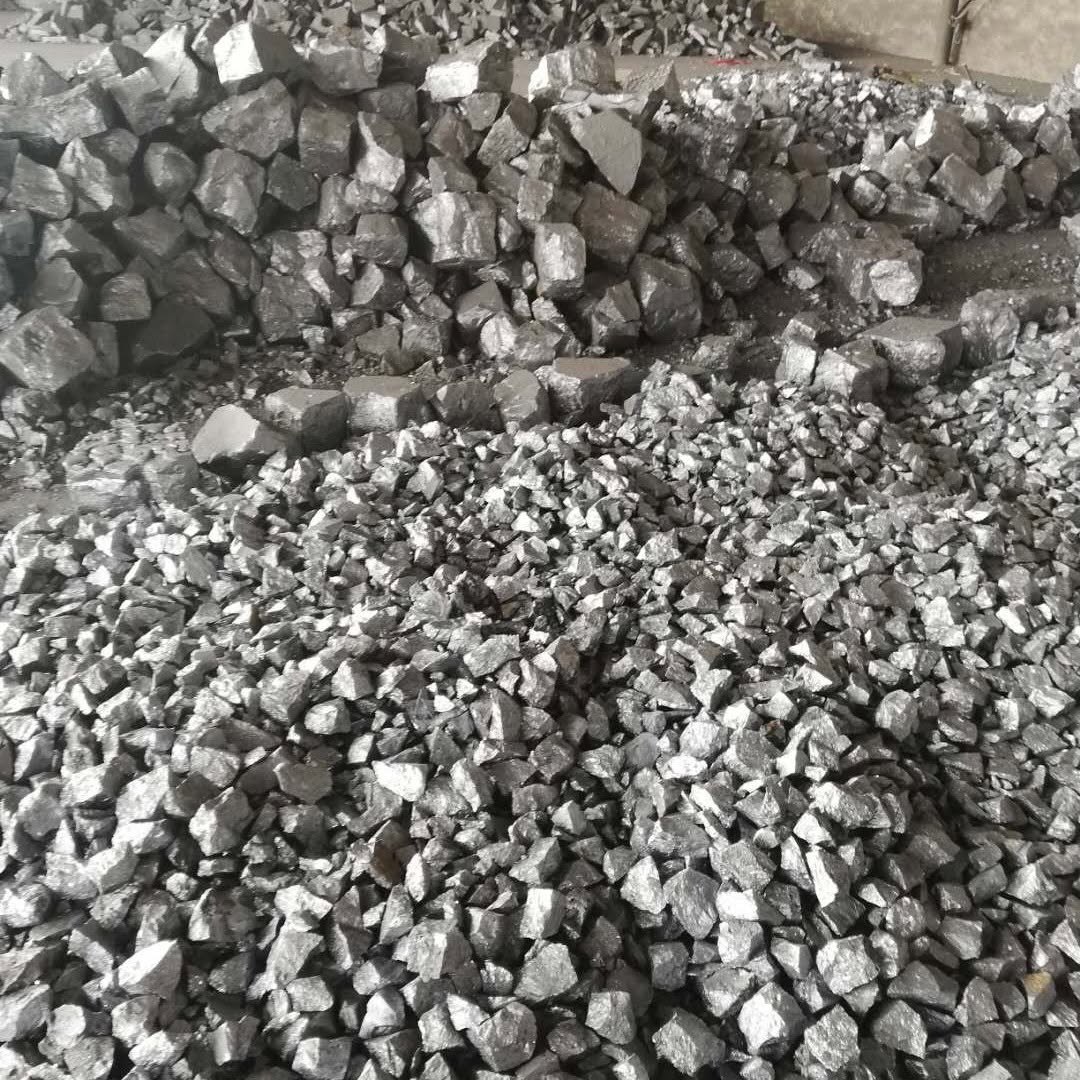
Supply Risk vs Price: Understanding the Timing Gap:
| Supply Risk Signal | Market Reality | Price Behavior |
| Logistics friction increases | Deliveries become less reliable | Minor spot volatility |
| Export compliance tightens | Fewer executable contracts | Prices still stable |
| Physical shortfall appears | Buyers scramble for tonnes | Sharp upward correction |
| Substitute supply activates | Gap begins to close | Prices peak, then lag |